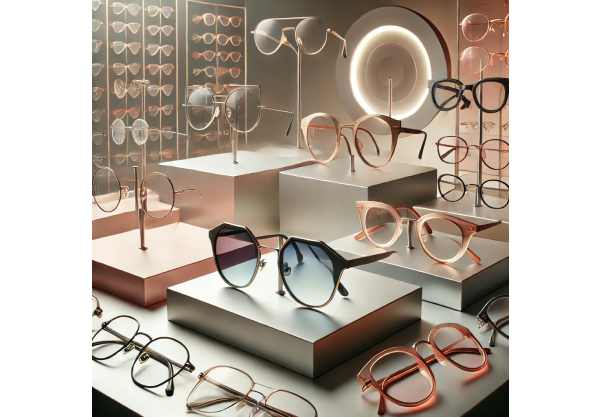
Eyewear in 2026 is less about “picking a frame” and more about choosing a signature—something that works with your wardrobe, your devices, and your daily routine. The biggest shift is how intentionally people are styling glasses and sunglasses: pairing bold shapes with minimal outfits, choosing color as an accent instead of an afterthought, and treating lenses like part of the look (not just a functional add-on). At the same time, comfort has become a style requirement. Lightweight materials, better nose-bridge engineering, and more inclusive fits are shaping what looks modern.
This guide breaks down what is actually trending, why it is trending, and how to wear it in a way that feels personal—not costume-like. You will also learn how to evaluate quality, choose flattering proportions, and avoid the common mistakes that make even expensive eyewear look “off.”
Top Highlights
- Oversized and slim silhouettes are both trending, and the right one depends on your facial proportions and styling goals.
- Color is moving from safe neutrals to intentional accents, especially translucent tones and updated tortoiseshell variations.
- Lens finishes such as gradient, mirror, and soft tint are becoming a key style signal, not just a sun feature.
- Blue-light features are widely marketed, but the benefits can be limited depending on your specific use case.
- Fit is the fastest way to make eyewear look premium: prioritize bridge comfort, temple alignment, and stable coverage.
Table of Contents
- What Makes 2026 Eyewear Feel Current
- Frame Shapes Leading the Year
- Colors, Materials, and Textures to Watch
- Lens Trends That Change the Whole Look
- Tech and Functionality Without Looking Gadgety
- How to Choose Your Best Pair and Wear It Well
What Makes 2026 Eyewear Feel Current
The defining vibe of 2026 eyewear is “deliberate.” Frames are no longer a quiet background accessory, but they are also not automatically loud. The modern look is intentional coordination: a frame that either echoes your outfit’s lines (minimal and architectural) or contrasts them (soft clothing with sharp geometry, or a clean outfit with expressive color).
Three forces are pushing this shift. First, more people treat eyewear as daily personal branding—especially on camera. Video calls, short-form content, and high-resolution phone cameras make details like lens reflections, fit symmetry, and frame thickness much more visible. Second, fashion has moved into a high-low era. A simple outfit can look polished when the eyewear is the hero piece, and statement frames can be balanced by very clean basics. Third, comfort has become non-negotiable. When you wear something daily, discomfort reads as “wrong” even if the design is beautiful.
You will also notice more “wardrobe thinking” in how people buy eyewear. Instead of one pair that tries to do everything, shoppers are building small rotations: an everyday optical, a bolder “outfit frame,” and a sun pair that is legitimately protective but still stylish. That rotation mindset is why we are seeing both minimal and maximal trends at the same time. The point is not that everyone wants the same style—it is that everyone wants a style that looks chosen.
Finally, 2026 trends are less about a single influencer look and more about flattering proportions. The best trend is the one that aligns with your features: eyebrow line, cheekbone width, and bridge fit. When those are right, almost any trend looks expensive and modern.
Frame Shapes Leading the Year
2026 is a “two-lane” year: oversized statement shapes and slim, precise silhouettes are both strong. The difference is how they are worn. Oversized frames look most current when the rest of the styling is controlled—simple hair, clean collar lines, minimal jewelry. Slim frames look most current when there is at least one deliberate styling detail elsewhere, like structured tailoring, a sharp shoe, or a strong bag.
Oversized revival (modern 70s energy)
Oversized frames are trending because they read as confident and camera-friendly. The most wearable versions have slightly softened edges, not harsh cartoon proportions. Think large squares, big rounded rectangles, and generous aviator-inspired shapes. The best trick is to match thickness to your face: if you have delicate features, choose oversized frames with thinner rims or translucent materials so they do not overpower you.
Slim 90s-inspired rectangles and ovals
These are not the tiny “micro frames” of past cycles. The 2026 version is slim but still functional: enough lens height to look balanced and to fit comfortably if you wear prescriptions. They pair well with minimal outfits, sharp tailoring, and monochrome looks. If your face is very angular, a slim oval can soften it without looking retro-costume.
Cat-eye and lifted corners
The cat-eye continues because it creates instant structure and “lift” without makeup. The more modern versions are less exaggerated: a gentle upsweep at the outer corner instead of a dramatic flick. For everyday wear, choose a softer cat-eye with a medium lens height so it feels versatile rather than theme-y.
Geometric shapes (hexagons, softened octagons)
Geometric frames look futuristic when the lines are clean and the finish is matte or brushed. They are especially flattering if your face shape is round or oval because they add definition. The wearable secret is proportion: a medium geometric shape looks intentional, while an extreme one can be hard to style unless you fully commit to a bold fashion direction.
Wrap and sport-influenced silhouettes
The “fashion wrap” is still evolving. The best 2026 versions look more refined than purely athletic models: slimmer arms, smoother curves, and lens colors that feel styled. If you want this trend but worry about looking too sporty, choose a wrap frame with a softer tint and minimal branding.
When choosing any trendy shape, use this quick check: do the top of the frame and your eyebrow line cooperate? If the frame cuts awkwardly across your brows or sits too low, the trend will not matter. Fit is the trend multiplier.
Colors, Materials, and Textures to Watch
Color trends in 2026 are about controlled personality. Instead of loud novelty shades that dominate your face, designers are leaning into tones that look sophisticated up close and “clean” from a distance.
Translucent tones and crystal finishes
Clear, smoke, champagne, and subtle colored transparencies are big because they brighten the face and blend with different outfits. They also look modern in photos because they keep the focus on your eyes rather than on heavy rims. If you are new to color, translucent frames are the easiest way to experiment without feeling overstyled.
Updated tortoiseshell and marbled acetates
Tortoiseshell is still a classic, but 2026 versions move beyond standard brown. Expect cooler mixes, lighter honey tones, and more variation that feels artisanal rather than uniform. Marbled acetates are also trending—especially those with gentle swirls that look elevated rather than loud.
Two-tone and mixed-material detailing
Two-tone frames work because they create depth. Common approaches include a darker browline with a lighter lower rim, or a translucent front with solid temples. Mixed materials—like a slim metal core inside acetate arms—add subtle refinement and help the frame feel more premium.
Metal finishes: brushed, matte, and soft shine
Highly reflective chrome can look harsh under bright lighting, so softer metal finishes are rising. Brushed gold, muted silver, and warm gunmetal read as modern and wearable. If you wear lots of jewelry, matching your frame’s metal tone to your everyday jewelry is an easy way to make the look cohesive.
Sustainability cues that still look stylish
Sustainable materials matter to shoppers, but the visual trend is subtle: natural textures, reduced gloss, and “honest” material cues (like visible grain or gentle color variation). The best sustainable-looking frames do not scream eco—they simply look thoughtfully made.
If you want to look current without chasing every trend, choose one modern element and keep the rest classic. Examples:
- Classic shape + translucent color
- Slim metal frame + modern lens tint
- Timeless tortoise + slightly oversized proportions
- Minimal black frame + refined geometric silhouette
That approach keeps your eyewear from feeling dated quickly, while still signaling “2026.”
Lens Trends That Change the Whole Look
In 2026, lenses are not just functional—they are part of the aesthetic. The fastest way to update a familiar frame is often changing the lens finish or tint.
Gradient lenses (especially soft, wearable gradients)
Gradients are trending because they look editorial but still practical: darker at the top for sun and lighter at the bottom for visibility. The most current gradients feel smooth and subtle, not harshly divided. They also photograph well, giving dimension without hiding the eyes completely.
Mirror finishes with restraint
Mirror lenses are still popular, but the 2026 move is controlled reflectivity. Instead of highly flashy mirror coatings, look for softer mirror effects that read as premium. This trend works especially well in athletic-inspired frames, aviators, and clean geometric shapes.
Soft tints for style-first sunglasses
Light tints—like gentle smoke, warm brown, or fashion-forward colors—are used for styling and vibe. They can be great for city wear, overcast days, and indoor-to-outdoor transitions. The tradeoff is that lighter tints may not feel as comfortable in harsh midday sun, so they are best as part of a rotation rather than your only pair.
Polarization and glare management
Polarization stays important for driving, water, and snow because it reduces glare. From a style perspective, polarization is invisible—what changes is comfort. If you spend time outdoors, it is one of the few “features” you will feel immediately.
Photochromic lenses (the practical-luxe upgrade)
Photochromic lenses are trending again because people want fewer pairs without sacrificing comfort. The most stylish implementations avoid overly dramatic darkening and pair best with clean, minimal frames.
Blue-light marketing and real-world expectations
Blue-light filtering is everywhere in eyewear marketing. For some people, it can feel more comfortable—especially if you are sensitive to screen glare at night. For others, the difference is subtle. If you try it, treat it like a “comfort experiment” rather than a guaranteed transformation. The more reliable improvements for screen-heavy days are still practical habits: better lighting, regular breaks, and correct prescriptions.
Lens tip that makes any trend look better: keep lenses clean. Smudges and micro-scratches are the quickest way to make a stylish frame look cheap. A premium look is often maintenance, not price.
Tech and Functionality Without Looking Gadgety
Functional eyewear is trending because people want accessories that earn their place. The key for 2026 is subtle integration: features that disappear into the design.
Smart glasses and “quiet tech” styling
Smart glasses are moving toward more wearable aesthetics. The direction is clear: lighter frames, smaller hardware profiles, and designs that resemble everyday eyewear instead of a device. If you want this look without committing to full tech, choose frames that echo the smart-glasses silhouette—clean lines, slightly thicker temples, and minimalist fronts.
Clip-ons and modular sets
Clip-ons are back because they solve a real problem: turning optical frames into sunglasses without switching pairs. The most stylish versions are magnetic and sit cleanly, without bulky hinges or obvious attachment points. If you wear glasses daily, a well-designed clip-on can be one of the most practical upgrades.
Prescription sunglasses as a style essential
Prescription sun lenses are increasingly treated as non-negotiable. If you need vision correction, having sunglasses you can truly see through changes how often you wear them, which also improves eye comfort outdoors.
Better fit engineering
Brands are paying more attention to bridge options, wider fits, and more stable temple designs. This matters because “fit confidence” is a modern look: glasses that do not slide, pinch, or sit crooked read as polished.
Coatings that support real-life wear
Anti-reflective coatings for optical lenses can make a noticeable difference on camera and in bright indoor light. Scratch resistance and easier-to-clean finishes matter if you wear your frames daily. These features are not glamorous, but they quietly keep eyewear looking new longer.
When you shop, ask yourself one question: what problem do I want this pair to solve?
- Style upgrade for outfits
- Glare reduction for driving
- All-day comfort for work
- Outdoor protection for travel
- A rotating “wardrobe” of looks
Trends become much easier to choose when you attach them to a real purpose.
How to Choose Your Best Pair and Wear It Well
Trends are fun, but the best-looking eyewear is always the pair that fits your face and your life. Use this process to make trend choices look intentional.
Step 1: Decide your role for the pair
- Everyday optical: prioritize comfort and versatility.
- “Outfit frame”: prioritize shape and personality.
- Sunglasses: prioritize coverage and consistent wear.
A clear role prevents you from buying a pair that is stylish but never used.
Step 2: Match proportion to your features
- If your features are delicate, choose lighter materials or thinner rims when going oversized.
- If your features are strong or angular, you can carry thicker rims and sharper geometry more easily.
- If your face is round, angular frames add definition.
- If your face is square, rounded or softly geometric frames can soften the look.
These are guidelines, not rules, but they reduce trial-and-error.
Step 3: Get the fit right (this is where “expensive” happens)
Check these in a mirror:
- The frame sits level, not tilted.
- The bridge feels stable without pinching.
- The temples do not squeeze your head.
- Your pupils sit comfortably within the lens area (not pushed to the edges).
If any of these fail, keep looking. A trendy shape that fits poorly will always look wrong.
Step 4: Style it like a 2026 look, not a costume
- Pair bold frames with simpler outfits.
- Repeat one element: match metal tones to jewelry, or echo lens tint with one clothing accent.
- Let eyewear be the focal point, then keep everything else clean.
This is how trends look modern instead of themed.
Step 5: Maintain it
A quick routine keeps eyewear looking premium:
- Rinse lenses before wiping to avoid micro-scratches.
- Use a proper microfiber cloth.
- Store in a case, especially in bags and cars.
- Get adjustments if the frame starts slipping or sitting unevenly.
When you approach eyewear like a considered accessory—fit, role, styling, and upkeep—2026 trends become tools you can use, not rules you must follow.
References
- The Vision Council Releases New Research Spotlighting Q2 Consumer Trends and Generational Differences 2024
- 10 Sun Safety Tips to Help You Protect Your Skin All Summer Long 2025
- How to know if your sunglasses are actually protecting your eyes 2024
Disclaimer
This article is for general informational purposes and does not replace professional advice. Eyewear needs vary based on vision prescription, eye health, and lifestyle. If you have eye symptoms, a diagnosed condition, or specific concerns about UV exposure or screen-related discomfort, consult a licensed eye care professional for personalized guidance.
If you found this helpful, please consider sharing it on Facebook, X (formerly Twitter), or any platform you prefer, and follow us on social media. Your support through sharing helps our team continue producing high-quality content.