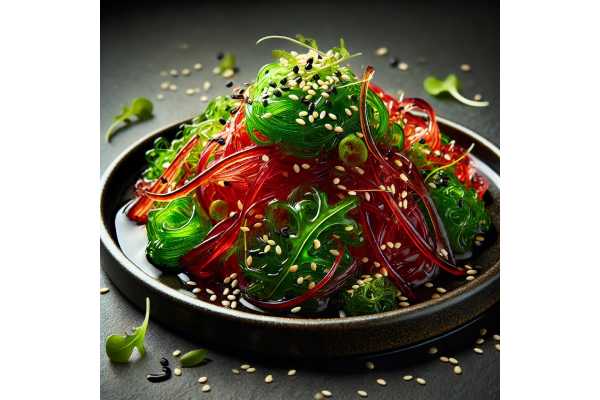
Tosaka—also called tosakanori—is a crisp, frilly red seaweed (Meristotheca papulosa) popular in Japanese cuisine. Sold fresh-salted, rehydrated, or dried in red, green, and white color forms, it brings clean ocean flavor and a pleasing bite to sashimi platters, salads, poke bowls, and cold noodle dishes. Nutritionally, tosaka is very low in calories, provides prebiotic dietary fiber, and delivers minerals found in marine plants, including iodine, calcium, magnesium, and iron, with naturally minimal fat. Because tosaka is often packed in salt, proper desalting helps control sodium; once rinsed, it becomes a versatile, plant-based way to add texture and umami without heaviness. As with all seaweeds, iodine content can vary widely, so portion awareness matters—especially for people with thyroid conditions. This guide explains what tosaka is, how it compares with other seaweeds, the numbers per 100 g for ready-to-eat forms, how to shop and store it, and easy preparation methods that preserve both color and nutrients.
Nutrition Snapshot
- Very low energy seaweed (~14–19 kcal/100 g desalted) with ~4 g dietary fiber per 100 g.
- Typical serving: 50–80 g (desalted) up to 2–3 times weekly within a varied sea-vegetable rotation.
- Iodine varies; keep portions moderate and avoid daily high intakes if you have thyroid disease.
- People who are pregnant, breastfeeding, or with thyroid disorders should choose small servings and follow medical advice on iodine.
Table of Contents
- Tosaka detailed overview
- Tosaka nutrition profile
- Evidence-based health benefits
- Risks, allergies and interactions
- Selecting, quality, sustainability and storage
- Preparation, cooking and nutrient retention
- Portions, comparisons and FAQs
Tosaka detailed overview
Tosaka (Meristotheca papulosa) is an edible red algae prized for its coral-like ruffles and crisp bite. In Japanese markets you will see three main colorways—red (aka), green (ao), and white (shiro)—which are the same species treated or blanched differently to highlight pigments. The texture is snappy rather than slippery, so it holds up in salads and garnishes and doesn’t melt into dishes like softer seaweeds.
Culinary profile: Mild ocean aroma with a lightly sweet, mineral note. The ruffled structure traps dressing, offering pops of flavor in cold dishes. Chefs use tosaka to add color contrast to sashimi and to bring a fresh crunch to rice bowls, cold soba, and citrus vinaigrettes. It pairs well with cucumber, daikon, citrus, sesame, soy, ginger, and chili.
Forms you’ll find:
- Fresh-salted (most common): Packed in brine for shelf life. Must be rinsed and soaked to remove excess salt (see preparation tips below).
- Rehydrated, ready-to-eat: Pre-desalted for immediate use in salads.
- Dried: Compact and shelf-stable; rehydrate in cold water before using.
What makes it different from other seaweeds? Compared with wakame (soft, silky) or kombu (firm, used for stock), tosaka is crisp-tender and mainly eaten as a vegetable rather than as a broth base. It brings volume with few calories and delivers marine minerals, including iodine, with virtually no fat.
Seasonality and sourcing: Harvested in coastal waters across parts of Asia and processed soon after. Because pigment and crunch are the selling points, careful blanching, salting, and cold-chain handling preserve quality. Traceable suppliers disclose species, origin waters, and processing steps.
Quick uses that showcase tosaka:
- Toss with cucumbers, ponzu, sesame, and a touch of chili.
- Layer with citrus segments and soft tofu; dress with yuzu and chives.
- Add to poke bowls for crunch and color.
- Fold into cold soba salads with shredded shiso and roasted sesame.
Tosaka nutrition profile
Basis: ready-to-eat, desalted salted tosaka (aka/ao color forms), per 100 g. Values reflect manufacturer-reported nutrition for desalted product; actual iodine and mineral content can vary by habitat and processing. %DV uses adult references: energy (informational), protein 50 g; total fat 78 g; saturated fat 20 g; carbohydrate (informational); dietary fiber 28 g; sodium 2,300 mg; potassium 4,700 mg; calcium 1,300 mg; iron 18 mg; magnesium 420 mg; iodine 150 µg RDA (not a DV); vitamin A, C often negligible in prepared forms.
Macros and electrolytes (per 100 g, desalted)
| Nutrient | Amount | %DV |
|---|---|---|
| Energy (kcal) | 14–19 | — |
| Protein (g) | 0.9–1.5 | 2–3% |
| Total Fat (g) | 0.1–0.2 | <1% |
| Saturated Fat (g) | 0.0–0.1 | <1% |
| Carbohydrate (g) | ~4.9–5.1 | — |
| Dietary Fiber (g) | ~4.0–4.1 | 14% |
| Sodium (mg)* | ~280–320 (0.7–0.8 g salt eq.) | 12–14% |
*After proper soaking/rinsing. Inadequate desalting can leave substantially more sodium.
Minerals (indicative ranges; per 100 g, prepared)
| Mineral | Typical Amount | %DV |
|---|---|---|
| Calcium (mg) | ~15–80 | 1–6% |
| Magnesium (mg) | ~20–60 | 5–14% |
| Iron (mg) | ~0.3–2.0 | 2–11% |
| Potassium (mg) | ~150–300 | 3–6% |
| Iodine (µg) | highly variable (often 200–1,000+) | ≥133% of 150 µg RDA at the high end |
Why the spread? Mineral and iodine levels depend on species, water chemistry, and processing (soaking/leaching). Tosaka usually contributes iodine meaningfully at modest portions, but not as aggressively as kombu; nonetheless, some batches can be high.
Vitamins and bioactives
- B-group vitamins: Small amounts may persist after processing, notably folate and niacin, but prepared, desalted forms are not major vitamin sources.
- Pigments and polysaccharides: Red algal pigments and sulfated galactans (agar-like fibers) contribute color, texture, and prebiotic effects.
- Lectins (proteins): Tosaka and related red algae contain lectins—carbohydrate-binding proteins—now being studied for stability during digestion and potential bioactivity. Culinary processing and normal digestion generally reduce lectin exposure.
Allergens and intolerance markers
- Seaweed is not among the top eight major allergens, but iodine and histamine-like reactions in sensitive individuals can occur. People with shellfish allergy can usually eat seaweed because it is a plant; however, cross-contact in seafood kitchens is possible.
Contaminants/residues
- Iodine: Beneficial in moderation; high intakes can affect thyroid function in susceptible people.
- Heavy metals: Levels depend on species and waters. Avoid seaweeds from unknown sources; reputable brands test for contaminants.
- Sodium: Fresh-salted tosaka is sodium-dense until thoroughly rinsed and soaked.
Interpretation: Tosaka is a very low-calorie, high-fiber sea-vegetable that adds minerals and iodine with minimal fat. Proper desalting keeps sodium reasonable; moderate portions help you capture benefits without overshooting iodine.
Evidence-based health benefits
1) Supports iodine sufficiency (in moderation)
Iodine is necessary for thyroid hormones that regulate metabolism, growth, and neurological development. Many diets fall short without iodized salt or seafood. Seaweeds like tosaka can supply iodine efficiently—sometimes very efficiently—which is why portion control matters. Using small servings of rinsed tosaka a few times per week can help meet needs while staying clear of excessive intakes.
2) Adds prebiotic fiber with very low calories
At roughly 4 g of dietary fiber per 100 g desalted, tosaka contributes bulk and gel-forming polysaccharides that help promote satiety and support bowel regularity with negligible calories. Swapping tosaka for richer mix-ins raises the volume-to-calorie ratio of bowls and salads.
3) Delivers helpful marine minerals
Tosaka generally offers potassium, magnesium, calcium, and iron in light amounts per serving and, depending on batch, meaningful iodine. This combination supports electrolyte balance, muscle and nerve function, and red blood cell production. Using mineral-rich seaweeds alongside legumes, tofu, greens, and whole grains helps round out plant-forward meals.
4) Flavor and texture that improve adherence
Healthy dietary patterns stick when they’re pleasurable. Tosaka’s bright color and crisp bite make salads and bowls more interesting without adding heaviness. That makes it easier to choose vegetable-forward meals repeatedly.
5) Emerging bioactives under study
Red seaweeds contain lectins and sulfated polysaccharides being explored for immune and microbiome interactions. Kitchen-friendly approaches—brief soaking, quick blanching, and raw-style dressing—let you enjoy culinary benefits while research on bioactive mechanisms continues.
Bottom line: Tosaka provides prebiotic fiber, iodine, and light mineral support in a vivid, crunchy package that enhances plant-forward plates with almost no calories or fat. Moderate portions and proper rinsing unlock the benefits safely.
Risks, allergies and interactions
Iodine excess and thyroid considerations
While iodine is essential, both deficiency and excess can disrupt thyroid function. Seaweeds vary widely in iodine; kombu is extremely high, while nori and many red seaweeds (including tosaka) are typically lower—but some lots can still be substantial. Practical guidance:
- Keep tosaka portions modest (50–80 g desalted) per eating occasion.
- Rotate seaweed types across the week rather than eating large daily portions of any one variety.
- If you have hyperthyroidism, hypothyroidism, thyroiditis, or take thyroid medicines, seek individualized guidance on iodine limits.
Sodium from salted packs
Fresh-salted tosaka can remain sodium-dense if not thoroughly desalted. Rinse under cold water, then soak in fresh cold water (10–15 minutes), refreshing once or twice until the taste is pleasantly briny rather than salty.
Heavy metals and contaminants
Seaweed can accumulate metals from seawater. Choose products from traceable brands that test for contaminants and meet local standards. Avoid foraging unknown seaweeds in industrial or polluted waters.
Allergy and sensitivity
Seaweed itself is an uncommon allergen, but cross-contact with shellfish can occur in mixed seafood facilities. People with sulfite sensitivity should check labels—some prepared seaweed mixes may include preservatives. Rarely, sensitive individuals report GI discomfort with seaweed fibers; reduce portion size and increase fluids if you’re new to sea vegetables.
Drug and nutrient interactions
- Thyroid medications (levothyroxine): Keep iodine intake stable day to day; large swings (very high one day, low the next) can complicate dosing.
- Anticoagulants/antiplatelets: Normal culinary seaweed intake is not a bleeding-risk concern; if you also take high-dose omega-3s or supplements, coordinate with your clinician.
- Low-iodine diets (for radioiodine therapy): Avoid seaweeds entirely during prescribed restriction periods.
Who should limit or avoid?
- Individuals on low-iodine protocols or with thyroid disease needing carefully controlled iodine.
- People with severe sodium restriction if desalting steps are impractical.
- Anyone relying on unverified or untraceable sources.
Selecting, quality, sustainability and storage
How to choose good tosaka
- Color and vibrancy: Reds should look ruby or cranberry; greens bright and even; whites clear and pearly. Dull or brown edges signal age or poor handling.
- Texture: Ruffles should feel crisp after desalting—never mushy.
- Aroma: Clean ocean scent; avoid sour or “fermented” notes.
- Label clues: Look for species name (Meristotheca papulosa), origin waters, and pack date or lot code. Clear preparation instructions are a good sign.
Sustainability pointers
- Favor producers that disclose harvest zones, practice rotational harvesting, and publish contaminant testing or third-party certifications.
- Rotate seaweed varieties to distribute demand and reduce pressure on any single habitat.
- Support suppliers using minimal, recyclable packaging and cold-chain integrity to reduce waste.
Storage
- Fresh-salted (unopened): Keep refrigerated; observe “use by” dates.
- After opening: Reseal tightly and refrigerate; for best quality, use within 3–5 days after desalting (store desalted seaweed submerged in clean, cold water and change water daily).
- Dried: Store in a cool, dark, dry place; reseal to exclude humidity. Use within the date window for best texture and color.
- Freezing: Desalted, well-drained tosaka can be frozen flat in small portions; expect some texture softening upon thawing.
Quality red flags
- Persistent extreme saltiness after soaking (possible age or over-salting).
- Sliminess, off-odors, or color bleaching.
- Unlabeled species, no origin, or vague “sea vegetable” descriptions.
Reducing waste
- Portion only what you’ll use today; keep the rest salted until needed.
- Add spare tosaka to miso soup, cold noodle salads, or rice bowls the next day.
- Use brine (diluted) as a seasoning for blanching vegetables, then discard.
Preparation, cooking and nutrient retention
Because tosaka is sold salted for freshness and texture, desalting is the key culinary step. Once prepared, treat it like a crisp vegetable.
Step-by-step desalting
- Rinse under cold running water for 30–60 seconds while gently separating the ruffles.
- Soak in a bowl of cold water for 10–15 minutes.
- Taste a strand. If still very salty, replace water and soak another 5–10 minutes.
- Drain well and spin or pat dry before dressing so flavors stick and excess water doesn’t dilute sauces.
Flavor templates
- Citrus–sesame salad: Toss with rice vinegar, citrus juice, a pinch of sugar, toasted sesame oil, and roasted sesame seeds. Add sliced cucumber and radish.
- Shiso–ginger soba: Fold into chilled soba with grated ginger, shredded shiso, scallion, and a light soy–mirin dressing.
- Poke garnish: Add to ahi or tofu poke for color and crispness.
- Tofu crudo: Layer with silken tofu, yuzu, chives, and a drizzle of chili oil.
Nutrient-retention tips
- Keep preparations cold or barely warm; prolonged heat fades color and can leach minerals into cooking water.
- If blanching for color set, do it briefly (10–20 seconds) in lightly salted, rapidly boiling water, then chill immediately in ice water and dry well.
- Dress right before serving to maintain crunch; acidic dressings (citrus, vinegar) brighten flavor without significant nutrient loss.
Balancing the plate
- Pair with protein (tofu, edamame, fish, chicken) and complex carbs (soba, brown rice) for a complete meal.
- Add vitamin C–rich components (citrus, bell pepper) to support non-heme iron absorption from plant foods.
Food safety
- Keep cold (≤4 °C / ≤40 °F) from store to table.
- Use clean utensils and change soaking water; discard brine.
- Consume within 3–5 days after desalting for best quality.
Portions, comparisons and FAQs
Portion guidance
- Everyday serving (salad/garnish): 50–80 g desalted per person.
- Weekly frequency: 2–3 servings within a varied sea-vegetable plan (alternate with nori, wakame, ogonori/“sea moss,” and kombu-based dishes).
- For thyroid-sensitive individuals: Limit to small servings once or twice weekly unless your clinician advises otherwise.
How tosaka compares (typical prepared values per 100 g)
| Feature | Tosaka (desalted) | Wakame (rehydrated) | Nori (ready-to-eat sheets*) | Kombu (rehydrated) |
|---|---|---|---|---|
| Energy (kcal) | 14–19 | ~45 | ~35 (per 10 g dry ≈ 33 kcal) | ~30 |
| Protein (g) | 0.9–1.5 | ~3 | ~5 (per 10 g dry) | ~1–2 |
| Total Fat (g) | 0.1–0.2 | ~0.6 | ~0.4 (per 10 g dry) | ~0.2 |
| Carbs (g) | ~5.0 | ~9 | ~5 (per 10 g dry) | ~7 |
| Fiber (g) | ~4.0 | ~3 | ~3 (per 10 g dry) | ~3 |
| Sodium (mg) | ~280–320 after desalting | variable | low unless seasoned | variable, can be high if not rinsed |
| Iodine | variable; moderate to high potential | moderate | low–moderate | very high; use sparingly |
*Nori is often eaten dry; values shown for common snack/culinary amounts, not rehydrated weight.
FAQs
Is tosaka the same as ogo or ogonori?
They are different seaweeds used similarly in salads. Ogo/ogonori (Gracilaria/Eucheuma types) are also crisp red algae. Tosaka’s ruffled leaves and color options set it apart.
Does tosaka always contain a lot of iodine?
Not always, but it can. Levels vary by waters and processing. Keep portions modest and vary seaweed types across the week.
Is tosaka gluten-free and vegan?
Yes—tosaka is a marine vegetable. Check labels on mixed seaweed salads for added soy sauce, surimi, or seasonings that may contain gluten or fish.
How do I make it less salty?
Rinse and soak in cold water, tasting until pleasantly briny. Replace soak water once or twice as needed.
Can I cook tosaka hot?
Briefly, yes—quick blanching or last-minute stir-ins are fine, but prolonged heat dulls color and crunch. It excels in cold or room-temperature dishes.
References
- Tosaka-nori 2025
- Iodine – Health Professional Fact Sheet 2024 (Guideline)
- Overview on Tolerable Upper Intake Levels as derived by the Scientific Committee on Food and the EFSA NDA Panel 2025 (Guideline)
- Lectin from edible seaweed Meristotheca papulosa is resistant to digestive enzyme degradation 2024
Disclaimer
This article offers general nutrition and culinary information and is not a substitute for professional medical advice, diagnosis, or treatment. Seaweed iodine content varies substantially by species and batch. If you have thyroid disease, are pregnant or breastfeeding, or take thyroid medication, seek personalized guidance on seaweed portions and iodine intake. Always source seaweeds from reputable suppliers and follow safe handling practices.
If you found this guide useful, please consider sharing it on Facebook, X (formerly Twitter), or any platform you prefer. Your support helps us continue producing clear, practical nutrition resources.