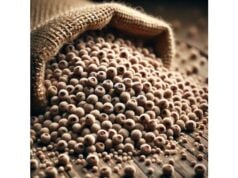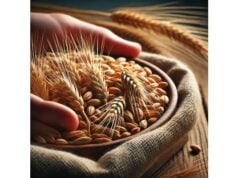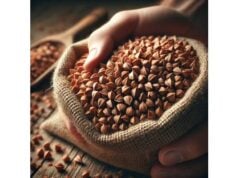
Triticale is a modern cereal created by crossing wheat and rye to capture the strengths of both grains. It delivers steady energy from complex carbohydrates, meaningful fiber, and a robust protein profile with more lysine than wheat. In the kitchen, triticale shows up as whole berries, cracked grain, flakes, and whole-grain flour—excellent for hearty breads, hot cereals, pilafs, and salads. Farmers value it because it tolerates poor soils and drought better than many cereals, making it a resilient choice in sustainable rotations. For eaters, that resilience translates into a versatile staple with a mild, nutty flavor and pleasing chew. Because triticale is a gluten-containing grain, it behaves predictably in baking (especially sourdough) and pairs well with high-moisture methods such as simmering and pressure cooking. Below, you’ll find its full nutrition profile (per 100 g), evidence-based benefits and risks, and practical guidance on buying, storing, and cooking triticale so you get the most nutrition—and enjoyment—out of every serving.
Key Takeaways
- Whole-grain triticale provides steady carbohydrates, ~13 g protein, and ~15 g fiber per 100 g.
- Sourdough fermentation and sprouting improve mineral bioavailability and dough performance.
- Typical serving: 45–60 g dry grain (½–¾ cup cooked), enjoyed several times per week as part of a varied diet.
- Safety note: triticale contains gluten and is not appropriate for celiac disease or wheat/rye allergy.
- People with celiac disease, non-celiac gluten sensitivity, or low-FODMAP restrictions should limit or avoid triticale.
Table of Contents
- Triticale: Detailed Overview
- Triticale Nutrition Profile (per 100 g)
- Evidence-Backed Health Benefits
- Risks, Allergies and Interactions
- Selecting Quality, Sustainability and Storage
- Preparation, Cooking and Nutrient Retention
- Portions, Comparisons and FAQs
Triticale: Detailed Overview
Triticale (× Triticosecale) is the first successful human-made cereal, born from crossing wheat (Triticum) and rye (Secale). The goal: combine wheat’s grain quality and baking functionality with rye’s stress tolerance and robust root system. The result is a hardy cereal that thrives in marginal soils, endures cold and drought better than many wheats, and yields well with fewer inputs—attributes that appeal to both growers and environmentally conscious consumers.
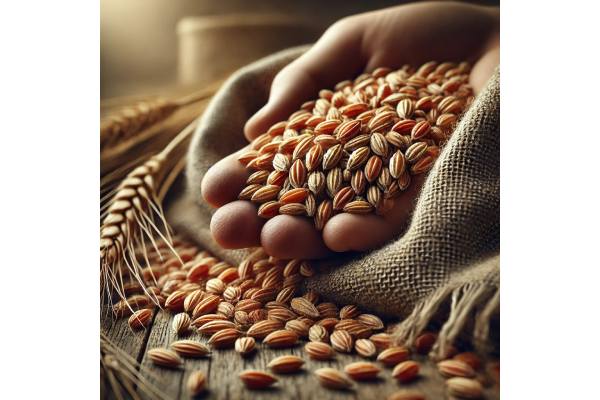
From a culinary standpoint, triticale tastes mildly nutty and slightly sweet, with a texture that sits between wheat berries and rye. The grain is sold as:
- Whole berries (for simmering or pressure cooking),
- Cracked grain (for hot cereal or pilaf),
- Flakes (for muesli or granola),
- Whole-grain flour (for breads, crackers, pancakes, and noodles).
Because triticale contains gluten, it can be used in yeast-leavened breads. That said, its gluten network is typically weaker than bread wheat. Bakers often blend triticale flour with bread wheat flour (for example 20–60% triticale) or prepare sourdoughs, which naturally strengthen dough structure while improving flavor and mineral availability. In quick breads, pancakes, and cookies, triticale flour can often replace wheat flour 1:1, lending tenderness and a rustic aroma.
Nutritionally, whole-grain triticale delivers slow-release carbohydrates, a notable ~13 g protein per 100 g, and generous ~15 g fiber, typically rich in arabinoxylans—hemicelluloses associated with gut health and improved post-meal glucose responses. It also supplies phosphorus, magnesium, manganese, and potassium, plus B vitamins such as thiamin (B1) and niacin (B3). Phytochemicals—especially ferulic and p-coumaric acids in the bran—add antioxidant capacity that survives many home-cooking methods.
Outside the kitchen, triticale supports sustainable systems: it covers soils in winter, competes well with weeds, and offers flexible harvest windows for dual-purpose forage and grain. These agronomic advantages support more resilient rotations and can reduce pressure on irrigation and fertilizers. In short, triticale is a practical, nutritious, and climate-savvy staple that deserves a place alongside wheat, oats, and barley in everyday cooking.
Triticale Nutrition Profile (per 100 g)
How to read this section: Values below reflect whole-grain triticale (uncooked) per 100 g. %DV uses current reference Daily Values for adults. Actual composition varies by variety, soil, and processing (berries vs flour vs flakes). For fortified products, check the label.
Macros and Electrolytes
| Nutrient | Amount (per 100 g) | %DV |
|---|---|---|
| Energy | 336 kcal | — |
| Carbohydrate | 72.0 g | 26% |
| Dietary fiber | 14.6 g | 52% |
| Total sugars | 1.1 g | — |
| Starch | 56.0 g | — |
| Protein | 13.1 g | 26% |
| Total fat | 2.2 g | 3% |
| Saturated fat | 0.4 g | 2% |
| Sodium | 5 mg | 0% |
| Potassium | 466 mg | 10% |
Fats and Fatty Acids
| Nutrient | Amount | %DV |
|---|---|---|
| Monounsaturated fat | 0.3 g | — |
| Polyunsaturated fat | 1.0 g | — |
| Omega-3 (ALA) | 0.05 g | — |
| Omega-6 (LA) | 0.90 g | — |
| Cholesterol | 0 mg | 0% |
Vitamins
| Vitamin | Amount | %DV |
|---|---|---|
| Thiamin (B1) | 0.40 mg | 33% |
| Riboflavin (B2) | 0.15 mg | 12% |
| Niacin (B3) | 5.0 mg | 31% |
| Vitamin B6 | 0.40 mg | 24% |
| Folate (DFE) | 45 µg | 11% |
| Vitamin E (alpha-tocopherol) | 1.0 mg | 7% |
| Vitamin K | 3 µg | 3% |
Minerals
| Mineral | Amount | %DV |
|---|---|---|
| Calcium | 35 mg | 3% |
| Iron | 2.6 mg | 14% |
| Magnesium | 120 mg | 29% |
| Phosphorus | 321 mg | 26% |
| Zinc | 2.5 mg | 23% |
| Copper | 0.40 mg | 44% |
| Manganese | 2.2 mg | 96% |
| Selenium | 35 µg | 64% |
Bioactives / Phytonutrients (qualitative)
- Phenolic acids concentrated in the bran: ferulic, p-coumaric, vanillic, caffeic, chlorogenic, 4-hydroxybenzoic.
- Non-starch polysaccharides (arabinoxylans) that increase viscosity in the gut and may support healthy post-meal glycemia.
- Pigments and minor antioxidants vary by cultivar and growing conditions.
Allergens and Anti-nutrients
- Gluten: present (hybrid of wheat and rye).
- Phytates: naturally occurring; fermentation (sourdough), sprouting, and soaking can reduce phytic acid and improve mineral absorption.
Footnote: %DV based on adult Daily Values (carb 275 g, fiber 28 g, fat 78 g, saturated fat 20 g, protein 50 g, sodium 2300 mg, potassium 4700 mg, calcium 1300 mg, iron 18 mg, magnesium 420 mg, phosphorus 1250 mg, zinc 11 mg, copper 0.9 mg, manganese 2.3 mg, selenium 55 µg; key B-vitamins as per current labeling DVs). Non-fortified values shown unless otherwise noted.
Evidence-Backed Health Benefits
Steady energy and better satiety
Triticale is primarily complex carbohydrate with a meaningful fiber load—dominated by arabinoxylans—that slows digestion and helps stabilize post-meal blood glucose. The combination of ~26% DV protein and ~52% DV fiber per 100 g supports satiety, which can aid weight-management strategies when triticale replaces refined grains.
Support for digestive health
The grain’s insoluble fibers add bulk and promote regularity, while viscous hemicelluloses contribute to softer stools and improved transit time. In fermented breads and porridges, these fibers interact with lactic acid bacteria, often improving texture and tolerability. People who don’t tolerate bran well can start with cracked or flaked triticale or longer-cooked porridges.
Mineral density with good bioavailability when prepared well
Triticale reliably supplies magnesium, phosphorus, manganese, zinc, and iron. While phytates can bind minerals, traditional techniques—sourdough fermentation, sprouting for 12–24 hours, soaking with a preferment, or long cold fermentation—activate phytases that break down phytic acid, improving uptake of iron and zinc. Pairing triticale with vitamin C–rich foods (citrus, peppers, tomatoes) further increases non-heme iron absorption at a meal.
Cardiometabolic support through fiber and phenolics
Whole-grain patterns that include high-fiber cereals are linked with lower risk of coronary disease and type 2 diabetes. In triticale, bran-bound ferulic and p-coumaric acids contribute antioxidant activity. Sourdough and high-hydration doughs help retain these compounds, and germination can increase free phenolics. In practical terms, swapping refined wheat with whole-grain triticale products may modestly improve LDL-C, fasting glucose, and inflammatory markers as part of an overall dietary pattern rich in pulses, vegetables, and nuts.
Performance in baking with room for creativity
Because triticale’s gluten network is weaker than bread wheat’s, whole-grain triticale does best in sourdough breads and high-hydration doughs or when combined with bread flour (for example, 20–60% triticale). These methods have been shown to deliver good loaf volumes and attractive crust/crumb color while maintaining nutrient density. At home, you can also lean on triticale for pancakes, muffins, chapatis, tortillas, crackers, and hand-formed flatbreads.
Potential for lower agricultural inputs
On the farm, triticale’s vigor and disease tolerance can mean fewer passes of fertilizer and pesticides in suitable environments, and its winter growth protects soil between cash crops. While impacts vary widely by location, including triticale in rotations can diversify production and support soil structure—indirect benefits that consumers encourage whenever they buy from growers who raise resilient cereals.
Bottom line: as a whole grain, triticale stacks well for energy, fiber, and minerals. Its benefits are most pronounced when you choose minimally processed forms (berries, cracked grain, whole-grain flour) and use preparation methods that enhance mineral availability.
Risks, Allergies and Interactions
Gluten, wheat/rye allergy, and celiac disease
Triticale is a cross between wheat and rye and contains gluten. It is not appropriate for people with celiac disease, wheat allergy, or non-celiac gluten sensitivity. Regulations also classify crossbred hybrids like triticale alongside wheat/rye/barley as gluten-containing grains; foods made with triticale must not be labeled “gluten-free.” If you’re hosting someone with celiac disease, choose naturally gluten-free grains (e.g., rice, buckwheat, millet, quinoa) prepared with strict cross-contact controls.
FODMAPs and digestive comfort
Like other gluten-containing cereals, triticale can be high in fructans (a FODMAP). During the elimination phase of a low-FODMAP diet for IBS, triticale is generally avoided. Long sourdough fermentation may reduce fructans somewhat, but tolerance is individual—introduce small portions only with guidance if you’re sensitive.
Mycotoxins and ergot alkaloids
Cereals, especially rye and rye-like grains, can be susceptible to ergot. Modern sorting, cleaning, and milling substantially reduce risk, and the EU maintains maximum levels for the sum of ergot alkaloids in cereals and milling products. Buy from reputable mills and discard any grain containing dark, horn-shaped sclerotia fragments. At home, rinse whole berries and skim off floating debris before cooking.
Medication and nutrient considerations
- Iron and zinc absorption improves when triticale is paired with vitamin C–rich foods and prepared via sourdough or sprouting.
- Warfarin and vitamin K: triticale’s vitamin K is low; routine portions rarely require dose adjustments, but keep intake consistent and follow clinician guidance.
- Blood sugar management: whole-grain triticale has a moderate glycemic impact; pair with protein, fat, and vegetables to smooth post-meal glucose.
Food safety
Treat triticale like other whole grains: store dry, cool, and airtight. Cooked triticale should be cooled quickly and refrigerated within two hours; use within 3–4 days or freeze for 1–3 months. Reheat to steaming (≥74 °C/165 °F) before serving.
Who should avoid triticale?
- Anyone with celiac disease, wheat/rye allergy, or medically advised gluten avoidance.
- Individuals in a low-FODMAP elimination phase.
- People instructed by a clinician to avoid cereal ergot exposure (rare; primarily a supply-chain issue).
Selecting Quality, Sustainability and Storage
What to buy
- Whole berries: Look for uniform, plump kernels without cracked hulls, insect fragments, or off odors. Color ranges from pale tan to deeper brown depending on variety and growing conditions.
- Cracked grain and flakes: Choose freshly milled/freshly rolled products from mills with clear roast/roll dates; these forms go rancid more quickly due to exposed oils.
- Whole-grain flour: Prefer stone-ground or roller-milled whole-grain triticale with a visible milling date. If a date is missing, buy from outlets with quick turnover. For strong yeasted loaves, blend with bread flour or use sourdough.
Quality cues
- Sweet, nutty aroma; no mustiness.
- Clean kernel surfaces; no dark, horn-like ergot fragments.
- For flour: slightly coarse feel with visible bran flecks; light, natural color (no gray cast or stale odor).
Sustainability snapshot
- Adapted to low-input systems: Triticale’s root vigor and disease tolerance can reduce fertilizer and pesticide dependence in suitable regions.
- Soil stewardship: As a winter cereal or cover crop, it protects soil, suppresses weeds, and scavenges residual nitrogen, reducing runoff.
- Water: Often more drought-tolerant than bread wheat, supporting production in semi-arid zones.
- Biodiversity: Diversifies rotations—good for pest breaks and resilience.
Storage guidance
- Whole berries: Airtight container in a cool, dark pantry for up to 6 months; refrigerated for 9–12 months; frozen up to 18 months.
- Cracked grain/flakes: Pantry 2–3 months; refrigerate/freeze for longer.
- Whole-grain flour: Pantry 1–2 months; refrigerate 4–6 months; freeze 6–12 months.
- Keep products away from heat and light; use moisture absorbers if you live in a humid climate. Always label containers with the purchase or milling date.
Smart shopping tips
- If you plan to bake often, buy small bags and store extra flour in the freezer.
- Ask local mills or co-ops about sprouted triticale flour—it tastes sweeter and may improve mineral bioavailability.
- For bulk purchases, sample small first; flavor and performance vary by cultivar and milling style.
Preparation, Cooking and Nutrient Retention
Whole berries (basic simmer)
- Rinse 1 cup (about 180 g) triticale berries; skim off any floating debris.
- Combine with 3 cups water and a pinch of salt.
- Bring to a boil, then simmer 45–55 minutes, until chewy-tender.
- Rest covered 5 minutes; drain excess water.
Pressure cooker: 1 cup berries + 2¼ cups water, 20–25 minutes at high pressure, natural release.
Cracked grain or flakes
- Cracked grain porridge: 1 part grain : 2½–3 parts water, simmer 20–25 minutes.
- Flakes: 1 part flakes : 2–2½ parts water, simmer 8–12 minutes or soak overnight for no-cook muesli.
Flavor builders
- Toast dry berries or cracked grain in a skillet until fragrant before simmering.
- Cook in stock, tea, or with aromatics (bay, garlic, ginger).
- Finish with olive oil or yogurt and acids (lemon, vinegar) to brighten flavor.
Baking with triticale flour
- For yeasted breads, start with 20–40% triticale in place of bread wheat flour; increase hydration by 2–5%.
- For sourdough, long, cool fermentation (12–24 hours) improves dough strength and mineral availability.
- In quick breads, pancakes, muffins, tortillas, and crackers, 1:1 substitution often works; expect a slightly more tender crumb and richer browning.
Techniques that improve nutrition
- Sourdough fermentation: Lowers pH and activates phytases, reducing phytic acid and improving iron and zinc absorption; also moderates fructans for some people.
- Sprouting (germination 12–24 h): Increases free amino acids and certain vitamins, softens texture, and shortens cooking time.
- Soaking and preferments: Even an overnight soak with a spoonful of starter or yogurt can kick-start phytate breakdown.
- High-hydration cooking: Cooking in extra water and draining can slightly reduce soluble oligosaccharides; pressure cooking preserves time and energy.
Retention tips
- Keep bran in the recipe when possible; many phenolics and minerals reside there.
- Avoid over-toasting flours and flakes; long, high heat darkens flavor but can degrade some sensitive compounds.
- For salads and bowls, cook ahead and chill berries quickly to control microbes, then reheat gently or dress cold.
Fast meal ideas
- Warm triticale bowl with sautéed mushrooms, spinach, and soft-boiled egg.
- Tabbouleh-style salad using cooled berries, parsley, cucumber, tomato, lemon, and olive oil.
- Sourdough triticale pancakes topped with yogurt and berries.
- Rustic flatbread: triticale flour, water, salt, olive oil—griddle until blistered.
Portions, Comparisons and FAQs
How much triticale counts as a serving?
- Side dish: 45 g dry (about ½ cup cooked).
- Main-dish base or athlete portion: 60–75 g dry (about ¾–1 cup cooked).
Enjoy triticale several times per week as part of a whole-grain pattern that also includes oats, brown rice, barley, and millet.
How does triticale compare to other grains?
- Versus wheat: Similar calories and protein, but triticale often brings slightly more lysine, more magnesium and manganese, and higher arabinoxylan content. Gluten is weaker, so loaves benefit from sourdough or blending.
- Versus rye: Flavor is milder and less assertive than rye; texture is chewier. Nutrient profiles overlap, though rye typically has even more fiber per 100 g.
- Versus oats: Oats provide beta-glucans and more fat; triticale provides higher non-starch polysaccharides and more phosphorus/manganese per 100 g.
- Versus rice: Triticale offers more protein, fiber, and minerals; it is not gluten-free.
Is triticale gluten-free?
No. Triticale is a wheat-rye hybrid and contains gluten. People with celiac disease, wheat/rye allergy, or gluten sensitivity should avoid it.
What about glycemic index?
GI varies by form and preparation. Whole berries and sourdough breads tend to have moderate GI due to fiber and organic acids. Pairing triticale with protein, fat, and vegetables keeps post-meal glucose steadier.
Can I use 100% triticale flour in bread?
Yes, particularly with sourdough and high hydration. Expect a denser crumb than bread wheat. Many bakers prefer 40–80% triticale for balance between nutrition, flavor, and structure.
Is triticale safe during pregnancy?
Yes for most people, when cooked and handled properly. It contains gluten, so it’s not suitable if you must avoid gluten. As always, follow your clinician’s advice.
Tips for athletes
Cook a big batch of berries on rest day, portion and freeze. Combine with legumes (lentils, chickpeas) and vegetables for complete meals rich in carbs, fiber, and minerals that support training and recovery.
Pet safety
Small amounts of plain, cooked triticale are typically safe for healthy dogs; avoid any dough (yeast-raised raw dough can be dangerous) and seasonings like onion, garlic, or excessive salt.
References
- FoodData Central — 2025.
- Questions and Answers on the Gluten-Free Food Labeling Final Rule | FDA — 2022 (Guidance).
- Commission Regulation (EU) 2023/915 of 25 April 2023 on maximum levels for certain contaminants in food and repealing Regulation (EC) No 1881/2006 — 2023 (Regulation).
- Physicochemical Properties, Polyphenol and Mineral Composition of Different Triticale Varieties Cultivated in the Republic of Moldova — 2025.
- Wholegrain triticale sourdough: Effects of triticale:Wheat flour ratio and hydration level on bread quality – PubMed — 2024.
Disclaimer
This article is for general education and is not a substitute for personalized medical advice, diagnosis, or treatment. If you have celiac disease, food allergies, digestive disorders, diabetes, or other health conditions—or if you are pregnant or breastfeeding—consult a qualified healthcare professional for guidance tailored to your needs.
If you found this guide helpful, please consider sharing it with friends or on your favorite platforms like Facebook or X. Your support helps us continue creating clear, evidence-based nutrition resources.