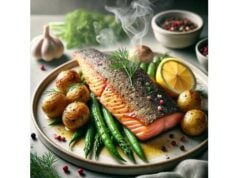
Tuna covers a family of fast, migratory fish—skipjack, albacore, yellowfin, bigeye, and bluefin—valued for clean flavor, meaty texture, and year-round availability as steaks, sashimi, and canned fillets. Its appeal is practical as well as culinary: tuna is a compact source of complete protein with long-chain omega-3 fats, especially EPA and DHA, and a naturally high selenium content. Versatility is another edge—tuna takes well to quick searing, grilling, oil-poaching, and salads. Health-wise, the picture is nuanced: omega-3s support heart health, while methylmercury exposure varies by species and serving size. Canned light tuna (mostly skipjack) is usually lower in mercury than albacore, and “no-salt-added” options help keep sodium in check. This guide brings together everything most readers look for—clear nutrient numbers per 100 g, evidence-based benefits, risk and allergy context, and practical advice for buying, storing, cooking, and portion planning so you can enjoy tuna with confidence and good taste.
Key Takeaways
- High-protein seafood (≈23–26 g per 100 g) with meaningful omega-3s and selenium (often 40–80 µg per 100 g).
- Typical cooked serving: 4–6 oz (113–170 g), 1–2 times weekly within a varied seafood plan.
- Mercury varies: canned light (skipjack) lower on average; albacore, bigeye, and bluefin trend higher—match frequency to species.
- People who are pregnant, breastfeeding, or feeding young children should choose lower-mercury tuna options and follow national fish-advice charts.
Table of Contents
- Tuna detailed overview
- Tuna nutrition profile
- Evidence-based health benefits
- Risks, allergies and interactions
- Selecting, quality, sustainability and storage
- Preparation, cooking and nutrient retention
- Portions, comparisons and FAQs
Tuna detailed overview
“Tuna” includes several species with distinct culinary and nutrition profiles:
- Skipjack (Katsuwonus pelamis): dominant in canned “light” tuna; lean, assertive flavor, usually lower mercury.
- Albacore (Thunnus alalunga): labeled “white tuna” in cans; mild taste, tender flakes, higher average mercury than skipjack.
- Yellowfin (Thunnus albacares): meaty steaks and sashimi (“ahi”); lean, clean flavor, moderate omega-3; mercury varies.
- Bigeye (Thunnus obesus): rich sashimi quality; higher fat and typically higher mercury; often best enjoyed less frequently.
- Bluefin (Thunnus thynnus and others): premium sushi; very high fat with abundant omega-3s; higher mercury and sustainability concerns.
Why cooks love tuna: It browns beautifully, resists falling apart on the grill, and tastes great with citrus, herbs, soy-ginger glazes, chiles, and olive oil. In the pantry, canned tuna is a budget-friendly protein for salads, sandwiches, pastas, and rice bowls.
Nutrition in a sentence: Tuna is high in complete protein, naturally low in carbohydrates, and—species dependent—offers long-chain omega-3 fatty acids (EPA and DHA) plus selenium. Canned versions can be high in sodium unless labeled “no-salt-added”; oil-packed cans raise calories and fat but add satiety and flavor.
Safety and sustainability in brief: Mercury risk is species- and size-dependent. Canned light tuna is generally the lowest-mercury tuna option; albacore and larger tunas trend higher. For sustainability, look for troll- or pole-caught skipjack or well-managed, verified sources for other species. As with any seafood, proper cold-chain handling preserves both quality and safety.
Tuna nutrition profile
How to read this section: Values below are per 100 g (about 3.5 oz) for typical commercial products. Natural variation is expected. %DV uses adult Daily Values (protein 50 g; total fat 78 g; saturated fat 20 g; sodium 2,300 mg; potassium 4,700 mg; phosphorus 1,250 mg; selenium 55 µg; vitamin D 20 µg; vitamin B12 2.4 µg; niacin 16 mg; vitamin B6 1.7 mg). Omega-3s have no official %DV.
A. Fresh/Raw Tuna (typical)
Yellowfin (raw), per 100 g
| Nutrient | Amount | %DV |
|---|---|---|
| Energy (kcal) | 109 | — |
| Protein (g) | 24.4 | 49% |
| Total Fat (g) | 0.5 | 1% |
| Saturated Fat (g) | 0.2 | 1% |
| Carbohydrate (g) | 0.0 | 0% |
| Sodium (mg) | 45 | 2% |
| Potassium (mg) | 440 | 9% |
| Selenium (µg) | 45 | 82% |
| Vitamin B12 (µg) | 1.0 | 42% |
| Niacin (mg) | 18 | 113% |
| Vitamin B6 (mg) | 0.9 | 53% |
| Phosphorus (mg) | 250 | 20% |
| EPA + DHA (g) | ~0.30 | — |
Bluefin (raw), per 100 g (typical sushi grade)
| Nutrient | Amount | %DV |
|---|---|---|
| Energy (kcal) | ~144 | — |
| Protein (g) | ~23.0 | 46% |
| Total Fat (g) | ~5.0 | 6% |
| Saturated Fat (g) | ~1.3 | 7% |
| EPA + DHA (g) | ~1.0–1.5 | — |
Interpretation: Yellowfin is very lean with strong B-vitamin and selenium support; bluefin is richer, offering substantially more omega-3s but at higher calorie and (often) mercury cost.
B. Canned Tuna (drained)
Light tuna in water (mostly skipjack), per 100 g
| Nutrient | Amount | %DV |
|---|---|---|
| Energy (kcal) | 116 | — |
| Protein (g) | 25.5 | 51% |
| Total Fat (g) | 0.8 | 1% |
| Saturated Fat (g) | 0.2 | 1% |
| Sodium (mg) | 250–360* | 11–16% |
| Selenium (µg) | 60–80 | 109–145% |
| EPA + DHA (g) | ~0.25–0.35 | — |
Albacore (“white”) in water, per 100 g
| Nutrient | Amount | %DV |
|---|---|---|
| Energy (kcal) | 132 | — |
| Protein (g) | 23.6 | 47% |
| Total Fat (g) | 3.2 | 4% |
| Saturated Fat (g) | 0.8 | 4% |
| Sodium (mg) | 250–360* | 11–16% |
| Selenium (µg) | 45–75 | 82–136% |
| EPA + DHA (g) | ~0.6–1.3 | — |
*Choose no-salt-added cans to reduce sodium to ≈50–100 mg per 100 g.
C. Fats & Fatty Acids (summary, per 100 g)
| Tuna type | Total Fat (g) | EPA + DHA (g) | Notes |
|---|---|---|---|
| Skipjack (canned light) | ~0.8 | 0.25–0.35 | Lower mercury on average; pantry MVP. |
| Albacore (canned white) | ~3.2 | 0.6–1.3 | Milder flavor; higher average mercury. |
| Yellowfin (raw) | ~0.5 | ~0.30 | Lean steaks and sashimi (“ahi”). |
| Bluefin (raw) | ~5.0 | 1.0–1.5 | Omega-3-rich; premium sushi; sustainability concerns. |
D. Protein & Amino Acids
All tuna species supply complete, high-biological-value protein. A 170 g cooked portion typically delivers ~35–45 g protein (accounting for moisture loss), supporting muscle maintenance and satiety.
E. Vitamins & Minerals (high-value highlights, per 100 g)
- Niacin (Vitamin B3): often 50–110% DV—supports energy metabolism and skin health.
- Vitamin B6: commonly ~30–60% DV—amino acid metabolism.
- Vitamin B12: ~40–80% DV—red blood cells and nerve function (especially high in canned products).
- Selenium: frequently ≥80% DV—antioxidant selenoproteins, thyroid hormone metabolism.
- Iodine: present and variable—supports thyroid function (content depends on habitat and processing).
F. Allergens & Intolerance Markers
- Fish is a major allergen; tuna contains muscle proteins (e.g., parvalbumins) that can trigger reactions.
- Histamine (scombroid) risk arises from temperature abuse; choose reputable suppliers and discard fish with sour or “peppery” taste.
G. Contaminants/Residues (overview)
- Methylmercury: average levels lowest in skipjack (canned light), higher in albacore and large tunas (bigeye, bluefin).
- Sodium: varies widely in canned tuna; “no-salt-added” choices keep it modest.
Evidence-based health benefits
1) Heart health support from omega-3s
Long-chain omega-3 fats (EPA and DHA) are linked with favorable cardiovascular markers—triglyceride reduction, anti-arrhythmic effects in specific contexts, and beneficial impacts on plaque biology. While results from supplement trials are mixed overall, food-first omega-3 intake from fish remains a cornerstone of dietary guidance. Tuna can contribute meaningfully, especially albacore, bluefin, and some yellowfin cuts; skipjack contributes smaller amounts but helps you reach weekly seafood goals.
2) High-quality protein with meal-friendly calories
With ~23–26 g of protein per 100 g and minimal carbohydrates, tuna anchors satiating meals without excessive calories. Replacing some higher-fat meats with tuna can reduce saturated fat and raise omega-3 intake, useful for weight management and metabolic health.
3) Selenium and B-vitamins—quiet strengths
Tuna often provides 80–140% DV for selenium per 100 g, supporting antioxidant defenses and thyroid hormone activation. Niacin and vitamin B6 commonly reach 30–110% DV combined, assisting energy metabolism and neurotransmitter synthesis. Canned tuna is a particularly reliable source of vitamin B12.
4) Practical adherence advantages
Affordability and convenience matter. Canned tuna enables quick, shelf-stable meals that travel well, helping busy people regularly include seafood. Versatility—salads, melts, rice bowls, pasta, stuffed vegetables—keeps variety high, which improves long-term adherence to healthy eating patterns.
5) Brain and eye nutrition context
DHA is a key structural fat in neural and retinal tissues. Tuna’s DHA contribution varies by species; bluefin and albacore can be substantial, skipjack more modest. Pairing tuna with other high-omega-3 fish (salmon, sardines) during the week increases the total DHA supply without reliance on supplements.
Bottom line: Tuna supplies a potent mix of complete protein, selenium, and long-chain omega-3s in formats that fit real life—from quick pantry meals to restaurant-quality steaks. Species choice and portion planning let you capture benefits while managing mercury exposure.
Risks, allergies and interactions
Mercury: match species and frequency
- Lower on average: canned light (skipjack)—a practical default for frequent tuna eaters.
- Higher on average: albacore (white), bigeye, bluefin—enjoy less often and adjust portion size.
- Practical guardrails: Within an 8–12 oz (225–340 g) weekly seafood plan, favor lower-mercury species. If you include albacore or large tunas, do so less often and rotate with salmon, sardines, trout, pollock, or shrimp.
Allergy and histamine
- Fish allergy can be severe. If you have a diagnosed fish allergy, avoid tuna unless cleared by an allergist.
- Scombroid poisoning results from high histamine in poorly chilled fish; it causes flushing, headache, and GI upset. Prevention is strict cold-chain control; cooking does not remove histamine.
Sodium and additives in canned tuna
- Regular canned tuna can deliver 250–360 mg sodium per 100 g (or more). Choose no-salt-added for control. Oil-packed tuna raises calories; look for high-quality oils if you prefer that style.
Medication and condition considerations
- Anticoagulants/antiplatelets: Food-level omega-3 intake from tuna is usually not a bleeding-risk issue, but coordinate with your clinician if you also use high-dose omega-3 prescriptions.
- Thyroid disease: Maintain consistent iodine intake; tuna contributes variably.
- Kidney disease: Tuna provides phosphorus and potassium; plan portions with your renal dietitian.
- Pregnancy and young children: Emphasize lower-mercury tuna (canned light), stay within national guidance on servings, and diversify seafood choices.
Food safety
- Keep raw fish at ≤4 °C (≤40 °F) and cook to 63 °C (145 °F) internal temperature for general safety, unless using validated sushi-grade handling and freezing protocols.
- Buy sashimi-grade tuna from trusted sources; consume promptly after opening.
Selecting, quality, sustainability and storage
Selecting top-quality tuna
- Fresh steaks/loins: Look for moist, translucent flesh with fine grain; avoid browning and dry edges. Minimal odor (“ocean-fresh,” not fishy).
- Color cues: Yellowfin ranges from pink-red to deep red; bluefin is deeper red with visible marbling. Color alone is not quality—handling and smell matter more.
- Canned: For lower sodium, choose “no-salt-added.” Decide between water-packed (leaner) and oil-packed (richer mouthfeel). Chunk light (skipjack) has smaller flakes and stronger flavor; solid/white (albacore) is milder with larger flakes.
Sustainability tips
- Favor troll-caught or pole-and-line skipjack and well-managed yellowfin sources.
- Be cautious with bluefin due to conservation status in many regions; if you buy it, seek verified, responsibly managed sources.
- Mixed-method fisheries vary—ask retailers about catch method and origin.
Storage and shelf life
- Fresh tuna: Use within 1–2 days of purchase; store on ice in the coldest fridge zone.
- Frozen tuna: Keep at ≤−18 °C (0 °F); use within 2–3 months for best texture. Thaw overnight in the refrigerator.
- Canned/pouched: Shelf-stable until the “best by” date; once opened, refrigerate and consume within 1–2 days.
- Leftovers: Chill quickly. Cooked tuna keeps up to 3 days in the fridge.
Waste-minimizing moves
- Buy appropriate pack sizes (single-serve pouches reduce waste).
- Turn leftover steaks into niçoise salads, tuna-and-bean bowls, or fish cakes.
- If buying large loins, portion and freeze individually to preserve quality.
Preparation, cooking and nutrient retention
General strategy: Tuna is lean (except for bluefin), so many cooks aim for a seared exterior and rosy center to preserve moisture—especially for yellowfin and bigeye. Overcooking can make lean tuna dry and crumbly.
Core techniques
- Pat dry and season simply. Salt 20–30 minutes ahead for even seasoning; pepper and aromatics just before cooking.
- High-heat sear, brief cook. Sear 45–90 seconds per side for 2.5–3 cm (1–1¼ in) steaks; rest 2–3 minutes.
- Grill management. Oil grates, preheat well, and avoid moving fish too early; finish over medium heat if cooking through.
- Oil-poach for tenderness. Submerge in olive oil at 52–60 °C (125–140 °F) until just opaque—silky texture, excellent for salads.
- Smart sauces. Use citrus-herb salsas, caper-lemon butter, soy-ginger glaze, or harissa-yogurt to add moisture and flavor.
Canned tuna playbook
- Bright salads: Toss with white beans, cherry tomatoes, red onion, parsley, lemon, and olive oil.
- Fast pasta: Garlic-chile oil, capers, lemon zest, flakes of tuna, and toasted crumbs.
- Protein upgrades: Mix into grain bowls, stuffed peppers, or egg bakes.
Nutrient-retention tips
- Keep cooking short to preserve B-vitamins.
- Moist-heat or oil-poaching protects delicate fats better than prolonged high, dry heat.
- Pair tuna with potassium-rich and high-fiber sides (leafy greens, beans, whole grains) to round out the plate.
- For canned tuna, choose no-salt-added if you manage blood pressure.
Food safety temperatures
- Cook to 63 °C (145 °F) for general safety, or follow strict raw/undercooked protocols (validated freezing and handling) for sushi or seared-rare service.
Portions, comparisons and FAQs
Portion guidance
- Standard adult portion: 4–6 oz (113–170 g) cooked tuna as a meal centerpiece.
- Weekly frequency: Include tuna 1–2 times per week within a varied seafood plan totaling 8–12 oz (225–340 g) weekly, with species rotation to manage mercury exposure and maximize nutrient diversity.
How tuna compares (per 100 g, typical)
| Feature | Skipjack (canned light) | Albacore (canned white) | Yellowfin (raw) | Salmon (Atlantic, raw) |
|---|---|---|---|---|
| Energy (kcal) | 116 | 132 | 109 | ~208 |
| Protein (g) | 25.5 | 23.6 | 24.4 | ~20 |
| Total Fat (g) | 0.8 | 3.2 | 0.5 | ~13 |
| EPA + DHA (g) | 0.25–0.35 | 0.6–1.3 | ~0.30 | ~1.8 |
| Mercury tendency | Lower | Higher | Moderate | Low–moderate |
| Best uses | Salads, sandwiches | Salads, melts | Sear, grill, sashimi | Roast, pan-sear, poach |
FAQs
Is tuna a “white fish”?
No. Tuna is a red-fleshed fish due to myoglobin, though albacore’s cooked color can appear white.
Which tuna is lowest in mercury?
Canned light (skipjack) is generally lowest among tuna options and is a sensible default for frequent tuna meals.
Water-packed or oil-packed—what is healthier?
Water-packed is leaner and lower calorie; oil-packed offers richer flavor and better satiety. Drain oil-packed well if managing calories, or use the infused oil for dressing to avoid waste.
How can I keep seared tuna moist?
Start with thicker steaks, high heat for a quick sear, rest briefly, and slice across the grain. Sauces or a finishing oil help.
Can children eat tuna?
Yes—with attention to species and servings. Favor canned light for family meals and follow national guidance on frequency for young children.
What about sustainable choices?
Look for troll- or pole-and-line skipjack and transparent sourcing. Ask retailers about catch method and origin.
References
- Advice about Eating Fish 2024 (Guideline)
- Effect of omega-3 fatty acids on cardiovascular outcomes: A systematic review and meta-analysis 2021 (Systematic Review)
- Fish consumption in multiple health outcomes: an umbrella review of meta-analyses of observational and clinical studies 2023 (Systematic Review)
- Dietary Guidelines for Americans, 2020–2025 2020 (Guideline)
Disclaimer
This article provides general information and is not a substitute for personalized medical advice, diagnosis, or treatment. Seafood choices should reflect your health status, medications, and life stage. If you are pregnant or breastfeeding, managing cardiovascular or kidney disease, taking anticoagulants, or have food allergies, consult a qualified healthcare professional for individualized guidance. If you suspect a food-borne illness or allergic reaction, seek urgent care.
If this guide was helpful, please consider sharing it on Facebook, X (formerly Twitter), or any platform you prefer. Your support helps us continue creating evidence-informed nutrition resources.