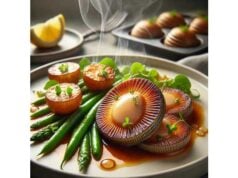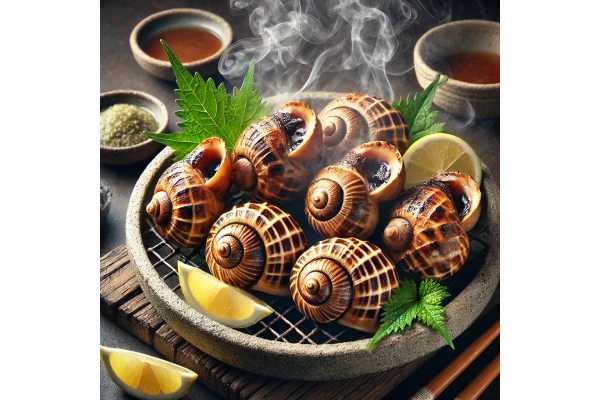
Turban shell (often sold as “sazae” in Japan; species include the horned turban, Turbo cornutus) is a meaty marine snail prized for its briny sweetness and firm, crunchy bite. It is versatile—served raw as sashimi, simmered for rice bowls, grilled in-shell (tsuboyaki), or sliced into stews and pasta. Nutritionally, turban shell is a lean, high-protein seafood with valuable minerals such as selenium, zinc, and iron, plus marine omega-3s. Beyond the familiar EPA and DHA story, turban snails are one of the few foods naturally rich in n-3 docosapentaenoic acid (DPA) and arachidonic acid (ARA), fatty acids linked to cell signaling and inflammation balance. Like all mollusks, they warrant sensible sourcing and handling because toxins from algal blooms may accumulate in their viscera and seasonal advisories can apply. This guide brings together the benefits, detailed nutrition, safe selection and prep, sustainability pointers, and smart portion advice so you can enjoy turban shell with knowledge and confidence.
Fast Facts
- High-protein, low-fat mollusk with meaningful selenium (≈50–60 µg/100 g) and iron (≈5 mg/100 g).
- Provides marine omega-3s including DPA; flavor holds up to grilling, simmering, and sashimi.
- All mollusks can trigger allergy; toxins from algal blooms may concentrate in viscera—buy from monitored waters.
- Typical serving: 85–100 g cooked meat, 1–2 times per week, as part of varied seafood intake.
- People with shellfish allergy, gout flares, or those following local biotoxin advisories should limit or avoid.
Table of Contents
- Turban shell: detailed overview
- Turban shell nutrition profile
- Evidence-based benefits of turban shell
- Risks, allergies and interactions
- Selecting, quality, sustainability and storage
- Preparation, cooking and nutrient retention
- Portions, comparisons and FAQs
Turban shell: detailed overview
Turban shells are marine gastropods in the family Turbinidae. In East Asia, the horned turban (Turbo cornutus) is widely harvested and marketed as “sazae.” The animal’s thick, spiraled shell protects a muscular foot (the edible “meat”) and an operculum “lid.” Culinary traditions emphasize its briny aroma and resilient texture: quick grilling in its own shell concentrates savory juices; slow simmering tenderizes slices for rice, noodles, or stews; and very fresh specimens may be served as sashimi. The flavor sits between abalone and conch—firm, slightly sweet, and oceanic.
From a nutrition perspective, turban shell is a lean source of complete protein, delivering essential amino acids while remaining low in total fat. Unlike many fish, turban snail lipids are notable for relatively high arachidonic acid (ARA) and n-3 docosapentaenoic acid (DPA) in addition to EPA; DHA can be present but comparatively lower. The mineral profile often includes meaningful selenium, zinc, iron, and calcium. Sodium varies with habitat and processing (e.g., brining), so unsalted, fresh product is preferable if you monitor sodium.
Sourcing and safety deserve attention. As herbivorous grazers, turban shells can accumulate algal biotoxins (notably saxitoxin group) in their viscera during harmful algal blooms. These toxins are heat-stable, so proper monitoring—not cooking—ensures safety. Purchase from reputable suppliers who follow local testing and harvest closures. If you are new to turban shell, start with cooked preparations, which are more forgiving in texture and flavor, and learn to remove the bitter viscera before serving unless a recipe specifically uses it and the source is verifiably safe.
Culturally, turban shell is a seasonal delicacy in Japan and Korea, where coastal communities champion nose-to-tail use—from grilled in-shell presentations to stocks made with the shells themselves. Its culinary flexibility, nutrient density, and low environmental footprint (when responsibly harvested) make it a compelling choice for adventurous eaters seeking sustainable seafood diversity.
Turban shell nutrition profile
Serving basis used below: raw, edible meat, per 100 g. Percent Daily Values (%DV) use adult reference intakes: protein 50 g; total fat 78 g; carbohydrates 275 g; calcium 1,300 mg; iron 18 mg; zinc 11 mg; selenium 55 µg; iodine 150 µg; sodium 2,300 mg; potassium 4,700 mg. Omega-3 fatty acids do not have an established DV.
Macros and key electrolytes (per 100 g)
| Nutrient | Amount | %DV |
|---|---|---|
| Energy | ~89 kcal | — |
| Protein | 15.9 g | 32% |
| Total Fat | ~0.4–1.0 g | 1% |
| Carbohydrate | ~1 g | 0% |
| Sodium | ~200–300 mg* | 9–13% |
| Potassium | ~200–300 mg* | 4–6% |
*Natural variation by habitat and processing; choose unsalted, fresh product to limit sodium.
Fats and fatty acids
| Component | Amount | Notes |
|---|---|---|
| Total omega-3 (EPA+DPA+DHA) | ~0.33 g | DPA is prominent; DHA may be relatively low. |
| EPA (20:5n-3) | present | Variable by season/location. |
| DPA (22:5n-3) | present | Notable in turban snails. |
| DHA (22:6n-3) | low–present | Lower than EPA/DPA in some analyses. |
| Arachidonic acid (20:4n-6) | present | Relatively high for a seafood. |
Vitamins
| Vitamin | Amount | %DV |
|---|---|---|
| Vitamin B12 (Cobalamin) | ~1.2–1.5 µg | 50–63% |
| Vitamin E (Alpha-tocopherol) | small amounts | — |
| Folate | small amounts | — |
Minerals
| Mineral | Amount | %DV |
|---|---|---|
| Selenium | ~58 µg | 105% |
| Zinc | ~2.0 mg | 18% |
| Iron | ~4.8 mg | 27% |
| Calcium | ~126 mg | 10% |
| Iodine | often present (varies) | commonly contributes toward DV |
Allergens and intolerance markers
- Contains mollusk proteins including tropomyosin and arginine kinase—common allergens in shellfish.
- Naturally gluten-free; carbohydrate content is minimal.
- Purines: gastropods are generally low-to-moderate in purines compared with small oily fish; individuals with gout should still moderate portions and overall daily purine load.
Contaminants/residues
- Biotoxins: saxitoxin family may accumulate in viscera during algal blooms; heat does not destroy these toxins.
- Metals: studies on turban species report zinc, selenium, and iron as nutrients; toxic metals typically below food safety limits in monitored harvests.
Values reflect commonly reported ranges for Turbo species including T. cornutus; expect natural variation by species, season, and site. Where an official DV exists, %DV is shown.
Evidence-based benefits of turban shell
1) High-quality protein with essential amino acids
Turban shell provides ~16 g of protein per 100 g, delivering essential amino acids for muscle repair, enzymes, and satiety with very little saturated fat. For those reducing red meat, it offers a lean, marine alternative that supports daily protein targets without excessive calories.
2) Meaningful selenium, iron, and zinc
Selenium (~58 µg/100 g) supports antioxidant selenoproteins and thyroid hormone metabolism. Iron (~4–5 mg/100 g) helps maintain hemoglobin and oxygen transport, especially relevant to higher needs in premenopausal women or endurance athletes. Zinc (~2 mg/100 g) participates in immune function and wound healing. Together, these minerals make turban shell an efficient “micronutrient-dense” option within modest portions.
3) Beneficial marine fatty acids—beyond EPA and DHA
Turban snails carry EPA and, notably, n-3 DPA (docosapentaenoic acid), a less-discussed long-chain omega-3 implicated in cardiometabolic and vascular health in observational research. Unlike many finfish, these snails may have comparatively low DHA but relatively higher ARA and DPA. ARA is a precursor for eicosanoids involved in immunity and tissue repair; balance with n-3 fats is key. This unusual profile (EPA + DPA + ARA) can diversify fatty acid intake across a weekly seafood pattern.
4) Low carbohydrate, low total fat
For carbohydrate-restricted meal plans or lower-fat diets, turban shell fits easily: very low carbs (~1 g/100 g) and low total fat (~0.4–1.0 g/100 g). That makes sauces, oils, or starchy sides the main levers for caloric control.
5) Culinary versatility enhances adherence
Nutrition works best when food is enjoyable. Turban shell tolerates high-heat grilling for charred, smoky notes, quick stir-fries for crisp-tender texture, and slow simmering for tenderness—variety that encourages regular seafood intake.
6) Potential bioactives in viscera (producer uses apply)
Research into extracts from turban shell viscera describes antioxidant activity and bioactive peptides in experimental systems. While these findings are preliminary and not a basis for clinical claims, they support whole-animal utilization in food systems and valorization of by-products when safety is confirmed.
Bottom line: lean protein + key minerals + a distinctive long-chain fatty acid mix make turban shell a worthy addition to a balanced seafood rotation—provided it is sourced from monitored waters and prepared safely.
Risks, allergies and interactions
Allergy:
Mollusks (clams, scallops, squid, snails) can trigger IgE-mediated reactions. Tropomyosin is the primary shellfish allergen, with arginine kinase and other muscle proteins also implicated. Cross-reactivity within shellfish groups is common. Symptoms range from oral itching and hives to anaphylaxis. People with a known shellfish allergy should avoid turban shell unless an allergist confirms tolerance.
Biotoxins (PSP):
Turban shells can bioaccumulate saxitoxin-group toxins during harmful algal blooms, particularly in their viscera (internal organs). These neurotoxins are heat-stable; cooking does not inactivate them. Reputable suppliers harvest only during open seasons under surveillance. Observe local advisories and avoid eating the viscera unless the product is certified safe.
Microbial hazards:
As with other seafood eaten raw, improper temperature control can permit bacterial growth. Purchase from sashimi-grade suppliers if consuming raw. Keep cold (≤4 °C), minimize time at room temperature, and consume promptly. When in doubt, cook thoroughly until the flesh is opaque and firm.
Metals and contaminants:
Analyses of turban species generally report essential minerals (selenium, zinc, iron) with toxic metals below regulatory limits when harvested from monitored waters. Choose trusted sources and diversify seafood choices across the week to spread exposure risk.
Gout and purines:
Gastropods tend to have lower to moderate purines compared with anchovies or sardines, but sensitive individuals should still moderate intake and consider total daily purines from all foods.
Medication and health conditions:
- Shellfish allergy: strict avoidance unless medically supervised testing indicates otherwise.
- Thyroid conditions: turban shells may contribute dietary iodine; those on thyroid medications should keep iodine intake steady and discuss major dietary changes with a clinician.
- Pregnancy: the main caution is toxin exposure—strictly follow advisories, emphasize cooked preparations unless using certified sashimi-grade products from monitored waters.
Practical safety checklist:
- Buy from suppliers who follow local biotoxin testing.
- Prefer cooking if you are new to mollusks.
- Remove and discard viscera unless a trusted recipe/source confirms safety and quality.
- Chill promptly; keep raw and cooked separate.
Selecting, quality, sustainability and storage
How to select quality turban shell
- Live, in-shell: Look for a tightly closed operculum (“lid”), clean ocean scent, and active response when handled. Shell should feel heavy for size.
- Shucked meat: Flesh should be glossy, firm, and moist with no sour or ammonia odor.
- Frozen: Choose vacuum-sealed packs from reputable processors; avoid partial thawing or ice crystals.
Sustainability notes
Turban shells are macroalgal grazers harvested by small-scale fisheries in parts of Japan and Korea. Local management often includes size limits, seasons, and closed areas tied to stock status and biotoxin risk. When possible, buy from fisheries that publish monitoring and closure practices. As a slow-moving coastal mollusk with limited bycatch, turban shell can be a lower-impact choice compared with some trawl-caught seafood, provided harvest controls are enforced.
Storage and handling
- Live, in-shell: Refrigerate covered with a damp towel on a tray (do not submerge in fresh water). Use within 24–48 hours.
- Shucked, raw: Keep at ≤4 °C; use within 24 hours or freeze promptly.
- Frozen: Store at −18 °C; thaw overnight in the refrigerator on a rack to drain.
- Leftovers: Cool quickly and refrigerate in a shallow container; eat within 1–2 days.
Seasonality and sourcing
Quality peaks vary regionally. In many coastal markets, late spring through early autumn brings steady availability. Ask sellers about harvest area and any current biotoxin advisories. For sashimi, source from suppliers specializing in raw-consumption seafood.
Red flags
- Strong “ammonia” smell, slimy texture, gaping operculum, cracked shells, or excessive shell fouling.
- Lack of harvest/lot information and no answer about biotoxin monitoring.
Preparation, cooking and nutrient retention
Cleaning and prepping (whole, live)
- Rinse under cold water; scrub the shell to remove grit.
- For grilling in-shell (tsuboyaki), place the shell upright over medium-high heat; as juices bubble, baste with a small amount of soy-mirin mixture or plain butter and aromatics.
- For slicing: briefly parboil (30–60 seconds), twist off the operculum, and extract the meat with a fork. Trim away bitter viscera unless using a recipe that calls for it and the source is verified safe. Rinse quickly to remove grit.
Texture management
- Tender-crisp: quick sear or stir-fry over high heat (30–90 seconds) after thin slicing across the grain.
- Tender: low-and-slow simmering (70–85 °C) for 45–90 minutes in a seasoned broth to soften connective tissues without over-tightening proteins.
- Raw: ultra-fresh, thinly sliced sashimi; chill well and serve with acid (yuzu, citrus) to brighten flavor.
Flavor pairings
Garlic, ginger, scallions, miso, sake, mirin, white wine, butter, lemon, parsley, shiso, and kombu stock. Its ocean-sweetness stands up to umami-rich broths and light smokiness from the grill.
Nutrient retention tips
- Minerals: simmering leaches minerals; consider using the cooking broth for rice, soups, or sauces.
- Omega-3s: avoid prolonged high-heat frying; prefer quick sautéing, grilling, or gentle poaching.
- Sodium: rely on aromatics, citrus, and herbs; salt at the end and taste first—meat and cooking liquids are naturally briny.
- Food safety: keep cold, minimize raw time at ambient temperature, and serve immediately.
Simple, scalable methods
- Grilled in shell: medium-high heat 6–10 minutes total, basting with butter-soy or olive oil-lemon; serve with crusty bread to capture juices.
- Poached then sliced: 75–80 °C court-bouillon for 30–45 minutes (depending on size); chill, slice thinly, marinate briefly in citrus and herbs, then toss with warm vegetables or pasta.
- Stir-fried: toss thin slices in hot oil with garlic and ginger for 45–60 seconds; finish with sake and a knob of butter or a splash of light soy.
Portions, comparisons and FAQs
Recommended portion and frequency
- Serving: 85–100 g cooked meat (about 3–3½ oz).
- Frequency: 1–2 times per week as part of a varied seafood pattern emphasizing different species and preparation styles.
How does turban shell compare to other seafood?
- Versus clams or mussels: similar protein, slightly different mineral emphasis; clams often deliver more vitamin B12, while turban shell commonly contributes more iron per 100 g.
- Versus abalone: texture cousins; both are lean. Turban shell is typically more affordable and has a bolder, brinier flavor.
- Versus finfish: lower fat overall, but with an unusual EPA+DPA+ARA mix; great for diversifying omega-3 sources.
Who should limit or avoid it?
- Individuals with shellfish allergy unless medically cleared.
- Those in areas with active biotoxin advisories; wait for re-opening notices.
- People with frequent gout flares should moderate portions and track daily purine intake across all foods.
Can I eat the viscera (guts)?
Some regional recipes use the viscera for a bitter-savory bite. Only do so if the product is from a monitored, open fishery and you trust the supplier’s toxin testing. When uncertain, discard viscera and enjoy the foot (muscle) only.
Is raw consumption safe?
It can be when sourced, handled, and stored correctly. Choose sashimi-grade suppliers, keep it cold, and consume promptly. Children, pregnant individuals, older adults, and people with weakened immunity should emphasize cooked preparations.
Cost-saving tips
Buy frozen, vacuum-sealed slices from reputable processors; the quality can be excellent and the price more predictable. Use the shells as serving vessels or to enrich stocks to get more value from each purchase.
References
- Characteristics of lipid and fatty acid of marine gastropod Turbo cornutus: high levels of arachidonic and n-3 docosapentaenoic acid 2014 (Research)
- Investigation of nutritional properties of three species of marine turban snails for human consumption 2016 (Research)
- Non-traditional vectors for paralytic shellfish poisoning 2008 (Review)
- Antioxidant Effects of Turbo cornutus By-Products Visceral Tissue Hot Water Extract on Oxidative Stress 2023 (Research)
- IgE-Mediated Shellfish Allergy in Children 2023 (Review)
Disclaimer
The information in this article is for general education and is not a substitute for professional medical advice, diagnosis, or treatment. Seafood risks and tolerances vary with personal health status, local advisories, and product handling. Always consult a qualified healthcare professional about dietary changes if you have allergies, thyroid disease, gout, are pregnant, or have other medical concerns. If you suspect a food-borne illness or allergic reaction, seek urgent care.
If you found this guide useful, please consider sharing it on Facebook, X (formerly Twitter), or your favorite platform. Your support helps us keep creating clear, practical nutrition content.