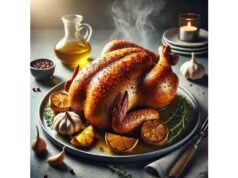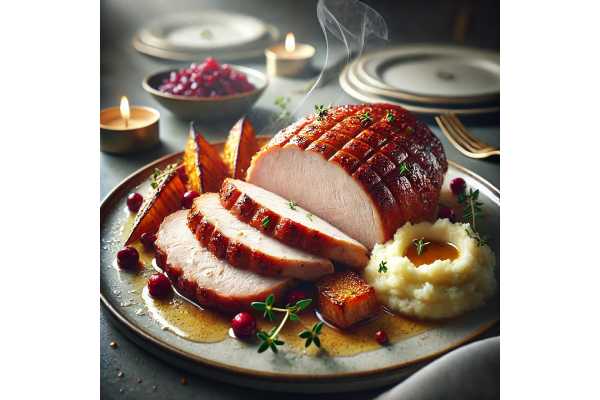
Turkey is a versatile lean protein that fits into weeknight dinners and holiday roasts alike. Light cuts are naturally low in fat, dark meat brings richer flavor and more zinc, and both provide high-quality protein with abundant B vitamins and selenium. Whether you opt for a roasted breast, ground turkey for burgers and chilies, or sliced turkey in sandwiches, it can support muscle repair, satiety, and everyday energy metabolism. It also adapts to many cuisines—Mediterranean herb roasts, biryani, pozole, shawarma, and beyond—while taking well to brines, rubs, and marinades. A practical note: quality and nutrition vary by cut (breast vs. thigh), by whether the skin is included, and by how the product is processed (fresh vs. deli slices). This guide brings together the benefits, evidence, and safety steps you can actually use, along with precise per-100-gram nutrition tables for common forms of turkey so you can choose and cook with confidence.
Nutrition Snapshot
- Lean turkey breast provides ~24 g protein per 100 g with very low total fat and saturated fat.
- Dark meat supplies more zinc and vitamin B12 alongside a richer taste and higher fat.
- Typical serving: 85 g cooked (3 oz), enjoyed 2–3 times weekly as part of a varied protein rotation.
- Safety caveat: cook all turkey—including ground and stuffing—to an internal 74 °C (165 °F).
- People who should limit or avoid: anyone with a poultry allergy; those on low-sodium diets should moderate deli or cured turkey.
Table of Contents
- Turkey at a Glance: Detailed Overview
- Nutrition Profile (per 100 g)
- Evidence-Based Health Benefits
- Risks, Allergies and Interactions
- Selecting, Quality, Sustainability and Storage
- Preparation, Cooking and Nutrient Retention
- Portions, Comparisons and FAQs
Turkey at a Glance: Detailed Overview
Turkey is a domesticated bird in the pheasant family, prized for its mild flavor and adaptability. In home kitchens, you will most often see three forms: whole birds (for roasting or smoking), retail cuts (breast, thighs, drumsticks, wings), and ground turkey (various lean-to-fat ratios). “Light” meat refers to breast and wing; “dark” meat refers to thigh and drumstick. Skin-on cuts deliver more fat and flavor; skinless cuts are extremely lean.
From a nutrition standpoint, turkey stands out for complete protein—containing all nine essential amino acids—along with notable amounts of niacin (vitamin B3), vitamin B6, vitamin B12, selenium, zinc, and phosphorus. Cuts differ markedly: skinless breast is among the leanest animal proteins available, while dark meat brings more heme iron, zinc, and fat-soluble vitamins. Ground turkey spans a spectrum from extra-lean (for example, 93% lean) to blends that include dark meat and skin, which raise fat and calories. Processed products (deli slices, sausages) may contain added sodium, phosphates, sweeteners, and curing agents; they are convenient but nutritionally distinct from fresh turkey.
Culinarily, turkey is a blank canvas. Brining plumps meat and seasons it throughout; dry brining (salt plus spices) keeps the skin drier for pronounced browning. Spatchcocking (removing the backbone and flattening the bird) reduces roasting time and helps breast and thigh finish closer together. Ground turkey is an easy swap in tacos, meatballs, and stir-fries. Because turkey’s flavor is delicate, layered aromatics—citrus zest, garlic, fennel, paprika, thyme, cumin, coriander—shine.
Safety and quality hinge on time and temperature. Thaw in the refrigerator, keep raw juices contained, and use a thermometer to verify doneness. Proper chilling preserves texture and prevents microbial growth. Handled well, turkey can be a reliable anchor for balanced meals year-round.
Nutrition Profile (per 100 g)
Below are standardized, per-100-gram snapshots for three common choices. Values vary by brand, feeding practices, and trimming, but the ranges show clear patterns: breast is leanest; dark meat is richer in B12 and zinc; cooked meat concentrates protein slightly compared with raw.
Key:
- Energy in kcal; protein, carbs, fats, fatty acids, and amino acids in g; minerals in mg (or µg where shown); vitamins in mg or µg; sodium and potassium as mg.
- %DV values correspond to current U.S. Daily Values.
Turkey breast (light meat), raw, meat only — per 100 g
| Nutrient | Amount | %DV |
|---|---|---|
| Energy (kcal) | 114 | 6 |
| Protein (g) | 23.7 | 47 |
| Total fat (g) | 1.5 | 2 |
| Saturated fat (g) | 0.29 | 1 |
| Carbohydrate (g) | 0.14 | 0 |
| Sugars (g) | 0.05 | — |
| Cholesterol (mg) | 57 | 19 |
| Sodium (mg) | 113 | 5 |
| Potassium (mg) | 242 | 5 |
| Phosphorus (mg) | 201 | 16 |
| Magnesium (mg) | 28 | 7 |
| Zinc (mg) | 1.3 | 12 |
| Selenium (µg) | 22.7 | 41 |
| Niacin (B3, mg) | 9.9 | 62 |
| Vitamin B6 (mg) | 0.81 | 48 |
| Vitamin B12 (µg) | 0.63 | 26 |
| Choline (mg) | 61.3 | 11 |
Turkey dark meat, raw, meat and skin — per 100 g
| Nutrient | Amount | %DV |
|---|---|---|
| Energy (kcal) | 166 | 8 |
| Protein (g) | 19.8 | 40 |
| Total fat (g) | 9.0 | 12 |
| Saturated fat (g) | 2.4 | 12 |
| Carbohydrate (g) | 0.15 | 0 |
| Cholesterol (mg) | 87 | 29 |
| Sodium (mg) | 113 | 5 |
| Potassium (mg) | 208 | 4 |
| Phosphorus (mg) | 166 | 13 |
| Magnesium (mg) | 22 | 5 |
| Zinc (mg) | 2.3 | 21 |
| Selenium (µg) | 20.2 | 37 |
| Niacin (B3, mg) | 5.4 | 34 |
| Vitamin B6 (mg) | 0.39 | 23 |
| Vitamin B12 (µg) | 1.8 | 77 |
| Vitamin A (RAE, µg) | 26 | 3 |
| Vitamin D (µg) | 0.5 | 3 |
| Choline (mg) | 63.8 | 12 |
Roasted turkey breast (cooked), meat only — per 100 g
| Nutrient | Amount | %DV |
|---|---|---|
| Energy (kcal) | 136 | 7 |
| Protein (g) | 29.5 | 59 |
| Total fat (g) | 2.0 | 3 |
| Saturated fat (g) | 0.66 | 3 |
| Carbohydrate (g) | 0.0 | 0 |
| Cholesterol (mg) | 70 | 23 |
| Sodium (mg) | 114 | 5 |
| Potassium (mg) | 297 | 6 |
| Phosphorus (mg) | 253 | 20 |
| Iron (mg) | 0.97 | 5 |
| Vitamin D (µg) | 0.2 | 1 |
| Vitamin C (mg) | 0 | 0 |
What these numbers mean for you
- Protein density: Both raw and cooked breast deliver roughly a half day’s protein per 100 g. Cooking reduces water and concentrates protein.
- Fat profile: Skinless breast is very low in total and saturated fat. Dark meat and skin increase total fat but also contribute more zinc and B12.
- Electrolytes and minerals: Across cuts, turkey provides meaningful phosphorus, selenium, and zinc with modest potassium.
- Carbs and glycemic impact: Practically zero—useful for low-carb and diabetes-friendly meal planning (watch sauces and sides).
Note on processed turkey: Deli slices, smoked or cured products may have added sodium and phosphates. Check labels if you monitor blood pressure, fluid balance, or kidney function.
Evidence-Based Health Benefits
1) High-quality protein for muscle and recovery
Turkey provides complete protein with a favorable leucine content—the amino acid that triggers muscle protein synthesis. For most adults aiming to maintain or build muscle, including ~25–35 g protein per meal is a practical range. A 100 g portion of cooked breast hits the lower end of that target by itself, and dark meat contributes comparable amounts when served in larger portions.
2) B-vitamin support for energy metabolism
Turkey is a reliable source of niacin (B3) and vitamin B6, which help enzymes convert carbohydrates, fats, and protein into usable energy. If you feel better with higher-protein lunches, turkey’s B-vitamin package plus steady protein can reduce mid-afternoon dips by slowing gastric emptying and stabilizing appetite hormones.
3) Selenium and immune function
Turkey delivers selenium, a key component of antioxidant enzymes (glutathione peroxidases) that protect cells from oxidative damage. Adequate selenium supports thyroid hormone activation and immune responses—particularly relevant when training intensely or during cold and flu seasons.
4) Zinc for tissue repair and taste/smell
Dark meat is relatively higher in zinc, important for wound healing, taste and smell acuity, and normal immune function. If you frequently choose white meat, occasionally mixing in thighs or drumsticks can round out micronutrient coverage.
5) Satiety and weight management
Lean poultry combines high protein with low energy density. Protein increases satiety signals and thermic effect (the energy cost of digesting and metabolizing food). Using turkey in soups, chili, and vegetable-heavy stir-fries can help you feel full on fewer calories compared with many red-meat or fried options.
6) Heart-conscious cooking options
Skinless turkey breast is low in saturated fat and contains very little sodium before seasoning. When prepared with olive oil, herbs, and vegetables, it fits well in heart-healthy patterns such as Mediterranean-style eating. If you enjoy dark meat, simple swaps—removing the skin after cooking, using spice rubs over butter-heavy bastes—meaningfully reduce saturated fat per serving.
7) About tryptophan and sleep
Turkey contains tryptophan, the amino acid used to make serotonin and melatonin. However, typical food amounts rarely cause drowsiness on their own; large, carbohydrate-heavy meals shift tryptophan into the brain more effectively. Controlled studies show that supplemental tryptophan (around ≥1 g) can improve certain sleep metrics, but that is different from eating a turkey meal. Enjoy turkey for its protein and nutrients; rely on good sleep habits for better rest.
8) Suitable for many dietary needs
Turkey is naturally gluten-free, low carb, and dairy-free. It works for high-protein, lower-calorie, and diabetes-friendly meal planning. For low-sodium diets, prioritize fresh, unprocessed turkey and salt-free seasonings.
Risks, Allergies and Interactions
Foodborne illness
Like all poultry, turkey can carry bacteria such as Salmonella and Campylobacter. The single most important safeguard is cooking all parts—including stuffing and ground turkey—to 74 °C (165 °F) measured with a thermometer in the thickest areas (innermost thigh and breast). Color is not a reliable indicator. Keep raw juices from contacting ready-to-eat foods, and wash hands and cutting boards after handling.
Leftovers and chilling
Refrigerate leftovers within 2 hours of cooking (1 hour if ambient temperature is hot). Use refrigerated leftovers within 3–4 days, or freeze for longer storage. Reheat leftovers to 74 °C (165 °F).
Nitrates, nitrites, and sodium in processed turkey
Deli turkey, cured drumsticks, and some sausages can be high in sodium and may include curing agents (nitrates/nitrites) and phosphates for texture and moisture. If you have hypertension, kidney disease, or need to restrict sodium, choose “low-sodium” options, rinse slices briefly before use, and balance the day’s salt budget accordingly. For everyday use, fresh roasted turkey you slice at home is typically the lowest-sodium option.
Allergy and cross-reactivity
Poultry meat allergies are uncommon but real. Symptoms can range from hives to anaphylaxis. Some individuals with bird-egg syndrome or feather allergies may experience cross-reactivity. Anyone with a known poultry allergy should avoid turkey and carry prescribed emergency medication.
Pregnancy and immunocompromised individuals
People who are pregnant should eat only thoroughly cooked turkey and should reheat deli meats until steaming hot. The same advice applies to older adults and those with weakened immune systems, who face higher risks from Listeria and other pathogens.
Medication and supplement considerations
Turkey is naturally low in vitamin K and doesn’t typically interfere with warfarin. The much-talked-about tryptophan in turkey is unlikely to interact with mood medications at typical food amounts. However, high-dose L-tryptophan supplements can interact with certain drugs; discuss any supplement use with a clinician.
Other sensitivities
Brined or injected turkeys may contain sodium or flavorings; check labels if you are sensitive to particular additives. Seasoning blends can include garlic, pepper, or paprika—common triggers for some individuals with reflux or irritable bowel symptoms.
Selecting, Quality, Sustainability and Storage
How to choose
- Fresh vs. frozen: Frozen whole turkeys are economical and consistent; fresh birds are convenient when timing is tight. Either can be high quality if handled properly.
- Labels to understand: “No antibiotics ever” indicates a program of raised-without-antibiotics. “Natural” has limited meaning (minimally processed). “Organic” refers to feed and farming standards and prohibits most synthetic additives. “No hormones added” is marketing language for poultry—hormones are not permitted in U.S. turkey production.
- Added solution: Some turkeys and parts are injected with salt and phosphates to boost juiciness. Flavor can be good, but sodium rises. For maximum control over seasoning, choose products without added solution.
Sustainability pointers
- Opt for producers with transparent animal-welfare practices. Third-party certifications (e.g., Certified Humane, GAP) can signal better stocking density and environmental practices.
- Minimize waste: buy the right size (about 0.45–0.68 kg per person for whole birds depending on appetite and leftovers), repurpose bones for stock, and freeze excess meat in meal-size packs.
- Compare footprint: Poultry generally has a lower greenhouse gas intensity than most red meats. Using the whole bird (white, dark, and bones) improves resource efficiency.
Storage and thawing
- Refrigerated storage (raw): Whole or parts 1–2 days; ground turkey 1–2 days. Store at ≤4 °C (≤40 °F).
- Freezer: Whole turkey up to 12 months; parts 9 months; ground 3–4 months for best quality (colder, airtight packaging lasts longer).
- Thawing safely: Thaw in the refrigerator only, allowing ~24 hours per 2–2.5 kg (4–5 lb). For faster thawing, use cold-water baths (submerge in leak-proof packaging; change water every 30 minutes) and cook immediately after.
- Dry brining: Salt skin-on birds or parts 0.5–0.75% of meat weight (5–7.5 g salt per kg of turkey) 12–36 hours before cooking. For pre-injected products, reduce added salt.
Buying ground turkey wisely
Check the lean percentage. 93% lean works well for burgers and meatballs with a good balance of juiciness and calories. 99% extra-lean can be dry; add moisture with grated onion, yogurt, or olive oil.
Preparation, Cooking and Nutrient Retention
Essential temperatures and tools
- Cook whole birds, parts, ground turkey, and any stuffing to 74 °C (165 °F).
- Use an instant-read thermometer in the thickest parts: the innermost thigh, the thickest breast section, and the center of stuffing or casseroles.
- Rest whole birds 15–20 minutes before carving to redistribute juices (carryover heat helps equalize doneness).
Roasting game plan (whole bird)
- Dry the skin in the refrigerator overnight, uncovered, to promote crisping.
- Season simply: salt, pepper, and a rub with thyme, lemon zest, and olive oil.
- Spatchcock for speed: Flattened birds roast more evenly; plan ~6–8 minutes per 450 g (1 lb) at 220 °C (425 °F), then reduce to 190 °C (375 °F) until the thigh center reaches 74 °C (165 °F).
- Pan gravy: Deglaze roasting pan with stock, scrape fond, and simmer briefly; this adds flavor with minimal added fat.
Cut-by-cut tips
- Breast (skinless): Quick roast, grill, or poach to avoid drying. Brining or marinating 30–60 minutes helps. Slice across the grain.
- Thighs/drumsticks: Braise or roast to render collagen for tenderness. Leaving skin on during cooking protects moisture; remove before eating if you prefer less fat.
- Ground turkey: Do not overmix. For burgers, add moisture (grated zucchini, yogurt, or a tablespoon of olive oil per 450 g) and cook to 74 °C (165 °F).
Keeping nutrients
- Shorter cooking and moisture retention (poaching, pressure cooking, steaming, or covered roasting) preserve B vitamins better than prolonged high-heat roasting.
- Avoid scorching: Charring creates heterocyclic amines (HCAs) and polycyclic aromatic hydrocarbons (PAHs). If grilling, marinate with herbs and acids (citrus, yogurt, vinegar) and cook over moderate heat with frequent turning.
- Smart sides: Pair turkey with vitamin-C-rich vegetables (peppers, broccoli, citrus dressings) to aid iron absorption and with whole grains or legumes to round out fiber.
Food safety while cooking
- Keep raw and ready-to-eat foods separate.
- Wash hands before and after handling raw meat.
- Sanitize boards and knives that contacted raw poultry.
- Chill leftovers promptly and reheat thoroughly.
Portions, Comparisons and FAQs
What is one serving of turkey?
A practical cooked serving is 85 g (3 oz)—about a deck of cards. For higher protein targets, many adults feel well with 120–150 g cooked at a meal. Spread total daily protein across two to four meals rather than loading one sitting.
How does turkey compare with chicken, beef, and pork?
- Chicken breast vs. turkey breast: Nearly interchangeable nutritionally, with tiny differences in micronutrients and flavor.
- Turkey dark meat vs. chicken dark meat: Both are juicier and slightly higher in fat than breast. Turkey dark meat often provides a bit more zinc and B12 per 100 g.
- Lean beef vs. turkey: Beef contributes more iron and zinc but typically more saturated fat; turkey breast wins on lower calories per protein gram.
- Pork tenderloin vs. turkey breast: Both are lean; turkey breast generally has less fat and slightly more niacin.
Is turkey “processed meat”?
Fresh turkey (raw or simply roasted) is not processed. Deli turkey, cured drumsticks, and sausages are processed due to added salt, curing agents, or smoking. Keep processed versions as occasional items if you track sodium or prefer minimally processed foods.
Can I eat turkey while pregnant?
Yes—if fully cooked to 74 °C (165 °F). Avoid unheated deli meats and reheat them until steaming hot before eating. Leftovers should be chilled promptly and used within 3–4 days.
Does turkey make you sleepy?
Not specifically. Turkey contains tryptophan, but typical meal amounts rarely induce drowsiness by themselves. Feeling sleepy after a feast is more about meal size, carbohydrates, and circadian rhythms than turkey alone.
Budget and meal prep ideas
- Buy family packs of thighs or breasts, roast once, and portion leftovers into 100–150 g freezer packs.
- Stretch ground turkey with finely chopped mushrooms or lentils for moisture, umami, and fiber.
- Use bones to make stock; freeze in 1-cup portions for soups and sauces.
Suggested weekly frequency
Enjoy turkey 2–3 times per week as part of a varied protein rotation that includes fish, legumes, eggs, and, if you like, lean cuts of other meats.
References
- Turkey Breast From Whole Bird Meat Only Raw 2024 (Database)
- Nutrition Facts for Turkey, dark meat, meat and skin, raw 2024 (Database)
- Nutrition Facts for Turkey, retail parts, breast, meat only, cooked, roasted 2024 (Database)
- Cook to a Safe Minimum Internal Temperature 2024 (Guideline)
- Safer Food Choices for Pregnant Women 2025 (Guideline)
- Food Safety Tips for Healthy Holidays 2025 (Guideline)
Disclaimer
This guide is for general education and is not a substitute for personalized medical advice, diagnosis, or treatment. Nutrition needs and health risks vary by individual. Always consult a qualified healthcare professional about specific dietary questions, allergies, pregnancy considerations, or interactions with medicines or supplements. If you suspect a food-borne illness, seek medical care promptly.
If you found this article useful, please consider sharing it with friends or colleagues on Facebook, X (formerly Twitter), or any platform you prefer. Your support helps us continue creating reliable, helpful content.