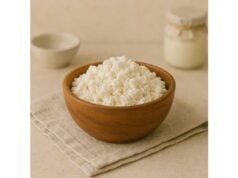
Turkish yogurt—known locally as yoğurt and, when strained, süzme yoğurt—has a clean, tangy flavor and a thick, satiny body that works in both savory and sweet dishes. Traditionally made with whole cow’s milk (and regionally with sheep’s or goat’s milk), it’s incubated with live starter cultures until set, then either stirred or gently strained for a richer texture. In the kitchen, Turkish yogurt cools kebabs, anchors meze dips like cacık, enriches soups without curdling when handled correctly, and lightens marinades while tenderizing. Nutritionally, it’s a compact source of complete protein, bioavailable calcium, vitamin B12, and iodine, with naturally low lactose compared with milk—especially when strained. Live cultures contribute to digestibility and help many people with lactose intolerance tolerate small servings. Safety is straightforward: choose pasteurized products, keep them chilled, and mind cross-contamination once opened. This guide walks you through a detailed overview of styles, a per-100-gram nutrition profile (with % Daily Values), evidence-based benefits, risks and allergies, practical shopping and storage tips, and how to cook with Turkish yogurt to keep its nutrients—and its luscious texture—intact.
Key Takeaways
- Per 100 g, Turkish yogurt typically provides 3.5–6.5 g protein, 110–150 mg calcium, and live cultures that aid lactose digestion.
- Strained (süzme) yogurt is higher in protein and lower in lactose per 100 g than regular set yogurt.
- Typical serving: 170 g (about ¾ cup) 1–2 times daily as part of a balanced diet; adjust for fat and sodium in savory mixes.
- Avoid if you have a confirmed milk allergy; choose pasteurized products and keep chilled to reduce foodborne risk.
Table of Contents
- Turkish Yogurt: Detailed Overview
- Turkish Yogurt Nutrition Profile
- Evidence-Based Health Benefits of Turkish Yogurt
- Risks, Allergies and Interactions
- Selecting, Quality, Sustainability and Storage
- Preparation, Cooking and Nutrient Retention
- Portions, Comparisons and FAQs
Turkish Yogurt: Detailed Overview
Turkish yogurt is both a method and a daily staple. Milk is heated (to denature whey proteins for a firmer gel), cooled to incubation temperature, and inoculated with the classic thermophilic starter duo Lactobacillus delbrueckii subsp. bulgaricus and Streptococcus thermophilus. The culture ratio and incubation time drive flavor and acidity: shorter periods yield mild, milky yogurt; longer times develop tang and a tighter set. After fermentation, yogurt may be left as a firm “set” (kesik yoğurt), gently stirred for a spoonable texture, or strained (süzme) to remove whey and concentrate solids.
What makes “Turkish” yogurt distinct? Two things: texture philosophy and culinary role. Texture aims for a naturally thick spoon feel without heavy stabilizers, achieved by careful milk heating and, for süzme, slow draining. In the kitchen, yogurt is not just a breakfast food—it’s a cooling counterpoint to grilled meats, a base for herb sauces, a soup finisher, and a marinade that tenderizes while adding brightness. Classic pairings include garlic, dill, mint, cucumber, lemon, and olive oil. Sweet uses skew lighter: a drizzle of honey, seasonal fruit, or compotes.
Fat level varies. Whole milk yogurt (≈3.5% fat) tastes round and balances acidity; semi-skim (1.5–2%) is lighter; strained yogurts can span 2–10% fat depending on the base milk and how far they are drained. Cow’s milk dominates shelves, but sheep’s milk yogurts—naturally richer in protein and fat—appear in specialty shops and echo rural traditions.
Lactose and digestibility: The fermentation step consumes some lactose and produces lactic acid, lowering pH and firming the gel. Straining removes additional lactose with the whey. People with lactose intolerance often find they tolerate modest portions, especially when eaten alongside other foods. That said, tolerance is personal.
Label reading matters. Traditional Turkish yogurt relies on milk and live cultures. Some mass-market cups add milk powder (to boost protein), pectin or starch (to control texture), or flavorings and sugar. Those choices aren’t inherently “bad,” but they change nutrition and cooking behavior. If you cook with yogurt, minimal-ingredient cups are more predictable in hot dishes.
Finally, storage and handling: keep yogurt cold (1–4 °C), covered, and cleanly spooned. Once opened, it slowly acidifies and may separate a little—harmless whey you can stir back in. Spoilage signs include gas pockets, pink or fuzzy growth, and off aromas. Respect “use by” dates, and keep it away from raw-meat juices and produce wash-water to avoid cross-contamination.
Turkish Yogurt Nutrition Profile
Values below are per 100 g for plain, unsweetened yogurt. Ranges reflect brand, milk type, and whether the yogurt is strained (süzme). %DV uses current U.S. Daily Values.
Macros & Electrolytes (per 100 g)
| Type | Energy (kcal) | Protein (g) | Total Fat (g) | Saturated Fat (g) | Carbohydrate (g) | Total Sugars (g) | Sodium (mg) |
|---|---|---|---|---|---|---|---|
| Whole milk, set/stirred | 60–70 | 3.4–3.9 (7–8% DV) | 3.0–3.8 (4–5% DV) | 1.8–2.4 (9–12% DV) | 4.2–5.0 (2% DV) | 4.2–5.0 | 35–55 (2% DV) |
| Süzme (strained) 5–10% fat | 90–130 | 5.5–8.0 (11–16% DV) | 5–10 (6–13% DV) | 3–6.5 (15–33% DV) | 2.5–4.0 (1% DV) | 2.5–4.0 | 35–60 (2–3% DV) |
Carbohydrates (per 100 g)
| Metric | Whole | Süzme |
|---|---|---|
| Lactose (approx.) | 3.5–4.7 g | 2.0–3.5 g |
| Starch/Fiber | 0 g | 0 g |
| Glycemic Index | Low (≈20–36) | Low (≈15–25) |
| Glycemic Load (100 g) | ≈1–2 | ≈1 |
Fats & Fatty Acids (per 100 g)
| Component | Whole | Süzme |
|---|---|---|
| Monounsaturated Fat | ~1.0–1.3 g | ~1.7–3.3 g |
| Polyunsaturated Fat | ~0.1–0.2 g | ~0.2–0.3 g |
| Trans Fat (ruminant, natural) | trace | trace |
| Cholesterol | 10–15 mg | 15–30 mg |
Protein & Amino Acids (selected, per 100 g)
| Amino Acid | Whole | Süzme |
|---|---|---|
| Leucine | ~0.32–0.40 g | ~0.50–0.75 g |
| Lysine | ~0.28–0.35 g | ~0.45–0.65 g |
| Tryptophan | ~0.06–0.08 g | ~0.09–0.13 g |
Vitamins (per 100 g)
| Vitamin | Whole | %DV | Süzme | %DV |
|---|---|---|---|---|
| Vitamin B12 (cobalamin) | 0.3–0.6 µg | 13–25% | 0.4–0.8 µg | 17–33% |
| Riboflavin (B2) | 0.14–0.25 mg | 11–19% | 0.18–0.30 mg | 14–23% |
| Vitamin A (RAE)* | 40–80 µg | 4–9% | 60–120 µg | 7–13% |
| Folate (DFE) | 15–25 µg | 4–6% | 15–30 µg | 4–8% |
| Vitamin D* | 0–1.5 µg | 0–8% | 0–1.5 µg | 0–8% |
*Higher if fortified; many traditional cups are not fortified.
Minerals (per 100 g)
| Mineral | Whole | %DV | Süzme | %DV |
|---|---|---|---|---|
| Calcium | 110–150 mg | 8–12% | 110–170 mg | 8–13% |
| Phosphorus | 90–130 mg | 7–10% | 110–160 mg | 9–13% |
| Iodine** | 20–45 µg | 13–30% | 20–55 µg | 13–37% |
| Potassium | 150–230 mg | 3–5% | 150–240 mg | 3–5% |
| Selenium | 6–12 µg | 11–22% | 8–14 µg | 15–25% |
| Zinc | 0.4–0.8 mg | 4–7% | 0.5–1.0 mg | 5–9% |
**Iodine varies with feed and region.
Bioactives / Cultures (typical)
- Live starter cultures: L. delbrueckii subsp. bulgaricus, S. thermophilus.
- Optional probiotic additions by brand: Lactobacillus acidophilus, Bifidobacterium spp., others.
- Typical viable counts at end of shelf-life: often ≥10⁶ CFU/g for starters; probiotic counts vary by claim.
Allergens & Intolerance Markers
- Contains milk proteins (casein, whey); naturally low lactose compared with milk, lower when strained.
- A2-labeled cups (from A2 cows) may be better tolerated by some; evidence is mixed and individual.
Additives & Fortification (label-dependent)
- Traditional: milk + live cultures only.
- Possible adds: milk solids, pectin/starch, vitamins A/D (fortified), salt in savory dips.
Evidence-Based Health Benefits of Turkish Yogurt
Supports protein needs with excellent digestibility. Per 100 g, Turkish yogurt supplies 3.5–8 g of complete protein, depending on straining. In real plates, a 170 g cup delivers roughly 6–13 g. Dairy proteins (casein and whey) provide all essential amino acids with high digestibility, helping maintain muscle, support recovery after activity, and increase satiety at breakfast compared with grain-only choices.
Bioavailable calcium for bones and teeth. Calcium in fermented dairy is well absorbed and pairs naturally with phosphorus and protein—nutrients that, together, support bone remodeling across life stages. Even modest servings contribute meaningfully: a 170 g serving of whole yogurt often provides 15–20% of daily calcium, with higher contributions in strained or fortified cups.
Lactose digestion and tolerance advantages. Live cultures convert lactose to lactic acid during fermentation and keep working in the gut for some people, improving lactose digestion. Strained yogurt lowers lactose per spoonful further because whey is removed. Many with lactose intolerance tolerate ½–1 cup servings, especially with meals, though individual thresholds vary.
Gut-friendly microbes and metabolites. While “probiotic” claims depend on the strains and their documented benefits, all traditional yogurts deliver high counts of live starters. These cultures produce lactic acid and small amounts of bioactive peptides during fermentation, which can contribute to digestive comfort and help maintain a balanced gut environment. When present, added probiotic strains (e.g., certain Bifidobacterium spp.) may offer targeted effects like supporting regularity or improving stool consistency.
Cardiometabolic neutrality (and potential modest benefits) in context. Across large observational datasets and controlled comparisons, fermented dairy—yogurt in particular—generally tracks with neutral to slightly favorable cardiometabolic markers when part of a balanced pattern. Mechanisms include displacement of refined sweets at snacks, calcium’s binding of dietary fatty acids in the gut, and the matrix effect: nutrients embedded in a fermented gel behave differently than isolated saturated fat.
Weight and appetite management. Yogurt’s protein and acidity enhance fullness and reduce subsequent energy intake compared with iso-caloric refined snacks. Süzme (strained) versions are especially filling per spoonful, which helps create higher-satisfaction, lower-calorie meals when paired with vegetables and beans.
Micronutrient coverage with meal flexibility. Yogurt is an efficient way to close common gaps in B12, iodine, and calcium—especially for people who limit meat or live away from iodized-salt markets. It also plays well with produce, whole grains, herbs, and legumes, reinforcing a plant-forward pattern without sacrificing satisfaction.
Everyday translation: Build bowls with 170 g yogurt, chopped cucumbers and herbs, lemon, olive oil, and a scoop of beans or bulgur. Swap it for cream in sauces. Use süzme as a spread in place of mayo. These small swaps increase protein density and reduce saturated fat and sodium from heavier condiments.
Risks, Allergies and Interactions
Milk allergy (IgE-mediated). Turkish yogurt contains casein and whey proteins and is unsafe for people with confirmed milk allergy. Reactions can be severe; complete avoidance is the rule unless an allergist provides a supervised protocol.
Lactose intolerance. Many lactose-intolerant adults tolerate yogurt better than milk, particularly strained styles and when eaten with other food. Start with ½ cup (≈120–170 g), monitor symptoms, and adjust. For very sensitive individuals, seek “lactose-free” labeled cups (made with added lactase) or limit portion size.
Saturated fat and sodium context. Whole and especially high-fat strained yogurts contribute saturated fat. While yogurt’s overall cardiometabolic profile is typically neutral when portioned, those with elevated LDL cholesterol can choose low-fat or reduced-fat options most days and reserve richer süzme for small garnishes. Savory packaged dips based on yogurt may be salty—check labels.
Added sugars in flavored cups. Fruit-on-the-bottom and dessert-style yogurts can deliver 10–20 g added sugar per 170 g serving. Prefer plain and sweeten yourself with fruit, a drizzle of honey, or date paste to control amounts.
Food safety and pregnancy. Pasteurized yogurt is considered safe during pregnancy; avoid raw-milk yogurt due to risk of Listeria monocytogenes. Keep cups refrigerated and respect “use by” dates once opened. In regions with high raw-milk availability, confirm “pasteurized” on the label.
Medication and condition notes.
- Immunocompromised states: Pasteurized products with live cultures are acceptable for most; avoid unpasteurized dairy.
- Low-FODMAP management: Plain yogurt is usually well tolerated in typical portions; flavored varieties with inulin or fructo-oligosaccharides may aggravate symptoms.
- Thyroid concerns: Yogurt provides iodine; for those on restricted iodine protocols, track total intake from dairy and iodized salt with your clinical team.
- Sodium-restricted diets: Plain yogurts are generally low in sodium; watch savory mixes and labneh-style spreads.
Quality and contaminants. Responsible dairies monitor feed for aflatoxin B1 (which can convert to M1 in milk) and comply with strict limits. Choose reputable brands with transparent sourcing and certifications appropriate to your region.
Bottom line: If you tolerate dairy, pasteurized Turkish yogurt is a safe, nutrient-dense staple. The main pitfalls are flavored sugar bombs and oversized portions of high-fat varieties. Navigate those, and yogurt serves you well.
Selecting, Quality, Sustainability and Storage
How to read a Turkish yogurt label quickly
- Ingredients: Ideally “milk, live cultures.” Added milk solids concentrate protein; minimal, but note texture changes. Avoid excessive stabilizers if you plan to cook.
- Cultures: “Live and active cultures” indicates fermentation with viable bacteria at packing; probiotic claims should list specific strains.
- Fat level: Whole (≈3.5%), low-fat (1.5–2%), or strained at 2–10%. Match to use: richer for dollops and spreads, lighter for bowls and smoothies.
- Fortification: Vitamins A/D may be added depending on country; note if you rely on yogurt for these.
Choosing styles
- Set/stirred whole yogurt: Best for soups, marinades, and everyday bowls; gentle tang and lighter texture.
- Süzme (strained): Spreadable, glossy, and extra-creamy; excellent for meze, baking swaps for sour cream, and thick sauces.
- Sheep’s/Goat’s milk: Fuller flavor, often higher in protein and fat; great for small, intense dollops.
Quality cues
- Color: Ivory to pale cream; bright white often signals very low fat or heavy homogenization.
- Aroma: Fresh, clean tang; no harsh, yeasty, or solvent-like notes.
- Texture: Uniform, no curd granules or whey pockets in unopened cups (some separation after opening is normal).
Sustainability notes
- Local sourcing: Shorter transport and fresher cups; look for dairies that disclose feed, animal welfare, and water stewardship.
- Packaging: Choose larger tubs for households that use yogurt often (less plastic per gram). Reuse containers responsibly.
- Food waste: Plan to transform older cups into cooked dishes (soups, stews, baked goods) before the quality window closes.
Storage and shelf life
- Temperature: 1–4 °C (34–39 °F). Keep sealed; avoid the door where temps swing.
- After opening: Use clean spoons; reseal tightly. Consume within 5–7 days for peak quality.
- Freezing: Not ideal for fresh eating; acceptable for cooking. Expect syneresis (whey separation) on thaw—stir and use in hot dishes.
Buying tips for cooks
- For hot soups and sauces, buy plain whole-milk yogurt for better heat stability (or plan to stabilize; see next section).
- For dips and spreads, pick süzme for body; for smoothies and bowls, choose set/stirred styles that blend easily.
- If you need consistent protein numbers, choose cups with standardized protein (sometimes achieved by adding milk solids), and verify per-100-gram values.
Preparation, Cooking and Nutrient Retention
Prevent curdling: the three-part method
- Temper: Whisk warm liquid into yogurt in a separate bowl a ladle at a time.
- Stabilize: For soups, whisk 1–2 tsp flour or cornstarch per cup of yogurt before tempering; starch protects the protein network.
- Finish gently: Add the tempered yogurt mixture off heat or over very low heat; avoid boiling after addition.
Everyday savory uses
- Cacık riff: Whisk yogurt with grated cucumber, garlic, dill, mint, olive oil, and lemon; thin with cold water for a sipable version.
- Marinades: Mix with lemon, garlic, and spices (paprika, cumin). The lactic acidity tenderizes proteins and carries spice flavor evenly.
- Sauce swap: Use yogurt instead of cream in pan sauces; stabilize with a teaspoon of starch and finish with fresh herbs.
- Grains and legumes: Fold into cooked bulgur, lentils, or chickpeas with herbs and toasted nuts for a high-satisfaction bowl.
Sweet applications
- Breakfast bowl: 170 g yogurt, seasonal fruit, seeds, and a drizzle of honey.
- Baked goods: Replace part of sour cream or buttermilk 1:1 by weight; yogurt’s acidity activates baking soda for lift.
- Frozen yogurt: Blend plain yogurt with fruit purée, lightly sweeten, churn, and freeze; strained styles yield the creamiest texture.
Nutrient retention tips
- Protein and minerals are stable to typical cooking temperatures.
- B-vitamins are heat-sensitive; add yogurt near the end of cooking or reserve a dollop for serving.
- Live cultures do not survive high heat; to keep them, use yogurt cold or add off heat.
- Fat-soluble nutrients (vitamin A) are retained well; pairing yogurt with vegetables can improve carotenoid absorption from the meal’s other components.
Troubleshooting
- Grainy texture: Temperature shock or high heat—temper and keep below a bare simmer.
- Too tart: Blend with a spoon of milk or cream; or balance with herbs and a squeeze of lemon (counterintuitive but lifts and rounds flavor).
- Watery dip: Strain regular yogurt for 1–2 hours through a coffee filter to concentrate.
- Split sauce: Remove from heat, whisk vigorously, and add a teaspoon of starch slurry; for next time, add yogurt off heat.
Food safety in the kitchen
Use clean utensils, don’t double-dip, and return the tub to the fridge promptly. Discard yogurt with visible mold, pink discoloration, gas build-up, or off odors.
Portions, Comparisons and FAQs
How much Turkish yogurt makes sense daily?
A practical serving is 170 g (about ¾ cup) once or twice per day, scaled to your energy needs and fat targets. Active adults or those seeking more protein can add a second serving or choose strained styles. If you’re limiting saturated fat, pick low-fat cups for daily use and reserve rich süzme for small dollops.
Turkish vs Greek vs regular yogurt
- Turkish (set/stirred): Naturally thick, tangy, often with minimal additives; reliable in hot and cold dishes.
- Süzme (Turkish strained): Thicker than set yogurt, similar to Greek, sometimes richer; best for dips and spreads.
- Greek: Also strained; protein standardized by straining or added milk solids. Flavor is typically tangy-bright.
- Regular (non-strained): Thinner, milder, often lower in protein per 100 g.
Cow vs sheep vs goat
- Cow: Widely available; balanced flavor; broadest fat options.
- Sheep: Higher protein and fat; silkier texture; fuller flavor—great for small portions.
- Goat: Distinct aromatic notes; creamy; often popular among those who find cow’s milk heavy.
Is yogurt low in lactose?
Compared with milk, yes—especially strained styles. Many people with lactose intolerance tolerate 120–170 g per sitting with meals. Tolerance varies; start small.
Can I use yogurt instead of sour cream or mayo?
Yes. For cold dips and dressings, use süzme or strained yogurt for body; for baking, replace sour cream 1:1 by weight. In hot sauces, stabilize and temper to prevent curdling.
What about “A2” or “lactose-free” yogurt?
A2 refers to a milk beta-casein variant; some find it gentler, but benefits are individual. Lactose-free yogurt is made with lactase; it’s useful if you’re very sensitive to lactose and still want yogurt’s protein and calcium.
Smart plate ideas (≈400–500 kcal meals)
- Herbed chickpea bowl: 170 g yogurt, warm chickpeas, cucumbers, tomatoes, parsley, lemon, olive oil, whole-grain pita.
- Lentil-bulgur pilaf with garlicky yogurt: Spoon yogurt over the pilaf and finish with chili-infused olive oil.
- Roasted vegetable tray with tahini-yogurt sauce: Yogurt, tahini, lemon, garlic, and water whisked to a pourable dressing.
Bottom line
Use Turkish yogurt as a versatile anchor for plant-forward meals. Choose the style that fits the job—set for cooking, süzme for dollops—and keep portions aligned with your goals. Its nutrition density and culinary range make it an everyday upgrade.
References
- Yogurt, plain, whole milk 2024
- Fermented foods, the gut microbiome, and health: a systematic review of evidence 2020 (Systematic Review)
- Yogurt and cardiometabolic diseases: evaluating the evidence 2019 (Review)
- Dairy and Food Safety 2024 (Guidance)
- Scientific Opinion on the substantiation of a health claim related to live yogurt cultures and improved lactose digestion 2010 (Seminal Guidance)
Disclaimer
This article is for general education and does not replace personalized medical advice, diagnosis, or treatment. Your needs vary with health status, allergies, medications, and life stage. If you have milk allergy, are pregnant, immunocompromised, managing cholesterol or blood pressure, or following a therapeutic diet, consult a qualified healthcare professional or registered dietitian before making significant changes. Choose pasteurized products, refrigerate promptly, and discard yogurt showing spoilage.
If you found this guide useful, please consider sharing it on Facebook, X (formerly Twitter), or your favorite platform. Your support helps us continue producing clear, evidence-based food articles.