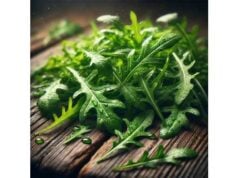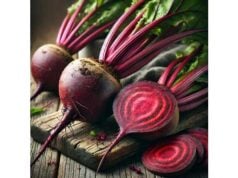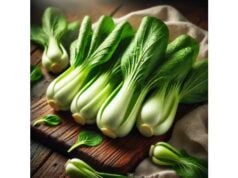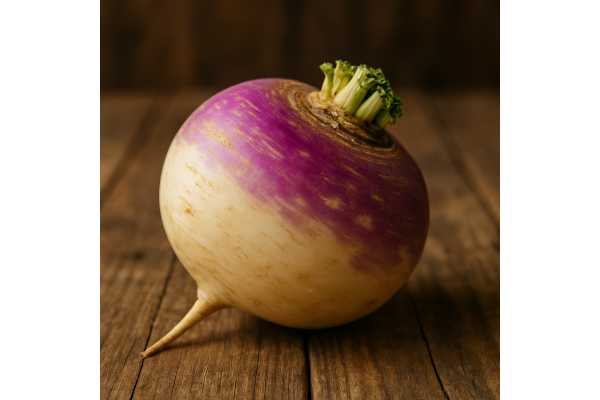
Turnips are often overlooked next to potatoes, carrots, or trendy leafy greens, yet they offer a rare combination of versatility, affordability, and dense nutrition. Both the pale, slightly peppery root and the vibrant, leafy greens belong to the cruciferous family, alongside cabbage, kale, and broccoli. That means they provide fiber, vitamin C, and plant compounds called glucosinolates, which are being actively studied for roles in antioxidant and anti-inflammatory defense.
In the kitchen, turnips can play many roles: roasted as a side, mashed as a lighter stand-in for potatoes, shaved raw into salads, or simmered in soups and stews. The greens can be sautéed, added to broths, or blended into hearty grain bowls. Whether you are managing blood sugar, aiming for weight control, or simply trying to eat more vegetables, turnips can fit smoothly into your routine while adding flavor, texture, and nutritional variety.
Key Takeaways for Turnip and Turnip Greens
- Turnip roots are low in calories and provide fiber and vitamin C, supporting weight management and immune function.
- Turnip greens are rich in vitamin A, vitamin K, vitamin C, calcium, and beneficial plant compounds, making them nutritionally denser than the root.
- Typical serving: about 1 cup cooked turnip cubes (≈150 g) or 1 cup cooked greens (≈140 g), enjoyed several times per week within a varied vegetable intake.
- People on blood thinning medications (due to very high vitamin K in the greens) or with poorly controlled thyroid disease should discuss frequent large portions of turnip greens with their clinician.
- Raw or undercooked turnip and greens may worsen symptoms in some people with sensitive digestion or irritable bowel syndrome because of fiber and FODMAP content.
Table of Contents
- Turnip background culinary uses and types
- Turnip root and greens nutrition
- Evidence based benefits of turnip
- Risks allergies and thyroid with turnip
- Choosing storing and sustainable turnips
- Cooking turnips and protecting nutrients
- Turnip portions comparisons and FAQs
Turnip background culinary uses and types
Turnip (Brassica rapa subsp. rapa) is a cool-season root vegetable with a long history in European and Asian cuisines. It forms a swollen taproot with crisp white flesh and a thin skin that may be white, purple-topped, or yellowish, depending on the variety. Above the soil, turnip greens form leafy rosettes that are nutritionally comparable to other dark leafy vegetables, such as kale and collards.
Turnips are part of the cruciferous family, known for containing glucosinolates—sulfur-containing compounds that give a faintly peppery or mustard-like note. When chopped or chewed, these compounds can form bioactive metabolites that are being studied for potential roles in cell protection and cancer prevention, alongside other brassica vegetables like broccoli and cabbage.
Culinarily, turnips are highly adaptable:
- Roots can be eaten raw, roasted, boiled, mashed, steamed, stir-fried, or fermented. Young, small roots tend to be sweet and mild, while larger, older ones can be more fibrous and pungent.
- Greens are typically cooked to soften their texture and mellow bitterness. They can be blanched and sautéed with garlic, simmered in broths or bean dishes, or added to grain bowls and stews.
- In many cuisines, roots and greens are cooked together, maximizing both flavor and nutrient density.
Turnips are considered a non-starchy vegetable because of their modest carbohydrate and energy content compared with potatoes or yams. This classifies them as a flexible option for those monitoring blood sugar or overall calorie intake.
Different types include small salad turnips (often tender enough to eat raw with minimal peeling), standard purple-top globe turnips, and regional varieties with varying sweetness and sharpness. They are commonly harvested in cooler months, and their flavor is often described as sweeter and less sharp after exposure to light frosts.
Because turnips store reasonably well and can grow in relatively poor soils, they have historically been an important “bridge” food between seasons. Today, they remain a budget-friendly way to add variety to vegetable intake while benefiting from the same broad advantages associated with cruciferous vegetables.
Turnip root and greens nutrition
To understand the nutritional value of turnip, it helps to consider the root and the greens separately. The root offers hydration, modest carbohydrates, and vitamin C, while the greens are dense sources of vitamins A, K, C, and calcium. Values below refer to cooked, boiled, drained, without salt, per 100 g, with approximate U.S. % Daily Value (%DV).
Turnip root – macros and electrolytes (per 100 g cooked)
| Nutrient | Amount | Unit | Approx. %DV |
|---|---|---|---|
| Energy | 22 | kcal | 1% |
| Carbohydrate, total | 5 | g | 2% |
| Dietary fiber | 2.0 | g | 7% |
| Total sugars | 3.0 | g | – |
| Protein | 0.7 | g | 2% |
| Total fat | 0.1 | g | 0% |
| Potassium | 177 | mg | 4% |
| Sodium | 16 | mg | 1% |
Turnip root – key vitamins and minerals (per 100 g cooked)
| Nutrient | Amount | Unit | Approx. %DV |
|---|---|---|---|
| Vitamin C (ascorbic acid) | 12 | mg | 13% |
| Vitamin B6 (pyridoxine) | 0.10 | mg | 6% |
| Folate (B9) | 14 | µg | 4% |
| Calcium | 33 | mg | 3% |
| Magnesium | 13 | mg | 3% |
| Phosphorus | 26 | mg | 2% |
| Iron | 0.2 | mg | 1% |
These numbers show that the root is light and hydrating, with a modest contribution to fiber and vitamin C and small but meaningful amounts of potassium and B vitamins.
Turnip greens – macros and electrolytes (per 100 g cooked)
| Nutrient | Amount | Unit | Approx. %DV |
|---|---|---|---|
| Energy | 20 | kcal | 1% |
| Carbohydrate, total | 4.36 | g | 2% |
| Dietary fiber | 3.5 | g | 12% |
| Total sugars | 0.53 | g | – |
| Protein | 1.14 | g | 2% |
| Total fat | 0.23 | g | 0% |
| Potassium | 203 | mg | 4% |
| Sodium | 29 | mg | 1% |
Turnip greens – key vitamins and minerals (per 100 g cooked)
| Nutrient | Amount | Unit | Approx. %DV |
|---|---|---|---|
| Vitamin A (as RAE, from carotenoids) | 381 | µg | 42% |
| Vitamin K | 1142 | µg | >900% |
| Vitamin C | 27 | mg | 30% |
| Folate (B9) | 170 | µg | 42% |
| Vitamin E | 1.9 | mg | 13% |
| Calcium | 137 | mg | 11% |
| Magnesium | 32 | mg | 8% |
| Iron | 1.2 | mg | 7% |
Turnip greens are also notable sources of lutein and zeaxanthin—carotenoids linked to eye health—as well as natural nitrates that may help support healthy blood vessel function.
Both root and greens contain glucosinolates, which can yield isothiocyanates and related compounds when chewed or chopped. These molecules are being investigated for potential roles in antioxidant defenses and detoxification pathways, in line with other Brassica vegetables.
From a glycemic perspective, turnip roots have low glycemic load because each serving contains relatively few digestible carbohydrates, even if glycemic index estimates range from low to moderate depending on the source and testing method. Overall, a typical 100 g cooked serving has a glycemic load around 1–2, indicating a minimal impact on blood sugar for most people.
Evidence based benefits of turnip
Research on turnip specifically is smaller than for some other vegetables, but emerging data, along with broader evidence on Brassica vegetables and root crops, points to several potential health benefits.
1. Support for weight management and metabolic health
Turnip roots are low in energy—about 20–30 kcal per 100 g cooked—with around 2 g of fiber and only modest carbohydrate content. This makes them useful for adding bulk and volume to meals without many calories.
Turnip greens add additional fiber and micronutrients with similarly low calorie density, which may enhance satiety and help people meet vegetable intake targets that are associated with healthier body weight and cardiometabolic profiles.
Their low glycemic load means that typical servings are unlikely to cause large spikes in blood sugar, which is especially relevant if you are replacing more refined starchy sides with turnip-based dishes.
2. Antioxidant and anti-inflammatory potential
Turnips provide vitamin C and, in the case of the greens, beta-carotene and other carotenoids, all of which contribute to antioxidant defenses.
Beyond vitamins, turnip roots and greens contain:
- Glucosinolates
- Phenolic acids and flavonoids
- Other sulfur-containing compounds
A 2019 and a 2021 review summarised that these phytochemicals show antioxidant, anti-inflammatory, and potential anticancer activity in experimental models.
Larger epidemiological studies of Brassica vegetables as a group link higher intake with modest reductions in all-cause mortality and some chronic disease risks, although cause–effect relationships cannot be confirmed from these data alone.
3. Potential roles in cardiovascular health
Turnip greens, like several leafy vegetables, naturally concentrate nitrate, which can be converted in the body to nitric oxide, a compound that helps blood vessels relax and may support healthy blood pressure and vascular function.
In addition:
- Potassium in both root and greens contributes to blood pressure regulation.
- Fiber helps support cholesterol management and overall cardiometabolic risk profiles.
While direct clinical trials focused solely on turnip are limited, these attributes align with dietary patterns—rich in vegetables, fiber, and potassium—that are consistently associated with better cardiovascular outcomes.
4. Digestive health and gut-friendly fiber
The combination of soluble and insoluble fiber in turnip can support regular bowel function and help feed beneficial gut microbes. Root and green fibers together provide fermentable substrates that may yield short-chain fatty acids, which are linked with gut wall integrity and local immune function.
For some people with sensitive digestion, especially those with irritable bowel syndrome (IBS), rapid increases in cruciferous vegetables may temporarily cause bloating or gas. Increasing portions gradually and varying cooking methods often improves tolerance.
5. Possible anticancer relevance
Laboratory and animal studies on turnip extracts and isolated compounds have reported anticancer, antimicrobial, and other protective activities, largely attributed to glucosinolate breakdown products and phenolics.
Human evidence is more indirect, relying mostly on observational data showing that diets rich in cruciferous vegetables are associated with lower risks of certain cancers. While these findings are encouraging, they do not prove that turnips alone prevent disease. Instead, turnip can be seen as one helpful member of a diverse, plant-rich eating pattern.
Risks allergies and thyroid with turnip
For most people, turnips and turnip greens are safe, everyday foods. However, a few considerations are important, especially if you have specific medical conditions or take certain medications.
1. Allergies and sensitivities
True allergy to turnip or other Brassica vegetables is uncommon but possible. Symptoms can include itching, hives, swelling, or respiratory reactions after ingestion. Individuals with known mustard or other cruciferous allergies may have an increased risk of reacting to turnip and should discuss testing or supervised challenges with an allergy specialist.
Some people report digestive discomfort—bloating, gas, or cramping—after eating larger amounts of cruciferous vegetables. This often relates to fermentable carbohydrates and fiber (FODMAPs) in the vegetable rather than a classic allergy. Gradual introduction, thorough cooking, and moderate portion sizes can help.
2. Thyroid and goitrogen concerns
Cruciferous vegetables, including turnip, contain goitrogenic compounds that can interfere with thyroid hormone synthesis in theory, particularly when iodine intake is very low. Early epidemiological and animal studies raised concerns, and there are a few case reports involving extremely high intakes of raw crucifers.
More recent reviews, including a 2024 analysis, conclude that for people with adequate iodine intake, normal dietary amounts of Brassica vegetables do not appear to impair thyroid function. Cooking also reduces some goitrogenic activity by inactivating the responsible enzymes.
Practical guidance:
- If you have hypothyroidism or goiter, especially with low iodine intake, your clinician may suggest limiting very large servings of raw crucifers (for example, multiple cups daily) but typically will not ask you to avoid normal cooked portions.
- Ensuring adequate iodine—from iodized salt or other dietary sources, as appropriate—is important if cruciferous vegetables are a regular part of your diet.
3. Vitamin K and blood thinners
Turnip greens are extremely rich in vitamin K, providing many times the daily requirement in a 100 g cooked portion.
For individuals taking vitamin K–antagonist anticoagulants (such as warfarin), sudden large increases or decreases in high-vitamin-K foods can destabilize medication dosing. It is usually safe to include turnip greens, but the key is consistency: aim for similar amounts from week to week and coordinate with your healthcare team when making changes.
4. Kidney stone and kidney disease considerations
Like other leafy greens, turnip greens contain minerals and some oxalate. While they are not as oxalate-dense as spinach, people with a history of calcium oxalate kidney stones may be advised to moderate large servings of high-oxalate greens and to pair them with adequate calcium intake. Those with advanced kidney disease may also need to manage total potassium, which can accumulate, particularly if frequent large servings of greens are consumed.
5. Nitrates and infants
Turnip greens contribute dietary nitrate. In healthy older children and adults, vegetable nitrates are generally considered beneficial. For very young infants, especially under 3 months, guidelines often advise caution with homemade purees of high-nitrate vegetables (including some leafy greens and root vegetables) due to a theoretical risk of methemoglobinemia. Commercial baby foods are regulated; homemade preparations for very young infants should be discussed with a pediatrician.
Overall, for most healthy adults, turnip and turnip greens are safe and advantageous when eaten as part of a varied diet. If you have thyroid disease, are on blood thinners, or have kidney-related conditions, it is wise to review your usual vegetable pattern with your healthcare team.
Choosing storing and sustainable turnips
Good selection and handling help you get the best flavor and nutritional value from turnips, while limiting food waste and supporting sustainable eating.
How to choose quality turnip roots
When shopping:
- Look for firm, heavy roots for their size, with smooth skin and no soft spots, deep cuts, or large cracks.
- Smaller turnips are often milder and sweeter, while larger ones can be woodier and stronger in flavor.
- Purple-top varieties should have vibrant color where the root was exposed to light, with white, creamy flesh elsewhere.
- If roots are sold with greens attached, the leaves should look fresh and upright, indicating recent harvest.
Avoid roots that are shriveled, spongy, heavily blemished, or giving off an unpleasant odor, as these are signs of age or poor storage.
Selecting and handling turnip greens
Fresh turnip greens should be:
- Deep green, with minimal yellowing or dark spots
- Crisp rather than limp
- Free from extensive insect damage
Because leafy greens lose moisture and vitamin C relatively quickly, it is best to use them within a few days of purchase.
Storage recommendations
- Roots: Remove any attached greens (they draw moisture from the root), leaving about 1 cm of stem if needed. Store roots unwashed in a breathable bag or container in the refrigerator crisper. They typically keep for 1–2 weeks, sometimes longer if very fresh at purchase.
- Greens: Rinse briefly to remove grit, dry gently, and store loosely wrapped in a towel or in a container with a dry paper towel to absorb excess moisture. Use within 3–5 days.
- For longer storage, roots can be kept in a cool cellar or packed in sand in traditional root-cellar systems, and both roots and greens can be blanched and frozen.
Sustainability and home growing
Turnip is:
- A cool-season crop, often grown in spring and autumn, which can extend the local vegetable season.
- Relatively fast-growing, sometimes maturing in as little as 6–10 weeks, making it suitable for home gardens and small plots.
- Useful in crop rotations as a root and leafy vegetable, helping diversify plantings and soil nutrient use.
From a sustainability standpoint, turnips compare favorably with many vegetables:
- They are typically grown in open fields, often with moderate input requirements.
- Because both root and greens are edible, using the entire plant reduces food waste.
- Local, seasonal turnips generally carry a lower transport footprint than out-of-season imported produce.
Buying from local growers or community-supported agriculture schemes, when available, can further reduce environmental impact and support regional food systems.
Cooking turnips and protecting nutrients
Turnips are forgiving in the kitchen, but cooking method has a real impact on both flavor and nutrient retention, particularly for vitamin C and some glucosinolate-related compounds.
Basic preparation
- Scrub roots under running water to remove soil. Peeling is optional for young, tender turnips; older, thicker-skinned roots are usually peeled.
- Trim the root tip and stem end.
- Cut into uniform pieces for even cooking—cubes, wedges, slices, or thin matchsticks for stir-fries.
- For greens, discard tough stems if desired, then wash leaves thoroughly to remove grit and chop to the size you prefer.
Common cooking methods and their effects
- Boiling and simmering
- Softens texture and mellows sharpness, which can help for people sensitive to crucifer flavor or digestion.
- Some water-soluble nutrients, especially vitamin C and folate, leach into the cooking water. Using the cooking liquid in soups or stews captures more of these nutrients.
- Steaming and microwaving
- Generally preserve more vitamin C and B vitamins because they use less water and shorter times.
- Maintain slightly firmer texture and more pronounced flavor.
- Roasting and sautéing
- Concentrate natural sweetness through caramelization of surface sugars.
- Lose some heat-sensitive vitamins but often increase palatability, improving overall intake.
- Lightly coating with oil helps absorb carotenoids from greens and any mixed root–green dishes.
- Fermenting and pickling
- Common in several cuisines (for example, turnip pickles).
- Fermentation can enhance digestibility and introduce beneficial bacteria, though vitamin C content may decrease with long storage.
Balancing goitrogen reduction and nutrient retention
Cooking reduces activity of myrosinase, the enzyme involved in generating some goitrogenic compounds from glucosinolates, which may be reassuring for people concerned about thyroid health. At the same time, very prolonged boiling in large volumes of water can reduce overall glucosinolate and vitamin C content. Shorter cooking with moderate heat and minimal water often provides a reasonable compromise.
Practical tips to preserve nutrients
- Cut turnips just before cooking to reduce vitamin C loss from prolonged exposure to air.
- Cook greens until tender but still bright green rather than dull olive; overcooking can indicate excess nutrient loss.
- When possible, use cooking water (for example, in soups or mashed root–vegetable blends) to recapture leached minerals and vitamin C.
- Pair turnip greens with a small amount of healthy fat (olive oil, nuts, seeds) to improve absorption of fat-soluble vitamins and carotenoids.
Examples of nutrient-conscious dishes include:
- Steamed turnip wedges tossed with herbs and a drizzle of extra-virgin olive oil.
- A mix of mashed potatoes and turnip for lighter texture and reduced carbohydrate load.
- Sautéed turnip greens with garlic and beans, capturing their fiber, minerals, and vitamins in a single pan.
Turnip portions comparisons and FAQs
Understanding practical portions helps you use turnips regularly without overthinking measurements.
Typical serving sizes
Approximate cooked serving sizes:
- Turnip root: 1 cup cooked cubes (≈156 g) or 1 small–medium root, providing roughly 30–50 kcal, about 5–8 g carbohydrate, and 2 g fiber.
- Turnip greens: 1 cup cooked, chopped greens (≈144 g), with about 30 kcal, 6 g carbohydrate (around 5 g fiber), 1–2 g protein, and high levels of vitamins A, K, and C.
For many adults, including 1–2 servings of turnip or turnip greens several times per week fits well into general vegetable recommendations, provided the overall diet is varied.
How does turnip compare with potatoes and other roots?
- Compared with white potatoes, turnip has fewer calories and substantially fewer carbohydrates per 100 g, but also less potassium and less starch-derived energy.
- Compared with carrots or beets, turnips are similar or lower in carbohydrate and calories, with less natural sweetness but a sharper, cruciferous flavor.
- Compared with other Brassica vegetables (such as broccoli or kale), turnip roots are less nutrient-dense per gram, but turnip greens are competitive with many dark leafy vegetables in terms of vitamin A, K, and calcium.
Frequently asked questions
- Are turnips suitable for people with diabetes or prediabetes?
In typical serving sizes, turnip root and greens provide low glycemic load and relatively modest carbohydrate content. They can be a useful substitute for higher-carb sides, but total meal composition and portion size still matter. Work with a healthcare professional or dietitian to fit them into your personal carbohydrate plan. - Are turnip greens healthier than the root?
“Healthier” depends on what you need, but greens are markedly richer in vitamins A, K, C, folate, calcium, and magnesium. The root contributes hydration, fiber, and vitamin C with a milder flavor and more texture. Using both gives a broader nutrient spread. - Can people with hypothyroidism eat turnip?
For most people with treated hypothyroidism and adequate iodine intake, moderate use of cooked cruciferous vegetables, including turnips, does not appear to harm thyroid function. Those with poorly controlled disease or very low iodine intake should seek individualized advice before consuming large daily servings of raw crucifers. - Is it better to eat turnip raw or cooked?
Raw turnip can be crisp and refreshing in salads or slaws, preserving vitamin C and certain heat-sensitive compounds, but may cause more digestive discomfort for some people. Cooked turnip is easier to digest, mellower in flavor, and still nutritionally valuable, especially when cooking water is used within the dish. - Who might need to limit turnip greens?
- People on vitamin K–antagonist anticoagulants who are not yet stable on their dosing plan.
- Individuals with advanced kidney disease needing strict potassium or mineral control.
- Those with allergies to other Brassica vegetables, under specialist guidance.
For most other adults, including turnip roots and greens as part of a diverse vegetable pattern is a practical, nutrient-dense choice.
References
- A Critical Review on Phytochemical Profile and Biological Activities of Turnip (Brassica rapa subsp. rapa L.) 2021 (Systematic Review)
- Beneficial Progress of Turnip (Brassica rapa) 2019 (Systematic Review)
- New Vegetable Brassica Foods: A Promising Source of Bioactive Compounds 2021 (Systematic Review)
- Do Brassica Vegetables Affect Thyroid Function? 2024 (Systematic Review)
- Nutrition Facts for Cooked Turnips (Boiled, Drained) 2022 (Nutrient Database)
- Nutrition Facts for Cooked Turnip Greens (Boiled, Drained) 2022 (Nutrient Database)
Disclaimer
The information in this article is intended for general education and should not be used as a substitute for personalized medical advice, diagnosis, or treatment. Nutrient needs, health risks, and dietary restrictions vary widely among individuals, especially for those with conditions such as diabetes, thyroid disease, kidney disease, bleeding disorders, or food allergies. Always consult your physician, registered dietitian, or other qualified healthcare professional before making significant changes to your diet, using food therapeutically, or adjusting prescribed medications based on dietary intake.
If you found this guide on turnips helpful, you are warmly encouraged to share it with others—whether on Facebook, X (formerly Twitter), or any platform you prefer. Thoughtful sharing helps more readers access reliable nutrition information and supports the continued development of high-quality, evidence-informed content.