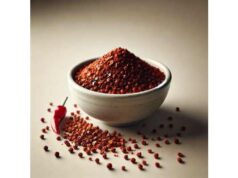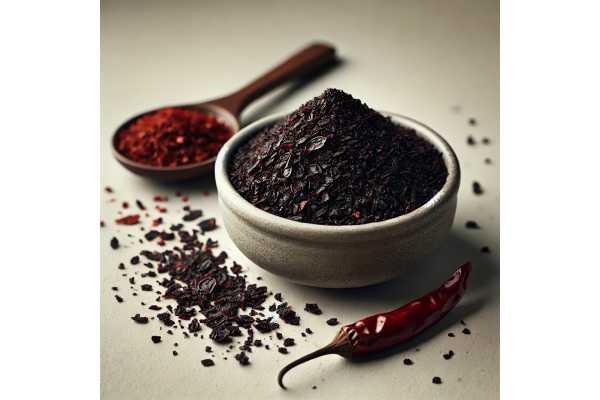
Urfa biber, also known as isot, is a deep burgundy-black chili flake from southeastern Turkey with a gentle, lingering heat and notes often compared to raisins, coffee, and dark chocolate. It is prized in Turkish and Middle Eastern cooking for the way it adds warmth, smokiness, and subtle sweetness without overwhelming a dish. Beyond flavor, Urfa biber is a dried Capsicum annuum pepper, so it contributes capsaicin and other plant compounds that have been studied for roles in metabolic, cardiovascular, and digestive health. At the same time, it remains a spice, not a cure-all, and individual tolerance to chili varies widely. This guide walks you through what makes Urfa biber unique: how it is produced, its nutrient profile, potential benefits, safety considerations, and practical ways to use it at home so you can enjoy it confidently and comfortably.
Urfa Biber At a Glance
- Provides smoky, fruity heat with very few calories per typical 1–2 teaspoon (2–4 g) serving.
- Supplies capsaicin and antioxidant compounds that may support metabolic and cardiovascular health when included in an overall healthy diet.
- May trigger heartburn, digestive discomfort, or irritation in people with reflux, ulcers, irritable bowel syndrome, or low spice tolerance.
- A practical culinary serving is about 1–2 teaspoons (2–4 g) in a shared dish, enjoyed a few times per week and adjusted to individual tolerance.
- People with chili allergy, active gastrointestinal disease, or children sensitive to spicy foods should limit or avoid Urfa biber and other hot peppers.
Table of Contents
- Understanding Urfa Biber Isot
- Urfa Biber Nutrition and Key Compounds
- Science-Backed Benefits of Urfa Biber
- Potential Risks and Sensitivities
- Choosing and Storing Quality Urfa Biber
- Cooking with Urfa Biber Isot
- Serving Sizes, Comparisons and Questions
Understanding Urfa Biber Isot
Urfa biber takes its name from Şanlıurfa, a city in southeastern Turkey near the Syrian border where the pepper has been cultivated and processed for generations. The spice is made from a local type of Capsicum annuum that ripens to a deep red on the plant but turns a dark maroon to purple-black once processed. The word “isot” is often used interchangeably with Urfa biber and roughly means “pepper” in Kurdish, reflecting its regional roots and everyday importance in local cooking.
What truly defines Urfa biber is the way it is dried and cured. The peppers are harvested when fully ripe, usually in late summer and early autumn. After stems and most seeds are removed, the peppers are sliced and spread out in the intense sun during the day. At night they are covered or placed into bags to “sweat.” Over several days this cycle of drying in the sun and softening in their own moisture gives the peppers a partially fermented character, a pliable texture, and a deep, glossy color. Some producers chop or crush the peppers and add small amounts of salt and oil to stabilize flavor and prevent overdrying.
The result is a flake that is noticeably different from bright red crushed chili. Urfa biber is moist to the touch, almost raisin-like, with a soft texture and an oily sheen. The aroma is complex: smoky and earthy with hints of dried fruit, cocoa, and coffee. The heat builds slowly and lingers rather than striking immediately. On the Scoville scale, Urfa biber is usually considered medium-hot, roughly in the range of a jalapeño, but its richness and sweetness often make it feel gentler and more rounded.
In Turkish cuisine, Urfa biber is used in kebab rubs, meatballs, stews, lentil dishes, and salads. It can be mixed into ground meat, stirred into tomato-based sauces, or sprinkled on top of grilled vegetables and eggs. It is also common at the table alongside other crushed chili flakes so diners can adjust the heat of their meal.
Today, “Urfa isot pepper” is recognized as a regional specialty in Turkey, acknowledging both the local pepper variety and the traditional production method. Outside Turkey, products labeled as Urfa biber may vary in quality, moisture level, and authenticity, which makes it especially helpful to know how it should look, smell, and taste when you are choosing a product for your kitchen.
Urfa Biber Nutrition and Key Compounds
Although it is used in small amounts, Urfa biber still contributes energy, small amounts of macronutrients, and an array of bioactive compounds. Analyses of comparable chili products suggest that per 100 g, dried pepper flakes provide a few hundred kilocalories, notable amounts of carbohydrate and fiber, and moderate protein, with relatively low levels of saturated fat. However, most people use a tiny fraction of that.
One teaspoon of moist Urfa biber flakes weighs roughly 2 g. At this serving size, the nutritional contribution is very modest: around 8–10 kcal, about 0.3 g of protein, 0.3 g of fat, and about 1 g of carbohydrate, including a small amount of naturally occurring sugars. It does not significantly change the calorie content of a dish unless you use very large quantities.
The sodium content is more variable. Pure dried peppers are naturally low in sodium, but some Urfa biber products have salt added during processing. If you use the spice generously or are following a low-sodium diet, it is worth checking the ingredient list and nutrition facts on the package.
Beyond macronutrients, Urfa biber contains a range of plant compounds typical of red chilies:
- Capsaicin and related capsaicinoids, which are responsible for the heat sensation and are often studied for their metabolic and cardiovascular effects.
- Carotenoids, such as capsanthin and beta-carotene, which give red peppers their color and act as antioxidants in the body. The dark color of Urfa biber reflects both these pigments and changes from the drying and “sweating” steps.
- Phenolic compounds, including various flavonoids and phenolic acids, which also have antioxidant and anti-inflammatory potential.
The drying process and storage conditions affect the final content of these compounds. Water-soluble vitamins like vitamin C decrease significantly during drying. Fat-soluble vitamins such as vitamin A (derived from carotenoids) and vitamin E are more stable, especially when the spice is stored away from heat, light, and air. Minerals such as potassium are present but are supplied only in small amounts at typical culinary serving sizes.
Urfa biber is also used as a paste or sauce in some products, often with added oil, salt, and sometimes sugar. These condiments can be more energy-dense. For example, some isot chili pastes provide roughly double the calories of plain flakes per 100 g and substantially more sugars due to added ingredients. For anyone monitoring energy or sugar intake, it is important to distinguish between pure Urfa flakes and mixed chili pastes and to use condiments more sparingly.
In everyday use, the most important nutritional contributions of Urfa biber come less from calories and more from its phytochemicals and its role in supporting a pattern of eating rich in vegetables, legumes, and whole grains. Used instead of heavy sauces or in place of some salt, it can help you build flavor while keeping dishes relatively light and plant-focused.
Science-Backed Benefits of Urfa Biber
There are no large clinical trials that focus exclusively on Urfa biber, but it belongs to the same species as many other red chili peppers, so research on chili consumption and capsaicin can provide meaningful insight. These findings should be interpreted as evidence about chili peppers and capsaicin in general, rather than as definitive data on this single regional variety.
Several large observational studies have examined patterns of spicy food or chili pepper consumption and long-term health outcomes. In these studies, people who regularly eat spicy foods several times per week often have lower rates of death from all causes and from cardiovascular disease compared with those who rarely eat spicy foods, even after adjusting for other lifestyle factors. These studies cannot prove that chili itself is the cause, but they suggest that including chili peppers in a generally healthy diet is compatible with good long-term health and might have modest benefits.
Controlled trials and reviews of capsaicin and related compounds shed more light on possible mechanisms. Research indicates that capsaicin can increase energy expenditure slightly, may influence fat oxidation, and can reduce appetite or energy intake in some individuals. This has led to the idea that chili-containing foods might support weight management efforts, especially when combined with balanced eating and physical activity. The measured effects in studies are usually modest rather than dramatic, which matches real-life experience: a pinch of Urfa biber alone will not cause weight loss, but it can make lower-calorie, higher-fiber meals more satisfying.
Capsaicin and other compounds in chilies also show antioxidant and anti-inflammatory effects in laboratory and animal research. These properties may contribute to better blood vessel function and improved cholesterol profiles. Some studies have observed favorable changes in blood lipids and blood sugar levels when capsaicin-rich foods or supplements are consumed regularly, though results vary between trials, and the dose and form of capsaicin differ widely.
From a practical standpoint, one of the most meaningful “benefits” of Urfa biber is that it can help you enjoy healthier meals. Its complex flavor means you can:
- Add depth to dishes without relying heavily on salt or sugar.
- Use less cream or cheese by leaning on spice and smoke for richness.
- Make plant-based dishes such as lentil soups, grain salads, or roasted vegetables feel more indulgent.
When spices like Urfa biber make vegetables, legumes, and whole grains more appealing, they indirectly support heart and metabolic health by encouraging you to choose these foods more often.
It is also important to keep perspective. Capsaicin is not a magic ingredient, and no spice can compensate for a generally unbalanced diet or sedentary lifestyle. The strongest benefits appear when chili consumption fits into an overall pattern that includes varied plant foods, healthy fats, regular movement, adequate sleep, and avoidance of smoking.
Potential Risks and Sensitivities
Even though Urfa biber has a relatively gentle, slow-building heat, it still contains capsaicin, and not everyone tolerates spicy foods well. Being aware of possible downsides allows you to adjust your intake in a way that respects your own limits.
The most common issues are digestive. Capsaicin activates nerve receptors in the mouth and throughout the gastrointestinal tract. In some people, this can cause a burning sensation, stomach discomfort, or increased bowel movements. Those with gastroesophageal reflux disease, peptic ulcers, gastritis, irritable bowel syndrome, inflammatory bowel disease, or hemorrhoids often report that spicy foods worsen their symptoms, particularly when eaten in larger amounts or on an empty stomach.
At very high intakes, especially from concentrated capsaicin products or extreme chili-eating contests, capsaicinoids can irritate the stomach lining and may provoke vomiting, severe abdominal pain, chest pain, or more serious complications. These scenarios usually involve doses far beyond what most people encounter in regular cooking, but they highlight why moderation is wise and why challenge products are not appropriate for children or for people with underlying health conditions.
True allergy to chili peppers is less common but has been documented. Symptoms can include itching or swelling in the mouth, hives, difficulty breathing, or, in severe cases, anaphylaxis. Anyone who suspects a chili allergy should seek evaluation by an allergist and avoid Urfa biber and other pepper products until medical advice is obtained.
Contact irritation is another practical concern. Handling large amounts of Urfa biber can cause burning or redness on exposed skin, and capsaicin can be particularly painful if it gets into the eyes. When cooking with generous amounts of the spice, it is helpful to wash your hands thoroughly afterward and avoid touching your face. Some professional cooks choose to wear gloves when they work with large quantities of hot peppers.
For people taking medications, culinary amounts of chili rarely cause direct interactions. However, because capsaicin can influence gut motility, sensations of pain, and, at higher doses, cardiovascular parameters, those on medications for heart conditions or blood pressure should be cautious with supplements that contain high doses of capsaicin. Urfa biber used in normal cooking is much milder than concentrated supplements, but if you have complex medical issues or take multiple medicines, it is reasonable to mention your typical diet to your healthcare provider.
Pregnant and breastfeeding individuals can typically include moderate amounts of chili in their diets if they are comfortable doing so. However, heartburn and reflux are common during pregnancy and may be aggravated by spicy dishes, and some infants seem sensitive to strong flavors in breast milk. In these cases, paying attention to symptoms and adjusting intake accordingly is sensible.
Children do not need to avoid all chili, but their small size and sometimes limited ability to describe discomfort justify a cautious introduction. Offering very small amounts, pairing spicy foods with cooling elements like yogurt or bread, and keeping very hot sauces and concentrated chili snacks out of reach can reduce the risk of distress or accidental overexposure.
Overall, Urfa biber is safe for many healthy adults when used in culinary quantities. Listening to your body, increasing your intake gradually, and avoiding extreme chili challenges are key strategies for using it safely.
Choosing and Storing Quality Urfa Biber
Because Urfa biber relies on careful drying, sweating, and handling, quality can vary widely from one producer to another. Choosing a good product and storing it properly will help you get the most from its flavor and aroma.
When shopping for Urfa biber, consider the following:
- Color and appearance: Good-quality Urfa biber typically has a deep burgundy to purplish-black color, not a flat brown or gray. Flakes are small, soft, and often a little glossy from natural oils.
- Texture: Fresh isot flakes feel slightly moist and pliable, almost like dried fruit. If the flakes are extremely dry, brittle, or dusty, the spice may be old or processed differently.
- Aroma: When you open the container, you should notice a complex smell with smoke, dried fruit, and gentle sweetness. A musty, stale, or rancid odor suggests poor storage or age.
- Ingredients: Many traditional products list only peppers, sometimes with a little salt and oil. Long ingredient lists or added colorings can signal a product that differs from authentic preparations.
If possible, buy from suppliers that describe their sourcing and methods clearly. Some producers highlight that they work with farmers around Şanlıurfa and follow traditional sun-drying practices. Labels mentioning “Urfa isot pepper” and regional heritage can be useful, though labeling standards differ between countries, so reputation and sensory cues remain important.
Sustainability is another aspect to keep in mind. Urfa biber production can be labor-intensive, especially when peppers are harvested and processed by hand and dried in the sun. Choosing brands that share information about their growers, support fair working conditions, or use environmentally conscious approaches allows you to align your purchases with your values. Organic certification, where available, may reduce pesticide exposure, but it is one of several possible indicators of thoughtful production rather than the only benchmark.
At home, proper storage protects both flavor and nutritional quality:
- Transfer the spice to an airtight container if the original packaging is not resealable.
- Keep it in a cool, dark place, away from sunlight, stovetops, and ovens. Heat and light accelerate the breakdown of aromatic compounds and pigments.
- Avoid introducing moisture. Do not sprinkle directly from the jar over steaming pots; instead, spoon out the amount you need.
Under suitable conditions, Urfa biber usually maintains good flavor for six to twelve months after opening. Over time, the aroma will gradually fade, and the color may lose some depth. If you buy a large quantity, you can store most of it sealed in the freezer and refill a small jar for everyday use. Freezing slows flavor loss without severely affecting texture.
Finally, trust your senses. If the spice no longer smells vibrant or tastes flat or off, it has probably passed its prime. Using fresh, fragrant Urfa biber makes a noticeable difference in everything from simple scrambled eggs to complex stews.
Cooking with Urfa Biber Isot
In the kitchen, Urfa biber is a flexible ingredient that can play a subtle background role or step forward as a defining flavor. Its slow-building heat and hints of smoke and dried fruit work well in both savory and sweet dishes.
One of the easiest ways to start is as a finishing touch. Sprinkle a pinch of Urfa biber over:
- Grilled meat, chicken, or kebabs
- Fried or scrambled eggs and vegetable omelets
- Hummus, bean dips, or yogurt-based sauces
- Roasted vegetables such as carrots, cauliflower, potatoes, or squash
Adding it at the end preserves its aroma and allows each person to adjust their own plate.
Urfa biber also shines when gently cooked into dishes. For a main course serving four people, try starting with about 1 teaspoon in:
- Tomato-based stews, Turkish-style meatballs, or bean casseroles
- Lentil soups or red lentil “meatballs”
- Stuffed peppers, eggplants, or other vegetables
- Grain pilafs with bulgur, rice, or quinoa
You can stir some of the spice in at the beginning so it melds into the sauce and add a little more toward the end to brighten the flavor. Because the heat builds with time and quantity, it is wise to start with less than you think you need, taste, and adjust over several cooking sessions.
Urfa biber’s dark, fruity notes make it an interesting partner for chocolate, coffee, and caramel. A small pinch in brownies, dark chocolate truffles, hot chocolate, or caramel sauce creates a gentle warmth that most people perceive after the first bite rather than as an aggressive burn. In desserts, amounts as small as 1/8 to 1/4 teaspoon per batch can be enough.
You can also use Urfa biber to make simple condiments:
- Urfa biber oil: Warm olive oil very gently, remove from the heat, and stir in Urfa flakes. Let the mixture cool and infuse. Drizzle the finished oil over grilled vegetables, grain bowls, or flatbreads. Store it in the refrigerator and use it within a week for best quality.
- Urfa yogurt sauce: Combine plain yogurt with a pinch of salt, a little minced garlic, a squeeze of lemon juice, and 1/2 to 1 teaspoon of Urfa biber. Serve with roasted vegetables, kebabs, falafel, or baked potatoes.
Regarding nutrients, capsaicin is relatively heat-stable, so normal cooking temperatures do not destroy it. Carotenoids are more sensitive to prolonged high heat and to light, but they are better absorbed when eaten with fat. Using Urfa biber in dishes that contain olive oil, yogurt, tahini, nuts, or seeds is traditional and may improve the absorption of fat-soluble compounds. Stirring some of the spice in toward the end of cooking or using it as a garnish can help preserve volatile aromas.
If you cook for people with different spice tolerance levels, consider building a mild base and then adding Urfa biber at the table or in a separate condiment. Cooling side dishes such as yogurt, cucumber salads, chopped herbs, and bread also help balance the heat and make spicy dishes more accessible.
With a little experimentation, Urfa biber can become one of your go-to spices, adding depth, warmth, and complexity to everyday meals.
Serving Sizes, Comparisons and Questions
Because Urfa biber is a seasoning rather than a staple food, there is no official recommended daily amount. Still, understanding practical serving sizes and how it compares to other peppers can help you use it comfortably.
For most healthy adults, a reasonable culinary portion is:
- About 1–2 teaspoons (2–4 g) of Urfa biber in a dish that serves two to four people.
- Smaller amounts, such as a pinch, when using it as a table condiment or garnish.
If you are new to Urfa biber or to spicy foods in general, start with half these amounts and gradually increase if you enjoy the flavor and feel well afterward. Everyone’s sensitivity to capsaicin differs, and past experiences with other chilies are a good guide.
A few common questions arise when people first explore this spice.
How does Urfa biber compare in heat to other chilies?
Urfa biber is usually milder than many dried red chili flakes used for pizza or pasta, which often come from hotter pepper varieties. Its heat level is often likened to that of a medium-hot fresh chili, but the perception is shaped by its smooth, rounded flavor. Many people find it easier to tolerate than brighter, sharper chilies of a similar strength because the sweetness and smokiness soften the heat.
Is Urfa biber the same as Aleppo pepper?
No. Aleppo pepper and Urfa biber are distinct regional peppers with different flavor profiles and processing methods. Aleppo is typically brighter red, somewhat tangy, and moderately hot, while Urfa is darker, smokier, and more raisin-like. Some recipes specify one or the other, but in many dishes they can be substituted, with the understanding that the flavor will change slightly.
Can Urfa biber be eaten every day?
If you tolerate spicy foods well and do not have conditions that flare with chili intake, small daily amounts of Urfa biber can fit into a varied diet. Many people in regions where chili is traditional eat spicy foods most days without issues. However, if you notice heartburn, abdominal discomfort, or other symptoms after eating it, it is sensible to cut back or take a break and discuss the pattern with a healthcare professional if symptoms persist.
Does isot paste count the same as the flakes?
Not exactly. Pastes and sauces made from Urfa peppers often include added oil, salt, and sometimes sugar, which change the nutritional profile. Flakes are mostly pure pepper and typically contribute very little sodium or calories per teaspoon, while pastes can be more energy-dense and saltier. If you are managing blood pressure, blood sugar, or body weight, you may want to use flakes as your main form of Urfa biber and treat pastes as occasional flavor extras.
Who should limit or avoid Urfa biber?
People with active ulcers, severe reflux, gastritis, inflammatory bowel disease, or a history of significant discomfort after spicy foods often need to limit or avoid chili, including Urfa biber. Anyone with a known or suspected allergy to peppers should not consume it unless cleared by an allergist. For children, very hot dishes and concentrated chili products are best avoided. In all of these cases, personal medical advice is more important than general guidance.
By viewing Urfa biber as a flexible flavor tool rather than a cure-all, you can adjust your use to your tastes, health status, and goals. That might mean a pinch on eggs a few times per week, a teaspoon in a family pot of lentil soup, or occasional use in chocolate desserts.
References
- Spicy Food and Chili Peppers and Multiple Health Outcomes: An Umbrella Review 2022 (Systematic Review)
- Dietary Capsaicin: A Spicy Way to Improve Cardio-Metabolic Health? 2022 (Review)
- Capsaicinoids and Capsinoids: A Potential Role for Weight Management? A Systematic Review of the Evidence 2012 (Systematic Review)
- High Capsaicin Levels Can Harbour Health Risks 2024 (Risk Assessment)
- Urfa biber 2024 (Culinary Overview)
Disclaimer
The information in this article is intended for general educational purposes only and is not a substitute for professional medical advice, diagnosis, or treatment. Individual responses to spicy foods such as Urfa biber can vary, especially in the presence of digestive conditions, allergies, or other medical issues. Always seek the advice of your physician, dietitian, or another qualified health provider with any questions you may have about your diet, health status, or a specific medical condition, and never disregard professional advice because of something you have read here.
If you found this article useful, you are welcome to share it on Facebook, X (formerly Twitter), or any other platform you prefer. Sharing helps more readers discover balanced, evidence-informed nutrition content and supports our ability to continue producing resources like this one.