Utskho suneli, often translated as “foreign spice,” is one of the quiet essentials of Georgian cooking. Made from blue fenugreek (Trigonella caerulea), it brings a nutty, hay-like aroma with mild bitterness and gentle sweetness that defines many classic dishes from the Caucasus. Even though it is used in small amounts, utskho suneli still contributes useful plant compounds, including flavonoids and other phytochemicals with antioxidant potential. At the same time, it belongs to the wider fenugreek family, so some of its safety considerations overlap with those of common fenugreek used in teas or supplements.
This guide explains what utskho suneli actually is, how it differs from ordinary fenugreek, and what is known about its nutrition and health effects. You will also find clear guidance on who should be cautious, how much to use in everyday cooking, and how to choose and store high-quality blue fenugreek. The goal is to help you enjoy this distinctive spice confidently, as part of a balanced, flavorful diet.
Utskho Suneli At a Glance
- Traditional Georgian spice made from blue fenugreek, used mainly for aroma and savory depth.
- Provides phytochemicals with antioxidant activity but only minimal calories at typical 1–2 g portions.
- A practical culinary serving is about 1/2–1 teaspoon (1–2 g) per dish, used a few times per week for most healthy adults.
- People with legume or fenugreek allergy, or those on blood sugar–lowering or anticoagulant medication, should be cautious or seek medical advice.
- Pregnant individuals and those with complex medical conditions are generally advised to avoid high, supplement-like intakes and stick to modest culinary use only if cleared by a clinician.
Table of Contents
- What Utskho Suneli Is
- Utskho Suneli Nutrition and Compounds
- Health Effects of Utskho Suneli
- Safety, Intolerance and Drug Interactions
- Buying, Quality and Storage Tips
- Cooking with Utskho Suneli
- Portions, Comparisons and FAQs
What Utskho Suneli Is
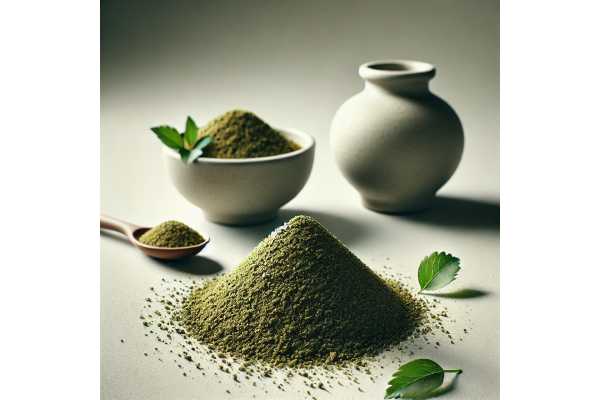
Utskho suneli is the Georgian name for a spice made from the plant blue fenugreek, known botanically as Trigonella caerulea. It belongs to the same genus as common fenugreek, but its aroma is gentler and more herb-like. Where ordinary fenugreek seed smells distinctly like maple syrup and can be quite bitter if overused, utskho suneli is softer, with notes often described as dried hay, walnuts, and a light, savory sweetness.
The plant itself is an annual herb in the pea family. It typically grows 30–60 cm tall, with trifoliate leaves and small blue flower heads. After flowering, it forms narrow pods containing seeds. Depending on regional practice and producer, utskho suneli may be made from the dried seeds, the dried aerial parts, or a carefully standardized mixture of pods, seeds, and herb. These plant parts are dried and then finely ground to give the characteristic powder.
Within Georgia, utskho suneli is deeply woven into culinary tradition. It is a key component of khmeli suneli, the classic Georgian seasoning mix that also includes coriander, dill, marigold petals, savory, and other herbs. It adds background complexity to bean stews such as lobio, to walnut-based sauces like satsivi, and to sauces, soups, and spice rubs for poultry and lamb. Many cooks consider it essential for creating a recognizably “Georgian” flavor profile.
Beyond Georgia, blue fenugreek has appeared in other European food cultures. In parts of Central Europe, related products are used to flavor cheeses and breads, which hints at its long history as a regional aromatic herb. Still, utskho suneli remains less widely known than common fenugreek seed, and outside specialty shops it is often absent from standard spice racks.
The name “utskho suneli” is sometimes translated as “foreign spice” or “strange spice,” a reflection of historical trade and shifting culinary borders. Today, however, it is strongly associated with local identity in Georgia. Understanding this background helps explain both why the spice is prized and why it should be approached with respect: it is a traditional flavoring ingredient, not a new superfood or a quick health fix.
Utskho Suneli Nutrition and Compounds
Like most dried herbs and spices, utskho suneli is used in gram-level quantities. This means its contribution to daily calorie and macronutrient intake is small, but its impact through flavor and phytochemicals can still be meaningful.
On a basic nutritional level, blue fenugreek contains carbohydrates, small amounts of protein, and a modest fat fraction that includes essential fatty acids. A typical 1 teaspoon (about 2 g) serving of utskho suneli contributes only a few kilocalories, less than half a gram each of protein and fat, and roughly one gram of carbohydrate. For most people, this amount is nutritionally negligible in energy terms.
More interesting is the spice’s content of micronutrients and specialized plant compounds. Analyses of blue fenugreek herb and seeds show:
- Flavonoids such as quercetin and kaempferol derivatives. These belong to a family of polyphenols widely studied for antioxidant and anti-inflammatory potential.
- Volatile compounds including various aldehydes, esters, and terpenoids that define its aroma and may influence appetite and digestive responses.
- Small amounts of vitamins (for example, provitamin A carotenoids and vitamin C) and minerals such as iron, magnesium, and potassium.
Because utskho suneli is consumed in such small quantities, it is not a major source of any single vitamin or mineral. However, the combined intake of many herbs and spices over time can add up, contributing to the overall pool of phytochemicals and micronutrients in a diet.
The antioxidant capacity of blue fenugreek is of particular interest. Laboratory tests on Georgian spices used in meat preparation show that blue fenugreek, alone or in blends, can scavenge free radicals and protect fats from oxidation in experimental settings. While these in-vitro results do not directly translate into clinical outcomes, they support the idea that utskho suneli contributes to the antioxidant “background” of traditional dishes.
One practical nutrition detail to note is sodium. Pure utskho suneli made exclusively from blue fenugreek contains very little naturally occurring sodium. Any significant salt content found on a label usually comes from added salt in blended products. Georgian seasoning mixes that contain utskho suneli alongside salt, garlic, and other flavorings can be quite salty, so they should be distinguished from pure blue fenugreek powder when you are evaluating overall sodium intake.
Finally, as a legume-derived product, utskho suneli includes small amounts of legume proteins and fibers similar to those found in peas, beans, and common fenugreek. For most people, this is simply part of its nutritional makeup. For individuals with legume allergies or sensitivities, however, these components may be relevant and are addressed in the safety section.
Health Effects of Utskho Suneli
There is currently limited research that focuses specifically on utskho suneli as a distinct ingredient. Most of what we know about health effects comes from detailed chemical studies of blue fenugreek and from broader clinical research on common fenugreek seeds and extracts. It is important to keep this distinction in mind: the spice you sprinkle into a stew is not the same as a high-dose supplement taken for therapeutic purposes.
Clinical trials on fenugreek have looked most closely at blood sugar and blood lipids. Across multiple studies, participants with type 2 diabetes or prediabetes who consumed fenugreek seeds or standardized extracts at doses of several grams per day often showed modest reductions in fasting blood glucose, improved glucose handling after meals, and small improvements in markers such as total cholesterol and triglycerides. These effects seem to be linked to components like soluble fiber, saponins, amino acids, and various polyphenols.
Blue fenugreek shares many of these families of compounds, suggesting that it may have similar biological properties in principle. Its flavonoid content, for example, points toward antioxidant and anti-inflammatory potential, while its fiber and other plant constituents may have gentle effects on digestion or appetite. However, the amounts used in everyday cooking are much smaller than the doses used in research. A stew flavored with a teaspoon of utskho suneli for four people contains far less fenugreek material than a daily supplement.
Laboratory studies on Georgian spice blends that include blue fenugreek have found that they can inhibit oxidation of fats and neutralize certain free radicals in test systems. This aligns with the general understanding that herbs and spices, when used regularly, can make small contributions to the body’s overall antioxidant defenses. In a real-life context, these contributions are best viewed as part of a broader pattern of eating that includes vegetables, fruits, pulses, nuts, seeds, and whole grains.
Another way utskho suneli may support health is indirect: by making nutritionally rich foods more appealing. Georgian dishes that rely on utskho suneli, such as bean stews, walnut-based sauces, and vegetable spreads, are often built around legumes and nuts, which are themselves associated with better heart and metabolic health. When spices draw you toward these types of meals, they help align your diet with patterns known to be beneficial.
It is also worth noting what utskho suneli is not. It is not a stand-alone treatment for diabetes, high cholesterol, or hormonal problems. The impressive results sometimes highlighted in fenugreek seed studies involve specific doses taken under trial conditions and are not automatically reproduced by adding a pinch of spice to food. Positioning utskho suneli as a tasty, potentially supportive component of a broader healthy lifestyle is more realistic than expecting direct therapeutic effects.
Overall, for most healthy adults, the likely health impact of utskho suneli at culinary doses is modest but positive: a small addition to antioxidant intake, a contribution to enjoyable, plant-forward meals, and a way to deepen flavor without relying heavily on salt or saturated fat.
Safety, Intolerance and Drug Interactions
Although utskho suneli is a traditional food ingredient and generally safe for many people when used in small amounts, it is still important to consider potential risks, especially if you have allergies or medical conditions.
Allergy is the most serious concern. Fenugreek belongs to the legume family, which includes peanuts, chickpeas, lentils, and soy. Studies and case reports indicate that people with allergies to certain legumes, particularly peanuts and chickpeas, may react to fenugreek due to shared or cross-reactive proteins. Blue fenugreek is closely related and may pose similar risks. Symptoms can include itching, hives, swelling of the lips or tongue, breathing difficulties, or, in severe cases, anaphylaxis. Anyone with a known legume or fenugreek allergy should avoid utskho suneli unless specifically cleared by an allergy specialist.
Digestive tolerance is another area to consider. At higher intakes, fenugreek products can cause gastrointestinal symptoms such as bloating, gas, and loose stools. These effects are most often reported with supplements or large amounts of seeds, where the soluble fiber and saponin content is significant. Utskho suneli used as a spice is typically consumed in much smaller quantities, so many people notice no digestive issues at all. However, if you have irritable bowel syndrome or a very sensitive gut, it is still wise to introduce the spice gradually and pay attention to how you feel.
People with diabetes or prediabetes who use medications to lower blood sugar should be especially cautious with fenugreek supplements, since there is evidence that these can enhance glucose-lowering effects and, in theory, increase the risk of low blood sugar if not monitored. Culinary use of utskho suneli in normal amounts is unlikely to cause major shifts, but if you are tightly managing blood sugar and decide to increase your intake of fenugreek-containing foods or start a supplement, it is prudent to discuss this with your healthcare provider.
Pregnancy deserves particular attention. Fenugreek has a long history of traditional use for both stimulating labor and supporting milk production. Because of this, and because some reports describe uterine activity and possible adverse events at high doses, many professionals advise avoiding fenugreek supplements during pregnancy. Culinary amounts of utskho suneli in food are probably of lower concern but are still part of the same botanical family. For pregnant individuals, the safest approach is to keep intake modest and check with a clinician before making it a frequent part of the diet.
There are also potential interactions with blood-thinning medications. Fenugreek seeds contain compounds that may influence blood clotting or platelet function. While the evidence is not yet robust, it suggests that large amounts of fenugreek could, in some cases, amplify the effects of anticoagulant or antiplatelet drugs. People taking such medications should treat frequent use of fenugreek-based supplements with caution and seek individual medical advice. Again, culinary utskho suneli in small quantities is a much lower exposure but still worth mentioning to your care team if you use it regularly.
Finally, because utskho suneli is a processed agricultural product, the usual food safety considerations apply: avoid spices that look moldy or smell rancid, store them properly, and purchase from reputable sources that follow hygiene and quality standards.
In summary, utskho suneli is generally safe for most healthy adults in typical cooking amounts. Extra care or professional guidance is advisable if you have legume allergies, diabetes treated with medications, are pregnant or breastfeeding, or take blood-thinning or other high-risk drugs.
Buying, Quality and Storage Tips
Because utskho suneli is still a niche spice in many markets, finding good quality can take a bit of attention. It is worth the effort: fresh, well-made blue fenugreek powder has a much more vivid aroma than old, tired stock.
When shopping, the first step is to check the ingredient list. Ideally, it should specify blue fenugreek or Trigonella caerulea and list no other ingredients. Some specialty products will note that the spice was grown or processed in Georgia. Blends that include utskho suneli as part of a wider seasoning, such as khmeli suneli or Svanetian salt, are useful too, but they are not the same as pure blue fenugreek and may contain salt, additional spices, or anti-caking agents.
Visual cues also help:
- Color: Fresh utskho suneli typically ranges from greenish-beige to olive-brown. A dull gray or very dark brown color may signal older stock or overheating during drying.
- Texture: The powder should be fine and relatively uniform, without large hard chunks. Slight clumping is normal in fresher, more aromatic spices, but heavy lumps can indicate moisture problems.
- Aroma: Open the container and inhale gently. You should detect a hay-like, nutty scent with mild bitterness and a lingering savory note. A flat or musty smell suggests lost volatiles or poor storage.
Whenever possible, buy from suppliers that provide information about harvest or packing dates, not just “best before” dates. Specialist shops that focus on Georgian or Caucasian ingredients often turnover stock more quickly and may give more detail on sourcing.
Sustainability is an emerging consideration for spices, and blue fenugreek is no exception. As a legume, the plant naturally fixes nitrogen in the soil, which can reduce the need for synthetic fertilizers and support soil health. Many blue fenugreek crops are grown on small plots in mountainous areas, often as part of mixed farming systems. Looking for brands that highlight direct relationships with growers, fair payment, and environmentally aware practices is one way to support better supply chains, even when formal certifications are not present.
At home, proper storage is crucial for maintaining flavor and minimizing waste:
- Transfer utskho suneli to an airtight container if the original package is flimsy or cannot be resealed. Glass jars with tight lids work well.
- Store the container in a cool, dark, dry place—away from direct sunlight, stoves, ovens, and dishwashers. Heat and light speed up the breakdown of aromatic compounds.
- Avoid introducing moisture. Do not sprinkle directly from the jar over steaming pots; instead, spoon out what you need into a separate dish.
Under good conditions, ground utskho suneli will usually retain its best flavor for about six to twelve months. After that, it is still safe to consume if there is no sign of mold or off-odors, but the aroma will gradually fade. If you buy larger quantities, you can keep a small jar for daily use and store the rest in a well-sealed container in a cool cupboard or freezer, topping up as needed.
By paying attention to sourcing, packaging, and storage, you can ensure that the utskho suneli you use at home reflects the vivid flavor that makes Georgian cuisine so distinctive.
Cooking with Utskho Suneli
Cooking with utskho suneli is about subtlety. It is not meant to dominate a dish but to add depth and a characteristic background note that ties ingredients together. If you are new to it, think of it as an aromatic herb-spice hybrid rather than a strong chili or curry-type seasoning.
A simple starting guideline is about 1/2 teaspoon of ground utskho suneli for a dish that serves four people. For very robust, richly seasoned dishes, you might use up to one teaspoon, especially if it is combined with other spices. It is always easier to add a little more than to fix a dish that tastes overly bitter or herbal.
Some practical ways to use utskho suneli:
- Bloom in fat: Add the spice to warm oil or butter near the beginning of cooking, together with onion, garlic, or other aromatics. Gentle heat helps release fat-soluble flavor compounds.
- Combine with other spices: Pair utskho suneli with ground coriander, paprika, dried marigold petals, garlic, chili, and fresh herbs like cilantro or parsley. These combinations mirror classic Georgian blends and create complex, layered flavors.
- Add in stages: Use a small portion early in cooking so it infuses the dish and another sprinkle near the end to refresh the aroma.
Traditional Georgian uses include:
- Bean dishes such as lobio, where utskho suneli enhances the earthiness of red or kidney beans.
- Walnut sauces like satsivi, where the spice supports the richness of ground walnuts, garlic, and stock.
- Meat soups and stews that feature beef, lamb, or chicken, adding warmth without heavy heat.
- Vegetable spreads and salads (pkhali) made from spinach, beetroot, or eggplant bound with walnuts and spices.
Beyond Georgian recipes, you can experiment more broadly. A pinch of utskho suneli can add a distinctive note to lentil soup, chickpea stew, roasted root vegetables, or even wholegrain breads. It works particularly well in dishes that already contain nuts, beans, or hearty vegetables.
From a nutritional angle, the main concern in cooking is preserving aroma rather than maximizing vitamin content. Many of the volatile aroma compounds in blue fenugreek are sensitive to prolonged high heat. To balance flavor and practicality:
- Avoid frying the spice in very hot oil for long periods.
- For long-simmering dishes, consider adding part of the spice late in the cooking process.
- If you can access whole blue fenugreek seeds, lightly toasting and grinding them fresh just before use can significantly boost fragrance.
Because utskho suneli has no notable spiciness or heat, it is generally well tolerated by people who do not enjoy hot chili. The main risk of overuse is bitterness. If a dish tastes too bitter, you can sometimes balance it by adding more fat, a little acidity (such as vinegar or lemon juice), or a touch of sweetness from tomato paste or caramelized onions.
Over time, as you get used to its character, you may find yourself reaching for utskho suneli whenever you want to give legumes, nuts, and vegetables a slightly more complex, savory profile.
Portions, Comparisons and FAQs
Because utskho suneli is a seasoning, not a staple, there is no official recommended daily allowance. The most practical way to think about portions is in relation to taste and tolerance, while staying well below the doses used in fenugreek supplements.
For most healthy adults, the following guidelines are sensible:
- Per dish: Around 1/4–1 teaspoon (approximately 0.5–2 g) of utskho suneli for a recipe that serves three to four people.
- Frequency: Using the spice several times per week in different dishes is generally reasonable, assuming you have no relevant medical conditions or allergies and are not taking high-dose fenugreek supplements at the same time.
If you are new to the spice, start at the lower end of the range. This allows you to learn how it behaves in your recipes and how you personally respond to it.
Common questions include:
How does utskho suneli differ from regular fenugreek?
Utskho suneli comes from blue fenugreek, while the “fenugreek” sold in most supermarkets is from common fenugreek seeds. Blue fenugreek has a milder, more herbaceous, hay-like aroma, whereas common fenugreek is stronger, with a maple-like sweetness and pronounced bitterness when overtoasted. In Georgian cooking, utskho suneli is prized for its subtlety and is seldom replaced directly with ordinary fenugreek.
Can I substitute regular fenugreek if I cannot find utskho suneli?
You can try a cautious substitution by combining a small amount of ground fenugreek seed with milder herbs, but the flavor will not be identical. Using the same quantity of common fenugreek as a recipe calls for utskho suneli often results in an unbalanced dish. If you must substitute, start with about half the amount and adjust gradually, tasting as you go.
Is utskho suneli suitable for vegetarian or vegan diets?
Yes. It is a plant-based spice and fits naturally into vegetarian and vegan cooking. Many traditional Georgian dishes that feature utskho suneli are themselves vegetarian, based on beans, walnuts, and vegetables.
Is it gluten-free?
Pure utskho suneli is naturally gluten-free. However, cross-contamination can occur during processing or packaging, and some spice blends may include gluten-containing ingredients. If you have celiac disease or strict gluten intolerance, look for products that explicitly state they are gluten-free and produced in controlled facilities.
Can children eat utskho suneli?
In traditional settings, children often eat family meals that contain small amounts of utskho suneli without problems. Because it is not a hot spice, there is no burning sensation as with chili. The main concern is allergy: if a child has known legume allergies or a history of reactions to fenugreek or peanut, utskho suneli should be avoided unless a specialist advises otherwise. As with any new food, introduce it gradually and monitor for any unusual symptoms.
Does utskho suneli support weight loss or hormone balance?
Claims that blue fenugreek–based spices can directly promote weight loss or correct hormonal issues are not well supported by evidence at normal cooking doses. Research on fenugreek seeds suggests possible benefits for blood sugar and lipid management at supplement-level intakes, but this is different from using utskho suneli in a stew. It is more realistic to see the spice as part of a pattern of eating that emphasizes beans, nuts, vegetables, and whole grains—foods that, together with overall lifestyle, have far stronger effects on weight and metabolic health.
If you have specific health concerns or are considering high-dose fenugreek supplements in addition to culinary spices, discussing your plan with a healthcare professional is always the safest course.
References
- Phytochemical Profile of Trigonella caerulea (Blue Fenugreek) Herb and Quantification of Aroma-Determining Constituents 2023 (Systematic Phytochemical Study)
- The Effect of Fenugreek in Type 2 Diabetes and Prediabetes: A Systematic Review and Meta-Analysis of Randomized Controlled Trials 2023 (Systematic Review and Meta-Analysis)
- Effect of Fenugreek on Hyperglycemia: A Systematic Review and Meta-Analysis 2023 (Systematic Review and Meta-Analysis)
- The Multifaceted Potential of Fenugreek Seeds: From Health Benefits to Food and Nanotechnology Applications 2024 (Narrative Review)
- Fenugreek 2024 (General Botanical and Culinary Overview)
Disclaimer
The information in this article is intended for general educational purposes only and does not replace personalized advice from a qualified healthcare professional. Utskho suneli and other fenugreek-based products should not be used to diagnose, treat, cure, or prevent any disease without medical supervision. If you have a medical condition, take prescription medications, are pregnant or breastfeeding, or have known food allergies, consult your healthcare provider before making significant changes to your diet or using herbal supplements or spices more intensively than usual.
If you found this article helpful, you are welcome to share it on Facebook, X (formerly Twitter), or any other platform you prefer. Your thoughtful support helps more readers access reliable information and allows us to continue creating careful, evidence-informed content.