Vanilla is one of the world’s most familiar flavors, yet it is also one of the most complex. Made from the cured pods of tropical orchids, natural vanilla brings hundreds of aroma compounds together in a delicate balance of warmth, sweetness, and floral notes. It shows up in ice cream, cakes, custards, chocolate, coffee drinks, and even savory dishes, quietly tying flavors together rather than stealing the spotlight. Beyond its culinary appeal, vanilla contains bioactive compounds such as vanillin and vanillic acid that have been studied for antioxidant and anti-inflammatory properties. At the same time, modern food production offers everything from pure vanilla beans to concentrated extracts, pastes, powders, and synthetic imitation flavorings, each with different nutritional and safety considerations. This guide walks you through how vanilla is produced, what is actually in it, potential health benefits, risks, and how to choose and use it wisely in everyday cooking.
Vanilla Quick Overview
- Vanilla beans and pure extract provide intense aroma with negligible calories at typical culinary amounts.
- Key vanilla compounds such as vanillin and vanillic acid show antioxidant and anti-inflammatory activity in experimental research, though culinary doses are modest.
- A typical serving is about 0.5–1 teaspoon (2–4 ml) of vanilla extract or the seeds from 1/4–1/2 pod, used a few times per week in cooking or baking.
- People who must avoid alcohol, who have fragrance or spice allergies, or who are highly sensitive to migraines should choose alcohol-free or low-intensity vanilla options and monitor reactions.
- Individuals with strict alcohol restrictions, a history of spice-related contact dermatitis, or repeated reactions to flavored products should seek personalized medical advice before frequent use.
Table of Contents
- Vanilla Origins and Forms
- Vanilla Nutrition Profile and Key Compounds
- Evidence-Based Benefits of Vanilla
- Vanilla Risks, Allergies and Interactions
- Choosing Quality Vanilla and Storage
- Using Vanilla in Cooking and Maximizing Aroma
- Portions, Vanilla Comparisons and FAQs
Vanilla Origins and Forms
Vanilla comes from the cured seed pods of climbing orchids in the genus Vanilla, most notably Vanilla planifolia and Vanilla tahitensis. The plants are native to Mesoamerica, where Indigenous cultures used vanilla long before it reached Europe or the rest of the world. Today, much of the world’s vanilla is grown in Madagascar and other tropical regions including Réunion, Indonesia, Uganda, Papua New Guinea, and Mexico.
Vanilla cultivation is labor-intensive. The orchid flowers open for only about one day, and outside their native habitat they often lack natural pollinators. Farmers hand-pollinate each flower, then wait several months for the pods to mature. After harvesting, the green pods go through a multi-step curing process that may include blanching, sweating, sun-drying, and conditioning. This controlled fermentation and drying can take many weeks and is what develops the characteristic deep brown color and complex aroma, including crystals of vanillin that sometimes appear on high-quality beans.
In the kitchen, vanilla is available in several main forms:
- Whole beans (pods): Soft, oily, and flexible pods with a glossy surface and strong aroma. The tiny black seeds inside are scraped out for recipes, while the pods are often infused in liquids or sugar.
- Pure vanilla extract: A solution made by macerating and percolating chopped beans in a mixture of water and ethanol, typically at a specified minimum concentration of vanilla bean solids and alcohol. This is the most common home baking form.
- Vanilla paste: A thick mixture that usually contains concentrated extract, ground seeds, and a sweetener or thickener. It offers the look of vanilla specks with a strong flavor and is easy to measure.
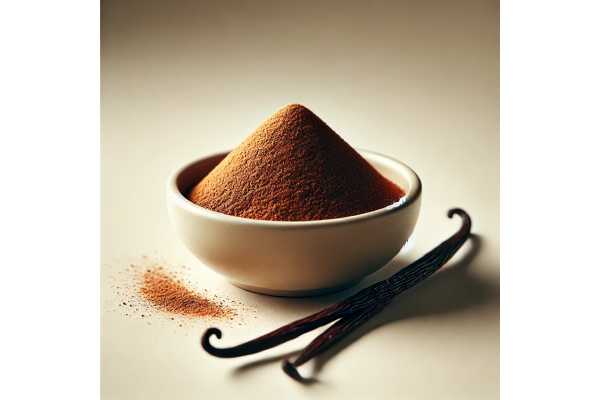
- Vanilla powder: Can refer either to finely ground whole beans or to a de-alcoholized extract sprayed onto a carrier such as sugar or maltodextrin. The nutritional and flavor profile depends heavily on the formulation.
- Imitation vanilla or artificial vanilla flavor: A flavoring that relies primarily on synthetic or isolated vanillin and sometimes related compounds. It delivers a recognizable vanilla taste but usually lacks the nuance of natural vanilla, which contains hundreds of volatile components.
Each form differs in flavor intensity and use. Whole beans and high-quality extracts provide the most layered aroma and are favored for custards, ice creams, and pastry creams, where vanilla is a central note. Pastes and powders are convenient for batters and frostings. Imitation vanilla is commonly used in large-scale food manufacturing, where cost and consistency matter more than subtlety.
Because vanilla is added in small quantities, it rarely contributes much energy or macronutrients to a dish. Its main role is sensory: rounding out sweetness, softening sharp flavors, and enhancing the perception of creaminess and indulgence even in simple preparations such as yogurt, oatmeal, or fruit.
Vanilla Nutrition Profile and Key Compounds
Vanilla is used in tiny amounts, so its nutritional impact is modest. However, understanding what is in vanilla helps explain both its flavor and its potential health effects.
For whole vanilla beans, the underlying composition per 100 grams looks similar to other dried plant products: roughly a few hundred kilocalories, primarily from carbohydrates, with small amounts of protein and fat, plus trace minerals like calcium, magnesium, potassium, and manganese. In practical terms, though, a typical recipe might use one whole bean (about 4–5 grams) for an entire dessert that serves several people. The amount each person consumes is a fraction of a gram of solids, contributing only a few calories at most.
Vanilla extract has a different profile because it is a liquid mixture of water, ethanol, and soluble components from the bean. A teaspoon (about 4 grams) of a standard pure vanilla extract typically provides around 12 kilocalories, almost entirely from carbohydrates and alcohol, with negligible fat and protein. It contains small amounts of minerals such as calcium, potassium, and magnesium, but these are far below daily requirements in normal serving sizes. Alcohol is the second major component after water, which matters for people who avoid alcohol for medical, religious, or personal reasons.
Vanilla paste, sugars, and flavored syrups can be significantly higher in sugar and energy. For example, vanilla-flavored coffee syrups or dessert sauces may contain several grams of added sugar per tablespoon. When assessing the nutritional impact of “vanilla-flavored” products, the sugar and fat content of the base product matter far more than the vanilla itself.
The more interesting part of vanilla’s composition lies in its bioactive compounds:
- Vanillin: The primary flavor compound responsible for the characteristic vanilla aroma. Vanillin is a phenolic aldehyde with antioxidant activity in experimental systems.
- Vanillic acid and related phenolic acids: Oxidation products and related molecules that also show antioxidant and mild anti-inflammatory effects in cell and animal models.
- Additional aroma molecules: Including p-hydroxybenzaldehyde, p-hydroxybenzoic acid, various esters, lactones, and minor terpenoids, which contribute floral, spicy, and fruity nuances.
- Trace vitamins: Small amounts of B vitamins are present in vanilla beans, although not in quantities that meaningfully affect daily intake.
In natural vanilla, these compounds occur as part of a complex mixture, while in imitation vanilla, the flavor is dominated by isolated vanillin (often produced from lignin, guaiacol, or other precursors). From a health perspective, both natural and synthetic vanillin have been evaluated as flavoring substances and are considered safe at authorized use levels. However, the broader mix of minor compounds in natural vanilla may contribute additional aroma complexity and a slightly different antioxidant profile.
Because culinary use involves very small quantities, vanilla is best seen nutritionally as a low-calorie flavor tool rather than a major source of vitamins, minerals, or macronutrients. Its primary “nutrition impact” in everyday cooking comes indirectly: by allowing recipes to taste rich and satisfying even when sugar or fat levels are modestly reduced.
Evidence-Based Benefits of Vanilla
Most research on vanilla’s potential health effects focuses on its main bioactive compounds, especially vanillin and vanillic acid, rather than on culinary vanilla as a whole food. These studies are often conducted in cells, animals, or specialized formulations. They provide insight into mechanisms but do not mean that a teaspoon of vanilla extract behaves like a high-dose supplement.
Several experimental models have found that vanillin and related phenolic compounds can act as antioxidants. They help neutralize reactive oxygen species and reduce oxidative damage to lipids, proteins, and DNA under controlled conditions. In inflammatory models, vanillin has been observed to influence key signaling pathways, including those that regulate cytokines and enzymes such as cyclooxygenase and inducible nitric oxide synthase. This translates into reductions in markers of inflammation and tissue damage in animals exposed to inflammatory stimuli.
Beyond inflammation, vanillin and its derivatives have been studied for wide-ranging actions, including antimicrobial, neuroprotective, and potential anticancer effects. At the cellular level, vanillin can affect pathways related to cell proliferation, programmed cell death, and microbial growth. In animal models, vanillin has shown protective effects in settings such as chemically induced colitis or acute liver injury, often in conjunction with reduced oxidative stress and inflammatory markers.
There is also interest in how vanilla’s aroma influences mood and perceived stress. Fragrance studies suggest that pleasant scents, including vanilla-like aromas, can reduce reported anxiety and improve subjective feelings of calm in specific situations, such as imaging procedures or stressful waiting areas. These effects appear to be modest but meaningful for comfort and quality of experience. The mechanisms are thought to involve the close connection between olfaction and brain regions that regulate emotion and memory.
From a more practical nutrition angle, vanilla can support healthier eating patterns by enhancing the perception of sweetness and satisfaction in reduced-sugar products. Research on flavored foods indicates that adding vanilla to dairy desserts, drinks, or baked goods can make them taste sweeter or more indulgent even when sugar content is lowered. This effect is especially useful for individuals who are trying to cut back on added sugars without feeling deprived.
It is important, however, to keep perspective. The doses of vanillin used in experimental studies are usually much higher than those obtained from normal culinary use. While these findings support the idea that vanilla compounds are biologically active and generally compatible with human physiology, they do not justify treating vanilla as a stand-alone therapy for any medical condition. At the table, vanilla’s evidence-based benefits are best understood as:
- contributing small amounts of antioxidant phenolics to the diet,
- providing a calming, pleasant aroma that may modestly support relaxation,
- helping reduce reliance on sugar by amplifying perceived sweetness and flavor richness.
Using vanilla in balanced recipes can therefore reinforce broader dietary and lifestyle strategies aimed at reducing sugar intake, enjoying food more, and supporting overall well-being.
Vanilla Risks, Allergies and Interactions
For most people, culinary amounts of vanilla are considered safe. However, as with any bioactive plant product, there are potential risks, especially in sensitive individuals or when concentrated forms are used inappropriately.
True allergies to vanilla beans or vanillin are uncommon but documented. People with such allergies may experience symptoms like itching, hives, swelling of the lips or tongue, wheezing, or gastrointestinal discomfort after consuming or inhaling vanilla-containing products. Occupational exposure is a particular issue for plantation workers and people who handle large amounts of vanilla or flavorings, where repeated contact with plant sap or dust may lead to a specific type of contact dermatitis sometimes called “vanillism.” Skin symptoms can include redness, dryness, and irritation.
Some individuals who experience migraines report that strongly flavored foods, including those with vanilla or vanillin, can trigger or worsen attacks. The mechanism is not fully understood and may involve sensitivity to specific aroma compounds or their interaction with the nervous system. Anyone who notices a consistent pattern of headaches after consuming vanilla-flavored products should discuss this with a healthcare professional and consider an elimination and reintroduction trial under guidance.
Pure vanilla extract contains significant amounts of ethanol. A teaspoon can supply over a gram of alcohol, though much of this evaporates during baking. For healthy adults, this is not normally a concern, especially when divided among multiple portions of a baked dessert. However, it matters for:
- Children consuming no-bake dishes or frostings made with large amounts of extract.
- People with liver disease, alcohol use disorder, or strict religious or personal avoidance of alcohol.
- Situations where alcohol exposure must be minimized, such as certain medication regimens.
For these groups, alcohol-free vanilla flavorings, vanilla paste with a non-alcohol base, or products made with whole beans and infused into cream, milk, or syrup may be more appropriate.
Synthetic imitation vanilla can raise additional questions. Food-grade vanillin and related flavoring substances have undergone safety evaluations and are generally recognized as safe at regulated levels. However, some low-quality or improperly regulated flavorings could contain impurities or contaminants from starting materials and processing steps. In practice, choosing products from reputable producers and avoiding very cheap, unlabeled flavorings is the best way to minimize risk.
Drug interactions are unlikely at culinary doses, since the amount of active compounds is small. Still, caution is sensible for:
- People taking medications that strongly affect the liver, where large quantities of alcohol-based extract or high-dose supplements might contribute to overall liver burden.
- Individuals using concentrated vanilla essential oils or aromatherapy products undiluted on the skin, which can cause local irritation or sensitization.
As a general rule, pregnant and breastfeeding individuals can safely consume vanilla in normal food amounts. There is less safety data for high-dose supplemental vanillin or essential oil products, so those should be avoided unless specifically recommended by a qualified professional.
If you notice itching, swelling, breathing difficulty, or severe gastrointestinal symptoms after consuming or handling vanilla, seek immediate medical attention and avoid further exposure until evaluated.
Choosing Quality Vanilla and Storage
Because vanilla is expensive and labor-intensive to produce, the market includes a wide range of products and quality levels. Learning how to choose and store vanilla well helps you get better flavor, support more sustainable practices, and reduce waste.
When buying whole vanilla beans, look for pods that are:
- Supple and flexible, not brittle or cracked.
- Dark brown to nearly black, sometimes with tiny crystals on the surface.
- Aromatic when you gently squeeze them, with a strong, clean vanilla smell and no musty or smoky off-notes.
- Plump rather than skinny and shriveled, which usually indicates better moisture content and more seeds.
Beans are sometimes graded as “gourmet” or “grade A” (moist, plump, visually appealing) versus “grade B” or “extract grade” (drier, less perfect in appearance but still flavorful). Gourmet beans are ideal for recipes where the bean is visible or gently infused. Extract grade beans are often more cost-effective for making homemade extracts or long infusions.
For pure vanilla extract, check the label for:
- The words “pure vanilla extract” rather than “imitation” or “vanilla-flavored.”
- An ingredients list that typically includes vanilla bean extractives, water, and alcohol, and possibly a small amount of sugar or glycerin.
- A deep brown color and clear liquid, without sediment or cloudiness (some natural sediment can occur, but heavy cloudiness may signal issues or added gums and stabilizers).
- A rich, natural aroma with floral, creamy, and spicy notes rather than a sharp, single-note smell.
Vanilla paste and powders vary widely. Look for products that state clearly whether they use real vanilla bean (often noting origin, such as Madagascar, Tahitian, or Mexican), and try to minimize unnecessary additives. Vanilla sugar is typically just sugar plus either a vanilla bean or natural extract.
Sustainability and ethical sourcing are increasingly important with vanilla. High global demand and price volatility can contribute to unstable livelihoods for farmers, theft, and unsustainable farming practices. When feasible, consider:
- Buying from producers or brands that describe their supply chain and support fair prices for growers.
- Looking for certifications or detailed origin information, while recognizing that not all small growers can afford certifications.
- Using high-quality vanilla thoughtfully, making the most of every bean or bottle rather than wasting.
Proper storage extends the life of vanilla and protects its delicate aroma compounds:
- Whole beans: Store in an airtight container in a cool, dark cupboard. Avoid refrigerating or freezing, as excess moisture and condensation can cause mold. If beans seem a bit dry, you can gently warm them between your fingers or briefly place them in a slightly warm spot (never hot) to soften before use.
- Vanilla extract: Keep tightly capped in a dark glass bottle at room temperature, away from direct sunlight and heat sources. Properly stored extract can remain aromatic for many years.
- Vanilla paste and powder: Follow the manufacturer’s directions, usually a sealed container in a cool, dry place, protected from light.
Used pods still hold value. After scraping out the seeds, you can tuck empty pods into a jar of sugar to make vanilla sugar, steep them in milk or cream for custards, or infuse them into homemade syrups. This reduces waste and stretches the flavor of your investment.
Using Vanilla in Cooking and Maximizing Aroma
Vanilla is both versatile and delicate. To get the best from it, it helps to understand how its aroma behaves in different cooking methods and how to choose the right form for each dish.
Whole beans offer the most flexibility. To use a bean:
- Lay it flat on a cutting board.
- Hold one end and carefully slice lengthwise with a sharp knife.
- Gently open the pod and scrape along the inside with the back of the knife to collect the tiny black seeds.
- Add the seeds directly to batters, custards, or cream, and simmer the empty pod in the liquid to extract more flavor.
After cooking, you can rinse and dry the pod, then reuse it for infusions like vanilla sugar or homemade extract.
Vanilla extract is ideal for:
- Batters and doughs (cakes, cookies, pancakes).
- Frostings and glazes.
- Puddings and custards where the liquid will be heated.
Because many volatile aroma molecules are sensitive to long, high-heat exposure, it is often best to add vanilla near the end of cooking when possible. For example, in custards and sauces, stir in the extract off the heat. In baked goods where the batter must be baked thoroughly, enough aroma survives, but using a good-quality extract helps ensure flavor remains noticeable after baking.
Vanilla paste works well when you want visual flecks and strong flavor in a thick mixture, such as:
- Ice creams and gelato.
- Cheesecakes and pastry creams.
- Rich frostings or whipped cream toppings.
Vanilla powder (from real beans) can be handy for dry mixes, such as homemade granola or pancake mix, and for dusting desserts where added moisture would be a problem.
For people concerned about alcohol, several options avoid or minimize it:
- Infuse split beans directly in cream, milk, or plant-based beverages, then strain or remove the pods.
- Use vanilla sugar made by storing beans with sugar, then using the sugar in recipes.
- Choose alcohol-free vanilla flavorings that use glycerin or propylene glycol as a carrier (checking labels carefully).
Beyond food, vanilla’s aroma is widely used in candles, diffusers, and personal care products for its perceived relaxing and comforting qualities. While these uses do not provide nutritional benefits, they may contribute to a pleasant environment and ritual, which, in turn, support broader well-being.
When trying to reduce sugar, vanilla becomes especially valuable. A small increase in vanilla in yogurt, porridge, coffee, or baked goods can make the dish taste sweeter and more satisfying, even with less added sugar. Combining vanilla with spices such as cinnamon, cardamom, or nutmeg often intensifies this effect, offering a fuller flavor profile that distracts from reduced sweetness.
Finally, remember that vanilla is potent. Adding too much, especially of a strong extract or paste, can lead to bitterness or a harsh, perfumey taste. Start with recipe guidelines—typically 1–2 teaspoons of extract for a standard cake or batch of cookies—and adjust gradually as you learn how your chosen product behaves.
Portions, Vanilla Comparisons and FAQs
Because vanilla is mainly a flavoring, portion guidance focuses less on energy intake and more on practicality, safety, and taste.
For most adults, a reasonable daily range for vanilla used in recipes might be:
- Around 0.5–1 teaspoon (2–4 ml) of vanilla extract in drinks or small desserts.
- Up to 2–3 teaspoons (10–15 ml) spread across an entire baked recipe, such as a cake serving 8–12 people.
- Seeds from 1–2 beans for recipes where vanilla is a central element, like ice cream or custard.
Children and individuals who avoid alcohol may want to limit exposure from pure extract in unbaked applications. In baked goods, the majority of alcohol evaporates during baking, though trace amounts may remain.
Comparing different vanilla forms:
- Whole beans: Maximum aroma complexity, visual appeal from seeds, higher upfront cost, and excellent for infusions. Best for special desserts and when vanilla is the star.
- Pure extract: Convenient, consistent, and economical for everyday baking, with modest calories and negligible nutrients per serving.
- Paste: Concentrated and visually striking, suited to premium desserts or professional-style presentation.
- Powder (from real beans): Useful in dry mixes and for people avoiding alcohol; intensity depends heavily on quality.
- Imitation vanilla: Budget-friendly and fine for some uses, especially in strongly flavored baked goods where subtle nuances are less noticeable, but generally less complex in aroma.
Common questions and concise answers:
Is vanilla healthy or just flavor?
Vanilla does not act like a vitamin-rich food, but its phenolic compounds do have antioxidant and anti-inflammatory activity in experimental contexts. In everyday diets, its main “health advantage” is helping you enjoy food—especially reduced-sugar options—without large calorie additions.
Does vanilla raise blood sugar?
Natural vanilla beans contribute almost no sugar at normal culinary amounts. Vanilla extract has a small amount of carbohydrate and alcohol, but a teaspoon used in a full recipe has a minimal impact on blood glucose for most people. Vanilla-flavored syrups and ready-made desserts, however, can be high in sugar; the product as a whole matters more than the vanilla.
Is artificial vanilla unsafe?
Food-grade vanillin and related synthetic flavor substances have undergone safety evaluations and are used within regulated limits. They are generally considered safe when consumed in typical amounts in food. The main differences from natural vanilla relate to flavor complexity and, potentially, to the presence or absence of minor aroma compounds, not to dramatic toxicity at culinary doses.
Can you eat raw vanilla beans?
The seeds inside the pod can be eaten and are often scraped directly into uncooked or lightly cooked dishes. The pod itself is leathery and usually used for infusions rather than eaten whole. As with any spice, if you have allergies or unusual reactions, introduce it in small amounts first.
Is vanilla safe during pregnancy and breastfeeding?
For most people, vanilla in normal food quantities is considered safe during pregnancy and lactation. High-dose supplements, essential oils used internally, or frequent use of undiluted topical products are different and should only be considered with professional guidance.
Can vanilla help with sleep or anxiety?
Vanilla’s aroma is widely perceived as calming, and studies suggest that pleasant scents can reduce reported anxiety in certain settings. However, this is supportive, not curative. Vanilla should not replace medical evaluation or treatment for anxiety or sleep disorders but can be part of a soothing evening routine.
Used mindfully, vanilla adds pleasure and flexibility to your diet, especially when paired with nutrient-dense ingredients and balanced recipes.
References
- Nutrition Facts for Vanilla extract 2024 (Data Resource)
- Vanilla beans Nutrition facts and Health benefits 2025 (Overview)
- Vanillin and Its Derivatives: A Critical Review of Their Anti-Inflammatory, Anti-Infective, Wound-Healing, Neuroprotective, and Anti-Cancer Health-Promoting Benefits 2024 (Systematic Review)
- Vanillin Has Potent Antibacterial, Antioxidant, and Anti-Inflammatory Activities In Vitro and in Mouse Colitis Induced by Multidrug-Resistant Escherichia coli 2024 (RCT/Experimental Study)
Disclaimer
The information in this article is for general educational purposes only and is not intended as a substitute for personalized medical advice, diagnosis, or treatment. Nutritional needs, tolerance to foods, allergies, and health risks vary between individuals. Always consult a qualified healthcare professional or registered dietitian before making significant changes to your diet, using high-dose supplements, or relying on any food or ingredient, including vanilla, to prevent or treat medical conditions. Never ignore or delay seeking professional medical advice because of something you have read here.
If you found this article useful, you are welcome to share it with others on Facebook, X (formerly Twitter), or any platform you prefer. Thoughtful sharing helps more readers access reliable information and supports the continued creation of high-quality, evidence-informed content.