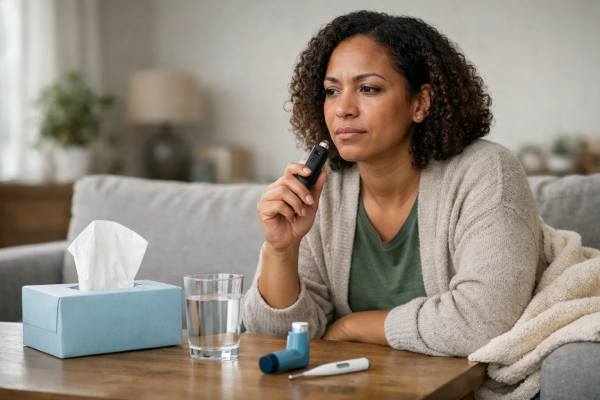
When you are sick, your airways are already working overtime—swollen lining, thicker mucus, and a cough reflex that fires faster than usual. Vaping adds heated aerosol to that stressed system. Even if it feels soothing in the moment, the lungs often read it as another irritant, which can intensify coughing, tighten the chest, and make recovery feel slower. For people with asthma, the risk is more direct: vaping can push sensitive airways toward spasm and wheeze, especially during viral infections.
This article explains what vaping does to airways during illness, how it can prolong symptoms of a cold or bronchitis-like cough, and why asthma flares can escalate quickly. You will also find a practical plan for pausing vaping, managing nicotine withdrawal without punishing yourself, and deciding when symptoms deserve a medical check. The goal is not fear—it is clearer choices that protect your breathing when it is most vulnerable.
Quick Overview
- Taking a 72-hour vaping pause often reduces cough and chest tightness and helps you tell irritation from infection.
- Vaping during a cold can prolong throat and chest symptoms by worsening inflammation and slowing normal mucus clearance.
- If you have asthma, vaping while sick can increase wheeze risk and make rescue medicine less effective if you delay care.
- Use a simple rule: if breathing worsens, fever returns, or you get short of breath at rest, get checked the same day.
Table of Contents
- What vaping does to sick airways
- Does vaping prolong a cold
- Vaping and acute bronchitis-like cough
- Vaping and asthma flares
- A practical plan to pause while sick
- When to get checked and what to expect
What vaping does to sick airways
When you have a respiratory illness, your airway lining becomes more reactive. The cells that normally keep airways smooth and clear start prioritizing defense: they swell, produce more mucus, and recruit immune cells. This is normal—but it also means your breathing tubes are narrower and more sensitive than usual. Vaping during this window is like rubbing an already irritated surface. You may not feel immediate harm every time, but the odds of cough, tightness, and wheeze rise.
Three ways vaping can slow “airway recovery mode”
1. More irritation, more cough signaling
A cough is not only about mucus. It is also a nerve reflex. Sick airways have a lower “cough threshold,” so inhaled aerosol can trigger frequent, nonproductive coughing. That kind of cough can inflame the throat and chest further, creating a loop: irritation triggers cough, cough triggers more irritation, and sleep becomes fragmented.
2. Thicker mucus and slower clearance
Your lungs rely on tiny hairlike structures (cilia) and a thin mucus layer to move debris upward. During illness, mucus thickens. Vaping can add dehydration and chemical irritation that makes mucus stickier and harder to move. The result is a cough that feels unproductive, chest heaviness, or a lingering “gunk” sensation that lasts beyond the worst of the cold.
3. Airway narrowing in sensitive people
Some people develop bronchospasm-like tightening after vaping—especially with high nicotine, deep inhalation, or frequent “chain” puffs. When you are sick, even a small increase in swelling can be enough to make breathing feel tight. If you have asthma or a history of wheeze, this effect can be stronger and faster.
Why it can feel soothing and still be unhelpful
Nicotine can briefly change how your body perceives discomfort, and warm aerosol can feel less harsh than cold air. That short-term relief can mask the bigger problem: airway inflammation. If your goal is to recover quickly, the most lung-friendly choice is usually reducing inhaled irritants—not adding them.
A helpful mental model is this: during illness, your airways are already “using their repair budget.” Vaping spends more of that budget on calming irritation rather than clearing infection and restoring normal function.
Does vaping prolong a cold
A typical cold often peaks in the first few days and then gradually improves. Even when the virus is fading, symptoms can linger because the airway lining is still inflamed. Vaping can prolong that second phase, where you feel “mostly better” but still cough, clear your throat, or wake up congested.
What “prolong” usually means in real life
Vaping is unlikely to make a simple cold last forever, but it can:
- Extend throat irritation and hoarseness
- Increase cough frequency, especially at night
- Make postnasal drip feel worse because the throat is more sensitive
- Keep chest tightness lingering after fever and aches are gone
Many people interpret this as “my immune system is weak.” Often, it is more accurate to say: your airway lining is taking longer to settle because it keeps getting re-irritated.
Why the cough can last longer than the virus
A post-viral cough is common. It can last 2–3 weeks in some people even without vaping. Add vaping, and the cough reflex may stay hypersensitive longer. This is especially true if you are also dealing with:
- Dry indoor air
- Acid reflux triggered by illness, stress, or late-night snacking
- Mouth breathing from congestion
- Poor sleep, which increases inflammation and lowers symptom tolerance
In that setting, vaping can be the factor that turns an “annoying but improving” cough into a “why am I still coughing?” problem.
How to test the connection without overthinking it
Use a structured pause, not a guess.
- Pause vaping for 72 hours and track symptoms morning and evening.
- Watch for early signals: fewer coughing fits, less throat burn, easier breathing on stairs, and fewer nighttime awakenings.
- If symptoms improve clearly, you have useful evidence that vaping is extending your recovery.
If symptoms do not improve at all during the pause, that does not mean vaping is harmless. It may mean the illness is still in its active phase, or another issue (asthma, sinus drip, reflux) is driving symptoms.
What about “just nicotine” versus flavored products
Flavorings, cooling agents, and higher-powered devices can amplify irritation, but even basic solvents can bother inflamed tissue. When you are sick, the lungs usually benefit most from a clean break rather than switching liquids or devices.
If you want the shortest path back to normal breathing, treat vaping as a recovery delay—especially during the first week of symptoms and the week after you start feeling better.
Vaping and acute bronchitis-like cough
People often use “bronchitis” to describe a chesty cough that lingers after a cold. Clinically, acute bronchitis is usually viral inflammation of the large airways. Vaping can mimic that pattern, worsen it, or prolong it—because it targets the same airway region that is already inflamed.
How vaping can make a bronchitis-like cough worse
When your bronchi are irritated, they produce more mucus and become twitchy. Vaping can:
- Increase airway inflammation and swelling
- Trigger more mucus production and thicker secretions
- Reduce the “smooth slide” that helps mucus move upward
- Provoke coughing fits that fatigue chest muscles and irritate the throat
This is why some people notice a pattern: the cough is calmer in the morning, ramps up after vaping, and becomes stubborn at night.
Bronchitis versus pneumonia: why the distinction matters
Most bronchitis does not need antibiotics. Pneumonia sometimes does. Vaping can muddy the water by causing chest discomfort and shortness of breath that feels “more serious,” even without pneumonia. That is why you should pay attention to specific warning patterns rather than the label.
Consider medical evaluation sooner if you have:
- Shortness of breath that is new or worsening
- Fever that persists beyond 3 days, or returns after improving
- Chest pain with breathing
- Confusion, dehydration, or severe weakness
- Cough with rust-colored or bloody mucus
- A feeling that you are getting worse each day instead of gradually better
These signs do not prove pneumonia, but they justify a check.
What helps recovery when the cough is chest-based
A bronchitis-like cough often improves faster with a “reduce triggers and support clearance” approach:
- Hydrate regularly; aim for pale urine as a simple cue.
- Use humidity if it eases cough (cool-mist humidifier or warm shower steam).
- Avoid vaping, smoke, and strong fumes.
- Keep activity light but not zero; gentle walking can help mucus movement if you are not dizzy or short of breath.
- Use honey in warm water or tea for throat comfort if appropriate for your age and health.
If wheeze is present or you have asthma, follow your asthma plan and do not assume it is “just bronchitis.” Viral bronchitis and asthma flare often overlap.
The key message: if a cold has moved into your chest, vaping rarely helps and often prolongs the most exhausting part—the persistent cough that steals sleep.
Vaping and asthma flares
Asthma flares are not just “a bad cough.” They are episodes of airway narrowing and inflammation that can worsen quickly—especially during viral infections. If you have asthma, vaping while sick can raise the likelihood of wheeze, chest tightness, and shortness of breath, and it can make symptoms more resistant if you delay treatment.
Why viral infections and vaping are a risky pairing
Viral colds already increase airway sensitivity. Add vaping, and you can get:
- More swelling in the airway lining
- More mucus that is harder to clear
- Stronger bronchospasm triggers (tightening of airway muscles)
- A cough reflex that keeps the airway irritated
This combination is why some people feel “fine” while resting but get suddenly winded with stairs, cold air, or talking.
Early signs your asthma is flaring, not just your cold
Watch for:
- Wheeze you can hear, especially at night or early morning
- Chest tightness that comes and goes
- Shortness of breath that limits normal walking
- Needing a rescue inhaler more often than usual
- Cough that worsens with laughter, cold air, or mild exertion
If you have an asthma action plan, follow it. If you do not, take wheeze seriously and get checked—especially if this is new for you.
Common mistakes that lead to prolonged flares
- Vaping to cope with stress or “open the chest”: it often does the opposite in inflamed airways.
- Waiting too long to use rescue medicine: early treatment can prevent a spiral.
- Ignoring nighttime symptoms: waking with cough or tightness is a sign your airways are not controlled.
- Assuming your inhaler is “not working” when the real issue is severity: if symptoms are escalating, you may need medical evaluation, not repeated unsupervised dosing.
When an asthma flare becomes urgent
Seek urgent care if:
- You are short of breath at rest or cannot speak full sentences
- Your lips or face look blue or gray
- You have chest pain, confusion, or fainting
- Rescue medicine provides little or short-lived relief
- You have rapidly worsening breathing over hours
Even if you are not in an emergency, a flare that lasts more than a few days deserves a check. Asthma control is not only about comfort; it is about preventing dangerous airway narrowing.
If you vape and have asthma, the most protective cold-season move is a firm pause during illness and a longer pause for several days after symptoms improve. That window is when your airways are most reactive.
A practical plan to pause while sick
Stopping vaping while you feel miserable can sound unrealistic, especially if nicotine withdrawal adds restlessness, irritability, and poor sleep. The goal is not perfection. It is reducing airway exposure during the days your lungs are most vulnerable. A plan makes that possible even when motivation is low.
The 72-hour reset
If you can do only one thing, do this: pause vaping for 72 hours. Three days is long enough for many people to notice meaningful changes in cough frequency, chest tightness, and throat irritation. It also gives you cleaner information: are your symptoms driven mainly by the illness, or by ongoing irritation?
During the reset:
- Remove devices from your bedside and “automatic reach” areas.
- Change routines that trigger vaping (coffee spot, car rides, certain social breaks).
- Keep your hands busy: lozenges, gum, a warm drink, or even a stress ball.
If nicotine withdrawal is the barrier
Withdrawal can make you feel worse and may tempt you to “just take a few puffs.” Consider a temporary nicotine strategy that avoids lung exposure. Many people do better when they treat this as symptom management, not a moral test. If you use nicotine replacement, aim for steady control rather than spikes. You want fewer cravings and fewer “emergency” moments that lead back to vaping.
Reduce cough triggers while you recover
Use a simple stack:
- Hydration plus warm fluids for throat comfort
- Humidity if it helps (cool-mist humidifier or warm shower steam)
- Saline nasal spray if congestion drives throat clearing
- Earlier bedtime and a slightly elevated head position if cough worsens lying down
- Avoiding strong scents, smoke, and alcohol (often worsens sleep and reflux)
What if you cannot stop completely
If you cannot do a full pause, step down with safety priorities:
- Do not use THC vapes during illness.
- Reduce frequency sharply (set a timer and lengthen intervals).
- Avoid deep inhalation and breath-holding.
- Avoid high-powered devices and strong flavors that encourage longer sessions.
- Do not vape in the bedroom or enclosed spaces.
Even partial reduction can lower irritation, but a clean pause is usually more effective and often easier than constant bargaining.
If your breathing improves during the pause, consider extending it to 7–10 days, which often covers the most reactive recovery phase. Many people are surprised by how much faster their cough settles when they give inflamed airways a real break.
When to get checked and what to expect
When you are sick, it is tempting to “wait it out,” especially if you assume symptoms are just a cold. The problem is that vaping-related irritation, asthma flares, infections, and vaping-associated lung injury can look similar early on. Clear checkpoints reduce the chance you delay care until you are significantly worse.
Get checked promptly if any of these are true
- You are short of breath at rest or getting winded doing normal tasks.
- Wheeze is new, worsening, or waking you at night.
- Chest pain is present, especially if it worsens with breathing or coughing.
- Fever lasts more than 3 days, or returns after you were improving.
- Symptoms worsen steadily over several days instead of gradually improving.
- You have low energy with a “heavy sick” feeling that seems bigger than a typical cold.
- You have underlying lung disease, are pregnant, are immunocompromised, or have significant heart disease.
If you have access to a pulse oximeter, a low or dropping oxygen reading is a reason for urgent evaluation, especially if you also feel short of breath.
What clinicians often do at a visit
A focused evaluation typically includes:
- Oxygen saturation at rest and sometimes after walking
- Lung exam to check for wheeze, reduced airflow, or crackling sounds
- Consideration of viral testing during respiratory virus season
- Chest imaging when symptoms are significant, oxygen is abnormal, or the exam suggests pneumonia or lung injury
- Breathing tests in some settings if asthma or reactive airways are suspected
Expect questions about what you vape, how often, and whether you use nicotine, THC, or both. Honest details help clinicians choose the right workup and avoid missing a serious pattern.
How to decide when it is safe to resume vaping
From a lung-health standpoint, the safest answer is not to resume. If that is not your current goal, use a harm-minimizing checkpoint: do not return while you still have chest symptoms, wheeze, shortness of breath, or a cough that is disruptive. Returning too early often restarts the irritation cycle and can make a lingering cough last weeks longer.
A practical rule is: wait until you have been clearly improving for several days, you can sleep without coughing fits, and your breathing during mild exertion feels normal again. If you had wheeze, chest tightness, or needed urgent care, treat that as a strong signal to stop and seek support for quitting.
Breathing problems are rarely the moment to negotiate with your lungs. If symptoms feel more intense than a routine cold, or if they are worsening, a medical check is the fastest way to protect your recovery.
References
- Evidence update on the respiratory health effects of vaping e-cigarettes: A systematic review and meta-analysis – PMC 2025 (Systematic Review and Meta-Analysis)
- The combination of propylene glycol and vegetable glycerin e-cigarette aerosols induces airway inflammation and mucus hyperconcentration – PubMed 2024 (Experimental Study)
- Propylene glycol and vegetable glycerin e-cigarette aerosols impact mucociliary function and cause cytotoxicity in human airway epithelium – PubMed 2025 (Experimental Study)
- Association between Electronic Cigarettes Use and Asthma in the United States: Data from the National Health Interview Survey 2016–2019 – PMC 2022 (Observational Study)
- The E-cigarette or Vaping Product Use–Associated Lung Injury Epidemic: Pathogenesis, Management, and Future Directions: An Official American Thoracic Society Workshop Report – PMC 2023 (Workshop Report)
Disclaimer
This article is for general educational purposes and does not provide medical advice, diagnosis, or treatment. Cough, wheeze, and shortness of breath can signal conditions that require urgent evaluation, including severe asthma, pneumonia, blood clots, and vaping-associated lung injury. Seek emergency care for severe or worsening breathing difficulty, chest pain or pressure, blue or gray lips or face, confusion, fainting, coughing up blood, or signs of dehydration. If you have asthma, chronic lung disease, are pregnant, are immunocompromised, or your symptoms are worsening rather than improving, contact a licensed clinician promptly for individualized guidance.
If you found this article helpful, please consider sharing it on Facebook, X (formerly Twitter), or any platform you prefer.