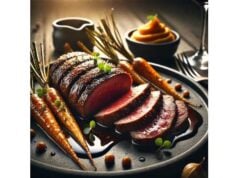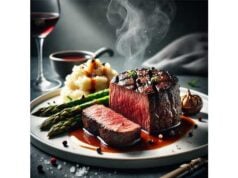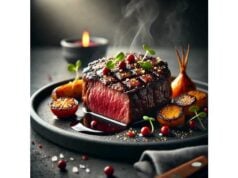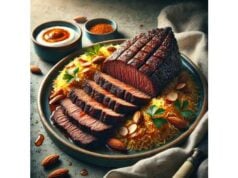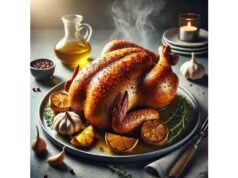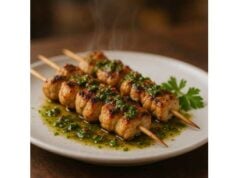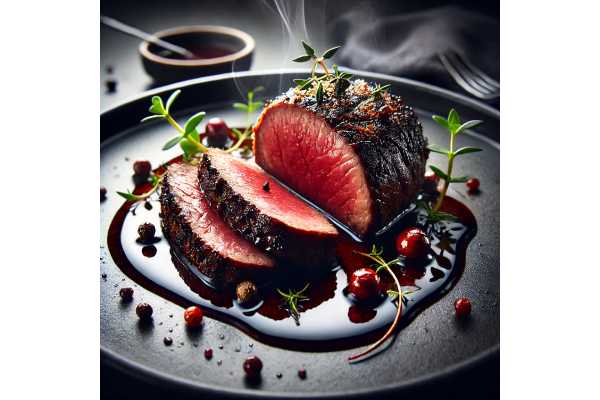
Venison—meat from deer—offers a lean, flavorful alternative to beef and lamb that suits weeknight cooking as well as special-occasion menus. It delivers high-quality protein with far less fat than many red meats, along with standout amounts of iron, vitamin B12, zinc, and niacin. Because deer spend their lives on forage rather than grain, venison develops a clean, woodsy savor and a firmer texture that rewards quick searing for tender cuts and gentle braising for working muscles. Cooks value venison’s versatility: steaks, medallions, roasts, ground meat, and richly flavored bones for stocks and sauces. Sourcing ranges from wild-harvested game to farm-raised red deer and fallow deer; each brings a slightly different fat profile and flavor intensity. To get the most from venison, a few practices matter: select well-trimmed cuts, prevent overcooking, rest the meat, and pair it with acidity and fruit or forest accents (juniper, mushrooms, blackberries). Safety is straightforward—respect doneness temperatures and, for wild harvests, follow basic field-handling and regional disease-testing advice. Done well, venison is both delicious and nutrient-dense.
At a Glance
- Lean, high-protein red meat with notable iron (≈4 mg/100 g cooked) and B12.
- For safety, cook whole cuts to 63°C/145°F (3-minute rest); ground venison to 71°C/160°F.
- Typical serving: 85 g cooked (3 oz), 1–2 times weekly alongside varied proteins.
- Limit frequent intake of wild game taken with lead ammunition during pregnancy and childhood.
Table of Contents
- Venison Overview and Basics
- Venison Nutrition Profile (Per 100 g)
- Evidence-Based Benefits of Venison
- Risks, Allergies and Interactions
- Selecting Quality, Sustainability and Storage
- Preparation, Cooking and Nutrient Retention
- Portions, Comparisons and FAQs
Venison Overview and Basics
Venison refers to meat from deer species, most commonly white-tailed deer and mule deer in North America and red deer or fallow deer in farmed systems. It is a “wild-lean” red meat: calorie-for-calorie it supplies abundant protein with relatively little fat, especially saturated fat, compared with many beef cuts. Flavor runs from mild and clean (farm-raised, young animals, tender cuts) to deeply savory with a pleasant mineral note (older wild animals, strongly worked muscles). If you enjoy beef tenderloin but want something leaner and more distinctive, venison is a natural fit.
Cuts mirror beef:
- Tender, quick-cook cuts: backstrap/loin, tenderloin, eye of round, top round medallions. These shine with hot-and-fast methods (pan-sear, grill, broil) to a rosy medium-rare or medium.
- Flavorful braise cuts: shoulder (chuck), shank, neck, and stew trim. Slow, moist heat melts collagen for silky textures in ragùs, chilies, and bourguignon-style stews.
- Ground venison: excellent for burgers, meatballs, and cottage pie; a little added fat (olive oil, beef tallow, bacon, or buttery mushrooms) improves juiciness.
Wild versus farmed venison: Wild deer typically carry less intramuscular fat and show seasonal variation in nutrients based on forage. Farmed venison tends to be more uniform, with slightly higher fat and milder taste. Either way, proper trimming is essential; silverskin (elastin) stays chewy, while excess surface fat can taste waxy. Removing both improves tenderness and flavor clarity.
Culinary pairing and cuisine: Venison has a natural affinity for tart fruits (blackcurrant, cherry), forest flavors (mushroom, juniper, rosemary, thyme), and gentle sweetness (caramelized onions, roasted roots). Global traditions showcase it in Northern European roasts with lingonberries, Italian spezzatino, French civet, and modern American grill plates with pan sauces. For weekday meals, think venison fajitas, stir-fries, and chili.
Nutrition perspective in brief: Cooked, lean venison provides roughly 30 g of protein per 100 g with about 150 kcal and just a few grams of total fat. It contributes heme iron, vitamin B12, B6, riboflavin, zinc, selenium, and choline, supporting oxygen transport, nerve function, and immune health. Because it is naturally low in sodium and carbohydrates, it fits many dietary patterns when portioned sensibly.
Safety in brief: Apply standard meat hygiene. Whole cuts are safe at 63°C/145°F followed by a 3-minute rest; ground venison should reach 71°C/160°F because grinding mixes any surface microbes throughout. For wild harvests, follow local guidance on chronic wasting disease (CWD) testing and butchering practices, and consider non-lead ammunition to reduce contaminant fragments in meat.
Venison Nutrition Profile (Per 100 g)
Below are representative values for lean venison loin, cooked (broiled), per 100 g. Daily Values (%DV) are based on a 2,000-kcal diet and official U.S. DVs where applicable. Actual numbers vary by cut, species, age, diet, and cooking method.
Macros and Electrolytes (per 100 g, cooked)
| Nutrient | Amount | %DV |
|---|---|---|
| Energy | 150 kcal | — |
| Protein | 30.2 g | 60% |
| Total Fat | 2.4 g | 3% |
| Saturated Fat | 1.4 g | 7% |
| Cholesterol | 79 mg | 26% |
| Carbohydrate | 0 g | 0% |
| Sodium | 57 mg | 2% |
| Potassium | 398 mg | 8% |
| Phosphorus | 277 mg | 22% |
| Water | 67.1 g | — |
Fats and Fatty Acids (per 100 g, cooked)
| Fatty Acid Category | Amount |
|---|---|
| Monounsaturated Fat | 0.54 g |
| Polyunsaturated Fat | 0.158 g |
| Omega-3 Fatty Acids (total) | 0.042 g |
| Omega-6 Fatty Acids (total) | 0.09 g |
Vitamins (per 100 g, cooked)
| Vitamin | Amount | %DV |
|---|---|---|
| Thiamin (B1) | 0.28 mg | 23% |
| Riboflavin (B2) | 0.51 mg | 39% |
| Niacin (B3) | 10.8 mg | 67% |
| Vitamin B6 | 0.76 mg | 44% |
| Vitamin B12 | 1.8 µg | 76% |
| Choline | 113 mg | 21% |
| Vitamin A | 0 µg RAE | 0% |
| Vitamin D | 0 µg | 0% |
| Vitamin E | 0.62 mg | 4% |
| Vitamin K | 1.2 µg | 1% |
| Folate (DFE) | 9 µg | 2% |
Minerals (per 100 g, cooked)
| Mineral | Amount | %DV |
|---|---|---|
| Iron | 4.1 mg | 23% |
| Zinc | 3.6 mg | 33% |
| Selenium | 13.3 µg | 24% |
| Copper | 0.23 mg | 25% |
| Magnesium | 30 mg | 7% |
| Calcium | 6 mg | 0% |
Notes on variability and raw values
- Raw venison is extremely lean and shows similar micronutrients by weight; cooking concentrates nutrients slightly as water is lost.
- Fatty acid profiles differ modestly between wild and farmed animals based on forage.
- Venison contains heme iron (efficiently absorbed) and naturally lacks carbohydrates and fiber.
Additives, fortification, and contaminants
- Venison is rarely fortified or processed; ground venison may be mixed with added fat—check labels or recipes.
- For wild-harvested game taken with traditional lead ammunition, tiny metal fragments can remain in meat; many hunters choose non-lead alternatives to reduce this contaminant pathway.
Evidence-Based Benefits of Venison
1) High-quality protein for lean body mass
Venison supplies about 30 g protein per 100 g cooked with a robust essential amino acid profile. For many adults, a single 85-g (3-oz) portion provides roughly half of a typical per-meal protein target for muscle maintenance (≈25–35 g), yet with far fewer calories than many marbled beef cuts. A protein-rich meal can improve satiety and help preserve lean mass during weight reduction or endurance training phases.
2) Iron and B-vitamin support for energy metabolism
A 100-g cooked portion provides around 4 mg of iron (≈23% DV) in heme form, which the body absorbs more readily than non-heme iron from plants. Venison also brings vitamin B12 (≈76% DV), niacin (≈67% DV), riboflavin (≈39% DV), and vitamin B6 (≈44% DV)—cofactors that support red blood cell formation, nerve function, and energy production. For those who feel fatigued when iron or B12 intake is low, venison can be a concentrated, efficient food source when balanced with varied produce and whole grains.
3) Favorable fat profile compared with many red meats
Venison’s total fat is typically 2–4 g per 100 g cooked, with saturated fat around 1–1.5 g in lean cuts—substantially less than many beef steaks. Lower saturated fat supports heart-healthy dietary patterns when red meats are chosen. While venison is not a rich omega-3 source, wild-foraged animals often show a modestly more favorable omega-6:omega-3 ratio than grain-finished beef, and overall fat is low.
4) Naturally low in sodium and carbohydrates
Unprocessed venison contains virtually no carbohydrate and low sodium, giving you control over seasoning and carbohydrate sources in the meal (e.g., pairing with roasted squash or farro). This helps people who are managing blood pressure, blood sugar, or overall calorie intake.
5) Culinary versatility that fits weekly planning
Venison can stand in for beef across a wide range of recipes with minor adjustments to time and temperature. Quick-cooking steaks work for busy nights, while batch-cooked braises freeze well for future meals. Because venison takes on spices and aromatics beautifully, it fits cuisines from Nordic to North African without extra fat.
Putting it together
A weekly rotation that includes venison once or twice can raise protein density and iron/B-vitamin intake while keeping saturated fat moderate—useful for many omnivorous patterns. Round out the plate with potassium-rich vegetables and whole grains to leverage venison’s micronutrient strengths (iron, zinc, selenium, B vitamins) within a balanced diet.
Risks, Allergies and Interactions
1) Basic meat safety
Treat venison like any red meat. Whole cuts are safe at 63°C/145°F followed by a 3-minute rest to allow temperature equalization. Ground venison (and mixtures like sausages or meatloaf) should reach 71°C/160°F throughout. Resting steaks and roasts preserves juiciness and reduces carryover overcooking.
2) Parasites and undercooking in wild game
Freezing is not reliable for wild game parasites; some species withstand home-freezer temperatures. Proper cooking is the sure method of control. Grinding raises risk because surface microbes and any parasite cysts become distributed throughout the meat. If you make jerky, always use a validated heat-first method: dehydrate after the meat has been heated to a safe internal temperature.
3) Chronic wasting disease (CWD) precautions
CWD is a fatal prion disease that affects deer, elk, and related species. Although no human cases are confirmed, public health guidance treats it as a theoretical risk. In areas where CWD occurs, hunter best practices include: have animals tested when recommended, do not consume meat from a positive animal, avoid contact with high-risk tissues (brain, spinal cord, lymph nodes), and request single-animal processing to prevent commingling.
4) Lead fragments in wild-harvested meat
Traditional lead ammunition can leave microscopic particles in the wound channel, especially in ground meat near the impact site. While occasional consumption by most adults is unlikely to be a major source of exposure, pregnant and breastfeeding individuals and young children are more vulnerable to even small amounts of lead. Many hunters now choose non-lead ammunition to reduce this risk. Trimming generously around wound channels and discarding heavily damaged tissue further lowers exposure.
5) Food allergies and intolerances
Classical meat allergies are uncommon; however, alpha-gal syndrome—a delayed allergy to a carbohydrate found in mammalian meat—can follow tick bites in some regions. Symptoms typically occur 2–6 hours after eating beef, pork, lamb, or venison. People with known alpha-gal should avoid venison unless cleared by their clinician.
6) Medical considerations
- Gout or hyperuricemia: Red meats are moderate in purines; prudent portioning and hydration help.
- Hemochromatosis: Venison’s heme iron is efficiently absorbed—limit intake in line with medical advice.
- Medication interactions: No specific interactions are typical; general advice applies (e.g., monitor sodium and saturated fat within cardiometabolic plans).
Bottom line: Buy good meat, keep it cold, avoid cross-contamination, cook to the correct internal temperature, and—if hunting in CWD regions or using traditional ammunition—follow testing and butchering best practices.
Selecting Quality, Sustainability and Storage
Selecting quality venison
- Appearance: Look for deep ruby-red meat with a fine, even grain. Surface moisture is acceptable; avoid sticky or slimy textures. Any surface fat should be snow-white or ivory—not yellow.
- Trim: Ask for well-trimmed cuts with silverskin removed. Silverskin is resilient connective tissue that won’t soften with quick cooking.
- Cut choice:
- Fast-cook: loin/backstrap, tenderloin, eye of round.
- Braise/slow-cook: shoulder, shank, neck, stew meat.
- Ground: for burgers, patties, sauces—ask about added fat and its source.
Wild versus farmed sourcing
- Wild-harvested: Flavor intensity varies with age, sex, season, and forage. Quality hinges on field dressing and rapid chilling. If you process at home, keep clean knives and cutting boards dedicated to raw meat, bone out the quarters, and avoid contaminating cuts with hair or dirt.
- Farm-raised: Offers consistent marbling and tenderness, year-round availability, and inspected processing standards similar to other livestock. The taste is generally milder.
Sustainability considerations
Deer are ruminants that graze and browse; wild populations require careful management to prevent habitat damage and vehicle collisions. Regulated hunting can contribute to balanced ecosystems and provides a low-carbon, locally sourced protein when handled responsibly. Farmed venison operations often emphasize pasture-based systems; look for producers who document animal welfare and land stewardship practices.
Storage and handling
- Refrigeration: Store cuts at ≤4°C/40°F. Use within 2–3 days (whole cuts) or 1–2 days (ground).
- Freezing: Wrap tightly to limit air; freeze at −18°C/0°F up to 6–9 months for steaks/roasts and 3–4 months for ground. Label with cut and date.
- Thawing: Thaw in the refrigerator, not on the counter. For speed, use sealed-bag cold-water thawing, changing the water every 30 minutes.
- Leftovers: Cool quickly, refrigerate within 2 hours, and reheat to steaming hot (≥74°C/165°F).
Smart shopping checklist
- Choose the right cut for your cooking method.
- Verify whether ground venison contains added fat (and from which animal).
- For wild meat, note harvest location and whether CWD testing is recommended where you live.
- Plan meals to use or freeze within safe time frames.
Preparation, Cooking and Nutrient Retention
General approach
Venison is lean, so the core challenge is maximizing tenderness and moisture without overcooking. Success comes from three moves: salting, high-heat searing (or low-and-slow braising), and resting.
1) Seasoning and brining
- Dry salt steaks or medallions 0.8–1.0% by meat weight (about ¾–1 tsp kosher salt per 450 g) at least 45–60 minutes before cooking. Salt migrates inward, improving juiciness and seasoning to the center.
- For very lean roasts or chops, a light brine (1–2% salt in water) for 2–4 hours boosts moisture retention. Pat dry thoroughly before searing.
2) Quick-cook methods for tender cuts
- Pan-sear/backstrap or tenderloin: Preheat a heavy skillet until very hot. Sear 1–2 minutes per side, then reduce heat and add aromatics (garlic, thyme, butter or oil). Cook to 49–54°C/120–130°F for rare-medium-rare or 57–60°C/135–140°F for medium, then rest 5–10 minutes. If you prefer more doneness, pull earlier—carryover heat will climb during the rest.
- Grill: Sear over direct heat to color, then move to indirect heat to finish gently.
- Sous vide (precision): 54–57°C (129–135°F) for 1–2 hours, then a quick, hard sear.
3) Slow methods for tough cuts
- Braise/stew: Brown lightly, then cook covered at a gentle simmer (or 150–160°C/300–325°F oven) until connective tissue melts—typically 2.5–4 hours depending on cut size. Aromatics like tomato paste, mushrooms, and red wine enrich savory depth.
- Shred for sauces: When a fork slides in easily, rest the meat, reduce the braising liquid, and glaze the shredded venison.
4) Ground venison
Because it’s lean, add 10–20% fat (olive oil, beef tallow, bacon ends) or moisture-rich binders (chopped mushrooms, grated onion). Cook burgers to 71°C/160°F internal temperature for safety.
5) Nutrient retention tips
- Avoid overcooking: B vitamins and moisture are heat-sensitive; cook just to doneness and rest.
- Recover juices: Deglaze pans with stock or wine to capture iron-rich drippings in a sauce.
- Minimize charring: Extremely high surface temperatures can form undesirable compounds; use even heat and don’t burn fat.
6) Jerky and smoking
Use a heat-first method: preheat strips to a safe internal temperature before dehydrating. Keep smokers at stable temperatures and finish products above 74°C/165°F for safety.
7) Flavor pairings
- Acid: red wine, balsamic, berry gastriques, pickled shallots.
- Herbs/spices: juniper, rosemary, thyme, bay, allspice, black pepper, coriander.
- Sides: roasted carrots or parsnips, cabbage, mushrooms, barley, farro, mashed root vegetables, or a bright grain salad.
Portions, Comparisons and FAQs
Recommended portions and frequency
A practical cooked portion is 85–115 g (3–4 oz), which delivers ≈26–35 g protein, 120–175 kcal, and low saturated fat when you choose lean cuts. Many omnivores enjoy venison once or twice per week as part of a rotation with fish, poultry, legumes, and occasional other red meats.
How venison compares to other meats (per 100 g cooked, lean cuts)
| Meat | Calories | Protein | Total Fat | Saturated Fat | Iron |
|---|---|---|---|---|---|
| Venison (loin, broiled) | ~150 kcal | ~30 g | ~2–3 g | ~1–1.5 g | ~4.1 mg |
| Beef (top sirloin, lean) | ~170–200 kcal | ~26–29 g | ~7–10 g | ~2.5–4 g | ~2.5 mg |
| Pork (tenderloin) | ~140–160 kcal | ~26–29 g | ~3–5 g | ~1–2 g | ~0.9 mg |
| Lamb (leg, lean, roasted) | ~190–220 kcal | ~26–28 g | ~8–12 g | ~3–5 g | ~1.8 mg |
| Bison (top round, roasted) | ~140–160 kcal | ~28–31 g | ~3–6 g | ~1–2.5 g | ~2.5–3 mg |
FAQs
Is venison “gamey”?
Good venison tastes clean and savory. “Gamey” usually means fat was left on, silverskin wasn’t removed, or the meat was overcooked or poorly handled. Trim rigorously and cook gently.
Can I eat venison rare?
For whole, intact steaks/roasts, cooking to 63°C/145°F with a 3-minute rest is the safest general standard and yields juicy medium results. Many chefs pull tender cuts a few degrees earlier and rely on carryover heat; use your best judgment and a thermometer. Ground venison should always be cooked to 71°C/160°F.
Is wild venison healthier than farmed?
Nutrient differences are small compared with the benefits of correct trimming and cooking. Wild venison can be marginally leaner and may reflect forage fats; farmed venison is more consistent and tender. Choose what you can source reliably and handle safely.
What about lead or CWD?
If you hunt with traditional ammunition, consider non-lead options and trim away wound channels. In regions where CWD occurs, follow local testing guidance and do not consume meat from positive animals.
How should I season venison?
Salt early, add freshly cracked pepper at the end to avoid scorching, and use aromatics like thyme and garlic. A splash of acidity (wine, vinegar, citrus) brightens rich sauces.
Can children and pregnant people eat venison?
Yes—when cooked properly and sourced carefully. However, limit frequent consumption of wild venison harvested with lead ammunition, and follow general red-meat portion guidance. When in doubt, discuss personalized advice with a clinician.
References
- Nutrition Facts for Game meat, deer, loin, 1″ steak, cooked, broiled 2025.
- Nutrition Facts for Game meat, deer, raw 2025.
- Safe Minimum Internal Temperature Chart 2024.
- About Chronic Wasting Disease (CWD) 2024.
- Lead and Breastfeeding 2025.
Disclaimer
This article is for general information and education. It is not a substitute for personalized medical advice, diagnosis, or treatment. Always follow food safety guidance in your region and consult a qualified healthcare professional about diet choices if you are pregnant, breastfeeding, managing a medical condition (such as gout or hemochromatosis), or have food allergies. If you harvest wild game, follow local rules on testing and safe handling.
If you found this guide helpful, please consider sharing it on Facebook, X, or your favorite platform. Your support helps us keep producing clear, evidence-based articles. Thank you!