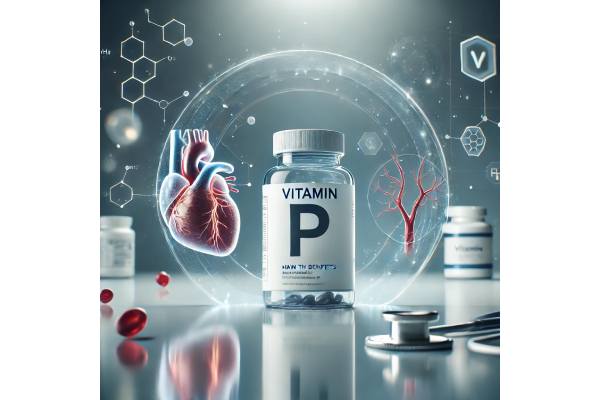
Vitamin P is one of those nutrition terms that sounds official but usually needs translation. It is not a single, essential “vitamin” with a defined daily requirement. Instead, “Vitamin P” is a historical nickname for a large family of plant compounds called flavonoids (often “bioflavonoids”), best known for their effects on capillary “permeability” and fragility—how easily tiny blood vessels leak or bruise.
In practical terms, Vitamin P is most relevant when people want to support vein comfort, reduce leg heaviness or swelling, improve easy bruising, or complement vitamin C for connective-tissue support. You will see it on labels as citrus bioflavonoids, rutin, hesperidin, diosmin, quercetin, or proprietary blends. Because these compounds vary widely, the “right” product and dose depend on your goal, your medications, and your tolerance. This guide helps you choose intelligently, use it safely, and set realistic expectations.
Essential Insights
- May support vein comfort and capillary resilience for people with leg heaviness, swelling, or easy bruising.
- Effects are most noticeable with standardized, clinically studied forms rather than vague “bioflavonoid blends.”
- Typical supplemental range is about 500–1,000 mg/day (as standardized flavonoids), depending on the specific compound.
- Avoid or use only with clinician guidance if you take blood thinners, have upcoming surgery, or are pregnant or breastfeeding.
- Mild gastrointestinal upset and headaches are the most common side effects; allergic reactions are uncommon but possible.
Table of Contents
- What is Vitamin P really?
- What does Vitamin P do for blood vessels?
- Which foods and supplements provide Vitamin P?
- How much Vitamin P should you take daily?
- Who should avoid Vitamin P and what side effects occur?
- What does the research say about results and limitations?
What is Vitamin P really?
“Vitamin P” is a legacy term rather than a modern nutrition category. It generally refers to flavonoids—a broad group of plant polyphenols found in citrus peel and pulp, berries, onions, apples, tea, cocoa, buckwheat, and many herbs. Early observations linked certain citrus extracts with reduced capillary fragility and less “leakiness,” so the name “P” for permeability stuck in supplement marketing. Today, you’ll more often see “bioflavonoids” or the names of specific flavonoids on labels.
Vitamin P versus true vitamins
A true vitamin is essential: you must get it from the diet, and deficiency reliably causes a disease state that improves when you replace the vitamin. Vitamin P doesn’t meet that standard. There is no universally accepted deficiency syndrome and no official recommended daily allowance. That does not mean it is useless—it means you should treat it like a functional compound with potential benefits, not a guaranteed requirement.
Why it is confusing on labels
Two products can both claim “Vitamin P” and be completely different:
- One may be mostly citrus flavanones such as hesperidin.
- Another may focus on rutin (a flavonol glycoside found in buckwheat).
- Another may be a venous-support product built around diosmin and hesperidin.
- Another may be a broad “bioflavonoid complex” with unclear standardization.
This matters because benefits often depend on using a studied form at a studied dose, for a long enough time. “Proprietary blend” labels can make dosing guesswork.
When people typically consider it
Vitamin P is most commonly used for:
- Vein comfort and chronic venous complaints (heaviness, aching, swelling)
- Occasional hemorrhoid flare support (as part of a broader plan)
- Easy bruising and capillary fragility
- General antioxidant and inflammation-modulating support (secondary reason)
The most helpful mindset is: Vitamin P is a family name. The real question is which member of that family fits your goal.
What does Vitamin P do for blood vessels?
If Vitamin P has a “home base” in the body, it is the microcirculation: the tiny capillaries and small veins that influence bruising, tissue swelling, and the sensation of heaviness in the legs. While mechanisms differ by compound, the shared theme is support for vessel-wall function under stress.
Core properties often associated with Vitamin P
- Capillary support: Many flavonoids are discussed for helping reduce capillary fragility—how easily small vessels break under minor impact—potentially lowering visible bruising in people prone to it.
- Permeability and fluid balance: Some flavonoids are studied for reducing excessive leakage of fluid from capillaries into surrounding tissue, which is one contributor to swelling.
- Venous tone: Certain standardized flavonoid products are used to support venous return, which can influence symptoms like leg heaviness after standing.
- Anti-inflammatory signaling: Flavonoids can modulate inflammatory pathways involved in vein-wall irritation and discomfort. This doesn’t mean they act like painkillers, but it can shift the baseline in some people.
- Antioxidant behavior: They can reduce oxidative stress in laboratory settings. In real life, the relevance depends on absorption and metabolism—your body transforms many flavonoids into different forms after you ingest them.
The Vitamin C connection
Vitamin P is frequently paired with vitamin C because connective tissue and capillary integrity depend on collagen structure, and vitamin C is required for collagen formation. Flavonoids may complement that by supporting the “neighborhood” around collagen—endothelium (vessel lining), inflammatory balance, and oxidative stress. This is why many “capillary and bruising” formulas combine vitamin C plus citrus bioflavonoids or rutin.
What you can reasonably expect
For vascular comfort goals, people often notice benefits as:
- Less end-of-day heaviness
- Reduced ankle swelling (especially with lifestyle changes)
- Fewer “mystery bruises”
- Improved comfort during long standing or travel
Benefits tend to be gradual, not dramatic. A useful way to track progress is a simple symptom score (0–10 for heaviness, swelling, and aching) recorded weekly for 4–8 weeks, rather than day-to-day impressions.
Which foods and supplements provide Vitamin P?
You can approach Vitamin P in two ways: a food-first pattern that raises flavonoid intake broadly, or a targeted supplement that delivers a standardized compound associated with specific outcomes.
Food sources that naturally raise flavonoid intake
A practical “Vitamin P plate” emphasizes:
- Citrus fruit (especially peel-adjacent parts): oranges, mandarins, lemons, grapefruit
- Berries: blueberries, blackberries, strawberries
- Apples and grapes: including darker skins
- Onions and leafy herbs: quercetin-rich foods often include onions
- Buckwheat: a notable source of rutin
- Tea and cocoa: flavonoids vary with processing and serving size
Food patterns matter more than single foods. A consistent mix of colorful plants, especially citrus plus berries plus one bitter/tea/cocoa element, tends to be more reliable than occasional “superfood” bursts.
Common supplemental forms sold as “Vitamin P”
- Citrus bioflavonoids: Often includes hesperidin, eriocitrin, narirutin, and related flavanones. Best for broad support and pairing with vitamin C.
- Hesperidin: A citrus flavonoid typically used for vascular and antioxidant support; quality depends on standardization.
- Rutin (and derivatives): Often used for capillary resilience and microcirculation support; also used in combination vein formulas.
- Diosmin plus hesperidin (often called MPFF or similar): A more targeted “vein symptom” approach with standardized dosing in many studies and medical use in some countries.
- Quercetin: Popular for general inflammation and allergy-related goals; often not the first pick if your main goal is leg heaviness or venous symptoms.
How to choose a product that is more likely to work
Look for:
- A clearly stated amount in mg for the key compound(s), not only a blend total
- Standardization language (for example, percent of a named flavonoid)
- A single clear purpose (vein symptoms vs general antioxidant vs bruising)
- A dosing plan that matches the goal (daily use for weeks, not “as needed”)
If your goal is venous discomfort, products built around standardized diosmin/hesperidin or clearly dosed citrus flavonoids are usually more “predictable” than a generic bioflavonoid mix.
How much Vitamin P should you take daily?
Because Vitamin P is not one nutrient, dosage depends on which flavonoid you are using and why. Below are realistic ranges seen in common supplement practice and study-informed approaches. Treat these as general guidance, not a personal prescription.
Typical daily ranges by goal
- General flavonoid support (diet plus supplement):
Many people use 250–500 mg/day of citrus bioflavonoids, often alongside vitamin C, as a conservative starting range. - Capillary fragility or easy bruising support:
A common approach is 500–1,000 mg/day total flavonoids (often rutin and/or citrus bioflavonoids), split once or twice daily, for 6–8 weeks, then reassess. - Leg heaviness, swelling, or chronic venous complaints:
Standardized diosmin/hesperidin products are often used around 1,000 mg/day total, typically for at least 4–8 weeks before judging results. - Short-term hemorrhoid flare support (adjunctive):
Some protocols use higher short-term dosing of flavonoid combinations, then taper to a maintenance dose. Because products vary widely and hemorrhoids can mimic other conditions, this is a scenario where clinician guidance is especially valuable.
How to take it for better tolerance and consistency
- Take with food if you get nausea or heartburn.
- Split the dose (morning and evening) if you are using 1,000 mg/day or more.
- Commit to a minimum trial: 4 weeks for early changes; 8 weeks for a fair test in vein-related goals.
- If you also use vitamin C, consider dividing that dose as well to reduce stomach irritation.
A simple “start low, evaluate, adjust” plan
- Start with 500 mg/day of a clearly labeled citrus bioflavonoid or targeted product.
- Track one or two symptoms weekly (heaviness, swelling, bruising frequency).
- If well tolerated and results are modest after 2–4 weeks, consider increasing toward 1,000 mg/day (if appropriate for that specific ingredient).
- If you notice no benefit by 8 weeks, reconsider the product choice, your expectations, or the underlying cause of symptoms.
If you take medications or have chronic health conditions, treat dosing changes as medical decisions—especially at the higher end of the range.
Who should avoid Vitamin P and what side effects occur?
Vitamin P compounds are often well tolerated, but “natural” does not mean risk-free—particularly when supplements are concentrated, taken daily, or combined with medications. Safety depends on the specific flavonoid, dose, and your health context.
Common side effects
Most side effects are mild and improve with dose adjustment or taking with food:
- Stomach upset, nausea, reflux, or diarrhea
- Headache
- Dizziness or fatigue (less common)
- Skin reactions (rare, but possible with citrus-derived ingredients)
If you develop hives, swelling, wheezing, or severe rash, treat it as a possible allergy and seek urgent care.
Who should avoid Vitamin P or use it only with clinician guidance
- People using anticoagulants or antiplatelet drugs (for example, warfarin or similar therapies): flavonoids may affect bleeding risk or interact in unpredictable ways.
- Anyone with upcoming surgery or dental procedures: stop non-essential supplements in advance unless your clinician advises otherwise.
- Pregnant or breastfeeding individuals: safety data for concentrated flavonoid supplementation is limited; food sources are the safer default.
- People with significant liver or kidney disease: altered metabolism can change exposure and side-effect risk.
- Those with citrus allergy or sensitivity: especially with citrus bioflavonoid concentrates.
- People prone to low blood pressure or taking blood-pressure-lowering medication: some individuals report lightheadedness, and cautious monitoring is sensible.
Interaction “watch list”
Bring your supplement label to a pharmacist or clinician if you use:
- Blood thinners or daily aspirin therapy
- Diabetes medications (changes in diet and supplements can shift glucose patterns)
- Multiple supplements that overlap (for example, high-dose quercetin plus a high-dose citrus blend)
Red flags that deserve evaluation, not supplementation
Do not self-treat these symptoms with Vitamin P:
- One-sided leg swelling, sudden pain, warmth, or redness (urgent evaluation)
- Rectal bleeding that is new, heavy, or persistent
- Unexplained bruising with fatigue, weight loss, or bleeding gums
- Severe anemia symptoms (shortness of breath, chest pain, fainting)
Vitamin P can be supportive, but it should not delay proper diagnosis.
What does the research say about results and limitations?
The evidence around “Vitamin P” is strongest when you stop treating it as a vague category and focus on well-defined, standardized flavonoid products used for specific vascular outcomes. Research is also more consistent for symptom relief (how people feel) than for dramatic structural changes (how veins look).
Where evidence is most practical
- Chronic venous symptoms: Standardized flavonoid combinations—especially diosmin plus hesperidin formulations—are frequently studied for leg heaviness, discomfort, cramps, and swelling tendencies. Many trials look at symptom scores over weeks to months.
- Hemorrhoid symptom support: Flavonoid-based “phlebotonics” are commonly discussed as adjuncts that may reduce bleeding and discomfort in some settings, particularly when combined with hygiene, fiber, hydration, and avoidance of straining.
- Supplement safety and limitations: Reviews consistently note variability in absorption (bioavailability), differences between compounds, and the need to consider drug interactions in real-world use.
Why results vary from person to person
Several “quiet variables” change outcomes:
- Bioavailability: Some flavonoids are poorly absorbed in their original form and are heavily modified by digestion and gut microbiota. Two people can take the same dose and get different blood levels.
- Severity and cause of symptoms: Leg heaviness from prolonged standing may respond better than swelling caused by heart, kidney, or lymphatic disorders.
- Product quality: A label that lists 1,000 mg of a proprietary blend may not provide 1,000 mg of active, relevant flavonoids.
- Time horizon: Many people quit too soon. For chronic venous symptoms, a fair trial is usually measured in weeks, not days.
How to interpret “works” in a realistic way
For many users, success means:
- A meaningful drop in symptom intensity (for example, heaviness 7/10 to 4/10)
- Better tolerance of long standing, heat, or travel
- Less frequent flare patterns (such as swelling episodes)
It is less realistic to expect:
- Complete resolution of advanced varicose veins
- A substitute for compression, movement, weight management, or medical care
- A quick fix for acute bleeding or severe pain
The best outcomes typically come from pairing targeted flavonoids with basics that directly reduce venous pressure: regular walking, calf strengthening, leg elevation, adequate fiber, and (when appropriate) compression strategies.
References
- Effectiveness of micronized purified flavonoid fraction on venous symptoms and signs in patients at all stages of chronic venous disease: a systematic review and meta-analysis. Part I: symptoms – PubMed 2025 (Systematic Review and Meta-analysis)
- The 2023 Society for Vascular Surgery, American Venous Forum, and American Vein and Lymphatic Society clinical practice guidelines for the management of varicose veins of the lower extremities. Part II: Endorsed by the Society of Interventional Radiology and the Society for Vascular Medicine – PubMed 2024 (Guideline)
- Natural Products with Potential Effects on Hemorrhoids: A Review – PubMed 2024 (Review)
- Consideration for Flavonoid-Containing Dietary Supplements to Tackle Deficiency and Optimize Health – PubMed 2023 (Review)
Disclaimer
This article is for educational purposes only and does not provide medical advice, diagnosis, or treatment. “Vitamin P” refers to flavonoids and bioflavonoids, not an essential vitamin with an established daily requirement. Supplements can interact with medications and may not be appropriate for people who are pregnant or breastfeeding, have bleeding disorders, have upcoming procedures, or manage chronic conditions. If you have persistent leg swelling, significant bruising, or any rectal bleeding, seek medical evaluation to rule out serious causes before using supplements.
If you found this guide useful, please share it on Facebook, X (formerly Twitter), or any platform you prefer, and follow us on social media. Your support through sharing helps our team continue producing high-quality, trustworthy health content.