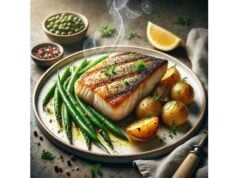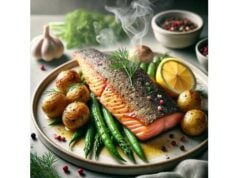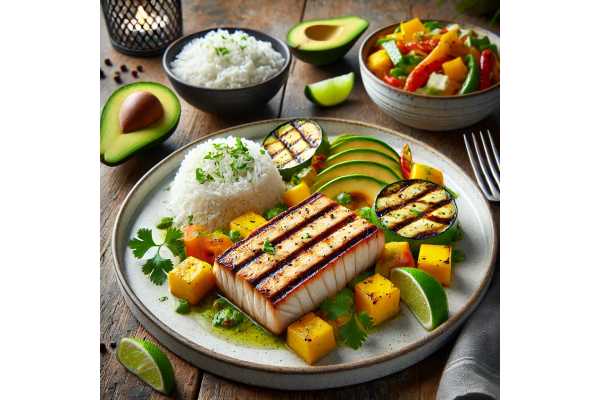
Wahoo (Acanthocybium solandri)—also called ono in Hawaii—is a sleek, fast-swimming game fish prized by chefs and anglers alike. Its flesh is pale, firm, and delicately flavored, with large flakes that hold up well on the grill or in the pan. Nutritionally, wahoo delivers high-quality protein and meaningful amounts of selenium with virtually no carbohydrates. While it is leaner and lower in omega-3 fats than salmon or sardines, it still contributes EPA and DHA and can fit well in a heart-healthy eating pattern. Because wahoo is a top predator, mercury considerations and smart sourcing matter—especially for people who are pregnant, breastfeeding, or feeding young children. This guide brings together the essential science and practical know-how: what wahoo offers nutritionally, how it may support health, potential risks and interactions, and how to buy, store, prepare, and portion it so the experience is both delicious and safe.
Fast Facts
- Lean, high-protein fish offering ~19 g protein and ~0.33 g EPA+DHA per 100 g; notable for selenium (~39 µg).
- Typical cooked serving: 4–6 oz (113–170 g), up to 1–2 times per week within overall seafood guidance.
- Mercury can be moderate; people who are pregnant, breastfeeding, or feeding young children should choose lower-mercury seafood more often and follow local advisories.
- Best for those wanting firm, mild fish that grills, sears, or poaches cleanly; individuals with fish allergy should avoid.
Table of Contents
- Wahoo basics and context
- Wahoo nutrition profile
- Proven benefits of wahoo
- Risks, mercury, allergies
- Buying, quality, sustainability, storage
- Cooking and nutrient retention
- Portions, comparisons and FAQs
Wahoo basics and context
Wahoo is a pelagic, torpedo-shaped fish in the mackerel family (Scombridae). It’s found in tropical and subtropical waters worldwide and is prized in sport fisheries for explosive speed and powerful runs. In markets and on menus it may appear as “wahoo” or “ono” (Hawaiian for “good to eat”). The flesh is pale pink when raw, turning white and flaky when cooked. Flavor is clean and mild, sometimes compared to a lighter version of swordfish or a firmer mahi-mahi, making it a versatile canvas for citrus, herbs, spice rubs, and smoke.
From a culinary standpoint, wahoo’s strengths are its texture and adaptability. The fillets have minimal connective tissue, so they cook evenly and stay juicy over direct heat. The mild profile suits weeknight meals and also plays well with bold sauces (mojo, chimichurri, salsa verde) and tropical fruit pairings (mango, pineapple, passion fruit). Because it is lean, it benefits from careful timing and finishing fats (olive oil, butter) to avoid dryness.
Nutritionally, wahoo is almost pure protein with virtually no carbohydrate and a modest fat content. While its omega-3 level is lower than oily fish, it still supplies EPA and DHA plus selenium, an essential antioxidant cofactor. That combination makes wahoo a useful option for people seeking lean seafood, higher protein intake, or a lower-calorie entrée that doesn’t skimp on satiety.
As a top predator, wahoo can accumulate methylmercury. Average levels reported across regions are often in the low-to-moderate range, but they vary with habitat and fish size. That variability is why consumption frequency should be aligned with age, life stage, and local advisories. Sustainably, U.S. wild-caught wahoo is generally well managed, with selective gears (especially hook-and-line) and low habitat impact, though stock-assessment status may vary by region.
When to choose wahoo:
- You want a firm, mild fish that grills or sears cleanly.
- You prefer leaner seafood but still want some omega-3s.
- You’re looking for a versatile option for tacos, kebabs, or elegant plates.
When to consider alternatives:
- You need a higher omega-3 dose from food (choose salmon, sardines, or mackerel).
- You’re pregnant, breastfeeding, or feeding young children and wish to prioritize fish consistently classified as lower in mercury (e.g., salmon, sardines, trout, pollock, shrimp).
Wahoo nutrition profile
Serving basis used below: raw, per 100 g.
At-a-glance:
- Energy: ~167 kcal
- Protein: ~19.3 g
- Total fat: ~9.4 g (of which saturated fat ~2.4 g)
- Carbohydrate: 0 g
- Cholesterol: ~64 mg
- Sodium: ~78 mg
- Selenium: ~39 µg
- Long-chain omega-3s (EPA+DHA): ~0.33 g (estimate from regional nutrient analyses)
Daily Values (DV) used for %DV: Total fat 78 g; Saturated fat 20 g; Sodium 2,300 mg; Selenium 55 µg; Protein 50 g. Cholesterol currently has no established %DV for labeling; listed without %DV.
Macros & Electrolytes (per 100 g)
| Nutrient | Amount | %DV |
|---|---|---|
| Energy (kcal) | 167 | — |
| Protein (g) | 19.32 | 39% |
| Total Fat (g) | 9.36 | 12% |
| Saturated Fat (g) | 2.44 | 12% |
| Carbohydrate (g) | 0.0 | 0% |
| Sodium (mg) | 78 | 3% |
| Cholesterol (mg) | 64 | — |
Fats & Fatty Acids (per 100 g)
| Component | Amount | Notes |
|---|---|---|
| Total Fat (g) | 9.36 | Lean relative to salmon; richer than cod. |
| Saturated Fat (g) | 2.44 | Keep an eye in heart-specific diets. |
| EPA + DHA (g) | ~0.33 | Approximate; varies by region/season. |
| Total Omega-3 (g) | ~0.33 | Primarily long-chain (EPA, DHA). |
| Trans Fat (g) | 0 | Naturally negligible. |
Protein & Amino Acids
Wahoo provides complete, high-biological-value protein. At ~19 g per 100 g raw weight, a typical cooked 6 oz (170 g) portion supplies roughly 30–32 g protein (allowing for cooking loss), supporting muscle maintenance, satiety, and recovery.
Vitamins (per 100 g)
(Values for wahoo focus on key contributors and practical relevance; figures vary by sample and geography.)
| Vitamin | Amount | %DV | Role |
|---|---|---|---|
| Vitamin B12 (µg) | Small–moderate* | — | Red blood cell & nerve health. |
| Niacin (mg) | Moderate* | — | Energy metabolism, skin health. |
| Vitamin B6 (mg) | Small–moderate* | — | Amino acid metabolism. |
| Vitamin D (µg) | Trace–low | — | Lower than in oily fish. |
*B-vitamin values in wahoo are meaningful but variable; specific per-100 g estimates differ by catch region and analytic dataset. If you rely on fish for B12, fattier species (salmon, mackerel) generally run higher.
Minerals (per 100 g)
| Mineral | Amount | %DV |
|---|---|---|
| Selenium (µg) | ~39 | 71% |
| Potassium (mg) | Moderate* | — |
| Phosphorus (mg) | Moderate* | — |
| Iron (mg) | Low | — |
| Iodine (µg) | Variable | — |
*Potassium and phosphorus are present at useful levels; people with chronic kidney disease should account for total daily intake.
Allergens & Intolerance Markers
- Fish is a major allergen. Wahoo contains typical fish muscle proteins (e.g., parvalbumins) that can trigger reactions in sensitized individuals.
- Histamine (scombroid) illness is uncommon when handling is proper but can occur with time-temperature abuse in any scombroid fish; buy from reputable suppliers and maintain the cold chain.
Contaminants/Residues
- Methylmercury: moderate on average, with variability by region and fish size. See Risks, mercury, allergies for frequency guidance.
Fortification & Additives
- Fresh wahoo is not fortified.
- Smoked or cured products may contain added sodium; check labels.
Interpretation
Wahoo is a lean, high-protein fish with a meaningful selenium contribution and a modest dose of long-chain omega-3s. It’s a sound choice when you want firm texture and clean flavor, recognizing that it is not an omega-3 heavyweight like salmon or sardines. People balancing mercury exposure should plan frequency and portion size accordingly.
Proven benefits of wahoo
1) Supports a heart-healthy pattern
Seafood intake as part of an overall healthy dietary pattern is consistently associated with lower cardiovascular risk. Wahoo contributes complete protein, virtually no carbohydrates, and a modest amount of EPA and DHA—the long-chain omega-3 fats linked to improvements in triglycerides, plaque biology, and selected cardiovascular outcomes in clinical trials. While wahoo’s omega-3 content is well below that of oily fish, including it once or twice a week still moves intake toward recommended seafood targets, especially for people who otherwise eat little fish.
2) High-quality protein for muscle and weight management
Protein from fish is highly digestible and rich in essential amino acids. A typical 6 oz cooked portion of wahoo provides roughly 30+ grams of protein with fewer calories than many red-meat portions, aiding satiety, preserving lean mass during weight loss, and supporting active lifestyles.
3) Selenium for antioxidant defense and thyroid function
Wahoo’s selenium (~39 µg per 100 g) can provide 70%+ of the Daily Value in a modest portion. Selenium helps build selenoproteins (e.g., glutathione peroxidases) that neutralize oxidative stress and support thyroid hormone metabolism. Adequate selenium may also help counterbalance methylmercury exposure risk in fish-eating populations by ensuring sufficient antioxidant capacity.
4) Practical benefits: texture, versatility, and acceptability
Dietary changes stick when meals taste good and fit real life. Wahoo’s firm texture holds up on a weeknight grill, in tacos, or as a quick sear and slice over grains and vegetables. Its mild flavor makes it approachable for households easing into more seafood.
5) Balanced perspective on omega-3 research
Evidence for omega-3s and cardiovascular outcomes has evolved. Fish intake within a healthy eating pattern is consistently associated with lower cardiovascular risk. Supplement trials show mixed results overall but clearer benefits for purified EPA in high-risk groups, alongside a small, dose-related increase in atrial fibrillation risk at higher intakes. The takeaway for most people: food-first approaches are sensible; use supplements under clinician guidance when indicated.
Bottom line on benefits:
Wahoo is a lean, satisfying fish that can help you meet weekly seafood goals, add complete protein, and contribute selenium and long-chain omega-3s. For higher omega-3 targets, rotate wahoo with salmon, sardines, or trout.
Risks, mercury, allergies
Mercury: how concerned should you be?
As a fast-growing, predatory fish, wahoo can accumulate methylmercury. Average concentrations reported in studies cluster in the low-to-moderate range but vary widely by region, season, diet, and fish size. This variability is why life-stage-specific guidance matters:
- People who are pregnant, trying to conceive, or breastfeeding; and children 1–11 years: Prioritize fish consistently classified as lower in mercury (e.g., salmon, sardines, trout, pollock, shrimp) and follow national and local advisories on frequency and portion size. When choosing wahoo, do so less often and avoid very large fish.
- General healthy adults: Wahoo can fit into a varied seafood rotation. Keep overall seafood intake within standard guidance and rotate species to diversify nutrients and minimize exposure to any single contaminant.
Frequency guardrails for practical planning
- Standard adult guidance: Aim for at least 8 oz (225 g) of seafood weekly from a variety of species. If including wahoo, consider limiting to one 4–6 oz (113–170 g) serving in a given week within your total seafood plan, particularly if your other choices that week are not from the lowest-mercury list.
- Pregnant or breastfeeding individuals and children: Choose lower-mercury fish most often; consult advisories for local catches. If wahoo is consumed, keep portions modest and less frequent.
Allergy considerations
- Fish allergy can be severe. Avoid wahoo if you have a known fish allergy. Cross-contact is possible in seafood markets and restaurants; communicate your needs clearly.
Foodborne safety
- Like all fish, wahoo should be kept at ≤4°C (≤40°F) and cooked to 63°C (145°F) internal temperature unless you are working within sushi-grade protocols under expert guidance.
- Histamine (scombroid) illness is preventable with proper chilling. Buy from reputable sources that maintain the cold chain; reject fish with a strong ammonia or sour odor.
Medication and nutrient interactions
- Omega-3s and bleeding risk: Dietary amounts from wahoo are small and not a concern for most people. Those on anticoagulants or high-dose omega-3 prescriptions should follow clinician advice.
- Sodium in processed forms: Smoked or brined wahoo can be high in sodium—check labels if you have hypertension or heart failure.
Who should limit or avoid wahoo
- People who are pregnant, breastfeeding, or feeding young children (prefer lower-mercury species most often).
- Individuals with fish allergy.
- Those with phenylketonuria or on strict protein-limited diets (medical supervision required).
Buying, quality, sustainability, storage
What to look for at the counter
- Appearance: Fillets should be moist, not sticky or dry; color pale pink (raw), without browning.
- Smell: Fresh, ocean-clean; avoid strong “fishy” or sour odors.
- Texture: Firm to the touch; flesh should spring back.
- Skin-on pieces: If present, the skin will be silver-blue with vertical striping.
- Frozen: Choose vacuum-sealed portions with no ice crystals, frost, or broken seals.
Sustainability snapshot
- U.S. wild-caught wahoo is typically harvested with selective gears (hook-and-line, troll) that have low habitat impact and low bycatch relative to many alternatives. Availability is year-round. Stock assessments vary by management area; catch limits and precautionary measures are used where formal assessments are lacking. When buying imported wahoo, seek suppliers with transparent sourcing and third-party sustainability claims where available.
Quality grading isn’t standardized for wahoo as it is for tuna. Freshness and handling are your best quality markers. Ask: When was it landed? Was it bled and iced promptly? Has it remained under refrigeration throughout distribution?
Storage and shelf life
- Refrigerate (≤4°C / ≤40°F): Use within 1–2 days. Keep fillets on ice in the coldest part of the fridge.
- Freeze (−18°C / 0°F or colder): For best quality, use within 3–4 months. Wrap tightly: remove air (vacuum sealing is ideal).
- Thawing: Overnight in the refrigerator. For faster thawing, keep sealed and submerge in cold water, changing water every 30 minutes; cook immediately after thawing.
Minimizing waste
- Portion and freeze what you won’t cook in 24–48 hours.
- Trim dark lateral line if you prefer a milder taste (it can be stronger flavored).
- Save cooked leftovers for salads, tacos, or grain bowls within 3 days.
Sourcing tips
- Favor traceable, U.S.-landed product when possible.
- Ask for “ono” in Hawaiian-focused markets and restaurants, which often indicates Pacific landings.
- For home cooks new to wahoo, start with center-cut loins for even cooking.
Cooking and nutrient retention
Because wahoo is lean, the culinary goal is gentle doneness and moisture management. Overcooking leads to dryness; finishing fats, marinades, and proper timing make all the difference.
Core technique principles
- Pat dry and season simply (salt 30–60 minutes ahead for light dry brine; pepper and aromatics just before cooking).
- High-heat sear, moderate finish: Sear 1–2 minutes per side, then finish over lower heat or in a 200–230°C (400–450°F) oven for a few minutes.
- Target medium to medium-well: Remove when just opaque and flakes separate with gentle pressure; carryover heat will finish.
- Add fat thoughtfully: Brush with olive oil or butter; consider an herbed compound butter or citrus-olive oil to finish.
- Rest briefly (2–3 minutes) before slicing to keep juices in the flesh.
Recommended methods
- Grill: Oil grates well. Cook over direct heat to mark, then slide to indirect heat until just done. Great with citrus-garlic marinades or smoky spice rubs (paprika, cumin, coriander).
- Pan-sear: Use a high-smoke-point oil (avocado, canola). Finish with butter, lemon, capers, and parsley for a piccata-style pan sauce.
- Roast: Brush with oil, season, and roast on a preheated sheet pan; add cherry tomatoes and olives for a Mediterranean tray bake.
- Poach: Wine- or court-bouillon-poached wahoo stays moist and delicate; good for salads and chilled preparations.
- Smoke (hot-smoke): Brine lightly (3–5% salt) for 30–60 minutes; smoke at 93–107°C (200–225°F) to 63°C (145°F) internal. Monitor closely to avoid drying.
Nutrient retention tips
- Short cook times preserve B-vitamins.
- Moist-heat or gentle oven finishes reduce surface drying and preserve texture.
- Minimal trimming retains micronutrients concentrated near the surface.
- Serve with vitamin-rich sides (citrus slaws, leafy greens, roasted vegetables) to round out lower vitamin density compared to oily fish.
Flavor pairings that elevate wahoo
- Bright & herbal: Lemon, lime, orange; parsley, cilantro, chives, dill.
- Warm spice: Cumin, coriander, smoked paprika, Aleppo pepper.
- Umami accents: Capers, olives, miso, anchovy butter, soy-ginger glaze.
- Tropical: Mango salsa, grilled pineapple, coconut-lime sauce.
Food safety temperatures
- Cook to 63°C (145°F) internal temperature measured at the thickest part, unless you are preparing sashimi-style under proper sourcing and handling protocols.
Portions, comparisons and FAQs
Portion guidance
- Standard adult portion: 4–6 oz cooked (113–170 g), typically from a 5–7 oz raw cut (allowing for moisture loss).
- Weekly frequency: Within a varied seafood plan, include wahoo up to 1–2 times per week depending on your other fish choices and individual considerations (see mercury guidance).
Comparisons with similar fish
| Feature | Wahoo (Ono) | Mahi-mahi | Swordfish | Salmon (Atlantic) |
|---|---|---|---|---|
| Texture & flavor | Firm, mild, clean | Firm, mild-sweet | Very firm, meaty, robust | Tender-firm, rich |
| Total fat (per 100 g) | ~9 g | ~2 g | ~7 g | ~13 g |
| Omega-3s (EPA+DHA) | ~0.33 g | ~0.13 g | ~0.65 g (varies) | ~1.8 g |
| Mercury tendency | Moderate, variable | Low–moderate | High | Low–moderate (farm source-dependent) |
| Best uses | Grill, sear, poach | Grill, sauté, tacos | Steaks, grill | Roast, pan-sear, poach |
Who benefits most from wahoo?
- People prioritizing lean protein with clean flavor and sturdy texture.
- Home cooks who want a forgiving grill fish that holds together.
- Eaters who enjoy rotating species to diversify nutrients and culinary variety.
Who should favor other fish more often?
- Those seeking higher omega-3 intake from food (choose salmon, sardines, trout, herring, mackerel).
- Individuals in pregnancy/early childhood windows who prefer consistently lower-mercury species.
Frequently asked questions
Is wahoo a “white fish”?
Yes. Its cooked flesh is white and mild, but it’s firmer than flaky white fish like cod or haddock.
Can I eat wahoo rare?
For fully cooked service, target 63°C (145°F). In restaurants, some chefs serve high-quality, sushi-grade wahoo lightly seared. If choosing undercooked fish at home, use expert-trusted sources, strict refrigeration, and parasite/destruction-step protocols.
Does wahoo have bones?
Fillets are usually well-trimmed with few pin bones. Check and remove any remaining with tweezers before cooking.
What sauces go best?
Citrus-herb pan sauces, salsa verde, tropical salsas, miso-ginger glazes, and butter-capers all shine without overwhelming its delicate taste.
How do I keep it moist?
Avoid overcooking; marinate lightly (citrus or yogurt, 20–30 minutes), baste during grilling, or finish with olive oil or compound butter.
Is smoked wahoo healthy?
It’s protein-rich but can be high in sodium; enjoy occasionally and pair with fresh produce.
How does wahoo fit into heart-healthy eating?
Use it as a lean protein centerpiece alongside vegetables, whole grains, legumes, nuts, and olive oil. Rotate with oilier fish to raise overall omega-3 intake.
References
- Atlantic Wahoo 2025.
- Advice about Eating Fish 2024.
- Effect of omega-3 fatty acids on cardiovascular outcomes: A systematic review and meta-analysis 2021 (Systematic Review).
- Fish consumption in multiple health outcomes: an umbrella review of meta-analyses of prospective cohort studies 2023 (Systematic Review).
- Fish intake and mercury exposure in young children 2024.
Disclaimer
This information is educational and is not a substitute for personalized medical advice, diagnosis, or treatment. Dietary choices, including seafood selection and frequency, should reflect your health status, medications, and life stage. If you are pregnant, breastfeeding, have cardiovascular or kidney disease, take anticoagulants, or have food allergies, seek guidance from a qualified health professional.
If you found this guide helpful, please consider sharing it on Facebook, X (formerly Twitter), or your favorite platform to support our continued work. Thank you.