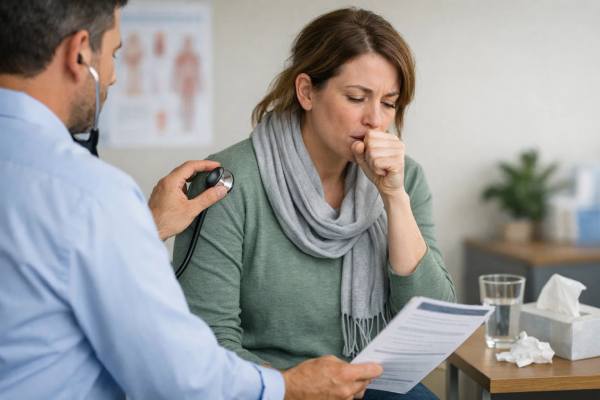
Walking pneumonia is a common name for a milder, slower-starting form of pneumonia that often lets people keep moving through daily life—at least at first. That “walking” label can be misleading: the infection still inflames the lungs, drains energy, and can linger for weeks if you push through it. For many people, symptoms begin like a stubborn cold—dry cough, fatigue, and low-grade fever—then settle into a pattern that does not quite fit a typical cold or flu. Understanding what walking pneumonia is (and what it is not) matters because treatment is different: supportive care is essential, and antibiotics help only when a bacterial cause is likely. This guide breaks down the usual symptoms, how it spreads, how clinicians confirm the diagnosis, and the practical signs that it is time to seek medical care.
Core Points to Know
- Walking pneumonia often starts gradually with a persistent dry cough and fatigue that lasts longer than a typical cold.
- Most cases are mild, but breathing trouble, chest pain, or low oxygen are reasons to seek urgent evaluation.
- Antibiotics help when a bacterial cause is likely, but they do not treat viral respiratory infections.
- If symptoms are not improving after 48–72 hours of appropriate treatment, reassessment is important.
Table of Contents
- What walking pneumonia really means
- Symptoms that do not match a cold
- Causes and how it spreads
- Testing and diagnosis in real life
- When antibiotics are truly needed
- Recovery timeline and home treatment
- Prevention and reducing reinfection
What walking pneumonia really means
“Walking pneumonia” is not a separate medical diagnosis. It is a plain-language description for pneumonia that tends to be milder, more gradual, and less dramatic than the classic picture of pneumonia with high fever and obvious shortness of breath. Many people can still go to work or school in the early days, which is why outbreaks can quietly spread through households, classrooms, dorms, and offices.
Clinically, walking pneumonia is often associated with atypical pneumonia, a pattern that can look different from typical bacterial pneumonia. The most famous cause is Mycoplasma pneumoniae, a bacterium that lacks a cell wall. That detail is not trivia—it affects which antibiotics can work. Atypical pneumonia can also be caused by other bacteria and, in some cases, viruses. The symptoms and the pace of illness are often what stand out: gradual onset, persistent cough, and fatigue that feels disproportionate to how “mild” the fever seems.
It helps to separate what walking pneumonia is from what people assume it is:
- It is pneumonia: the lungs are inflamed, airways are irritated, and oxygen transfer can be affected.
- It is not always mild: older adults, pregnant people, and those with asthma, COPD, heart disease, or weakened immunity can become quite ill.
- It is not always obvious: you can have pneumonia with a normal-sounding chest early on, or with symptoms that mimic bronchitis.
- It is not “no big deal”: the most common pitfall is returning to full activity too soon, prolonging recovery.
The main goal is not to self-diagnose a label, but to recognize the pattern: a respiratory illness that is lingering, chest-centered, and not following the usual cold timeline. If you are still coughing hard after a week, feeling unusually winded, or your symptoms are steadily worsening rather than plateauing, it is reasonable to consider pneumonia as part of the picture—and to get evaluated instead of guessing.
Symptoms that do not match a cold
Walking pneumonia often starts with symptoms that seem ordinary—then refuse to resolve. The hallmark is a persistent cough, frequently dry at first, that can become productive later. Many people describe an irritating cough that disrupts sleep, triggers coughing fits, or leaves the chest sore. Fatigue can be striking: you may feel “wrung out” even if the fever is mild.
Common symptoms include:
- Dry or minimally productive cough (often lasting 2–4 weeks, sometimes longer)
- Low-grade fever or chills (some people have no fever)
- Sore throat, hoarseness, or runny nose early on
- Headache and body aches
- Chest discomfort, especially with deep breaths or coughing
- Mild shortness of breath during exertion (stairs feel harder than usual)
In children, symptoms can be subtle: decreased energy, poor appetite, irritability, stomach upset, or a cough that worsens at night. In teens and young adults, the classic pattern is a slow-building cough and fatigue that makes school or sports feel unusually difficult.
The most important question is not “Do I have a cough?” but “Is my breathing or overall function changing in a concerning way?” Seek prompt medical evaluation if any of the following occur:
- Shortness of breath at rest or progressively worsening breathlessness
- Chest pain that is sharp, persistent, or linked with breathing
- Blue-tinged lips or face, or visible struggle to breathe
- Confusion, severe sleepiness, or new dizziness
- Dehydration (very dark urine, inability to keep fluids down)
- High fever that persists, or fever returning after a period of improvement
- Symptoms that are worsening after 5–7 days instead of stabilizing
Some groups should have a lower threshold to seek care: adults over 65, infants, pregnant people, those with chronic lung or heart disease, and anyone who is immunocompromised. For these individuals, “mild” symptoms can hide significant lung involvement.
One practical clue: colds typically improve noticeably by day 7–10. Walking pneumonia often peaks later and lingers. If you find yourself saying, “This has been going on too long,” that instinct is worth listening to.
Causes and how it spreads
Walking pneumonia is most often linked with atypical bacteria, especially Mycoplasma pneumoniae. Unlike many bacteria, this organism does not have a typical cell wall, which influences both how it behaves in the airways and which antibiotics work. Other causes can include Chlamydia pneumoniae and, less commonly, Legionella species. Viral infections can also cause pneumonia, but the “walking pneumonia” nickname is usually used when the course is mild and gradual—more typical of Mycoplasma than many viral pneumonias.
Transmission usually happens through respiratory droplets and close contact—talking, coughing, sneezing, and sharing indoor air. Spread is more likely in places where people are close together for prolonged periods:
- Households
- Schools, colleges, and dorms
- Daycare centers
- Military and training settings
- Workplaces with shared rooms or poor ventilation
A key reason walking pneumonia can circulate quietly is its incubation period. Symptoms may not appear until 1–3 weeks after exposure (sometimes longer). During that time, people can feel well enough to continue normal routines. Once coughing begins, contagiousness tends to be higher, especially with frequent coughing.
How long someone is contagious depends on the cause and whether treatment is started. With bacterial walking pneumonia, contagiousness can decrease after effective antibiotics begin, but coughing can persist even after the germ load drops. Practically, the highest risk of spread is in the days when a person is actively coughing and spending time close to others indoors.
You can reduce transmission with a few focused steps:
- Improve indoor ventilation (open windows when possible, use air filtration if available)
- Avoid close, prolonged indoor contact while actively ill
- Use a well-fitting mask in crowded indoor settings if you must be around others while coughing
- Do not share drinks, utensils, or smoking or vaping devices
- Wash hands after coughing and before touching shared surfaces
It is also worth noting what does not help much: deep-cleaning every surface is less important than reducing shared air exposure. Walking pneumonia spreads primarily through respiratory secretions and close contact, not through casual contact with objects.
Testing and diagnosis in real life
Diagnosis starts with the basics: symptom timeline, exposures, and a focused exam. Clinicians listen for lung sounds such as crackles, wheezing, or areas where airflow seems reduced. However, walking pneumonia can be tricky—some people have a relatively normal lung exam early on, even when the cough is significant.
In real-world practice, clinicians often look for signals that the illness has moved beyond a simple upper respiratory infection, including:
- Abnormal vital signs (fever, fast heart rate, fast breathing)
- Low oxygen saturation
- Shortness of breath with minimal activity
- Chest pain with breathing
- Symptoms lasting longer than expected or worsening after initial improvement
A chest X-ray is the most common imaging test when pneumonia is suspected. It can confirm lung involvement and help rule out other causes of chest symptoms. That said, early pneumonia can occasionally be subtle on imaging, and dehydration can sometimes make findings harder to interpret. In uncomplicated mild illness, an X-ray may not be necessary immediately, but it becomes more important if symptoms are significant, risk factors are present, or the diagnosis is uncertain.
Testing for the exact germ varies by setting:
- Swab-based PCR tests can detect some atypical bacteria and viruses, and are more likely to be used in outbreaks, in hospitals, or when knowing the cause will change treatment decisions.
- Blood tests (such as markers of inflammation) can support the clinical picture, but they do not reliably identify the cause on their own.
- Sputum tests are less commonly helpful in mild outpatient walking pneumonia because many people do not produce a good sample, and atypical bacteria can be difficult to identify with standard cultures.
A practical reality is that treatment decisions often rest on a combination of: symptom pattern, exam findings, risk factors, local circulation of specific pathogens, and imaging when needed. That is not “guessing”—it is structured clinical decision-making.
Follow-up is part of diagnosis, too. If symptoms are not improving in the expected timeframe—especially if cough worsens, fever persists, or breathing becomes harder—clinicians may reassess for complications (such as asthma flare, dehydration, secondary bacterial infection, or pleural involvement) or consider whether the initial treatment choice should be adjusted.
When antibiotics are truly needed
Antibiotics can be very helpful for bacterial pneumonia, including many cases labeled “walking pneumonia.” But they are not a universal fix for respiratory symptoms, and using them when they are unlikely to help carries downsides: side effects, allergic reactions, interactions, and antibiotic resistance.
A useful way to think about antibiotics is this: antibiotics treat bacteria, not irritation. Many coughs persist because the airways remain inflamed after an infection has started to resolve, or because a virus is the cause. In those situations, antibiotics do not shorten the course.
Antibiotics are more likely to be recommended when the overall picture fits pneumonia and a bacterial cause is plausible, such as:
- Symptoms and exam suggest lower-lung involvement (not just throat and nose)
- Fever, fast breathing, or clear decline in functioning
- Imaging supports pneumonia
- There is a known outbreak of atypical pneumonia in the community or household
- The person has risk factors for complications and a low threshold for treatment is appropriate
With walking pneumonia linked to Mycoplasma pneumoniae, clinicians commonly choose antibiotics that act on bacteria without cell walls. In many cases, that means a macrolide antibiotic or doxycycline. In adults with specific circumstances, a respiratory fluoroquinolone may be considered, but these medications have important precautions and are usually reserved for particular cases. In children, macrolides are often preferred when an atypical cause is suspected.
Two practical points matter just as much as which antibiotic is chosen:
- Timing and expectations
Antibiotics do not usually stop symptoms overnight. Many people notice gradual improvement over 48–72 hours, especially in fever and overall stamina. The cough can take longer, because the airway lining needs time to recover. - Reassessment if you are not improving
If symptoms are unchanged or worsening after 2–3 days of appropriate treatment, it is a reason to follow up. Possible explanations include: a viral cause, a different bacteria than expected, antibiotic resistance, poor absorption due to vomiting, an asthma flare, or a complication that needs different management.
Avoid common antibiotic pitfalls:
- Do not use leftover antibiotics or share prescriptions.
- Do not stop early just because you feel a little better; follow the prescribed course.
- Do not assume a “stronger” antibiotic is safer or better. Each has tradeoffs.
Finally, antibiotics are only one piece. Hydration, rest, symptom control, and monitoring breathing are what keep mild pneumonia from turning into a prolonged, exhausting illness.
Recovery timeline and home treatment
Recovery from walking pneumonia is often longer than people expect. The fever may fade early, but cough and fatigue can linger. A realistic timeline helps you pace activity and avoid setbacks.
Typical recovery pattern:
- Days 1–7: Gradual onset, worsening cough, fatigue, possibly mild fever
- Days 7–14: Symptoms plateau or begin improving, especially with effective treatment
- Weeks 2–4: Cough slowly diminishes; stamina returns in steps, not all at once
- Weeks 4–6: Some people still have occasional cough with exertion or cold air, especially if they have asthma or a sensitive airway
Supportive care makes a measurable difference:
- Rest with intention: Aim to reduce exertion for a few days after the worst symptoms. If you return to intense activity too early, cough and fatigue often rebound.
- Fluids and nutrition: Dehydration thickens mucus and worsens headaches and fatigue. Warm fluids can ease throat irritation and cough.
- Fever and pain control: Over-the-counter fever reducers and pain relievers can improve comfort and sleep. Follow label directions and consider medical advice if you have liver disease, kidney disease, ulcers, or take blood thinners.
- Humidity and airway comfort: A cool-mist humidifier, warm shower steam, or saline nasal spray can reduce irritation that triggers coughing.
- Cough strategy: The goal is not to eliminate every cough, but to make coughing less disruptive and more productive when mucus is present. Honey (for people over age 1) and warm beverages can be soothing. If you are considering a cough suppressant, especially at night, it is best to ask a clinician or pharmacist—some suppressants are not appropriate for everyone, and you do not want to trap thick secretions.
Consider monitoring tools at home:
- If you have access to a pulse oximeter, check oxygen levels when resting and during mild activity. A sustained low reading or a downward trend should prompt medical advice.
- Track hydration, fever, sleep, and breathlessness. A simple daily note can clarify whether you are improving.
Return to work or school depends on symptoms, contagion risk, and stamina. A practical approach is:
- Return when you can comfortably do light activity, are sleeping reasonably, and can get through the day without worsening breathlessness.
- If antibiotics are prescribed for bacterial pneumonia, many clinicians consider a person less likely to spread bacteria after 24–48 hours of effective treatment, but cough etiquette and avoiding close indoor contact while actively coughing still matter.
The most common recovery mistake is treating “feels a bit better” as “fully recovered.” Plan a gradual ramp-up—your lungs often need it.
Prevention and reducing reinfection
You cannot prevent every respiratory infection, but you can reduce your odds of getting pneumonia—and reduce spread when illness does occur—by focusing on high-impact steps.
Strengthen baseline protection
- Stay current on recommended vaccines, especially those that reduce infections that commonly trigger pneumonia or worsen respiratory illness (such as influenza, COVID-19, and pneumococcal vaccines for eligible groups).
- If you have asthma or COPD, keep your treatment plan updated. Uncontrolled airway disease makes respiratory infections harder to tolerate and slower to recover from.
- Prioritize sleep and adequate nutrition during high-transmission seasons. These do not “boost” immunity in a magical way, but they support immune function and recovery.
Reduce exposure in shared air
Walking pneumonia often spreads in indoor settings where people share air for long periods. Simple measures help:
- Ventilate rooms when possible (open windows, use fans strategically, consider air filtration)
- Avoid close indoor gatherings when actively coughing
- Use a well-fitting mask in crowded indoor places when respiratory viruses and atypical pneumonias are circulating
- Practice cough etiquette: cough into your elbow, then wash hands
Protect high-risk people thoughtfully
If someone in your household is high risk—an older adult, an infant, or a person with chronic heart or lung disease—treat a persistent cough and fatigue as a signal to be cautious. Consider temporary separation of sleeping spaces, improved ventilation, and masking in shared rooms until the sick person is clearly improving.
Know when to recheck
Prevention also includes preventing complications. If you have had walking pneumonia and are improving but then develop new fever, worsening chest pain, or new shortness of breath, do not assume it is “just the same thing.” A second evaluation can catch complications early.
Finally, reinfection prevention is often about pacing. Returning too quickly to intense exercise, late nights, or crowded indoor events can keep airways irritated and vulnerable. A brief recovery buffer is not laziness—it is lung care.
References
- Clinical Overview of Mycoplasma pneumoniae Infection 2024 (Clinical Resource)
- Pneumonia: diagnosis and management 2025 (Guideline)
- Diagnosis and Management of Community-acquired Pneumonia. An Official American Thoracic Society Clinical Practice Guideline 2025 (Guideline)
- Recent Macrolide Resistance Pattern of Mycoplasma Pneumonia in the World: A Systematic Review and Meta-Analysis 2025 (Systematic Review)
Disclaimer
This article is for educational purposes and is not a substitute for professional medical advice, diagnosis, or treatment. Pneumonia can become serious, especially for infants, older adults, pregnant people, and anyone with chronic heart or lung disease or a weakened immune system. Seek urgent medical care for significant breathing difficulty, chest pain, confusion, fainting, blue-tinged lips or face, or worsening symptoms. Do not start, stop, or share antibiotics without guidance from a qualified clinician.
If you found this helpful, consider sharing it on Facebook, X (formerly Twitter), or any platform you prefer so others can recognize the signs of walking pneumonia and get timely care.