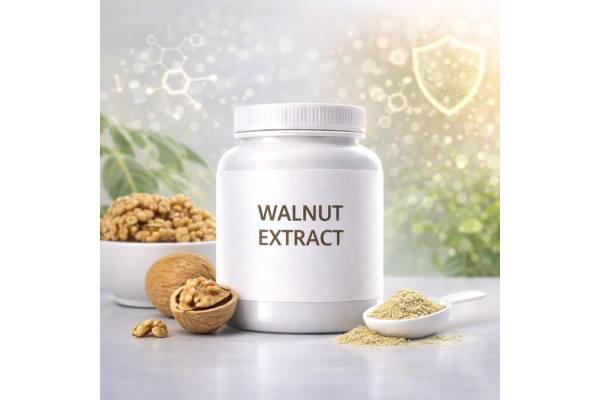
Walnut extract is a concentrated ingredient made from parts of the walnut tree (Juglans regia)—most often the kernel, the thin brown skin (pellicle), or other plant parts such as the leaf, husk, or internal septum. Unlike eating walnuts, an extract aims to deliver a smaller, more targeted dose of specific compounds, especially polyphenols (including ellagitannins), phenolic acids, and other plant chemicals that influence antioxidant and inflammatory pathways. People typically look to walnut extract for heart and metabolic support, gentle cognitive and mood benefits, and skin and gut-related goals.
Walnuts also have one of the strongest reputations among nuts for supporting healthier lipid patterns when eaten regularly, which shapes how many supplement users think about “walnut benefits.” The important nuance is that extracts are not identical to whole walnuts, and results depend on the plant part, extraction method, and standardization. This guide focuses on practical selection, realistic benefits, safe dosing, and who should be cautious.
Walnut Extract Essential Insights
- May support healthier lipid patterns and oxidative balance, especially when paired with a heart-smart diet.
- Effects depend heavily on the plant part and standardization (polyphenols and ellagitannins vary widely).
- Typical supplemental range is 250–1,000 mg/day of standardized extract (follow label directions).
- Avoid if you have a tree nut allergy; discontinue if you develop hives, swelling, or breathing symptoms.
- Use extra caution if you are pregnant, breastfeeding, or on blood thinners, unless your clinician approves.
Table of Contents
- What is walnut extract, exactly?
- What benefits do people use it for?
- How walnut extract works in the body
- How to choose and use it well
- How much walnut extract should you take?
- Side effects, interactions, and who should avoid
What is walnut extract, exactly?
“Walnut extract” is an umbrella term, not a single standardized ingredient. It usually refers to a concentrated preparation made from Juglans regia using water, alcohol, or mixed solvents to pull out certain compounds. The extraction choice determines what ends up in the capsule: a polyphenol-rich extract behaves differently than a fatty oil, and a leaf extract is not nutritionally comparable to a kernel extract.
Common forms you will see include:
- Walnut kernel extract: typically positioned for metabolic or cardiovascular support. Depending on processing, it may contain some fats, but many extracts prioritize polyphenols over oil.
- Walnut pellicle (skin) extract: the thin brown layer around the kernel is particularly rich in polyphenols. Products based on pellicle are often marketed for antioxidant support.
- Walnut leaf extract: more common in traditional herbal use. It may appear in formulas for skin, digestion, or glucose support, but it is a different phytochemical profile than the edible nut.
- Green husk or hull extracts: used historically in topical applications and certain traditional practices. These can contain more potent plant chemicals and may carry a different irritation or sensitivity risk.
- Internal septum extracts: less common commercially, but sometimes used in glucose-focused products and traditional preparations.
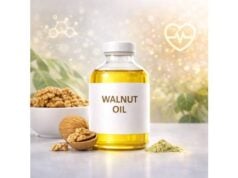
You may also see walnut oil sold as softgels. That is not an “extract” in the same sense; it is primarily a fat source and is used more like a dietary oil supplement.
The most important label concept is standardization, which means the manufacturer targets a consistent amount of a measured compound group (often total polyphenols). Without standardization, two “500 mg walnut extract” products can deliver very different active profiles.
A quick quality checklist:
- Clear botanical name (Juglans regia) and plant part (kernel, leaf, hull, pellicle).
- Standardization stated as a percentage or mg amount (for example, “polyphenols X%”).
- A transparent serving size in mg, not just “proprietary blend.”
- Third-party testing where possible, especially if the product is positioned as high-potency.
If you want benefits that closely match the strongest human nutrition evidence, remember that most of that evidence is built on eating walnuts as a food, not taking an extract. Extracts can still be useful, but expectations should be calibrated to the specific product type.
What benefits do people use it for?
Walnut extract is usually taken for “support” outcomes—subtle, cumulative improvements rather than immediate, noticeable stimulation. The strongest, most practical benefit expectations come from what walnuts are known for: lipid support, antioxidant capacity, and overall cardiometabolic resilience. Extracts try to concentrate parts of that value, especially polyphenols, but they do not perfectly replicate the whole-food package.
1) Heart and lipid support (most common intent)
Walnuts are frequently associated with healthier total cholesterol and LDL patterns when incorporated into a balanced diet. Walnut extracts are marketed to support similar goals by providing polyphenols that may influence oxidative stress and inflammatory signaling tied to vascular health. The most realistic outcome is “supportive,” not a substitute for dietary changes. If your goal is cholesterol improvement, the highest-leverage approach remains diet quality, weight management if relevant, and clinician-guided therapy when needed. Walnut extract can be an add-on, not a foundation.
2) Antioxidant and inflammation balance
Polyphenol-rich extracts are often used to support the body’s response to oxidative stress, especially for people with high training loads, chronic stress, or low fruit and vegetable intake. This is not about “detox.” It is about shifting the balance of oxidative processes that can affect vessels, skin, and general recovery.
3) Metabolic support and post-meal steadiness
Some walnut-derived extracts are marketed for glucose and insulin support. The evidence in humans is mixed and depends on the plant part and dose. If you are using walnut extract for metabolic goals, it works best as a structured companion to meals, movement, sleep, and adequate protein and fiber intake.
4) Brain, mood, and healthy aging (secondary intent)
Walnuts contain fatty acids and polyphenols that are studied in relation to brain aging and cognitive performance. Extracts typically emphasize the polyphenol side more than the fatty-acid side (unless you are taking walnut oil). This category is best treated as “long game” support—subtle and hard to feel day-to-day.
5) Skin and gut-related benefits (select products)
Leaf or husk-based extracts sometimes appear in skin or digestive formulas. These uses are more product-specific and can be harder to generalize. If skin is your primary goal, the plant part matters, and so does your sensitivity history.
A practical way to decide whether walnut extract fits your goals: if you want heart-health support and can tolerate nuts, consider whether adding walnuts to your diet is feasible. If it is not (taste, chewing issues, travel, calorie targeting), an extract may be a convenient alternative—but it should be chosen carefully and used consistently.
How walnut extract works in the body
Walnut extract’s effects depend on what the extract concentrates. Most walnut extracts emphasize polyphenols, while whole walnuts deliver a broader matrix: fats (including alpha-linolenic acid), fiber, minerals, and polyphenols together. Understanding the mechanisms helps you match the product to the outcome you want.
Polyphenols and ellagitannins: the “signal” compounds
Many walnut extracts contain high levels of polyphenols, including ellagitannins. In the body, ellagitannins can be transformed by gut microbes into smaller metabolites (often discussed as urolithin-type compounds). This matters because the downstream metabolites are more likely to circulate and interact with tissues. The practical implication is that two people can respond differently based on their gut microbiome and baseline diet.
Oxidative stress modulation
Polyphenols can influence antioxidant pathways and reduce oxidation of lipids in certain contexts. This is relevant to cardiovascular support because oxidized lipids and inflammatory signaling can contribute to vascular strain over time. A useful mental model is “lowering the friction” in systems under chronic load, rather than producing a strong, immediate sensation.
Inflammation signaling and endothelial support
Some walnut-derived compounds appear to influence inflammatory mediators and endothelial function (the behavior of blood vessel lining). This does not mean walnut extract is an anti-inflammatory drug. It means it may nudge certain pathways toward a healthier baseline when combined with consistent lifestyle behaviors.
Post-meal physiology and satiety (more pronounced with whole walnuts)
Whole walnuts tend to influence satiety because of their fat, fiber, and texture. Many extracts lack that physical satiety mechanism. If appetite control is your main goal, walnut extract may not be as reliable as food-based walnuts, unless your product includes meaningful fiber content or is paired with a meal strategy.
Fatty acids and brain support (more pronounced with walnut oil or whole walnuts)
If your supplement is walnut oil, the mechanism shifts toward providing dietary fats, including omega-3 precursor fats. If your supplement is a polyphenol extract, it is more about antioxidant and signaling effects than fat intake.
Why standardization changes everything
Polyphenol content can vary widely depending on plant part (pellicle vs kernel), harvest conditions, and extraction method. When a label specifies a standardized polyphenol percentage, you have a better chance of consistent outcomes and fewer surprises. Without it, you may be taking “walnut powder” that functions more like a generic plant material.
The best way to use walnut extract is to align mechanism with your goal:
- lipid and vascular support → polyphenol-standardized kernel or pellicle extract
- dietary fat support → walnut oil
- niche uses (skin or glucose) → plant-part-specific extracts used conservatively and with clear labeling
How to choose and use it well
Because “walnut extract” covers multiple ingredient types, smart selection is less about brand popularity and more about matching the extract to your intent. The goal is to reduce guesswork: you want a product that is transparent, tolerable, and easy to use consistently.
Step 1: Identify the plant part and match it to your goal
- Kernel or pellicle extracts are the most aligned with cardiometabolic and antioxidant goals.
- Walnut oil is better aligned with dietary fat support and is often used as a nutrition adjunct.
- Leaf, hull, or internal septum extracts are more specialized and should be chosen only if the product is clear about its use case and dosing.
Step 2: Prefer standardization when available
Look for one of the following:
- “Standardized to X% polyphenols”
- “Contains X mg total polyphenols per serving”
- A named marker compound listed in mg (less common, but helpful)
Avoid products that only say “walnut extract 500 mg” with no plant part and no standardization. That label tells you almost nothing about what you are actually taking.
Step 3: Choose a form you will actually use
- Capsules are best for consistent daily use.
- Powders allow dose flexibility, but taste can reduce adherence.
- Liquids can be convenient, but check for sweeteners and ensure the extract amount is stated in mg, not just “drops.”
Step 4: Use it in a way that fits the mechanism
Walnut extracts are generally not “timing critical,” but consistent use matters.
- For general cardiometabolic support, take it with a meal at the same time daily.
- For sensitive stomachs, take it with food rather than on an empty stomach.
- If you are using walnut oil, take it with meals to improve tolerance.
Two common mistakes that reduce results
- Treating walnut extract like a rescue supplement (“I’ll take it when I eat poorly”). Most benefits require steady use.
- Stacking multiple polyphenol products at high doses, then quitting because of GI upset. More is not always better.
A practical evaluation plan
- Choose one target outcome to track for 8–12 weeks (for example, fasting lipids from routine labs, or a consistent measure like waist circumference).
- Keep other changes modest so you can tell what helped.
- If your goal is cholesterol, treat walnut extract as a supplement to a heart-healthy pattern, not as the pattern itself.
Finally, if you can safely eat walnuts and enjoy them, consider a hybrid approach: use food-based walnuts most days and reserve extracts for travel, appetite-calorie constraints, or periods when convenience determines consistency.
How much walnut extract should you take?
Walnut extract dosing is product-dependent because the “active” portion varies with plant part and standardization. A 500 mg capsule could be a lightly concentrated powder or a high-potency polyphenol extract. The safest dosing strategy is label-first: follow the manufacturer’s serving size and adjust based on standardization, tolerance, and your goal.
Common adult supplemental ranges (general guidance)
- Standardized walnut extract: 250–1,000 mg/day, often split into 1–2 doses
- Polyphenol-rich pellicle or kernel extracts: commonly 300–800 mg/day, depending on stated polyphenol content
- Walnut oil softgels: often 1,000–2,000 mg/day of oil, depending on the product’s concentration and your dietary fat intake
If your product lists “total polyphenols” in mg, use that number as your anchor. Two products with different capsule weights can provide similar polyphenol amounts.
A conservative ramp-up plan (helps tolerance)
- Days 1–7: take ~250–300 mg/day (or the lowest label dose)
- Days 8–14: increase to ~500–600 mg/day if no GI upset
- Week 3+: consider ~800–1,000 mg/day only if you want more effect and tolerate it well
This approach reduces bloating, nausea, and “too much too fast” reactions that commonly end supplement trials early.
Timing tips
- Take extracts with food if you have a sensitive stomach.
- If taking two doses daily, split between breakfast and dinner for steadier tolerance.
- If your goal is cardiometabolic support, consistency matters more than exact timing.
How long to judge results
- For subjective outcomes (energy steadiness, general wellbeing): 2–4 weeks is usually enough to decide whether it feels worth continuing.
- For objective markers like lipids: 8–12 weeks is more appropriate, ideally paired with routine labs.
A reality check for cholesterol goals
If you are targeting cholesterol changes, the strongest evidence base relates to regular walnut consumption as a food (often around a handful daily). Extracts may support related pathways, but they should not replace established approaches like dietary fiber intake, reduced ultra-processed fats, weight management when appropriate, and clinician-directed therapy.
When to involve a clinician
- If you have cardiovascular disease, diabetes, liver or kidney disease
- If you are on blood thinners or multiple chronic medications
- If you are pregnant or breastfeeding
Walnut extract is usually a low-drama supplement when chosen well and dosed conservatively. The key is to avoid assuming that “natural” automatically means “unlimited.”
Side effects, interactions, and who should avoid
Walnut extract is often well tolerated, but the risk profile depends on two things: allergy potential and how concentrated the extract is. It also matters whether the product comes from the edible kernel or a more chemically active plant part like the husk or leaf.
Most common side effects
- Stomach upset or nausea, especially when taken on an empty stomach
- Bloating or loose stools, more likely with higher-dose polyphenol products
- Headache in some people sensitive to polyphenol concentrates (uncommon, but reported with various extracts)
- Skin irritation with topical exposure to certain walnut-derived materials (more relevant to husk-based products)
These effects usually improve by lowering the dose, taking with meals, and increasing gradually.
Allergy is the primary “do not try” category
If you have a tree nut allergy, walnut extract is not an experimental supplement. Even if a product claims to be “purified,” cross-contact and residual proteins are possible. Avoid walnut extract entirely unless your allergist specifically advises otherwise.
Seek urgent medical care if you develop:
- swelling of lips, tongue, or throat
- wheezing or shortness of breath
- widespread hives or faintness
Medication interactions to take seriously
Discuss walnut extract with a clinician if you use:
- Anticoagulants or antiplatelet medications (blood thinners). Walnut-based products are not classic high-risk anticoagulant interactors like some herbs, but caution is still sensible, especially with high-dose extracts.
- Diabetes medications if you are using a walnut-derived product aimed at glucose support. If your overall plan improves glucose control, medication needs can shift.
- Blood pressure medications if you are actively adjusting lifestyle and supplements; improvements can compound and cause lightheadedness in some people.
Who should avoid or use only with clinician guidance
- Pregnant or breastfeeding individuals (safety data for concentrated extracts is limited)
- Children (unless advised by a pediatric clinician)
- People with a history of severe allergies or multiple food sensitivities
- Individuals with chronic liver or kidney disease (concentrated botanicals are best approached conservatively)
Quality concerns and selection safety
Because walnut extract can be derived from different plant parts, choose products that disclose:
- plant part (kernel vs leaf vs husk)
- standardization and solvent type when available
- third-party testing and clear manufacturing practices
When to stop
Stop and reassess if you develop persistent GI symptoms, rash, or unusual bruising. Also stop before surgery unless your surgical team clears continued use, because clinicians may prefer minimizing variables around bleeding risk and anesthesia response.
Used thoughtfully, walnut extract is generally a low-risk supplement for most healthy adults without nut allergy. Used casually—high doses, unclear plant parts, or stacked with many other botanicals—it becomes harder to predict and easier to regret.
References
- The Effect of Walnut Intake on Lipids: A Systematic Review and Meta-Analysis of Randomized Controlled Trials 2022 (Systematic Review and Meta-Analysis)
- Walnut consumption and health outcomes with public health relevance-a systematic review of cohort studies and randomized controlled trials published from 2017 to present 2022 (Systematic Review)
- Effect of nut consumption on blood lipids: An updated systematic review and meta-analysis of randomized controlled trials 2025 (Systematic Review and Meta-Analysis)
- Effect of Walnut Supplementation on Dietary Polyphenol Intake and Urinary Polyphenol Excretion in the Walnuts and Healthy Aging Study 2023 (RCT Analysis)
- The hypoglycemic effects of Juglans regia L. internal septum in type 2 diabetic patients: A double-blind, randomized, placebo-controlled clinical trial 2023 (RCT)
Disclaimer
This article is for educational purposes only and does not provide medical advice, diagnosis, or treatment. Walnut extract can cause serious allergic reactions in people with tree nut allergy and may not be appropriate for everyone. If you are pregnant, breastfeeding, have chronic medical conditions, or take prescription medications—especially blood thinners, diabetes medications, or blood pressure medications—consult a qualified healthcare professional before using walnut extract. Stop use and seek medical care if you experience symptoms of allergy (hives, swelling, wheezing), severe digestive distress, rash, or unusual bruising.
If this guide was useful, please consider sharing it on Facebook, X (formerly Twitter), or any platform you prefer, and follow us on social media. Your support through sharing helps our team continue producing practical, high-quality health content.