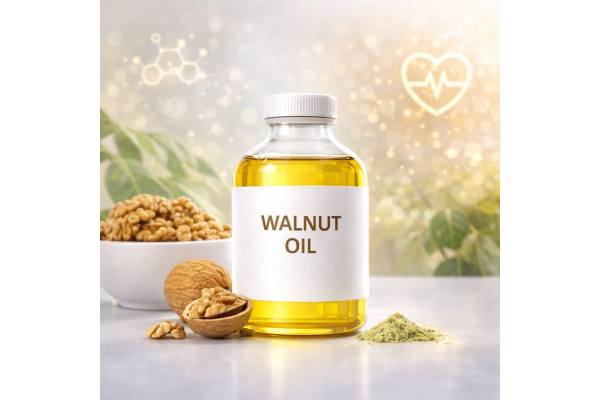
Walnut oil is a rich, aromatic oil pressed from walnuts (Juglans regia). People use it for two main reasons: its fatty acid profile (high in polyunsaturated fats, including plant-based omega-3 ALA) and its minor compounds such as tocopherols (vitamin E forms) and phytosterols. In the kitchen, walnut oil is prized for adding a toasted, nutty finish to salads, vegetables, and grains. As a supplement, it is typically used to support heart-friendly eating patterns, especially when replacing saturated fats.
What makes walnut oil unique is also what makes it easy to misuse: it is more delicate than many cooking oils, so heat and light can degrade it faster. Choosing the right type (refined vs cold-pressed), storing it well, and using a realistic dose are the difference between “expensive flavor” and a genuinely useful wellness staple. This guide covers how walnut oil works, what benefits are plausible, how to use it safely, and who should avoid it.
Walnut Oil Quick Overview
- May support healthier cholesterol patterns when used to replace saturated fats in the diet.
- Best used as a finishing oil; high heat can damage delicate polyunsaturated fats.
- Typical intake range is 5–15 mL/day (about 1–3 teaspoons) or up to 15 mL (about 1 tablespoon) with meals.
- Avoid if you have a tree nut allergy or develop hives, swelling, or breathing symptoms.
- Use caution if you take blood thinners or are pregnant or breastfeeding, unless your clinician approves.
Table of Contents
- What is walnut oil and why use it?
- Walnut oil nutrition and key compounds
- Benefits people expect from walnut oil
- How to use walnut oil in food and supplements
- Walnut oil dosage: how much per day?
- Side effects, interactions, and who should avoid walnut oil
- What does the research say so far?
What is walnut oil and why use it?
Walnut oil is the edible oil extracted from walnuts, most commonly Juglans regia (Persian or English walnut). You will see it sold in bottles for culinary use and in capsules marketed as a dietary supplement. While both come from walnuts, the processing method can change taste, stability, and how well the oil holds onto its natural “minor” compounds.
Here are the main types you are likely to encounter:
- Cold-pressed (unrefined) walnut oil: Pressed mechanically without high heat. It usually has the strongest aroma and the most delicate flavor. Because it is minimally processed, it can retain more natural compounds, but it also tends to be less heat-stable and more sensitive to oxidation.
- Refined walnut oil: Further processed to remove some impurities and neutralize flavor. It is typically milder and can tolerate slightly more heat, but it may contain fewer natural pigments and certain micronutrients than a cold-pressed oil.
- Toasted walnut oil: Made from toasted walnuts (or made to taste toasted). It delivers an intense flavor, but the toasting process can also influence oxidation and shelf life. This is primarily a flavor product.
- Capsules and softgels: Convenient for people who do not want the flavor or calories in food form. The trade-off is that capsule products vary widely in quality, freshness, and labeling clarity.
Why do people use walnut oil instead of just eating walnuts? Convenience is one reason, but the bigger reason is that walnut oil is an easy way to replace other fats in the diet. If you regularly cook with butter, cream-based sauces, or fatty meats, swapping some of that fat for unsaturated oils can shift your overall fat balance in a heart-friendlier direction. Walnut oil also offers a plant-based omega-3 option (ALA), which many people under-consume.
The key point: walnut oil is not a “miracle supplement.” It works best as part of a broader pattern—more fiber, more plants, fewer ultra-processed fats, and consistent meals. Think of walnut oil as a tool that can help your daily choices lean healthier without feeling like a diet.
Walnut oil nutrition and key compounds
Walnut oil is mostly fat, but not all fats act the same in the body. What makes walnut oil distinct is its high polyunsaturated fat content, including linoleic acid (omega-6) and alpha-linolenic acid (ALA, an omega-3). It also contains smaller amounts of monounsaturated fats (often oleic acid) and very little saturated fat compared with animal fats like butter.
1) Polyunsaturated fats: the main “active” feature
- ALA (omega-3): ALA is a plant-based omega-3. Your body can convert a small portion of ALA into EPA and DHA, but conversion is limited. ALA still matters because it can support cardiovascular risk markers and inflammatory balance in its own right when it replaces less favorable fats in the diet.
- Linoleic acid (omega-6): Omega-6 fats are essential, and most people get plenty. Walnut oil’s benefit is not that it eliminates omega-6, but that it increases unsaturated fats overall—especially useful if your diet is heavy in saturated fat.
2) Tocopherols (vitamin E family)
Walnut oil contains tocopherols—forms of vitamin E that help protect fats from oxidation and support the body’s antioxidant defenses. Different oils have different tocopherol profiles, and walnut oil is often noted for having meaningful amounts of non-alpha tocopherols in addition to alpha-tocopherol. Practically, this does not mean walnut oil is a “vitamin E supplement,” but it does contribute antioxidant compounds that support oil quality and may play small roles in health outcomes over time.
3) Phytosterols
Phytosterols are plant compounds that can interfere with cholesterol absorption in the gut. Walnut oil contains phytosterols, though concentrated phytosterol supplements typically use much larger doses than you would get from normal culinary oil servings. Consider phytosterols a supportive “bonus,” not the main mechanism.
4) Polyphenols and pigments: lower than you might expect
Many people assume walnut oil contains the same polyphenol power as the walnut skin. In reality, many polyphenols stay in the non-oil portion during pressing. Cold-pressed oils may retain more minor compounds than refined oils, but walnut oil is still primarily a fatty-acid-driven food.
5) Oxidation sensitivity: the practical downside
Because walnut oil is rich in polyunsaturated fats, it oxidizes more easily than more saturated or monounsaturated oils. That affects:
- Flavor (bitterness or paint-like aftertaste)
- Nutritional value (degraded fats)
- Tolerance (some people feel “off” with rancid oils)
This is why storage and heat exposure matter as much as the label claims. If walnut oil is part of your routine, treat freshness like you would treat berries: buy a reasonable size, store it well, and use it consistently.
Benefits people expect from walnut oil
Most walnut oil benefits are best understood as diet pattern benefits. Walnut oil tends to help when it replaces less favorable fats, not when it is simply added on top of an already calorie-dense diet. With that framing, here are the most common, realistic reasons people use it.
1) Heart and cholesterol support
Walnut oil is often used to support healthier lipid profiles. Its fat composition (high in polyunsaturated fats and low in saturated fats) makes it a reasonable choice for people trying to improve LDL cholesterol or overall cardiovascular risk markers through food choices. The strongest real-world advantage is this: it offers a satisfying mouthfeel and flavor that can make heart-smart meals feel less restrictive.
Practical ways walnut oil supports a heart-smart plan:
- Replacing butter or creamy dressings with a walnut oil vinaigrette
- Using it to finish vegetables or legumes instead of cheese-heavy toppings
- Choosing walnut oil-based sauces in place of saturated fat–heavy sauces
2) Inflammation and oxidative balance
Polyunsaturated fats, along with tocopherols, may support oxidative balance when the overall diet improves. Walnut oil is not a “detox oil,” but it can fit into a pattern that reduces oxidative stress from poor-quality fats and low plant intake. If you eat few vegetables and rely on fried foods or processed snacks, swapping a portion of that fat intake toward higher-quality oils can matter.
3) Metabolic support when paired with meals
Some people use walnut oil with the goal of smoother post-meal energy. Oils slow gastric emptying and can reduce the “spike and crash” feeling when a meal is carb-heavy and low in protein or fiber. Walnut oil is not unique here—olive oil can do something similar—but walnut oil is a useful alternative for variety.
4) Skin and barrier support (indirect)
Healthy fats support skin barrier function over time, especially when paired with adequate protein, zinc, and overall calorie sufficiency. Walnut oil’s ALA content is sometimes cited in this context. Still, the most reliable skin changes come from consistent nutrition, hydration, and sun protection—not a single oil.
5) Culinary satisfaction and adherence (an underrated benefit)
One of walnut oil’s biggest advantages is simply that it can help people stick to healthier eating. The sensory experience—nutty aroma, silky finish—can make vegetables and whole grains feel more rewarding. In practice, adherence often beats “perfect macros.”
A helpful self-check: if walnut oil causes you to eat more vegetables and fewer saturated-fat-heavy condiments, it is doing something valuable. If it is simply extra calories on top of everything else, the benefit becomes harder to justify.
How to use walnut oil in food and supplements
Walnut oil shines when you use it in ways that protect its delicate fats and flavor. Think of it more like a finishing tool than a high-heat workhorse.
Best uses in food (high payoff, low risk)
- Salad dressings: Combine walnut oil with vinegar or lemon, salt, pepper, and mustard. Add herbs or minced garlic if tolerated.
- Finishing vegetables: Drizzle after cooking. It pairs especially well with roasted squash, beets, carrots, mushrooms, and green beans.
- Grains and legumes: Stir into warm lentils, quinoa, farro, or chickpeas right before serving.
- Breakfast upgrades: A small drizzle over oatmeal with cinnamon and fruit can add richness and improve satiety.
Avoid these common mistakes
- High-heat frying: Walnut oil is more oxidation-prone than many oils. Using it for high heat can damage flavor and degrade fats.
- Storing it like a pantry oil: Light and heat speed rancidity. A bottle next to the stove often ages fast.
- Buying huge bottles “for value”: If you do not use it quickly, you may end up consuming rancid oil.
How to store walnut oil for freshness
- Choose a dark glass bottle when possible.
- Keep it tightly capped and away from light.
- Store in a cool pantry at minimum; refrigeration is often best for cold-pressed walnut oil.
- Use within a reasonable timeframe after opening. If it smells like crayons, paint, or stale nuts, do not “push through”—replace it.
How to use walnut oil in capsules (if you prefer supplements)
Walnut oil softgels are convenient, but quality varies. When choosing a capsule product:
- Look for clear labeling of mg per softgel and number of softgels per serving.
- Prefer brands that discuss oxidation control (for example, added antioxidants and careful packaging).
- Avoid products with a strong rancid odor when you open the bottle.
Food vs capsule: which is better?
- Food use is often more satisfying and supports dietary replacement (the most important mechanism).
- Capsules help if you cannot tolerate the flavor, have travel constraints, or need precise consistency.
A practical strategy is to treat walnut oil like a “flavor supplement” that supports healthier cooking habits. If the kitchen use is realistic for you, it is usually the best starting point. Capsules can be a secondary option when lifestyle makes culinary use difficult.
Walnut oil dosage: how much per day?
There is no single universal walnut oil dose because people use it in two different ways: as a culinary oil (tablespoons and teaspoons) and as a supplement (softgels measured in milligrams). The safest and most useful approach is to pick a dose you can maintain and that fits your calorie needs.
Typical culinary intake range
- 5–15 mL/day (about 1–3 teaspoons) is a common “daily use” range for dressing or finishing.
- Up to 15 mL/day (about 1 tablespoon) is often used when walnut oil is replacing another fat source at a meal.
If you are using walnut oil for heart-supportive goals, the most important factor is replacement. For example:
- Replace 1 tablespoon of butter or creamy dressing with 1 tablespoon of walnut oil in a vinaigrette.
- Replace a heavy sauce with a walnut oil and herb drizzle.
Supplement softgel ranges
Walnut oil softgels commonly provide 1,000 mg (1 g) per capsule, sometimes 500 mg or 1,200 mg depending on the brand.
- A typical supplement range is 1,000–3,000 mg/day of walnut oil (1–3 g), taken with meals for better tolerance.
To translate units:
- 1 teaspoon of oil is about 5 mL
- 1 tablespoon is about 15 mL
- Softgels measured in mg do not convert cleanly to mL unless the product states volume, but as a rough idea, a few grams of oil in capsules is usually less than a teaspoon.
Timing
- Take walnut oil (food or capsules) with meals to reduce GI upset and to fit the “replacement” model.
- If using capsules, splitting into two doses (morning and evening) can improve tolerance.
How long to evaluate results
- For subjective outcomes (satiety, meal satisfaction, digestive comfort): 2–4 weeks
- For cholesterol or other lab markers: 8–12 weeks, ideally with consistent diet habits during that period
Who should start lower
Start at 1 teaspoon (5 mL) or 1,000 mg/day if you:
- are prone to reflux or nausea with oils
- have a sensitive gallbladder history
- are already using other oil supplements
When a “higher dose” is not the answer
If you want better cholesterol numbers, increasing walnut oil intake without improving the rest of the diet can backfire by adding calories. Walnut oil is a strong tool for replacing saturated fats, not a shortcut around fiber, protein balance, and overall calorie management.
If you are unsure, the simplest starting point is 1 teaspoon daily in food for two weeks, then adjust upward only if it improves your meals and fits your goals.
Side effects, interactions, and who should avoid walnut oil
Walnut oil is generally well tolerated when fresh and used in moderate amounts, but it still deserves the same safety mindset as any supplement or concentrated food fat. The main risks are allergy, GI tolerance, and oxidation (rancidity).
Common side effects
- Stomach upset, nausea, or reflux, especially if taken on an empty stomach
- Loose stools, more likely when increasing fats quickly
- Headache or “off” taste, sometimes a sign the oil is oxidized or rancid
If you experience GI issues, reduce the dose and take it with food. If you suspect rancidity, replace the bottle rather than forcing it.
Tree nut allergy is the biggest red line
If you have a tree nut allergy, do not experiment with walnut oil casually. Even highly processed oils can pose a risk for sensitive individuals, and reactions can be severe.
Seek urgent medical care if you develop:
- hives, facial swelling, throat tightness
- wheezing or breathing difficulty
- dizziness, faintness, or severe nausea after exposure
Medication and condition cautions
Use clinician guidance if you:
- take anticoagulants or antiplatelet medications (blood thinners)
- use diabetes medications and are actively changing your diet (diet improvements can shift glucose patterns)
- have pancreatitis history or significant gallbladder disease (high-fat foods may worsen symptoms in some cases)
Walnut oil is not typically viewed as a high-risk interaction product, but the safest approach in real life is to avoid stacking multiple variables when you are on sensitive medications.
Pregnancy and breastfeeding
Food use in normal culinary amounts is often reasonable for many people, but concentrated supplementation during pregnancy or breastfeeding is best discussed with a clinician because safety data on high supplemental doses is limited.
Oxidation safety: why freshness matters
Rancid oils are not just unpleasant; they can contain oxidation products that are not ideal for health. Signs your walnut oil may be oxidized:
- sharp, paint-like smell
- bitter or stale aftertaste
- throat scratchiness with a small taste
If you notice these, discard the oil. This is also why storage matters: keep walnut oil away from heat and light, and consider refrigeration for cold-pressed products.
Choosing safer products
- Prefer bottles with a harvest or best-by date and dark packaging.
- Buy from sellers with reasonable turnover (avoid dusty bottles sitting for months).
- For capsules, avoid brands that do not discuss freshness controls and packaging.
Walnut oil can be a smart, enjoyable fat choice, but only if it is used with the basics in mind: avoid allergy risk, keep doses moderate, and treat freshness like a priority.
What does the research say so far?
Research around walnuts is much larger than research around walnut oil specifically, and that distinction matters. Whole walnuts contain fiber and polyphenols that the oil does not fully carry over. Still, walnut oil has been studied, and broader research on ALA (a major omega-3 in walnut oil) helps explain why it is often positioned for cardiovascular support.
What we can say with reasonable confidence
- Diet patterns that replace saturated fats with unsaturated fats tend to improve lipid-related risk markers for many people.
- Walnut oil is a practical way to make that replacement because it is rich in polyunsaturated fats and contains ALA.
- ALA-focused research suggests that increasing ALA intake from plant sources can modestly improve certain cardiovascular risk markers in some populations, especially when it replaces less favorable fats.
Human evidence more directly tied to walnut oil
Clinical research has examined walnut oil intake in specific groups (for example, people with lipid issues). In those settings, walnut oil has been used in measured amounts, typically taken daily with meals over weeks to months. The most consistent theme is improvement in lipid-related markers rather than dramatic changes in weight or blood pressure. This is a common pattern for dietary fat swaps: lipid shifts can occur without obvious outward changes.
What the oil research does not prove
- It does not prove that walnut oil “treats” disease on its own.
- It does not prove the same results will occur if walnut oil is added without replacing other fats.
- It does not prove that walnut oil is superior to other unsaturated oils like olive oil or canola oil in every context.
Where results vary
- Baseline diet: If someone already eats a Mediterranean-style pattern, adding walnut oil may do little. If someone’s baseline diet is high in saturated fat, a swap can matter more.
- Dose and adherence: Small amounts used inconsistently usually do not move lab markers.
- Oil quality: Oxidized oils undermine both taste and the “health intention” behind using them.
The most useful evidence-based takeaway
Walnut oil makes the most sense as a food-first cardiovascular upgrade:
- Use it to replace butter, creamy dressings, or heavy sauces.
- Use it mostly as a finishing oil (protecting its delicate fats).
- Keep portions reasonable so calories do not creep up.
If you want a “best of both worlds” approach, many people do well with olive oil for everyday cooking and walnut oil as a finishing oil for flavor and omega-3 variety. That approach is often easier to sustain than trying to use one oil for everything.
References
- Effects of walnut oil on lipid profiles in hyperlipidemic type 2 diabetic patients: a randomized, double-blind, placebo-controlled trial 2017 (RCT)
- Variations in Antioxidant Capacity, Oxidative Stability, and Physicochemical Quality Parameters of Walnut (Juglans regia) Oil with Roasting and Accelerated Storage Conditions 2022
- Investigating the Tocopherol Contents of Walnut Seed Oils Produced in Different European Countries Analyzed by HPLC-UV: A Comparative Study on the Basis of Geographical Origin 2022
- Effect of Alpha-Linolenic Acid Supplementation on Cardiovascular Risk Profile in Individuals with Obesity or Overweight: A Systematic Review and Meta-analysis of Randomized Controlled Trials 2023 (Systematic Review and Meta-Analysis)
- Healthier Oils: A New Scope in the Development of Functional Foods 2023 (Review)
Disclaimer
This article is for educational purposes only and does not provide medical advice, diagnosis, or treatment. Walnut oil can trigger serious allergic reactions in people with tree nut allergy. If you are pregnant, breastfeeding, have a chronic medical condition, or take prescription medications—especially blood thinners, diabetes medications, or blood pressure medications—talk with a qualified healthcare professional before using walnut oil as a supplement. Stop use and seek medical care immediately if you develop symptoms of an allergic reaction (hives, swelling, wheezing, or trouble breathing) or if you experience persistent digestive distress.
If you found this guide helpful, please share it on Facebook, X (formerly Twitter), or any platform you prefer, and follow us on social media. Your support through sharing helps our team continue producing practical, high-quality health content.