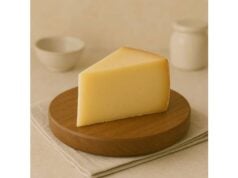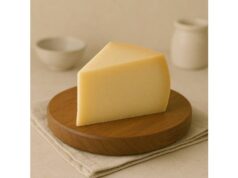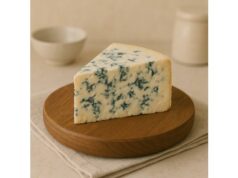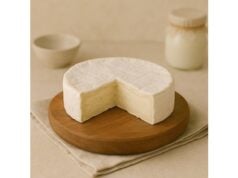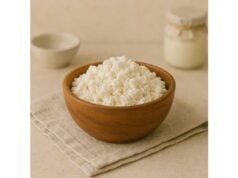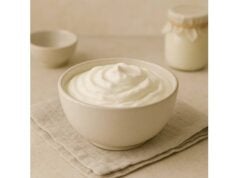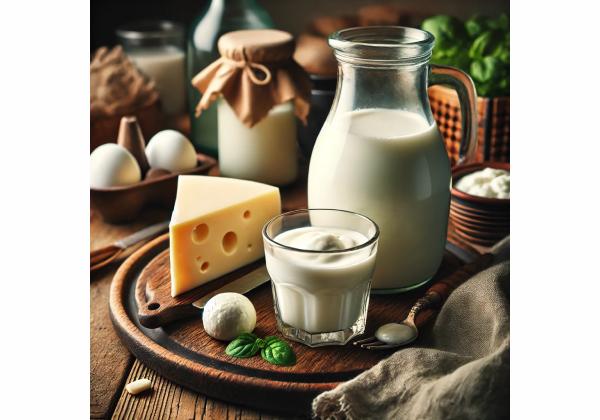
Water buffalo milk has a devoted following for its rich body, striking white color, and standout performance in cheesemaking. Compared with typical cow’s milk, it generally delivers more fat and protein per 100 g, which means a creamier texture and excellent yield for mozzarella, paneer, and kefir. That same density also packs a useful supply of calcium, phosphorus, and vitamin B12. Another distinctive point: water buffalo naturally produce A2 beta-casein, a protein variant some people find gentler on digestion, though it is not safe for those with milk protein allergy. From a nutrition standpoint, buffalo milk sits in a “hearty but balanced” zone: higher in saturated fat than cow’s milk, modest in carbohydrates from lactose, and naturally low in sodium. This guide explains what that means for your health, how to buy and store it well, the best ways to cook with it, and when to be cautious—so you can decide where buffalo milk fits in your kitchen and your routine.
Quick Overview
- Per 100 g: ~97 kcal, 3.8 g protein, 6.9 g fat, 5.2 g carbs; notable calcium (≈169 mg) and B12 (≈0.36 µg).
- Choose pasteurized products; avoid raw buffalo milk due to infection risk.
- Typical serving: 150–250 ml (1 cup ≈ 244 g), 3–7 times weekly depending on energy needs.
- Limit or avoid if you have lactose intolerance, milk protein allergy, or must restrict saturated fat or potassium.
Table of Contents
- Water buffalo milk: detailed overview
- Water buffalo milk nutrition profile (per 100 g)
- Evidence-based health benefits of buffalo milk
- Risks, allergies and interactions to know
- Selecting quality, sustainability and storage
- Preparation, cooking and nutrient retention
- Portions, comparisons and FAQs
Water buffalo milk: detailed overview
Water buffalo milk comes from Bubalus bubalis, a species widely raised across South and Southeast Asia, parts of Europe (notably Italy’s Campania for mozzarella di bufala), and growing pockets of the Middle East and Americas. Its composition is its calling card: compared with standard cow’s milk, buffalo milk typically has higher total solids—especially fat and protein—translating to a fuller mouthfeel, better foam stability in hot drinks, and superior yields in cheese, yogurt, and cultured butter. The intense whiteness stems from very low carotene (the orange pigment present in cow’s milk fat), so the fat appears snow-white even in high-fat products like buffalo ghee.
Nutritionally, buffalo milk is naturally concentrated. Per 100 g (about 100 ml), you get roughly 97 kcal, 6.9 g fat, 3.8 g protein, and 5.2 g carbohydrate (mostly lactose). The protein fraction is casein-dominant, making it ideal for coagulation and curd formation. Its mineral profile is notable for calcium and phosphorus, both tightly bound within casein micelles, which contributes to the firm, stretchy textures prized in mozzarella and paneer. You will also find modest amounts of riboflavin (vitamin B2) and vitamin B12.
A frequently discussed feature is the beta-casein type. Water buffalo milk contains the A2 form of beta-casein exclusively. That does not make it hypoallergenic—people with cow’s milk protein allergy commonly react to buffalo milk too—but some individuals who experience digestive discomfort with A1-dominant cow’s milk report better tolerance with A2-type milks. Tolerance is individual and should not be assumed.
Culinary uses are broad:
- Fresh use: in tea and coffee for extra body; as a base for smoothies; or simply chilled.
- Cheese and fermented dairy: mozzarella di bufala, paneer, ricotta, kefir, yogurt, labneh.
- Desserts and sweets: kulfi, payasam/kheer, puddings, custards.
- Clarified fat: buffalo ghee for high-heat frying and distinct aroma.
Flavor is clean and slightly sweet, with creaminess that balances acidity in fermented products. If you are swapping it for cow’s milk in recipes, you may obtain a richer result at the same volume; reducing added cream or butter often compensates.
Water buffalo milk nutrition profile (per 100 g)
Serving basis used below: unfortified fluid buffalo milk, ≈100 g (≈100 ml). Percent Daily Values (%DV) use current U.S. labeling DVs for adults and children ≥4 years (2,000 kcal diet). Energy has no %DV. Values are rounded for clarity.
Macros and Electrolytes
| Nutrient | Amount (per 100 g) | %DV |
|---|---|---|
| Energy | 97 kcal | — |
| Protein | 3.75 g | 8% |
| Total Carbohydrate | 5.18 g | 2% |
| Total Sugars (lactose) | ~5.2 g | — |
| Total Fat | 6.89 g | 9% |
| Saturated Fat | 4.60 g | 23% |
| Cholesterol | 19 mg | 6% |
| Sodium | 52 mg | 2% |
| Potassium | 178 mg | 4% |
| Water | 83.4 g | — |
Fats and Fatty Acids
| Component | Amount | Notes |
|---|---|---|
| Monounsaturated fat | 1.79 g | Primarily oleic acid |
| Polyunsaturated fat | 0.15 g | Includes linoleic and alpha-linolenic acids |
| Trans fat | ~0–0.2 g | Naturally occurring ruminant trans isomers may be present in small amounts |
| Short- and medium-chain fatty acids | Present | Contribute to body and flavor; butyric, caproic, caprylic, capric acids |
Vitamins
| Vitamin | Amount | %DV |
|---|---|---|
| Vitamin A (µg RAE) | ~53 µg | 6% |
| Vitamin B1 (Thiamin) | 0.052 mg | 4% |
| Vitamin B2 (Riboflavin) | 0.135 mg | 10% |
| Niacin (Vitamin B3) | 0.091 mg | 1% |
| Vitamin B5 (Pantothenic acid) | 0.192 mg | 4% |
| Vitamin B6 | 0.023 mg | 1% |
| Folate (DFE) | 6 µg | 2% |
| Vitamin B12 | 0.36 µg | 15% |
| Vitamin C | 2.3 mg | 3% |
| Vitamin D | — | Typically negligible unless fortified |
Minerals
| Mineral | Amount | %DV |
|---|---|---|
| Calcium | 169 mg | 13% |
| Phosphorus | 117 mg | 9% |
| Magnesium | 31 mg | 7% |
| Potassium | 178 mg | 4% |
| Sodium | 52 mg | 2% |
| Zinc | 0.22 mg | 2% |
| Copper | 0.046 mg | 5% |
| Manganese | 0.018 mg | <1% |
| Iron | 0.12 mg | <1% |
Glycemic and Acid–Base Metrics
- Glycemic index (lactose): low (~46).
- Glycemic load (per 100 g): ~2 (low), reflecting modest carbohydrate content.
- PRAL (acid–base potential): about −1.5 mEq/100 g (slightly alkalizing to neutral load).
Footnotes:
- Values reflect typical unfortified, pasteurized buffalo milk. Vitamin D is often missing unless added during processing—always verify the label.
- %DV reference values: fat 78 g, saturated fat 20 g, carbohydrate 275 g, protein 50 g, calcium 1300 mg, potassium 4700 mg, etc.
Evidence-based health benefits of buffalo milk
1) Bone and dental support from calcium–phosphorus–protein synergy
Buffalo milk delivers meaningful calcium (≈169 mg/100 g) and phosphorus (≈117 mg/100 g), paired with casein proteins that carry calcium and phosphorus in micelles. This matrix supports efficient mineral delivery, which is useful for meeting daily needs in adolescence, pregnancy, and later adulthood when fracture risk rises. Cheese and yogurt made from buffalo milk can further concentrate these minerals.
2) Higher protein per sip promotes satiety and recovery
At ~3.8 g protein per 100 g, buffalo milk is denser than standard cow’s milk. In meals or snacks, the extra protein helps curb hunger and supports muscle protein synthesis after activity. Fermented buffalo dairy (kefir, strained yogurt, labneh) pushes protein density even higher with minimal added sugars.
3) Naturally A2 beta-casein profile
Water buffalo milk contains the A2 beta-casein variant. Some individuals who experience digestive discomfort with A1-dominant cow’s milk report improved tolerance with A2-type milks. This potential comfort benefit is not universal and does not apply to lactose intolerance or to milk protein allergy. Still, for consumers who already tolerate dairy but prefer A2, buffalo milk provides it naturally.
4) Useful micronutrients beyond calcium
Buffalo milk supplies vitamin B12 and riboflavin, both needed for energy metabolism and red blood cell formation. For people limiting meat, buffalo dairy can be a helpful contributor of these nutrients. It also provides magnesium and potassium, electrolytes important for nerve conduction and fluid balance.
5) Culinary and nutritional advantages for fermentation and cheesemaking
The higher fat and casein support stable fermentation, thick textures, and excellent yields in kefir and yogurt. In cheesemaking, abundant casein and calcium favor elastic curds, enabling styles like mozzarella di bufala with outstanding melt and stretch. This can increase nutrient density per serving compared with similar cow’s milk products simply because more solids start in the vat.
How this fits your goals
- Weight management: The combination of protein and fat improves satiety; use smaller portions (150–200 ml) and prioritize fermented, unsweetened products.
- Sports and recovery: Pair 1 cup of buffalo milk or yogurt with a carbohydrate source (fruit, oats) within 60 minutes post-exercise for protein plus electrolytes.
- Vegetarian diets: A reliable way to obtain high-quality protein, calcium, B12, and riboflavin without meat.
Real-world tip: Because buffalo milk is richer, many people can reduce added cream or butter in recipes when substituting it for cow’s milk, achieving similar textures with fewer total add-ins.
Risks, allergies and interactions to know
Milk protein allergy (IgE and non-IgE)
Buffalo milk is not a safe alternative for people with cow’s milk protein allergy. Milk proteins across ruminant species share strong homology, and clinical cross-reactivity is common. While isolated case reports describe tolerance, most patients with cow’s milk allergy will also react to buffalo milk and buffalo cheeses. If you have any history of milk allergy, avoid buffalo milk unless your allergist supervises a medically supervised challenge.
Lactose intolerance
Buffalo milk contains lactose at levels similar to cow’s milk, so those with lactose intolerance may experience symptoms. Many people, however, tolerate small portions with meals, or choose fermented products (yogurt, kefir) where fermentation reduces lactose and provides lactase-producing cultures.
Raw milk hazards
Avoid raw buffalo milk. Unpasteurized milk can carry pathogens (for example, Campylobacter, E. coli, Salmonella, Listeria, Brucella), posing serious risks to pregnant people, young children, older adults, and those with weakened immunity. Pasteurization makes milk safe without significantly changing its core nutrients.
Contaminants and residues
Like all dairy, buffalo milk can be affected by farm-level issues. Aflatoxin M1 (a metabolite from mold-contaminated feed) may appear in milk; regulatory monitoring aims to keep levels below strict limits. Antibiotic residues are controlled through withdrawal times and testing. Choosing reputable brands and pasteurized products remains the most practical consumer safeguard.
Medication and nutrient interactions
- Thyroid hormone (levothyroxine): calcium in milk can impair absorption. Take levothyroxine on an empty stomach and separate dairy by at least 4 hours.
- Tetracyclines and fluoroquinolones: calcium can bind these antibiotics; separate by at least 2 hours before or 6 hours after dosing.
- Iron supplements: calcium may reduce absorption; consider spacing doses.
- Potassium-restricted diets: discuss portion size with your clinician if you have chronic kidney disease.
Special populations
- Infants <12 months: do not use buffalo (or any animal) milk as the primary drink; use breastmilk or appropriate infant formula.
- Pregnancy: pasteurized buffalo milk and cheeses are safe; avoid soft cheeses made from raw milk.
Selecting quality, sustainability and storage
How to choose
- Look for “pasteurized.” This is the single most important safety marker.
- Check fat level. Buffalo milk is often sold whole; some producers offer partially skimmed versions. Match the fat level to your goals.
- Consider format: fresh chilled vs. UHT shelf-stable. UHT offers longer unopened shelf life; flavor is slightly more “cooked.”
- Packaging: opaque cartons or bottles protect light-sensitive vitamins and flavor.
Quality cues
- Fresh milk: clean, slightly sweet aroma; bright white color; no separation in homogenized products.
- Yogurt/kefir: pleasant tang; no gas pockets in sealed containers; whey separation is normal but should be minimal.
- Cheese: for mozzarella di bufala, look for supple, elastic curd, clear whey in the package, and a delicate milky aroma.
Sustainability snapshot
Buffalo farming often uses local forages and can thrive on marginal lands where high-input dairy cows do not perform as well. Environmental footprints vary by farm and region. As a rule of thumb, practices that raise milk yield per animal (balanced rations, strong herd health, manure management) improve climate efficiency per liter. Look for producers who publish animal welfare and land stewardship metrics or certifications.
Storage and shelf life
- Fresh pasteurized milk: keep at 0–4°C; use within 5–7 days after opening (or by the printed date if sooner).
- UHT milk: store unopened at room temperature; refrigerate after opening and use within 5–7 days.
- Freezing: possible but may separate on thawing; best reserved for cooking. Freeze in airtight containers, leaving headspace.
- Cheeses: store mozzarella in its brine; use within 2–3 days after opening. Harder buffalo cheeses last longer when well-wrapped and kept cold.
Buying tips
- If you are new to buffalo milk, start with yogurt or mozzarella to gauge flavor and your body’s response.
- Compare local brands—regional forage and processing styles influence taste and texture.
Preparation, cooking and nutrient retention
Best uses in the kitchen
- Hot drinks: Its higher fat and protein create stable microfoam for cappuccinos and lattes.
- Soups and sauces: Adds body and sheen; because it is richer, you can use slightly less than cow’s milk.
- Desserts: Excellent in custards, puddings, ice creams, kulfi, and milk-based sweets (barfi, kheer).
- Fermented dairy: Buffalo kefir and yogurt set thickly without added thickeners; strain to make labneh or Greek-style yogurt.
- Cheesemaking: The high casein and calcium foster stretchy curds and creamy textures—mozzarella di bufala, paneer, ricotta, and scamorza are classics.
Heat and vitamins
Pasteurization (high heat for short time) preserves minerals and protein and causes minimal losses of heat-sensitive vitamins that are already present in small amounts (for example, vitamin C). UHT processing subjects milk to higher temperatures; flavor changes can be more noticeable, but core minerals and macronutrients remain robust. Gentle home heating (e.g., simmering in soups) maintains nutrient value; avoid prolonged high-heat boiling when you want to retain delicate flavors.
Fermentation benefits
Culturing into yogurt or kefir can:
- Lower lactose content and provide lactase-producing cultures that aid digestion for some people.
- Produce bioactive peptides during fermentation, which may have emerging health roles.
- Improve shelf life and culinary versatility (dressings, dips, marinades).
Practical cooking pointers
- Curds and sauces: Because buffalo milk is richer, reduce added butter or cream by 15–25% when adapting cow’s-milk recipes.
- Custards: Use one fewer yolk per liter or lower oven temperature slightly; the extra protein in buffalo milk firms custards quickly.
- Foaming: For coffee drinks, steam to slightly lower temperatures (55–60°C) to avoid “cooked” notes while preserving foam stability.
- Acid additions: When making paneer or ricotta, the higher casein fosters quick coagulation; add acid gradually and stop as soon as clean curds form.
Portions, comparisons and FAQs
How much should I drink?
A practical serving is 150–250 ml (about ⅔–1 cup). Frequency depends on your energy and saturated fat targets:
- Everyday cooking: 1 serving daily works for many people.
- Higher-calorie diets or athletes: up to 2 servings daily, especially as yogurt or kefir.
- Lower-calorie diets: choose smaller servings or fermented options for higher satiety.
How does buffalo milk compare with cow’s and goat’s milk (per 100 g)?
- Energy: buffalo > cow ≈ goat (buffalo’s extra fat drives calories).
- Protein: buffalo typically edges higher than cow and goat.
- Fat: buffalo highest; cow and goat vary by fat class.
- Calcium and phosphorus: buffalo often higher.
- Lactose: similar across ruminant milks.
- Color and flavor: buffalo is bright white with a clean, creamy taste; goat can have a characteristic tang depending on handling.
Is buffalo milk “better” because it is A2?
“Better” depends on your goals. A2 refers to beta-casein type, not lactose or overall nutrition. Some people report digestive comfort with A2 milk, but others notice no difference. It does not help if you have lactose intolerance, and it is not safe for milk protein allergy.
Is buffalo mozzarella lactose-free?
No. Fresh mozzarella contains lactose, though slightly less than milk. People with lactose intolerance sometimes tolerate small portions, especially with other foods, but responses vary.
Can I lose weight while using buffalo milk?
Yes—portion size and context matter. The richness helps with fullness; choose measured servings (150–200 ml) and prioritize unsweetened fermented products. Use buffalo milk where it replaces heavier cream and butter rather than adding to them.
Is it safe during pregnancy?
Yes, if pasteurized. Avoid raw milk and cheeses made from raw milk.
Budget and availability tips
If fluid buffalo milk is hard to find, try buffalo yogurt or mozzarella; they capture most culinary and nutritional advantages and are widely stocked.
References
- Nutrition Facts for Milk, indian buffalo, fluid 2024 (Data Tool).
- Raw Milk | Food Safety | CDC 2025 (Guidance).
- Water buffaloes (Bubalus bubalis) only have A2A2 genotype for beta-casein – PubMed 2021.
- Glycemic Responses of Milk and Plant-Based Drinks: Food Matrix Effects and Insulinotropic Properties – PMC 2023 (Review).
- Occurrence of Aflatoxin M1 in Cow, Goat, Buffalo, Camel and Yak Milk Collected in Northern China – PMC 2022 (Study).
Disclaimer
This article is for general information and education. It does not replace personalized medical advice, diagnosis, or treatment. If you have a medical condition, food allergy, or specific dietary needs (for example, kidney disease or pregnancy), speak with a qualified healthcare professional before changing your diet.
If you found this guide helpful, please consider sharing it on Facebook, X (formerly Twitter), or your favorite platform. Your support helps us continue creating clear, high-quality nutrition resources.