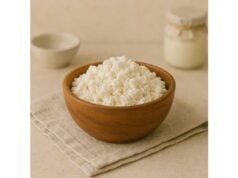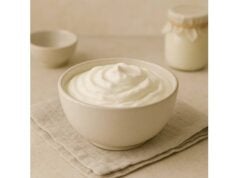
A thick, gently tart yogurt made from water buffalo milk, this dairy staple stands out for its creamy mouthfeel and naturally higher solids. Compared with most cow’s milk yogurts, buffalo yogurt typically contains more protein, fat, and minerals, giving it a richer texture that holds up in both savory and sweet recipes. Traditional cultures use it for raita, lassi, dips, marinades, and slow-simmered sauces, while modern cooks swirl it into breakfasts, desserts, and high-protein snacks. Fermentation lowers lactose and introduces live cultures, which can make it easier to digest for some people. Buffalo milk also contains only the A2 type of beta-casein, a point of interest for those exploring dairy tolerance. Whether you buy it plain and unstrained, strained Greek-style, or artisan versions with probiotic adjuncts, buffalo yogurt brings a versatile balance of taste, nutrition, and function to everyday meals—provided you choose a pasteurized, properly stored product and use it thoughtfully in the kitchen.
Fast Facts
- Buffalo yogurt is naturally rich and creamy, with higher protein and fat than most cow’s milk yogurt per 100 g.
- Fermentation provides live cultures and reduces lactose, which can improve tolerance for some people.
- Typical serving: 150 g (about 2/3 cup), enjoyed daily or several times per week as part of balanced meals.
- Those with milk protein allergy, severe lactose intolerance, or who must avoid unpasteurized dairy should limit or avoid it.
- Choose pasteurized buffalo yogurt and refrigerate at 1–4 °C; discard if it smells yeasty or overly sour.
Table of Contents
- Water buffalo yogurt: detailed overview
- Water buffalo yogurt nutrition profile
- Evidence-based benefits of buffalo yogurt
- Risks, allergies and interactions
- Selecting quality, sustainability and storage
- Preparation, cooking and nutrient retention
- Portions, comparisons and FAQs
Water buffalo yogurt: detailed overview
Water buffalo yogurt is a cultured dairy product made by fermenting buffalo milk with starter bacteria—classically a symbiotic pairing of Streptococcus thermophilus and Lactobacillus delbrueckii subsp. bulgaricus. These cultures convert lactose (milk sugar) into lactic acid, thickening the milk, dropping the pH into a safe range, and creating yogurt’s tang. Many makers also add adjunct probiotics (for example, Bifidobacterium or Lactobacillus rhamnosus) for stability or functional benefits.
Why does buffalo yogurt feel so luxuriously creamy? Buffalo milk has naturally higher total solids than cow’s milk—more fat, protein, and minerals—so it sets into a dense gel without heavy processing. The fat globules and casein network form a fine, uniform matrix that traps water; as a result, buffalo yogurt typically needs less stabilizer, and even unstrained batches spoon like Greek-style yogurt. Because buffalo milk is naturally A2 (it contains only the A2 beta-casein variant), some consumers report better digestive comfort compared with products from A1-containing cow breeds. This is distinct from lactose intolerance: casein relates to protein type, whereas lactose intolerance involves carbohydrate digestion.
Flavor and style vary by technique:
- Set (cup-set) yogurt: Fermentation happens in the retail cup; texture is custard-like with some whey separation possible.
- Stirred yogurt: Fermented in a vat, then gently mixed for a uniform texture; often used for flavored or drinkable versions.
- Strained (Greek-style) buffalo yogurt: Whey is drained or centrifuged away to concentrate protein and thicken the body; lactose and sodium drop slightly, while protein per 100 g rises.
Culinary uses are broad. In savory cooking, buffalo yogurt tenderizes meats (lactic acid and calcium help activate protein-softening enzymes), balances heat in curries and chutneys, and enriches soups or braises without splitting when stabilized with a starch. In sweet applications, its higher fat provides lush mouthfeel for parfaits, baked cheesecakes, frozen yogurt, and chilled desserts. It also emulsifies dressings and marinades and can stand in for sour cream or crème fraîche with a cleaner, tangier finish.
From a production standpoint, buffalo yogurt follows the same food safety logic as other fermented milks: start with pasteurized milk, inoculate with defined cultures, ferment to a target pH (commonly ~4.5), then cool quickly. High-quality products declare live and active cultures through the end of shelf life and list only milk and cultures for plain varieties. Regional traditions (South Asia, Middle East, parts of Europe) influence salt level, fermentation temperature, and whether the yogurt is whisked, set, or strained.
Bottom line: buffalo yogurt combines classic yogurt functionality with a naturally richer raw material, yielding a product that is thick, versatile, and nutrient-dense—ideal for both everyday eating and culinary creativity.
Water buffalo yogurt nutrition profile
How to read this section: Values below reflect plain, unsweetened buffalo yogurt made from whole milk, per 100 g. Actual composition varies by region, breed, and processing (especially straining). Use the nutrition label of your specific brand when precision matters. Percent Daily Values (%DV) use adult reference DVs: energy (2,000 kcal), calcium 1,300 mg, phosphorus 1,250 mg, magnesium 420 mg, potassium 4,700 mg, vitamin A 900 µg RAE, riboflavin 1.3 mg, vitamin B12 2.4 µg, sodium 2,300 mg.
Macros & Electrolytes (per 100 g)
| Nutrient | Amount | %DV |
|---|---|---|
| Energy | ~100–110 kcal | — |
| Protein | ~4.0–4.5 g | — |
| Total Fat | ~6.0–6.8 g | — |
| Saturated Fat | ~4.0–4.5 g | — |
| Carbohydrates (lactose) | ~4.5–6.0 g | — |
| Total Sugars | ~4.0–5.5 g | — |
| Sodium | ~40–60 mg | 2% |
| Potassium | ~150–200 mg | 3–4% |
| Water | ~78–82 g | — |
Fats & Fatty Acids
| Component | Amount | Notes |
|---|---|---|
| Monounsaturated fatty acids | ~2.0–2.5 g | Contribute to creamy texture and stability. |
| Polyunsaturated fatty acids | ~0.2–0.3 g | Minor but nutritionally relevant. |
| Conjugated linoleic acid (CLA) | Trace–0.1 g | Varies with animal diet. |
Protein & Amino Acids
| Component | Amount | Notes |
|---|---|---|
| Protein (casein + whey) | ~4.0–4.5 g | Complete amino acid profile; casein predominantly A2 in buffalo milk. |
| Branched-chain amino acids (BCAA) | ~0.8–1.0 g | Leucine-rich; supports muscle protein synthesis. |
Vitamins (per 100 g)
| Vitamin | Amount | %DV |
|---|---|---|
| Vitamin A (RAE) | ~60–90 µg | 7–10% |
| Riboflavin (B2) | ~0.15–0.22 mg | 12–17% |
| Vitamin B12 | ~0.4–0.6 µg | 17–25% |
Minerals (per 100 g)
| Mineral | Amount | %DV |
|---|---|---|
| Calcium | ~120–170 mg | 9–13% |
| Phosphorus | ~90–130 mg | 7–10% |
| Magnesium | ~12–25 mg | 3–6% |
| Zinc | ~0.4–0.7 mg | 4–6% |
Glycemic & Acid–Base Metrics
| Metric | Typical Value | Interpretation |
|---|---|---|
| pH | ~4.2–4.6 | Acidic; inhibits pathogens and shapes flavor. |
| Glycemic impact | Low | Fermentation lowers lactose vs milk; pairing with fiber or protein-rich meals further blunts glycemic response. |
Allergens & Intolerance Markers
- Contains milk proteins (caseins and whey) and lactose (reduced, not absent).
- Buffalo milk casein is naturally A2; however, A2 does not equal lactose-free.
- Adjunct cultures can introduce trace metabolites (histamine or tyramine) in some sensitive individuals.
Additives & Fortification
- Plain buffalo yogurt typically lists only milk and cultures. Some brands add cream (richer mouthfeel), milk powder (extra solids), or pectin/gelatin (stability). Fortification with vitamin D is uncommon in artisan products but may appear in commercial lines—check labels.
Footnote: Strained (Greek-style) buffalo yogurt raises protein to ~7–10 g and lowers lactose to ~3–4 g per 100 g; calcium concentration may rise or fall depending on whey removal.
Evidence-based benefits of buffalo yogurt
High-quality protein and muscle health. Buffalo yogurt supplies complete protein with a favorable leucine content that helps trigger muscle protein synthesis. Because fermentation partially predigests proteins and changes the gel structure, yogurt protein is well digested and absorbed. Enjoying a serving (about 150 g) alongside strength training or as a protein anchor at breakfast is a practical way to support muscle maintenance.
Mineral density for bones and teeth. Buffalo yogurt typically delivers 9–13% of the daily calcium per 100 g, plus phosphorus and small amounts of magnesium and zinc. These nutrients act together in bone formation and remodeling. Regular intake of cultured dairy is associated with higher overall diet quality, which often includes better calcium adequacy.
Live cultures and lactose tolerance. Yogurt cultures provide lactase activity and slow gastric emptying, which can help people with lactose maldigestion tolerate dairy better than they tolerate milk. The acidic matrix also fosters survival of starter bacteria through the stomach, and products with added probiotics may offer additional benefits like improved stool consistency or reduced antibiotic-associated disturbances. Unlike kefir, which is a drink with more diverse microbes, yogurt’s defined starters provide consistent fermentation and taste.
Potential metabolic support. Observational research links regular yogurt consumption with healthier body weight patterns and, in some cohorts, lower odds of abdominal obesity. For heart and metabolic health markers, studies on regular-fat yogurt generally show neutral to modestly favorable associations when eaten as part of balanced diets. The overall dietary pattern matters: yogurt tends to cluster with fruit, nuts, whole grains, and home cooking—habits that improve nutrient density.
A2 casein and digestive comfort. Buffalo milk naturally contains only A2 beta-casein. While A2 is not a cure for lactose intolerance or milk allergy, some individuals report fewer gastrointestinal symptoms with A2-only dairy compared with A1-containing cow’s milk products. If you are exploring dairy tolerance, choosing buffalo yogurt can be a reasonable, food-based experiment—ideally starting with small portions and tracking symptoms.
Culinary utility that supports healthier swaps. Buffalo yogurt’s creamy body makes it a satisfying substitute for higher-fat condiments like mayonnaise or sour cream, supporting calorie and saturated fat reduction without sacrificing texture. It also stabilizes smoothies, enriches soups at lower heat, and adds satiety to grain bowls and salads.
Practical tip: For the most probiotic benefit, pick “live and active cultures,” keep it cold, and eat it plain or lightly sweetened with fruit.
Risks, allergies and interactions
Milk protein allergy (IgE-mediated). Anyone with a confirmed cow’s milk allergy should avoid buffalo yogurt unless a specialist has cleared cross-species trials. Caseins and whey proteins are allergenic across mammalian milks, and cross-reactivity is common.
Lactose intolerance. Buffalo yogurt contains less lactose than milk but not zero. Many people with lactose maldigestion tolerate ½–1 cup with meals, especially when the yogurt is strained (lower lactose) or paired with fiber and fat. If symptoms persist, choose lactose-free yogurt or limit portion size.
Histamine sensitivity. Fermented foods can contain variable histamine or biogenic amines. If you have histamine intolerance or mast cell activation disorders, trial small servings from brands you tolerate or consult a clinician.
Immunocompromised states and infants. Choose pasteurized products. While commercial yogurts are considered safe for most people, those with severe immunosuppression should avoid homemade or unpasteurized dairy due to infection risk.
Foodborne illness risk from raw dairy. Avoid buffalo yogurt made from unpasteurized milk. Raw dairy can carry pathogens that cause severe illness, including Listeria, Salmonella, and Campylobacter. Pasteurization does not reduce the nutritional value meaningfully and is the safer choice, particularly for pregnant people, older adults, and young children.
Medication considerations.
- Antibiotics: They can reduce viable yogurt cultures; separate dosing (by several hours) and continue yogurt after the course ends.
- Tetracycline/fluoroquinolone antibiotics: Avoid taking these drugs with dairy at the same time; minerals can interfere with absorption—space them apart per your prescriber’s guidance.
- Potassium-restricted diets: While yogurt’s potassium is modest per serving, those with advanced kidney disease should count it toward daily limits.
Added sugars and sodium. Flavored yogurts can hide significant added sugar. Aim for plain versions and sweeten minimally with fruit or a drizzle of honey. Salted styles exist in some regional traditions; check the label if you monitor sodium.
Red flags to discard: Off or yeasty odor, curd separation with gas bubbles, mold growth, or a container that bulges after purchase.
Selecting quality, sustainability and storage
Quality checklist at the store
- Ingredients: For plain yogurt, look for just milk and cultures. Cream addition is fine if you want extra richness. Avoid unnecessary thickeners unless texture consistency is a priority.
- Cultures: Phrases like “live and active cultures through end of shelf life” indicate viable microbes at purchase.
- Style: Unstrained (classic), stirred, or strained (Greek-style). Strained products are denser in protein and lower in lactose per 100 g.
- Pasteurization: Confirm “pasteurized milk.” Skip raw-milk yogurts.
- Packaging: Opaque or foil-topped cups protect against light; tight seals reduce oxygen exposure and off-flavors.
Sustainability signals
- Animal diet and sourcing: Buffalo dairies that emphasize pasture access and local feed often publish herd and land-stewardship practices.
- Short supply chains: Regional or seasonal products can mean fewer transport emissions and fresher taste.
- Minimal additives and recyclable packaging: Glass jars or widely recycled plastics (where facilities exist) reduce waste.
- Whole-milk vs ultra-processed alternatives: Plain, minimally processed fermented milk is typically a lower-ingredient choice with strong nutrient density per environmental footprint.
Storage best practices at home
- Temperature: Keep at 1–4 °C (34–39 °F); store on a refrigerator shelf, not in the door.
- After opening: Reseal tightly and use a clean spoon; consume within 5–7 days for best flavor and culture viability.
- Freezing: Possible but not ideal; texture becomes grainy. If you must, freeze portions for cooking (soups, baking) rather than eating straight.
- Whey pooling: A small layer of straw-colored whey is normal; stir it back to retain water-soluble nutrients and preserve texture.
- Cross-contamination: Do not double-dip; keep away from raw meat juices; discard if any mold appears.
Label decoding
- “Greek-style”: Strained or mechanically concentrated; higher protein.
- “Probiotic”: Contains designated strains beyond starter cultures; viability should be stated.
- “No added sugar”: Still contains natural lactose; check total sugars.
- “Organic” or regional certifications: May indicate specific farming or animal-welfare standards, but nutrition depends more on style and formulation.
Preparation, cooking and nutrient retention
Keep the cultures alive when you want them. Heating yogurt to high temperatures reduces live cultures. If you want probiotic activity, add buffalo yogurt off the heat: swirl a spoonful into a warm bowl just before serving, or dollop onto stews, roasted vegetables, and grains at the table.
Prevent curdling in hot dishes. Tempering is your friend. Whisk 1–2 tablespoons of warm sauce into the yogurt, then slowly return the mixture to the pot off heat. Stabilizers help too: add 1–2 teaspoons of cornstarch or chickpea flour per cup of yogurt before cooking for a silkier finish.
Marinades and tenderizing. Yogurt’s acidity (pH ~4.5) and calcium activate enzymes that soften proteins while keeping meats juicy. For poultry or lamb, marinate 30 minutes to 12 hours in the refrigerator. Excess time can lead to a mushy exterior.
Smart pairings.
- Protein breakfasts: 150 g buffalo yogurt with berries and nuts for sustained energy.
- Recovery snack: Yogurt plus fruit and a handful of whole-grain cereal; aim for 20–30 g protein across the meal if muscle repair is a goal.
- Savory sauces: Whisk with lemon, garlic, and herbs for a quick dressing; use strained yogurt for a thicker cling.
Retaining nutrients and texture
- Calcium & B vitamins: Stable with light cooking; avoid excessive whey draining if calcium density matters.
- Protein: Heat-stable, but prolonged boiling can toughen texture. Keep sauces below a simmer after adding yogurt.
- Lactose: Fermentation decreases lactose; straining further reduces it by removing whey.
- Salt and sugar: Buffalo yogurt’s rich body makes it easy to keep both low—lean on herbs, spices, citrus, and fruit for flavor.
Five expert-tested ideas
- Spiced breakfast bowl: Buffalo yogurt, sliced figs, toasted pistachios, and a drizzle of date syrup.
- Herby green sauce: Blend buffalo yogurt with parsley, mint, dill, lemon zest, and olive oil; spoon over fish or roasted carrots.
- Smoky eggplant dip: Fold roasted eggplant purée into strained buffalo yogurt with garlic and paprika.
- Tandoori-style marinade: Combine yogurt with ginger-garlic paste, chili, turmeric, and garam masala; marinate chicken, then grill.
- No-bake parfait: Layer yogurt with orange segments and dark-chocolate shavings for a calcium-rich dessert.
Portions, comparisons and FAQs
Recommended portions and frequency
- Everyday use: 150 g (about 2/3 cup) plain buffalo yogurt once daily works well for most people as part of balanced meals.
- Athletic recovery: Up to 200–250 g after training if it helps you reach your per-meal protein target.
- Lactose sensitivity: Start with 100–120 g alongside a meal and adjust. Strained versions are typically easier to tolerate per 100 g.
How buffalo yogurt compares
| Product (plain) | Protein (per 100 g) | Lactose (per 100 g) | Texture & Notes |
|---|---|---|---|
| Buffalo yogurt, unstrained | ~4.0–4.5 g | ~4.5–6.0 g | Thick, creamy; mineral-dense. |
| Buffalo yogurt, strained (Greek-style) | ~7.0–10.0 g | ~3.0–4.0 g | Very thick; concentrated protein. |
| Cow’s milk yogurt, whole | ~3.5–4.0 g | ~4.0–5.0 g | Softer set; widely available. |
| Kefir (cow or buffalo) | ~3.0–3.5 g | ~4.0–5.0 g | Drinkable; more diverse microbes. |
| Plant-based “yogurt,” fortified | 1–4 g (varies) | 0 g lactose | Check for added protein and calcium fortification. |
FAQs
- Is buffalo yogurt lactose-free? No. Fermentation reduces, but does not eliminate, lactose.
- Does A2 mean hypoallergenic? No. A2 refers to the beta-casein type; people with true milk allergy must avoid all dairy unless medically supervised.
- What about fat content? Buffalo yogurt is typically regular-fat. Strained versions concentrate protein and fat per 100 g. If you prefer leaner, look for products made from partially skimmed buffalo milk (rarer) or use smaller portions.
- How do I spot added sugar? Check “Added Sugars” on the label; aim for 0 g in plain varieties. Sweeten yourself with fruit.
- Can children have it? Yes, when pasteurized and age-appropriate for dairy introduction. Offer plain versions without honey before 1 year (honey itself is avoided in infants).
One-week sampler (ideas, not a prescription)
- Mon: Savory bowl—yogurt, roasted squash, pumpkin seeds, chili oil.
- Tue: Yogurt raita with cucumber and mint alongside lentils.
- Wed: Parfait with raspberries and oats.
- Thu: Yogurt-herb sauce over grilled fish.
- Fri: Tandoori-style chicken with yogurt marinade.
- Sat: Smoothie—yogurt, mango, spinach.
- Sun: Yogurt and roasted fruit dessert with crushed nuts.
References
- Buffalo milk: nutritional composition, bioactive properties, and advances in processing technologies-a comprehensive review 2025 (Systematic Review)
- Water buffaloes (Bubalus bubalis) only have A2A2 genotype for beta-casein 2021
- Nutritional Value of Yogurt as a Protein Source: Digestibility/Absorbability and Effects on Skeletal Muscle 2023 (Systematic Review)
- CODEX STANDARD FOR FERMENTED MILKS 2010 (Standard; current basis for yogurt definitions)
- How Listeria Spread: Soft Cheeses and Raw Milk 2025 (Guidance)
Medical Disclaimer
This article is for general education and does not replace personalized medical advice. Dietary needs and tolerances vary by individual health status, medications, and life stage. Always consult your healthcare professional or a registered dietitian for guidance on allergies, lactose intolerance, kidney disease, or specialized nutrition. If you are pregnant, immunocompromised, or buying for young children, choose pasteurized dairy and follow safe-food handling practices.
If you found this guide useful, please consider sharing it on Facebook, X, or any platform you prefer. Your support helps us continue creating helpful, evidence-based resources.