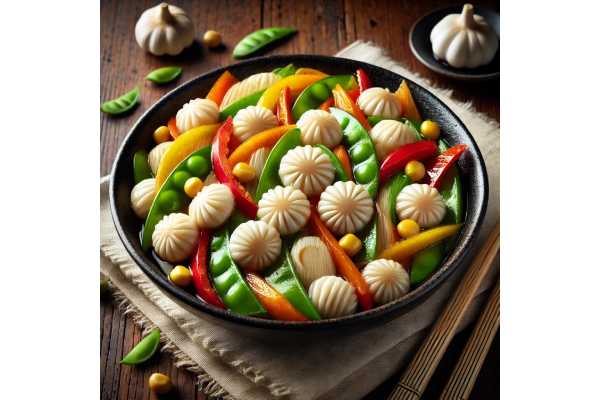
Water chestnut—most often the crisp, white corm of Eleocharis dulcis—is a freshwater vegetable celebrated for its juicy snap and clean, slightly sweet flavor. Unlike many vegetables that soften when heated, water chestnut stays crunchy even after cooking, which makes it a reliable texture booster in stir-fries, braises, dumplings, and salads (where raw use is appropriate and safe). It is naturally gluten-free and low in fat, with meaningful potassium, vitamin B6, copper, and manganese per bite. You will find it fresh (whole corms still in brown skin), canned or vacuum-packed (peeled and ready to slice), and as a fine starch that turns sauces glossy and delicate batters lacy. This guide explains exactly how to choose among forms, what each delivers nutritionally, how to keep that signature bite, and how to manage safety if your local produce comes from freshwater sources. If you enjoy foods that add contrast without overpowering your dish, water chestnut deserves a spot in your weekly rotation.
Top Highlights
- Per 100 g raw: ~97 kcal, ~24 g carbohydrate, ~3 g fiber, ~584 mg potassium, meaningful vitamin B6 and copper.
- Typical serving: 80–120 g (about ½–1 cup sliced) cooked, 1–3 times weekly within a varied vegetable mix.
- Check labels on canned products for added sodium or sulfites; rinse well if using brined slices.
- Those who are pregnant, immunocompromised, or unsure of water quality should avoid raw water chestnuts and choose thoroughly cooked, inspected products.
Table of Contents
- Detailed Overview
- Nutrition Profile
- Evidence-Based Health Benefits
- Risks, Allergies and Interactions
- Selecting, Quality, Sustainability and Storage
- Preparation, Cooking and Nutrient Retention
- Portions, Comparisons and FAQs
Detailed Overview
What it is (and what it is not). In most supermarkets and Asian grocers, “water chestnut” refers to the corms of Eleocharis dulcis, a sedge grown in shallow freshwater paddies. Peel away the thin brown skin and the inside is snow-white, crisp, and juicy. This is different from Trapa species (water caltrop), the spiky “horned nut” that is botanically unrelated and eaten more like a seasonal nut or seed. When recipes, nutrition panels, and canned labels mention water chestnut, they almost always mean E. dulcis.
Why cooks value it. Water chestnut offers a rare combination: neutral taste with persistent crunch. Its cell-wall structure and endogenous enzymes resist the softening that wilts many vegetables, so a few slices can transform the texture of a stir-fry, stuffing, or dumpling filling. Because its flavor is light and a touch sweet, it takes on aromatics well—garlic, ginger, scallion, chili, black pepper, citrus, and sesame all suit it.
Common forms and best uses.
- Fresh corms: Maximum crunch and clean flavor. Excellent thinly sliced for fast stir-fries and finely diced for fillings. Require peeling and quick use after cutting to avoid browning.
- Canned or vacuum-packed: Peeled, shelf-stable, convenient. Rinse to remove brine and refresh flavor. Texture is still pleasantly crunchy, though a bit softer than fresh.
- Water chestnut starch/flour: A fine, naturally gluten-free starch that produces clear, glossy sauces and delicate, lacy batters. Also used in classic Cantonese steamed cakes.
Nutrition in context. Water chestnut is a starchy vegetable. Compared with leafy greens, it carries more carbohydrate and calories per 100 g, but far less than grains or most tubers. Its standout nutrients are potassium (for fluid balance and nerve function), vitamin B6, copper, and manganese, plus modest fiber. Sodium is naturally low in fresh corms; brined products add sodium but rinsing helps.
Everyday practicality. Keep a can in the pantry for last-minute crunch; when time allows, buy fresh for the best texture. Because water chestnut rarely steals the spotlight, it quietly upgrades many dishes—from silky egg drop soups to robust vegetable stir-fries and seafood sautés.
Nutrition Profile
Scope and units. Values below are per 100 g raw Eleocharis dulcis (water chestnut). Energy in kcal; macronutrients, fiber, sugars, and starch in g; vitamins and minerals in mg or µg. % Daily Value (%DV) reflects standard adult DVs. Brand and processing differences exist; canned products may contain more sodium and slightly fewer heat-sensitive vitamins.
Macros & Electrolytes
| Nutrient | Amount (per 100 g) | %DV |
|---|---|---|
| Energy | ~97 kcal | — |
| Protein | ~1.4 g | 3% |
| Total Fat | ~0.1 g | 0% |
| Carbohydrate (total) | ~23.9 g | 9% |
| Dietary Fiber | ~3.0 g | 11% |
| Total Sugars | ~4.0 g | — |
| Sodium | ~14 mg | 1% |
| Potassium | ~584 mg | 12% |
| Water | ~74.6 g | — |
Interpretation: A low-fat, potassium-forward vegetable with modest calories and useful fiber. Its low natural sodium and high potassium support a favorable electrolyte balance when paired with salty sauces.
Carbohydrates
| Component | Amount (per 100 g) | Practical note |
|---|---|---|
| Starch (estimate) | ~18–19 g | Primary energy source; provides bite. |
| Soluble fiber | ~0.7–1.0 g | Helps with post-meal glucose smoothing. |
| Insoluble fiber | ~2.0–2.3 g | Supports regularity and texture. |
Tip: Cook–cool cycles increase resistant starch, which behaves like fiber and can modestly improve glycemic responses. Reheating gently preserves more of it.
Vitamins
| Vitamin | Amount (per 100 g) | %DV |
|---|---|---|
| Vitamin B6 (pyridoxine) | ~0.33 mg | 19% |
| Thiamin (B1) | ~0.14 mg | 12% |
| Riboflavin (B2) | ~0.06 mg | 5% |
| Niacin (B3) | ~0.4 mg | 3% |
| Folate (DFE) | ~16 µg | 4% |
| Vitamin C | ~4.0 mg | 4% |
| Vitamin A (RAE) | 0 µg | 0% |
| Vitamin E (alpha-tocopherol) | ~0.1 mg | 1% |
| Vitamin K | 0 µg | 0% |
Interpretation: Not a vitamin C standout (especially compared with jicama), but strong in B6, which participates in amino acid and neurotransmitter metabolism.
Minerals
| Mineral | Amount (per 100 g) | %DV |
|---|---|---|
| Copper | ~0.30 mg | 33% |
| Manganese | ~0.30 mg | 13% |
| Magnesium | ~22 mg | 5% |
| Phosphorus | ~63 mg | 5% |
| Zinc | ~0.5 mg | 5% |
| Iron | ~0.5 mg | 3% |
| Calcium | ~11 mg | 1% |
| Selenium | ~0.6 µg | 1% |
Interpretation: Copper and manganese are the mineral highlights; both support antioxidant enzymes and connective tissue formation.
Bioactives / Phytonutrients
| Class | Key points |
|---|---|
| Phenolics (e.g., ferulic acid derivatives) | Present in peel and flesh; contribute to antioxidant capacity and browning reactions. |
| Resistant starch (post-cook–cool) | Increases after cooling; may support gut microbiota and insulin sensitivity. |
Allergens & Intolerance Markers
- Sulfites: Some canned products use sulfites to keep slices white; sensitive individuals may react.
- FODMAP profile: Predominantly starch with modest fiber; generally well tolerated in moderate portions.
Additives & Fortification
- Common: sodium chloride (brine), citric acid, and sulfites in some brands. No systematic fortification.
Contaminants / Residues
- Quality depends on irrigation water and post-harvest handling. Choose inspected products and reputable suppliers, and peel/rinse fresh corms thoroughly.
Glycemic & Acid–Base Metrics
- Glycemic impact: Moderate for a starchy vegetable; combine with protein and non-starchy vegetables to steady blood sugar.
- PRAL (acid–base): Near-neutral at typical portions.
%DV reference values used (select): Carbohydrate 275 g; Fiber 28 g; Sodium 2,300 mg; Potassium 4,700 mg; Copper 0.9 mg; Manganese 2.3 mg; Vitamin B6 1.7 mg.
Evidence-Based Health Benefits
1) Potassium for electrolyte balance and blood pressure support
A 100 g serving provides roughly 12% of the potassium Daily Value—useful in meals that include soy sauce, oyster sauce, cured meats, or other salty ingredients. Maintaining a favorable sodium-to-potassium ratio is a practical dietary lever associated with healthier blood pressure patterns. Because water chestnut is mild in taste, you can add it regularly without changing a dish’s core flavor.
2) B6 and copper contributions to energy metabolism
Vitamin B6 is involved in amino acid transformations and neurotransmitter synthesis, while copper supports enzymes for iron transport and antioxidant defense. Water chestnut contributes meaningful amounts of both, helping you close micronutrient gaps with a food that fits easily into quick weeknight cooking.
3) Fiber and resistant starch for gut health
About 3 g of fiber per 100 g, plus additional resistant starch after cooking and cooling, makes water chestnut a quiet helper for regularity and microbial diversity. Short-chain fatty acids produced from resistant starch fermentation help nourish the intestinal lining and may support metabolic health. A simple strategy: cook extra, chill half for tomorrow’s salad or cold noodle bowl, and reheat gently to preserve more resistant starch.
4) Weight-friendly volume and satisfaction
At under 100 kcal per 100 g with high water content, water chestnut adds chew and volume to meals without a large calorie cost. Swapping part of the noodles or rice in a stir-fry for a cup of sliced water chestnut lowers calorie density while preserving satisfaction because the crunch adds sensory interest.
5) Gluten-free culinary functionality
Water chestnut starch thickens sauces into a clear, glossy finish without the cloudiness or wheat flavor of flour-based roux. It also creates crisp, lacy batters that stay light. For those who avoid gluten, it offers reliable functionality with a neutral taste, expanding options for delicate seafood and vegetable dishes.
6) “Compliance” vegetable that encourages more vegetables
Healthy habits stick when food is enjoyable and convenient. Canned or pre-peeled water chestnut removes prep barriers; even a quick 60–90 second stir-fry keeps its signature snap. It becomes easy to add a serving of vegetables to dishes that might otherwise lack them, such as fried rice, egg foo young, or quick skillet meals.
7) Sodium–potassium balance in real meals
Because water chestnut is naturally low in sodium and high in potassium, using it liberally in saucy, salty dishes helps nudge the whole plate toward a better electrolyte profile—especially if you rinse canned slices to reduce residual brine.
Risks, Allergies and Interactions
Freshwater safety and raw consumption
In areas where water quality or inspection is uncertain, raw or minimally processed aquatic plants can harbor microbes or parasites. To reduce risk, peel and thoroughly wash fresh corms, and cook before eating. Travelers, pregnant individuals, older adults, and people with weakened immunity should avoid raw water chestnuts and choose cooked products from reliable vendors.
Sulfite sensitivity
Some canned brands add sulfites (e.g., sodium metabisulfite) to prevent browning. Individuals with sulfite sensitivity can experience wheezing, hives, headache, or flushing. Solutions: choose sulfite-free labels, rinse canned products well, or use fresh corms.
Sodium considerations
Canned water chestnuts may be packed in salted brine. A thorough 30–60 second rinse under running water removes surface brine and meaningfully lowers sodium per serving. If sodium is a key concern, look for “no salt added” versions or cook from fresh.
Allergy and cross-reactivity
Despite its name, water chestnut is not a tree nut and is botanically unrelated to chestnuts (Castanea). True allergy is rare, but any new food can trigger reactions; discontinue and seek care if you experience tingling, hives, wheeze, or GI distress after eating.
Blood sugar management
Water chestnut is a starchy vegetable. People who manage diabetes can include it in modest portions within their carbohydrate budget. Pair it with protein, fat, and fiber-rich vegetables, and consider cook–cool–reheat strategies to increase resistant starch.
Foodborne illness prevention at home
- Buy from reputable suppliers.
- Discard any corms with off-odors, mold, or soft spots.
- Keep peeled or sliced water chestnut refrigerated and use within 1–2 days.
- Avoid cross-contamination by dedicating a clean board and knife to produce.
Selecting, Quality, Sustainability and Storage
How to select fresh water chestnuts
- Firmness and weight: Choose heavy, solid corms; spongy or shriveled ones have lost moisture.
- Skin condition: Smooth, intact brown skin with minimal cracking; small blemishes are acceptable if the flesh beneath is firm.
- Aroma and cut test: They should smell clean and earthy. If a vendor will cut one, look for gleaming white flesh with no graying.
Choosing canned or vacuum-packed products
- Ingredient list: Prefer short labels—water chestnuts, water, salt. If sulfites are used, they must be declared; avoid if sensitive.
- Cut type: Whole or thick slices retain crunch better than very thin slices.
- Rinse ritual: Always rinse to refresh texture and reduce sodium and canning flavors.
Sustainability snapshot
Water chestnut (E. dulcis) grows in shallow paddies, often on small farms. Environmental impact hinges on irrigation water quality and nutrient management. Favor suppliers with transparent sourcing and quality controls. As a consumer, rotating a variety of vegetables supports agricultural biodiversity and spreads demand across crops.
Storage and shelf life
- Fresh, unpeeled: Store cool and dry (not submerged) in a breathable bag; keeps 1–2 weeks.
- Fresh, peeled: Submerge in cold water in the refrigerator; change water daily; use within 2–3 days.
- Canned: Shelf-stable unopened; after opening, transfer to clean water, refrigerate, and use within 2–3 days.
- Freezing: Blanch peeled slices 1–2 minutes, chill, drain, and freeze flat; best quality within 2–3 months.
Quality troubleshooting
- Graying after peeling: Enzymatic browning; acidulated water (lemon juice or vinegar) slows it.
- Rubbery texture: Usually from overcooking or paper-thin canned slices; add late and heat through only.
- Watery flavor: Common in low-quality canned products; rinsing and quick sautéing with aromatics can help.
Preparation, Cooking and Nutrient Retention
Prep basics (fresh)
- Scrub under running water to remove soil.
- Trim both ends; peel with a paring knife or sturdy peeler just before cooking.
- Rinse again; hold in cold water with a little lemon juice to prevent browning if prepping ahead.
Core cooking methods (keep the crunch)
- Quick stir-fry: Heat a wok until very hot. Add oil, then aromatics (ginger, garlic, scallion). Add sliced water chestnut and stir 60–90 seconds—enough to warm, not soften. Finish with soy sauce, oyster sauce, or sesame oil.
- Steam-in-sauce: Simmer a sauce base (stock plus seasoning), then slide in slices for 1–2 minutes to glaze.
- Fillings and dumplings: Finely dice and fold in near the end of cooking so pieces stay crunchy in the final dish.
- Soups and braises: Add during the final 3–5 minutes; prolonged simmering erodes texture.
Canned slices: refresh playbook
- Rinse thoroughly; soak in ice water for 10 minutes; drain well before cooking. This brightens flavor and firms the bite.
- Add at the end of cooking to preserve snap.
Water chestnut starch—precision use
- Glossy sauces: Combine 1 tbsp starch with 2 tbsp cold water per cup of liquid. Stir into a gentle simmer, then cook 30–60 seconds until clear and glossy.
- Lacy batters: Mix with rice flour or cornstarch for light, crisp coatings; fry hot and drain well.
Nutrition-savvy tactics
- Keep cooking brief to protect texture; minerals are stable, and heat-sensitive vitamins are modest to begin with.
- Pair with colorful vegetables and lean proteins to balance this starchy vegetable within the plate.
- For glycemic benefits, cook–cool–reheat part of your batch and serve in chilled salads or next-day stir-fries.
Three flavor frameworks to try
- Ginger–Scallion–Sesame: Aromatics first, then slices, finished with a splash of rice vinegar.
- Garlic–Black Pepper–Lemon: Butter or neutral oil, cracked pepper, fresh lemon zest and juice at the end.
- Chili–Orange–Soy: A little chili crisp, orange zest, soy, and a squeeze of lime for brightness.
Mistakes to avoid
- Overcooking (destroys crunch).
- Adding slices too early to long braises.
- Skipping label checks for sulfites or sodium in canned goods.
Portions, Comparisons and FAQs
Portion guidance and frequency
- General adult serving: 80–120 g cooked (about ½–1 cup sliced), 1–3 times per week, alongside non-starchy vegetables and protein.
- Active individuals: Up to 150–180 g when meals are protein-rich and fiber-balanced.
- Diabetes-friendly approach: Count within your carbohydrate allotment; combine with protein, healthy fats, and high-fiber vegetables; consider using some cooked–cooled slices.
How does water chestnut compare to…
- Jicama: Similar crunch and mild sweetness; usually higher in vitamin C and lower in potassium; great raw or quickly cooked.
- Bamboo shoots: Earthier flavor with more fiber and less starch; usually canned and must be thoroughly cooked.
- Lotus root: More pronounced flavor and a starchier, slightly chewy bite; slices hold intricate lace-like holes.
- Chestnut (tree nut): Totally different food—higher in carbohydrate and unique nutty flavor; water chestnut is a vegetable with very low fat and different micronutrients.
Fresh vs. canned—who wins?
- Fresh: Best crunch, cleanest flavor, no added sodium or sulfites; requires peeling and quick use.
- Canned: Wins on convenience and availability; rinse well, choose “no salt added” if possible, and add late in cooking for the best texture.
Can I eat water chestnuts raw?
In regions with reliable inspection and clean water sources, thin raw slices can be used in salads. Where water quality is uncertain—or for pregnant individuals, older adults, young children, and immunocompromised people—prefer cooked forms.
Is water chestnut flour the same as chestnut flour?
No. Water chestnut starch/flour comes from E. dulcis and behaves like a pure starch; chestnut flour comes from tree nuts (Castanea) and is richer in flavor and fat.
Will rinsing canned slices remove all sodium?
It significantly reduces sodium carried in surface brine but does not remove sodium absorbed into the tissue during processing. For the lowest sodium, pick “no salt added” products.
Bottom line
Water chestnut is a versatile, potassium-forward vegetable that lends reliable crunch and neutrality to many dishes. Choose the form that matches your kitchen rhythm, cook briefly to protect texture, and pair with colorful vegetables and lean proteins to build balanced, satisfying meals.
References
- Nutrition Facts for Water Chestnuts, raw 2024
- Nutrition Facts for Water Chestnuts, canned solids and liquids 2024
- Resistant Starch: Promise for Improving Human Health 2014 (Review)
- Sulfiting Agents: Questions and Answers 2024 (Guidance)
- Parasites – General Information 2024 (Guidance)
Disclaimer
This article is for general education and does not substitute for personalized medical advice, diagnosis, or treatment. If you are pregnant, immunocompromised, managing diabetes, or sensitive to sulfites or sodium, discuss your intake of water chestnuts and specific product choices with a qualified healthcare professional. Always buy from reputable suppliers, rinse thoroughly, and cook when safety is uncertain.
If you found this guide helpful, please consider sharing it on Facebook, X (formerly Twitter), or any platform you prefer. Your support helps us continue creating clear, evidence-informed resources.