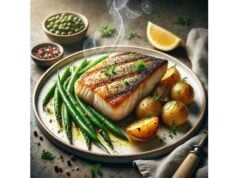
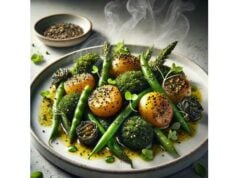
Watercress (Nasturtium officinale) is a peppery, nutrient-dense leafy green in the Brassicaceae family—the same group as arugula, kale, and mustard. It has a crisp bite, delicate stems, and an unmistakable water-fresh aroma that wakes up sandwiches, soups, and salads. Pound for pound, watercress is one of the most micronutrient-rich vegetables you can buy: exceptionally high in vitamin K, a notable source of vitamin C and pro–vitamin A carotenoids, and naturally packed with plant compounds such as glucosinolates and their isothiocyanate derivatives. As a wetland or hydroponic crop, it grows quickly and is often harvested young, so texture and flavor stay tender and bright. In daily cooking, watercress acts as both herb and vegetable: toss a handful onto roasted fish, blend it into pesto or a cold soup, or tuck it into a grain bowl for contrast and crunch. This guide brings together nutrition data, potential benefits, safety notes, shopping and storage guidance, and kitchen strategies that preserve color, bite, and nutrients.
Nutrition Snapshot
- Per 100 g: ~11 kcal, 2.3 g protein, 1.3 g carbs, and very high vitamin K (~250 µg).
- Typical serving: 50–85 g (2–3 packed cups) raw, enjoyed 3–5 times weekly within a varied mix of greens.
- Safety note: very high vitamin K; people on warfarin should keep intake consistent and follow clinical advice.
- Who should limit: individuals with finicky anticoagulation, severe iodine deficiency, or active goitrogen concerns should consult a clinician.
Table of Contents
- Watercress Detailed Overview
- Watercress Nutrition Profile
- Evidence-Based Health Benefits
- Risks, Allergies and Interactions
- Selecting, Sustainability and Storage
- Preparation, Cooking and Nutrient Retention
- Portions, Comparisons and FAQs
Watercress Detailed Overview
What it is. Watercress is a semi-aquatic perennial that thrives in cool, clean, flowing water. Today it’s most often grown hydroponically or in controlled beds, which helps deliver a reliably crisp, tender product. Its flavor is peppery with a radish-like lift; young leaves are mellow, while mature bunches bring a sharper bite.
Why cooks love it. Watercress wears two hats: herb and leafy green. You can finish hot dishes with a handful for brightness, swap it into basil pesto for a greener, pepperier sauce, whirl it into a chilled soup with potatoes and yogurt, or pile it—stems and all—into sandwiches. It softens quickly in heat, so add at the very end for tender wilted leaves that keep their color.
Nutrition at a glance. Per 100 g raw, watercress is ultra-low in calories (~11 kcal) yet dense in micronutrients, especially vitamin K (roughly twice the adult Daily Value), plus vitamin C, carotenoids (vitamin A activity), potassium, and calcium. It also contains naturally occurring nitrate and distinctive glucosinolates that convert to isothiocyanates—compounds of ongoing research interest for vascular and cellular health.
Buying tips in brief. Look for vibrant, perky leaves with snappy stems and no yellowing or slime. Because bunches are often packed damp, airflow in your fridge matters. Plan to use fresh watercress within a few days for peak texture and flavor.
How it fits your week. Think of watercress as your “finisher green.” You might rely on romaine or spinach for bulk salads, then deploy watercress to add pepper and nutrients at plating. A rotation of greens—watercress, arugula, kale, lettuces, chicories—broadens flavor, texture, and micronutrient coverage.
Culinary pairings. Watercress loves citrus, cucumber, radish, pear, apples, grapes, potatoes, eggs, yogurt, mild cheeses (goat, feta), nuts (walnut, almond), seafood (salmon, trout, shrimp), and clean fats (olive oil, walnut oil). Its pepper pairs naturally with mustard, horseradish, and capers.
Watercress Nutrition Profile
Scope and units: Values shown per 100 g raw watercress. Energy in kcal; macronutrients, fiber, sugars, starch in g; vitamins and minerals in mg or µg. %DV uses current adult Daily Values. Natural variation occurs by season, growth method, and post-harvest handling.
Macros and Electrolytes
| Component | Amount (per 100 g) | %DV |
|---|---|---|
| Energy | ~11 kcal | — |
| Protein | ~2.3 g | 5% |
| Total fat | ~0.1 g | 0% |
| Carbohydrate | ~1.3 g | 0% |
| Sugars (total) | ~0.2 g | — |
| Dietary fiber | ~0.5 g | 2% |
| Sodium | ~41 mg | 2% |
| Potassium | ~330 mg | 7% |
| Water | ~95 g | — |
Notes: Watercress is essentially fat-free and very low in available carbohydrate, so it works in calorie- and carbohydrate-conscious eating patterns without sacrificing micronutrients.
Vitamins
| Vitamin | Amount (per 100 g) | %DV |
|---|---|---|
| Vitamin K (phylloquinone) | ~250 µg | ~208% |
| Vitamin C (ascorbic acid) | ~43 mg | 48% |
| Vitamin A (RAE) | ~160 µg | 18% |
| Vitamin E (alpha-tocopherol) | ~1.0 mg | 7% |
| Thiamin (B1) | ~0.09 mg | 8% |
| Riboflavin (B2) | ~0.12 mg | 9% |
| Niacin (B3) | ~0.3 mg | 2% |
| Vitamin B5 (pantothenic acid) | ~0.2 mg | 4% |
| Vitamin B6 (pyridoxine) | ~0.13 mg | 8% |
| Folate (DFE) | ~9–20 µg | 2–5% |
| Vitamin D | 0 µg | 0% |
| Choline | ~9 mg | 2% |
Notes: Vitamin K is the standout; vitamin C and pro–vitamin A are meaningful contributors. Folate varies with growth stage and handling.
Minerals
| Mineral | Amount (per 100 g) | %DV |
|---|---|---|
| Calcium | ~120 mg | 9% |
| Iron | ~0.6 mg | 3% |
| Magnesium | ~21 mg | 5% |
| Phosphorus | ~60 mg | 5% |
| Potassium | ~330 mg | 7% |
| Zinc | ~0.3 mg | 3% |
| Selenium | ~0.3 µg | 1% |
| Iodine | (variable; often not listed) | — |
Bioactives / Phytonutrients
| Compound class | Typical notes (per 100 g or qualitative) |
|---|---|
| Dietary nitrate (NO₃⁻) | ~100–150 mg, depending on season, light, and water quality. Contributes to nitric oxide pathway relevant to vascular function. |
| Glucosinolates (e.g., gluconasturtiin) | Precursors to phenethyl isothiocyanate (PEITC); release depends on chopping/chewing and active myrosinase. |
| Flavonoids & phenolics | Quercetin derivatives, hydroxycinnamic acids; antioxidant capacity varies by plant part (flowers > leaves > stems in some analyses). |
| Carotenoids | Beta-carotene and lutein with vitamin A activity and visual health relevance. |
Allergens & Intolerance Markers
- Brassicaceae sensitivity: Rare cross-reactivity with mustard; oral tingling from pungent compounds can occur.
- Histamine/amine content: Minimal intrinsic histamine; issues more often relate to storage hygiene rather than amine load.
Anti-nutrients and Considerations
- Goitrogenic glucosinolate derivatives: Potential to interfere with thyroid iodine uptake when very large amounts of raw crucifers are consumed with low iodine status. Cooking and adequate iodine intake mitigate concern.
- Oxalates: Watercress is not among the highest-oxalate greens; rotate varieties if you manage kidney stone risk.
Daily Values used for %DV: Protein 50 g; Total Fat 78 g; Fiber 28 g; Sodium 2,300 mg; Potassium 4,700 mg; Calcium 1,300 mg; Iron 18 mg; Magnesium 420 mg; Phosphorus 1,250 mg; Zinc 11 mg; Selenium 55 µg; Vitamin A 900 µg RAE; Vitamin C 90 mg; Vitamin E 15 mg; Thiamin 1.2 mg; Riboflavin 1.3 mg; Niacin 16 mg; Vitamin B6 1.7 mg; Folate 400 µg DFE; Vitamin K 120 µg.
Evidence-Based Health Benefits
1) Vascular support from nitrate-rich greens
Leafy greens such as watercress supply dietary nitrate, which the body can convert (via oral bacteria and systemic pathways) to nitric oxide, a signaling molecule that helps blood vessels relax. Across randomized trials and meta-analyses, vegetable-derived nitrate intakes commonly in the range of ~200–600 mg/day have been associated with modest reductions in systolic and diastolic blood pressure in many (not all) populations. While beets and arugula are top contributors, watercress’s nitrate content makes it a useful member of a weekly mix. Practical takeaway: include a generous handful of watercress alongside other leafy greens most days, and build meals that emphasize minimally processed plants to support a healthy vascular tone.
2) Vitamin K for bone and vascular health
Watercress is unusually rich in vitamin K (phylloquinone), a cofactor for enzymes that activate proteins involved in blood clotting as well as bone mineralization (e.g., osteocalcin and matrix Gla protein). Most adults fall short on leafy-green intake; modest, consistent amounts of watercress can help close vitamin K gaps while adding flavor and crunch to otherwise neutral salads and bowls.
3) Antioxidant network: vitamin C, carotenoids, and polyphenols
Per 100 g, watercress delivers roughly half the Daily Value for vitamin C plus meaningful beta-carotene and lutein. These nutrients support immune defense and visual health, and they interact with polyphenols to buffer oxidative stress after meals. Keeping preparation gentle (brief wilting or raw) preserves more of these heat- and water-sensitive compounds.
4) Bioactive isothiocyanates (PEITC) from glucosinolates
When you chop or chew watercress, plant myrosinase converts the glucosinolate gluconasturtiin into phenethyl isothiocyanate (PEITC). In cell and animal models and early human investigations, PEITC has shown antioxidant and anti-inflammatory activity, has influenced detoxification enzymes, and has been explored for cancer-protective mechanisms. In everyday terms, watercress contributes a distinct phytochemical pattern that complements other crucifers (broccoli, kale), broadening your plant-compound “portfolio.”
5) Nutrient density with minimal calories
At ~11 kcal per 100 g, watercress dramatically boosts micronutrients without moving calorie totals. That makes it valuable for people aiming to manage weight, blood sugar, or sodium while keeping meals satisfying and flavorful. The peppery bite also helps reduce the need for heavy dressings: a squeeze of lemon and a teaspoon or two of olive oil often suffice.
6) Meal-planning leverage
Because watercress plays well with protein (eggs, fish, legumes) and starchy staples (potatoes, whole grains), it’s easy to use as a finishing vegetable. Stir into hot grains to wilt, lay under a fillet of fish as it rests, or blend with yogurt and herbs into a quick sauce. These simple uses raise the overall quality of mixed plates without complexity.
How to capture the benefits
- Mix watercress with other greens for variety and nitrate synergy.
- Add it raw at the end of cooking to conserve vitamin C and myrosinase activity.
- Pair with citrus and a small amount of healthy fat to aid carotenoid absorption.
- Keep weekly portions steady if you take warfarin (see Safety section).
Risks, Allergies and Interactions
High vitamin K and anticoagulants
Watercress’s vitamin K is a feature—not a bug—for most people, but it matters if you use warfarin. The goal is consistency, not avoidance: keep your leafy-green intake steady week to week, and let your care team dose your medication appropriately. Big swings in vitamin K intake (for example, going from almost none to multiple large salads daily) can destabilize anticoagulation.
Thyroid considerations with raw crucifers
Cruciferous vegetables contain glucosinolates that can yield goitrogenic compounds, which—in the context of low iodine intake and very large raw consumption—may reduce the thyroid’s ability to use iodine. Two practical mitigations: (1) ensure adequate iodine in the diet (e.g., iodized salt within recommended sodium limits), and (2) enjoy a mix of raw and lightly cooked preparations rather than oversized raw crucifer portions every day.
Food safety (leafy greens)
Leafy greens can carry surface microbes from field or handling environments. Rinse watercress thoroughly under running water just before use, drain well, and dry gently. Keep cut leafy greens refrigerated at or below 5 °C (41 °F), and use within a few days. Discard leaves that look slimy or smell off. Ready-to-eat packaged greens are pre-washed but still benefit from cold storage and clean handling.
Allergy and cross-reactivity
Watercress allergy is uncommon. Individuals with known mustard or Brassicaceae allergies should exercise caution and discuss with an allergist, especially if prior reactions were severe.
Medication and condition notes
- Warfarin: maintain consistent vitamin K intake; do not dramatically raise or drop leafy-green portions without medical guidance.
- Kidney stones: watercress is not a high-oxalate green, but people with recurrent calcium oxalate stones should follow individualized plans.
- GI sensitivity: peppery compounds can be pungent; if you experience reflux, try brief wilting or combine with softer greens.
Raw watercress from streams?
Avoid foraging from unknown waterways. Cultivated, food-grade watercress is grown in controlled systems; wild sources may be contaminated with pathogens or parasites and should be avoided unless you are fully confident in water quality and safe handling.
Selecting, Sustainability and Storage
Selecting quality watercress
- Look: Leaves should be deep green and perky, with no yellowing or water-soaked spots. Stems should be crisp, not mushy.
- Smell: Clean and peppery; avoid any sour or swampy notes.
- Pack: If sold bunched with roots attached, those roots should look fresh; if packaged, there should be no excessive condensation or slime.
- Season: Widely available year-round from hydroponic growers; peak cool-weather crops are especially crisp and mild.
Sustainability snapshot
Hydroponic and controlled-environment watercress can be efficient in land and water use and produced close to markets, lowering transport distance. Rotating among multiple greens spreads agricultural demand and makes your diet more resilient. As always, local transparency—how the greens are grown, washed, and packed—matters more than any single label.
Storage and shelf life
- Refrigerate promptly at ≤ 5 °C (41 °F).
- Keep it dry: line a container with a paper towel, add watercress, cover loosely, and store in the crisper. Excess moisture accelerates spoilage.
- Use within 3–4 days for best crunch and nutrient retention.
- Revive gently: if slightly wilted, soak in very cold water for 5 minutes, then spin dry thoroughly.
Avoid these pitfalls
- Soaking for long periods: encourages nutrient loss and microbial growth. Rinse under running water instead.
- Storing near ethylene-producers (like ripe apples): speeds yellowing.
- Packing tight against warm foods: leafy greens deteriorate rapidly when held above fridge temperature.
Kitchen economy
Add remaining watercress to green sauces (pesto, chimichurri), blend into smoothies with yogurt and citrus, or fold into omelets and frittatas just before serving. This “use-it-up” approach reduces waste and keeps nutrient density high across the week.
Preparation, Cooking and Nutrient Retention
Goal: preserve color, pepper, and delicate nutrients while making watercress easy to eat.
Pre-prep basics
- Rinse under running water just before use; shake or spin dry.
- Trim tough root ends if present; keep tender stems (they taste great).
- If serving raw, dress lightly at the table—the leaves wilt quickly in acidic dressings.
Best uses and why they work
- Raw as a finisher: Top soups, stews, grain bowls, or roasted potatoes with a handful. Heat from the dish lightly wilts the leaves without prolonged cooking, conserving vitamin C and myrosinase activity (needed to form PEITC from glucosinolates).
- Quick wilt: Toss into a just-off-the-heat pan with garlic and olive oil for 15–30 seconds. The leaves collapse slightly, mellowing pungency while keeping texture.
- Pesto or salsa verde: Blend with parsley, lemon, and nuts; a tablespoon of olive or walnut oil improves carotenoid absorption.
- Creamy soup, fast: Sauté shallot and potato, add stock and simmer until tender. Off heat, add watercress and yogurt, then blend until velvety. Minimal simmering limits vitamin loss and preserves the vivid green.
- Sandwiches and wraps: Use watercress instead of lettuce for added bite; pat leaves very dry so sandwiches stay crisp.
Heat, acids, and enzymes—what to know
- Vitamin C is heat- and water-sensitive. Short exposure and serving cooking liquids (in soups, sauces) help retain it.
- Myrosinase (the enzyme that unlocks isothiocyanates) is heat-labile. If you cook watercress, consider adding a pinch of raw grated crucifer (e.g., a few raw watercress leaves or mustard) at plating to re-introduce enzyme activity.
- Fat matters for carotenoids: serve with a teaspoon or two of olive oil, avocado, or nuts.
Three quick, nutrient-savvy recipes
- Lemony Watercress Salad for Two
Toss 80–100 g watercress with thin-sliced celery, shaved fennel, and pear. Dress with lemon juice, 2 tsp olive oil, a pinch of salt, and cracked pepper. Finish with toasted walnuts. - Skillet Wilt with Garlic and Chickpeas
Warm 1 tsp olive oil, sauté one minced garlic clove 30 seconds, add 1 cup cooked chickpeas and warm through. Off heat, fold in 2 packed cups watercress until just wilted. Lemon to finish. - Green Yogurt Sauce
Blend 1 cup plain yogurt, 1 packed cup watercress, 1 tbsp lemon juice, 1 tsp capers, and a small handful of parsley. Spoon over salmon, potatoes, or roasted carrots.
Food-safety reminders
Wash hands and knives; keep rinsed watercress away from raw meats. Store leftovers cold and eat within 24 hours for best quality.
Portions, Comparisons and FAQs
How much is a serving?
For salads and sides, plan 50–85 g (about 2–3 packed cups) raw per person. For a garnish or “finisher,” 20–40 g is plenty. Across the week, enjoying watercress 3–5 times as part of a rotation with other greens is a practical target.
How does watercress compare with arugula, spinach, and kale?
- Arugula vs. watercress: Both are peppery and nitrate-rich. Watercress often has even higher vitamin K per gram, while arugula’s flavor is more mustardy and its leaves broader.
- Spinach vs. watercress: Spinach is mild, with more folate and (often) more oxalate. Watercress delivers far more vitamin K per calorie and a sharper flavor that needs less dressing.
- Kale vs. watercress: Kale is sturdier and better for long cooking; watercress suits quick finishing and cold dishes. Both provide glucosinolates; eating both covers more phytonutrient territory.
Can I eat watercress raw every day?
Yes for most healthy adults, especially when intake is consistent and iodine intake is adequate. If you have a thyroid condition, are pregnant, or take warfarin, keep portions steady and discuss individualized limits with your clinician.
Is watercress good for blood pressure?
As part of a plant-forward pattern, watercress contributes dietary nitrate and potassium with negligible sodium and calories. For many people, a daily mix of leafy greens (including watercress), legumes, whole grains, nuts, and fruits supports healthy blood pressure—especially when it replaces salty, refined foods.
Kid-friendly ideas?
Layer watercress into grilled-cheese sandwiches, chop finely into egg salad, or blend into a bright green ranch dip. The pepper mellows when paired with dairy or avocado.
Budget and storage tips
Buy compact, fresh bunches; use a portion fresh, then turn the rest into pesto or soup within a couple of days. Hydroponic clamshells keep well when opened, dried, and re-sealed with paper towel inside.
Bottom line
Watercress earns a spot in your weekly rotation: it’s quick to prep, elegantly peppery, and extraordinarily nutrient-dense for very few calories. Keep it cold, rinse right before use, and enjoy it both raw and lightly wilted to capture its full flavor and nutrition.
References
- Nutrition Facts for Raw Watercress 2025
- Plasma nitrate, dietary nitrate, blood pressure, and vascular health biomarkers: a GRADE-Assessed systematic review and dose-response meta-analysis of randomized controlled trials 2025 (Systematic Review)
- Phenylethyl Isothiocyanate: A Bioactive Agent for Gastrointestinal Health 2022 (Review)
- Warfarin Drug Interactions 2023 (Guideline)
- Selecting and Serving Produce Safely 2024 (Guideline)
Disclaimer
This article provides general information about watercress nutrition, potential benefits, and safe use. It is not a substitute for personalized medical advice, diagnosis, or treatment. If you take anticoagulants (for example, warfarin), are pregnant, have a thyroid disorder, or manage kidney stones or other medical conditions, speak with a qualified health professional for tailored guidance. Always handle leafy greens safely: rinse under running water, keep refrigerated at or below 5 °C (41 °F), and consume within a few days.
If you found this guide helpful, please consider sharing it on Facebook, X (formerly Twitter), or any platform you prefer. Your support helps us continue producing clear, trustworthy nutrition content.