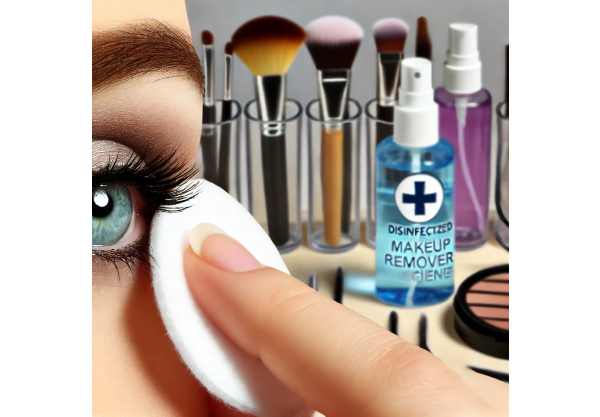
Eye makeup can sharpen your features, boost confidence, and help you feel put-together. But the eye area has thin skin, sensitive glands, and a moist surface that is far less forgiving than the cheeks or forehead. When mascara wands, liners, brushes, and fingers carry bacteria, allergens, or old product into the lash line, problems can follow—styes, eyelid inflammation, irritated dry eyes, and contagious infections like conjunctivitis (pink eye). The good news is that most risks are preventable with a few repeatable habits: clean hands, clean tools, sensible replacement schedules, and gentle removal.
This guide focuses on practical, realistic hygiene—what matters most, what to do daily versus weekly, and how to adjust if you wear contact lenses, have sensitive eyes, or have had an eye infection before. Small changes, done consistently, protect both your comfort and your vision.
Essential Insights
- Wash and dry hands before eye makeup and keep fingers away from the inner rim of the eyelids.
- Clean eye brushes weekly and stop “topping up” old product with new layers on unclean tools.
- Replace mascara and liquid liners on a schedule and discard them immediately after any eye infection.
- Remove eye makeup completely every night using gentle, low-friction techniques.
- Seek care quickly for one-sided swelling, significant pain, light sensitivity, or vision changes.
Table of Contents
- Why eye makeup hygiene matters
- A clean application routine that actually works
- How to clean brushes, applicators, and tools
- When to replace eye makeup and what to discard
- Common hygiene mistakes and how to fix them
- When to stop makeup and see an eye doctor
Why eye makeup hygiene matters
Eye makeup sits in a “high-traffic” zone: tears, skin oils, and tiny flakes of skin collect along the lash line, and the eyelids blink thousands of times a day. That constant motion can pull product inward, especially if you line the inner rim (the waterline) or apply mascara heavily at the lash roots. When product or tools carry bacteria, viruses, or irritating chemicals into that area, your eyes can react fast.
The most common hygiene-related issues fall into a few categories:
- Irritation and inflammation: Fragrance, glitter, preservatives, or old product can irritate the eyelids and the eye surface. Rubbing to relieve itching then adds more friction and more contamination.
- Styes and eyelid bumps: The eyelids have oil glands that can clog. Heavy residue, incomplete removal, and inflammation can contribute to blocked glands and tender bumps.
- Blepharitis flare-ups: Blepharitis is eyelid inflammation that can be chronic. It often worsens when the lash line stays coated with residue or when tools spread debris.
- Conjunctivitis (pink eye): Some forms are contagious. Sharing makeup or reusing contaminated products can help infections spread or recur.
Hygiene is not about fear—it is about lowering your “microbe load” and minimizing friction. The healthiest routines usually have three traits:
- They are simple enough to repeat daily. The best routine is the one you can keep doing when you are tired.
- They separate clean from used. Clean hands and clean tools touch your eyes; used tools go straight to washing or a designated container.
- They treat the lash line like skin and like a mucous membrane. That means gentler pressure, less tugging, and fewer shared items.
If you remember one principle, make it this: anything that touches the lash line should be treated like a toothbrush—personal, clean, and replaced.
A clean application routine that actually works
A hygienic routine does not need extra products—it needs better sequencing. Think of it as “clean hands, clean face, clean tools, then makeup.”
Start with a clean baseline
- Wash and dry hands before any eye makeup. Damp hands can transfer more residue than dry hands.
- Apply makeup to clean, dry skin. If you just applied moisturizer or sunscreen around the eyes, let it set for a few minutes so products do not slide into the lash line.
- If you use eye drops, use them first. Wait a few minutes so you are not “chasing” tears and smearing product.
Keep product out of the inner rim
Many people line the waterline because it looks crisp. Hygiene-wise, it is riskier because the inner rim is closer to tear film and gland openings. If you love the look, consider a compromise:
- Tightline between lashes rather than directly on the inner rim.
- Use short strokes and a sharpened pencil (or a clean brush) instead of pressing hard.
- Avoid applying liner to the inner rim if you have dry eye, recurrent styes, blepharitis, or contact lens sensitivity.
Use “single-direction” habits
Contamination often happens when we bounce between face, phone, and makeup without thinking. A few small rules help:
- Do not “double dip” a wand after touching the lash line on a day when your eyes feel gritty, red, or watery.
- If you need to fix smudges, use a fresh cotton swab rather than a fingertip.
- Keep makeup off shared surfaces. A bathroom counter is not automatically clean.
Make removal part of the plan
Hygiene is not complete until the lash line is clean again. If you know you will be exhausted later, choose a lighter eye look now. The healthiest eye makeup routine is the one you can remove completely, every time.
How to clean brushes, applicators, and tools
Brushes and tools pick up oils, skin cells, and product that can trap microbes over time. Cleaning does not need to be complicated, but it should be consistent.
What needs cleaning and how often
A practical schedule most people can follow:
- Eye shadow brushes and blending brushes: weekly
- Eyeliner brushes (gel or cream): after each use or at least weekly
- Sponges and puffs used near the eyes: weekly minimum, more often if damp makeup is used
- Tweezers and lash curlers: weekly, and immediately if dropped or used while you have irritation
If your eyes are sensitive, aim for “little and often.” A quick wash weekly beats a deep clean every few months.
A simple, effective cleaning method
- Rinse the bristles with lukewarm water, pointing the brush downward so water does not flood the handle.
- Lather with a gentle cleanser (mild soap or brush cleanser). Work the lather through the bristles with your fingertips.
- Rinse thoroughly until the water runs clear.
- Squeeze out water with a clean towel. Do not twist aggressively.
- Air-dry flat on a towel with the bristles hanging slightly off the edge, if possible. Let them dry completely before reuse.
For tools like tweezers or lash curlers, wipe with a cleanser-safe method and dry fully. The key is not the perfect product—it is removing residue and letting tools dry completely.
Storage matters more than people think
Clean tools can become “dirty” again if stored poorly.
- Store brushes in a dry place, not in a closed container while still damp.
- Avoid storing eye tools loose in a bag with coins, keys, or pens.
- Keep caps on products like liquid liner to prevent drying and contamination.
When cleaning is not enough
Replace tools if they:
- Smell musty
- Shed bristles into the eye area
- Stay tacky even after washing
- Were used during an eye infection (especially sponges and mascara wands)
Clean tools support a healthier lash line and often make makeup look better—less patchy, less smudgy, and easier to blend.
When to replace eye makeup and what to discard
Eye makeup is not meant to last forever. Even if it looks fine, repeated exposure to air, skin, and moisture changes the product. Replacement schedules are a hygiene tool, not a marketing trick.
A practical replacement guide
Use this as a baseline, and replace sooner if anything changes in smell, texture, or performance:
- Mascara: every 2–3 months
- Liquid eyeliner: every 3–6 months
- Gel eyeliner pots: every 6–12 months (use a clean brush, do not dip repeatedly with the same brush)
- Pencil eyeliner: replace when it becomes dry, crumbly, or will not sharpen cleanly
- Cream eye shadow: every 6–12 months (sooner if you use fingers)
- Powder eye shadow: often longer, but discard if it hard-pans, smells off, or causes irritation
These ranges are not moral rules. They are a way to reduce risk, especially if you are prone to irritation or infections.
When you should discard immediately
Throw away eye products right away if:
- You had pink eye, a stye, or any suspected infection while using them
- The product caused burning, swelling, or persistent itching
- The wand, pencil tip, or applicator touched a visibly inflamed eyelid margin
- You dropped a product into a sink, makeup bag, or other dirty environment
If you have an infection, replace the “high-contact” items first: mascara, liquid liner, gel liners, and anything applied to the lash line.
How to reduce contamination between replacements
- Do not pump mascara wands in and out. It pushes air and dries product faster.
- Do not add water, saliva, or drops to revive dried mascara or liner.
- Use clean hands or a clean spatula for cream products instead of repeated finger dipping.
Replacement is the simplest form of prevention: it breaks the cycle of reintroducing old residue and microbes to a sensitive area.
Common hygiene mistakes and how to fix them
Most eye makeup hygiene problems come from a few predictable patterns. The fixes are usually small.
Mistake 1: Sharing eye makeup
Sharing seems harmless, especially with close friends. But it is one of the fastest ways to pass infections or irritants.
Fix: Treat mascara, liners, and eye brushes as personal items. If you must share (for example, on a set), use disposable applicators and never double dip.
Mistake 2: Applying makeup when your eyes are already irritated
Redness, itching, tearing, and gritty sensations are signals to pause. Makeup can worsen inflammation and make it harder to identify the cause.
Fix: Take a “makeup holiday” until symptoms fully settle. Use minimal, non-irritating products when you return.
Mistake 3: Sleeping in eye makeup
Leaving product on overnight increases residue at the lash line and can block glands. It also encourages rubbing in the morning.
Fix: Keep removal supplies visible and easy. A two-step approach helps: dissolve makeup, then cleanse the lash line.
Mistake 4: Scrubbing to remove waterproof products
Waterproof mascara and long-wear liner often require more remover. Rubbing hard can inflame the eyelids and pull lashes.
Fix: Use time, not force. Press remover-soaked pads on closed lids for 15–30 seconds, then wipe gently downward.
Mistake 5: Using glitter or loose pigments near the eye surface
Particles can migrate into the eye, causing irritation and scratches.
Fix: Choose eye-safe products designed for the eye area, and avoid loose glitter close to the lash line.
Mistake 6: Ignoring contact lens compatibility
Some products flake or migrate, causing discomfort for lens wearers.
Fix: Apply makeup after inserting lenses and remove lenses before removing makeup. Favor low-flake formulas and avoid the inner rim.
A good test of your routine is this: If you had to explain it as a checklist to someone else, could you keep it under one minute? If not, simplify. Consistency beats complexity.
When to stop makeup and see an eye doctor
Many minor irritations improve quickly with rest and better hygiene. But some symptoms signal a condition that needs professional care.
Stop wearing eye makeup immediately if you notice
- New or worsening redness that does not settle within 24 hours
- Discharge (especially thick, yellow, or green)
- Eyelid swelling that feels hot, tender, or rapidly increasing
- Significant itching with scaling at the lash line
- A painful bump on the lid margin
Do not “cover it up.” Makeup can trap irritants and delay healing.
Seek urgent care if you have any of these red flags
- Vision changes (blur that does not clear with blinking, new blind spots)
- Moderate to severe pain
- Light sensitivity that is new or intense
- Swelling mainly in one eye with fever or facial pain
- A contact lens wearer with redness and pain (risk can be higher)
These symptoms can point to conditions more serious than simple irritation.
What recovery usually looks like
If you are diagnosed with an eye infection or significant eyelid inflammation, hygiene becomes part of treatment:
- Replace high-contact makeup products used before or during symptoms.
- Wash pillowcases and towels and do not share them.
- Keep hands away from the eyes and avoid rubbing.
- Resume makeup only when the eye looks and feels normal again.
Why eyelid health matters beyond cosmetics
The eyelids are not just “skin.” They contain glands that help stabilize the tear film. Chronic irritation—whether from debris, mites, or inflammation—can worsen dryness and discomfort over time. A clean lash line supports comfort with or without makeup, and it often reduces the temptation to rub your eyes (which is one of the most common pathways for irritation and infection).
If you are prone to recurring styes or chronic eyelid irritation, ask an eye care professional about eyelid hygiene strategies tailored to you. The best plan is the one that matches your symptoms, your products, and your daily schedule.
References
- The Demodex Expert Panel on Treatment and Eyelid Health (DEPTH) Consensus Regarding the Preferred Treatment for Demodex Blepharitis 2025 (Consensus)
- About Pink Eye | Conjunctivitis (Pink Eye) | CDC 2025 (Public Health Guidance)
- Blepharitis 2025 (Clinical Guidance)
Disclaimer
This article is for general educational purposes and does not replace personalized medical advice, diagnosis, or treatment. Eye symptoms can have many causes, and some require urgent evaluation. If you have significant pain, vision changes, severe light sensitivity, rapidly worsening swelling, or symptoms while wearing contact lenses, seek prompt care from an optometrist, ophthalmologist, or an emergency service. Always follow the instructions provided with your products and any guidance from your clinician, especially if you have chronic eye conditions, allergies, or a history of eye infections.
If you found this guide helpful, please consider sharing it on Facebook, X (formerly Twitter), or any platform you prefer—and follow us on social media. Your support through sharing helps our team keep producing clear, trustworthy content.