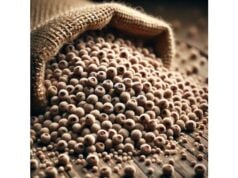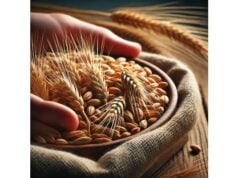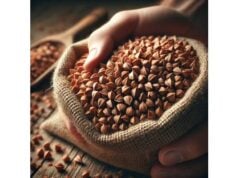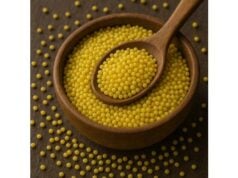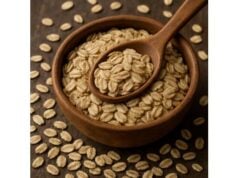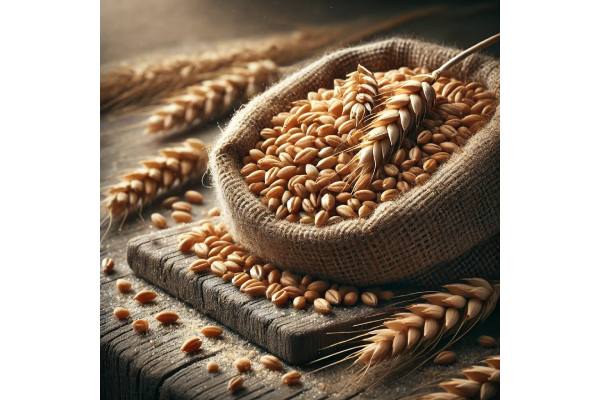
Wheat is one of the world’s most reliable staples—versatile in the kitchen, nutrient-dense when eaten as a whole grain, and foundational to foods people love, from flatbreads and tortillas to bulgur bowls and hearty soups. Whole wheat delivers slow-burning carbohydrates, meaningful protein, and fiber that supports digestion and heart health. Its bran and germ contribute minerals like magnesium, zinc, and selenium, plus phenolic compounds such as ferulic acid and alkylresorcinols. In cooking, wheat shows up in many useful forms: intact berries, cracked grain, bulgur, freekeh, flakes, and flours that behave predictably in both sourdough and yeasted baking. In agriculture, modern varieties offer high yields across climates, but traditional landraces remain prized for flavor and resilience. Because wheat naturally contains gluten, it provides structure for loft and chew in bread—and that same gluten makes it unsuitable for people with celiac disease or wheat allergy. This guide focuses on whole wheat’s nutrition, evidence-based benefits and risks, smart shopping and storage, and simple techniques to retain nutrients while getting consistently good results at home.
Top Highlights
- Whole wheat provides ~72 g carbs, ~13 g protein, and ~12 g fiber per 100 g, supporting steady energy and fullness.
- Typical serving: 45–60 g dry (½–¾ cup cooked berries or bulgur), enjoyed several times per week.
- Safety note: wheat contains gluten; not appropriate for celiac disease or wheat allergy; introduces FODMAP fructans for some.
- Choose minimally processed forms (berries, bulgur, 100% whole-grain flour) and use sourdough, sprouting, or soaking to improve mineral absorption.
- People with celiac disease, wheat allergy, or on a strict low-FODMAP elimination should avoid or limit wheat.
Table of Contents
- Wheat: Detailed Overview
- Wheat Nutrition Profile (per 100 g)
- Evidence-Based Health Benefits
- Risks, Allergies and Interactions
- Selecting, Quality, Sustainability and Storage
- Preparation, Cooking and Nutrient Retention
- Portions, Comparisons and FAQs
Wheat: Detailed Overview
Wheat (Triticum spp.) belongs to the grass family and has been cultivated for thousands of years. Two types dominate food use today: bread wheat (T. aestivum), used for most flours and whole berries, and durum wheat (T. durum), used for semolina and pasta. Within these, dozens of varieties—hard red, hard white, soft red, soft white, and spring or winter types—differ in protein quality, fiber, flavor, and baking behavior. Heirloom and landrace wheats (e.g., einkorn, emmer, spelt, khorasan) offer distinctive tastes and textures and can diversify a whole-grain diet.
Culinary forms and how they differ
- Wheat berries: intact kernels with bran, germ, and endosperm. Chewy, nutty; great for salads, soups, and grain bowls.
- Cracked wheat: broken berries that cook faster; useful in pilafs and porridge.
- Bulgur: parboiled, dried, and cracked wheat berries; quick cooking and fluffy—classic in tabbouleh and kibbeh.
- Freekeh: harvested green and roasted; smoky flavor, springy texture.
- Wheat flakes: steamed and rolled; quick hot cereal or granola component.
- Whole-wheat flour: milled from the entire kernel; behaves well in breads, muffins, tortillas, and pasta.
- Semolina and durum products: high-protein granules for pasta, couscous, and some breads.
Gluten and structure
Wheat’s storage proteins (gliadins and glutenins) form gluten when hydrated and mixed. Gluten traps gas, creating rise and chew in yeast-leavened breads and pizza. Whole-wheat doughs include branny particles that can weaken structure; bakers compensate with higher hydration, autolyse, preferments, and sourdough methods to improve elasticity and mineral bioavailability.
Nutrition at a glance
Whole wheat offers slow-release carbohydrates, ~13 g protein and ~12 g fiber per 100 g, plus magnesium, phosphorus, manganese, zinc, and selenium. The bran carries phenolics (notably ferulic acid) and alkylresorcinols; the germ contains vitamin E and healthy fats. Traditional processing—soaking, sprouting, and sourdough fermentation—can reduce phytic acid, improving iron and zinc absorption.
Sustainability notes
Wheat thrives in temperate climates and underpins food security worldwide. Crop rotation, reduced tillage, integrated pest management, and selecting locally adapted varieties can cut inputs. Buying whole grains from mills that disclose harvest year and origin supports freshness, quality, and transparency.
Wheat Nutrition Profile (per 100 g)
Values reflect uncooked, whole wheat berries (hard red winter or similar). Actual composition varies by variety and soil. %DV uses current adult Daily Values.
Macros and Electrolytes
| Nutrient | Amount (per 100 g) | %DV |
|---|---|---|
| Energy | 329 kcal | — |
| Carbohydrate | 72.3 g | 26% |
| Dietary fiber | 12.2 g | 44% |
| Total sugars | 0.4 g | — |
| Starch | 59–61 g | — |
| Protein | 12.8 g | 26% |
| Total fat | 1.6 g | 2% |
| Saturated fat | 0.3 g | 2% |
| Sodium | 2 mg | 0% |
| Potassium | 405 mg | 9% |
Fats and Fatty Acids
| Nutrient | Amount | %DV |
|---|---|---|
| Monounsaturated fat | 0.2 g | — |
| Polyunsaturated fat | 0.8 g | — |
| Omega-3 (ALA) | 0.05 g | — |
| Omega-6 (LA) | 0.70 g | — |
| Cholesterol | 0 mg | 0% |
Vitamins
| Vitamin | Amount | %DV |
|---|---|---|
| Thiamin (B1) | 0.40 mg | 33% |
| Riboflavin (B2) | 0.15 mg | 12% |
| Niacin (B3) | 6.7 mg | 42% |
| Vitamin B6 | 0.40 mg | 24% |
| Folate (DFE) | 44 µg | 11% |
| Vitamin E (alpha-tocopherol) | 1.0 mg | 7% |
| Vitamin K | 2–3 µg | 3% |
Minerals
| Mineral | Amount | %DV |
|---|---|---|
| Calcium | 34 mg | 3% |
| Iron | 3.5 mg | 19% |
| Magnesium | 138 mg | 33% |
| Phosphorus | 346 mg | 28% |
| Zinc | 2.8 mg | 25% |
| Copper | 0.5 mg | 56% |
| Manganese | 3.8 mg | 165% |
| Selenium | 70 µg | 127% |
Bioactives / Phytonutrients (qualitative)
- Phenolic acids: ferulic, p-coumaric, vanillic, caffeic—concentrated in bran; many survive home-cooking and baking.
- Alkylresorcinols: bran-associated compounds useful as biomarkers of whole-wheat intake.
- Arabinoxylans (hemicelluloses): viscous fibers that can improve post-meal glucose responses.
- Betaine and choline: small contributions to methylation pathways.
Allergens and Anti-nutrients
- Gluten: present (gliadin and glutenin).
- Phytic acid: binds minerals; sourdough fermentation, sprouting (12–24 h), or soaking with preferments reduce phytate and improve iron and zinc uptake.
Additives and Fortification
- Whole berries contain no additives.
- Flour: many countries mandate or allow fortification (e.g., folic acid, iron, B vitamins). Always read labels to distinguish 100% whole-wheat from refined or enriched products.
DV reference values used for calculations include: carbohydrate 275 g, fiber 28 g, total fat 78 g, saturated fat 20 g, protein 50 g, sodium 2300 mg, potassium 4700 mg, calcium 1300 mg, iron 18 mg, magnesium 420 mg, phosphorus 1250 mg, zinc 11 mg, copper 0.9 mg, manganese 2.3 mg, selenium 55 µg; B-vitamin DVs per current labeling rules.
Evidence-Based Health Benefits
Cardiometabolic support when whole wheat replaces refined grains
Dietary patterns rich in whole grains, including whole wheat, are consistently linked to lower risk of coronary heart disease, cardiovascular disease, and all-cause mortality compared with refined grains. Fiber (notably arabinoxylans), magnesium, potassium, and bran-bound phenolics contribute to better lipid profiles and improved vascular function. Practical takeaway: swapping white bread or refined pasta with 100% whole-wheat options several times per week nudges risk markers in the right direction—modestly but meaningfully over time.
Glycemic control and satiety
Whole wheat’s fiber and intact kernel structure slow starch digestion, often yielding a lower glycemic impact than refined wheat products. Foods that preserve structure—berries, bulgur, freekeh, coarse flour, and long-fermented sourdough—generally produce steadier post-meal glucose. Pairing with legumes, nuts, yogurt, eggs, or olive oil further improves satiety and reduces glucose spikes.
Digestive regularity and microbiome support
The mix of insoluble fiber (bulk-forming) and soluble/viscous hemicelluloses (fermentable) promotes regularity and provides substrates for beneficial colonic bacteria. Fermentation can increase short-chain fatty acid production (e.g., butyrate), which supports gut barrier function and local immune health.
Mineral density with improved bioavailability via traditional techniques
Whole wheat naturally carries iron, zinc, magnesium, and selenium, but phytates in bran can inhibit absorption. Sourdough fermentation (lower pH plus endogenous phytases), sprouting, and overnight soaks with a preferment meaningfully reduce phytic acid, improving mineral uptake without supplements. Including a vitamin C–rich side—citrus, tomatoes, peppers—at wheat-based meals further enhances non-heme iron absorption.
Performance and endurance fueling
For active people, wheat-based carbohydrates efficiently replenish muscle glycogen. Whole-wheat pasta, bulgur, and cooked berries provide steady energy and, when paired with protein (e.g., lentils, dairy, eggs), support recovery. Cook a large batch of berries to streamline weekday meals and pre-training snacks.
Culinary versatility encourages adherence
Long-term benefits depend on what you can stick with. Wheat’s broad appeal—porridges, salads, breads, flatbreads, pastas, and pastries—makes whole-grain choices easier to enjoy regularly. Home bakers can blend whole-wheat flours, adjust hydration, and use preferments to create tender, flavorful breads without specialized equipment.
Bottom line: Choosing whole wheat forms and preparation methods that enhance mineral bioavailability helps turn a daily staple into a steady, evidence-aligned contributor to heart, metabolic, and digestive health.
Risks, Allergies and Interactions
Celiac disease and gluten-related disorders
Wheat contains gluten, which triggers celiac disease—an autoimmune enteropathy—in genetically susceptible people. Strict, lifelong gluten avoidance is required after diagnosis. Wheat is also a common cause of IgE-mediated wheat allergy, which can present with hives, wheeze, or anaphylaxis. Non-celiac gluten sensitivity causes symptoms in some individuals despite negative celiac and allergy testing. For any of these conditions, avoid wheat, barley, and rye entirely and guard against cross-contact.
FODMAPs and digestive comfort
Wheat is a fructan source (a FODMAP). In the low-FODMAP elimination phase for IBS, wheat is generally excluded. Long sourdough fermentation reduces fructans somewhat, improving tolerance for certain breads; reintroduce cautiously, guided by a clinician or dietitian.
Contaminants and residues
Cereals can carry mycotoxins, notably deoxynivalenol (DON) from Fusarium species. Regulators set maximum levels for DON in cereals and cereal products; modern cleaning, sorting, and milling help minimize exposure. Buy from reputable mills and discard kernels with dark, moldy, or off-odor cues. Pesticide residues are regulated; washing whole berries and cooking in ample water further lowers risk.
Nutrient interactions and medications
- Iron and zinc absorption improve with vitamin C–rich foods and with sourdough/sprouted preparations.
- Warfarin and vitamin K: wheat supplies little vitamin K; keep intake consistent and follow clinical guidance.
- Blood sugar management: whole-wheat forms typically have lower glycemic load than refined products; portion size and meal composition still matter.
Who should limit or avoid wheat?
- People with celiac disease, wheat allergy, or medically advised gluten avoidance.
- Individuals on short-term low-FODMAP protocols.
- Those with confirmed non-celiac gluten sensitivity who note symptom recurrence with wheat.
Food safety at home
Store dry grains cool and airtight; refrigerate or freeze whole-grain flours to slow rancidity. Refrigerate cooked wheat within 2 hours, use within 3–4 days, or freeze for 1–3 months. Reheat leftovers to ≥74 °C/165 °F before serving.
Selecting, Quality, Sustainability and Storage
How to choose wheat products
- Whole berries: Look for plump, uniform kernels with a sweet, cereal aroma—no mustiness or visible mold. Color varies by variety (red vs white).
- Bulgur: Choose coarse (#2–4) for pilafs and salads; fine (#1) for tabbouleh. Bulgur is parboiled, so it cooks fast.
- Freekeh: Opt for cracked freekeh for quick meals; whole freekeh for chewier texture and higher fiber.
- Whole-wheat flour: Prefer bags with a recent milling date. Stone-ground flours offer fuller flavor; roller-milled flours can be more predictable in baking. White whole-wheat (from hard white wheat) tastes milder but retains full nutrition.
- Semolina and durum: For pasta and couscous, semolina’s granulation and protein quality drive bite and durability.
Sustainability snapshot
- Crop rotations with legumes or oilseeds improve soil structure and reduce disease pressure.
- Reduced tillage and residue retention help conserve soil moisture and cut erosion.
- Local and seasonal purchasing shortens supply chains and can support heritage varieties suited to your region.
- Minimal processing (berries, bulgur, whole flours) typically means lower packaging and energy inputs than ultra-refined products.
Storage guidance
- Whole berries: Airtight, cool, and dark for 6–9 months in the pantry; 12+ months refrigerated or frozen.
- Bulgur/freekeh: Pantry 4–6 months; refrigerate or freeze to retain aroma.
- Whole-wheat flour: Pantry 1–2 months; refrigerate 4–6 months; freeze 6–12 months (double-bag to prevent odor pickup).
- Cooked wheat: Chill rapidly, store 3–4 days refrigerated, or freeze in meal-size portions.
Smart buying tips
- Buy smaller bags of flour and rotate stock; whole-grain oils oxidize more quickly than refined flour.
- If you bake often, consider a home grain mill for freshness and flavor.
- Explore landrace wheats (e.g., spelt, einkorn, emmer) for flavor diversity; baking performance and gluten strength differ—start with partial blends.
Preparation, Cooking and Nutrient Retention
Whole berries (basic simmer and pressure-cook)
- Rinse 1 cup (about 180 g) berries; remove debris.
- Simmer: Add 3 cups water + ½ tsp salt, bring to a boil, then simmer 45–60 minutes until chewy-tender. Rest covered 5 minutes; drain.
- Pressure cooker: 1 cup berries + 2¼ cups water, 20–25 minutes at high pressure; natural release.
- Make-ahead: Cook a double batch and freeze flat in bags for fast grain bowls.
Bulgur and freekeh
- Bulgur: Soak fine (#1) in hot water 10–15 minutes; drain. Simmer medium/coarse 8–15 minutes.
- Freekeh: Simmer 20–25 minutes (cracked) or 35–40 minutes (whole) in salted water; rest and fluff.
Flavor builders
- Toast dry berries, bulgur, or freekeh in a skillet until fragrant before adding liquid.
- Cook in stock with aromatics (bay leaf, garlic, onion, citrus peel).
- Finish with a drizzle of olive oil and a splash of lemon or vinegar to brighten.
Baking with whole-wheat flour
- Increase hydration by 2–7% versus white flour.
- Use autolyse (20–40 minutes) to improve extensibility.
- Preferments—poolish, biga, or sourdough—enhance flavor and mineral bioavailability.
- For open-crumb breads, blend 50–75% whole-wheat with strong bread flour; for hearty loaves, go 80–100% and embrace a denser crumb.
Techniques that preserve or enhance nutrients
- Sourdough fermentation: lowers pH, activates phytases, improves iron and zinc absorption, and reduces fructans for some.
- Sprouting (12–24 hours): increases free amino acids and certain vitamins, softens texture, and shortens cooking time.
- Boil-and-drain methods can slightly reduce soluble oligosaccharides; use flavorful broths to keep taste high.
- Minimal peeling/milling: retain bran and germ whenever practical—many minerals and phenolics live there.
Fast, practical meal ideas
- Mediterranean bowl: wheat berries, chickpeas, cucumbers, tomatoes, parsley, lemon, and feta.
- Weeknight pilaf: bulgur with mushrooms, thyme, and walnuts.
- Power breakfast: toasted wheat flakes with warm milk or yogurt, nuts, and fruit.
- Sourdough pancakes: 50% whole-wheat starter, topped with yogurt and berries.
- Freekeh salad: roasted carrots, pistachios, mint, and citrus dressing.
Portions, Comparisons and FAQs
What is a sensible serving of wheat?
- Side: 45 g dry (about ½ cup cooked berries or bulgur).
- Main-dish base or athlete portion: 60–75 g dry (about ¾–1 cup cooked).
Enjoy whole wheat several times per week alongside other whole grains (oats, barley, brown rice, quinoa, sorghum) for variety.
How does wheat compare with other grains?
- Wheat vs oats: oats are richer in beta-glucan (cholesterol-lowering soluble fiber); wheat provides more selenium and is more versatile in yeast baking.
- Wheat vs rice: whole wheat offers more protein and fiber; rice is gluten-free and often easier to digest for those with fructan sensitivity.
- Wheat vs barley: barley can have lower GI due to beta-glucan; wheat typically offers stronger baking performance.
- Wheat vs ancient wheats: spelt, einkorn, and emmer vary in gluten strength and flavor; nutrition is broadly similar when eaten whole.
Is whole-wheat pasta healthier than white?
Generally yes: more fiber, magnesium, and zinc with a modestly lower glycemic impact. Texture preferences vary; try half-and-half blends if you’re transitioning.
Does sourdough make wheat safe for celiac disease?
No. Sourdough can reduce fructans and phytate, but gluten remains above safe thresholds for celiac disease. Choose certified gluten-free grains instead.
What about glycemic index for wheat breads?
GI depends on milling, hydration, fermentation, and add-ins. Coarser flours, seeded loaves, and long-fermented sourdough generally yield lower GI than soft sandwich breads.
Can I feed cooked wheat to kids?
Yes for most children, after common allergens have been introduced safely and barring medical advice to avoid gluten. Start with soft bulgur or well-cooked berries.
Storage and budget tip
Buy whole berries in bulk, freeze in airtight containers, and mill or cook as needed. You’ll get fresher flavor at a lower cost per serving.
References
- Food Search | USDA FoodData Central — 2025.
- Consumption of whole grains and refined grains and associated risk of cardiovascular disease events and all-cause mortality: a systematic review and dose-response meta-analysis of prospective cohort studies — 2023 (Systematic Review).
- Fortification of wheat flour — 2023 (Guidance).
- Commission Regulation (EU) 2024/1022 of 8 April 2024 amending Regulation (EU) 2023/915 as regards maximum levels of deoxynivalenol in food — 2024 (Regulation).
- Celiac Disease — 2025 (Guideline Overview).
Disclaimer
This guide is educational and is not a substitute for personalized medical advice, diagnosis, or treatment. If you have celiac disease, wheat allergy, diabetes, IBS, or other medical conditions—or if you are pregnant or breastfeeding—seek advice from a qualified healthcare professional before making dietary changes.
If this article was useful, please consider sharing it with friends or on platforms like Facebook or X. Your support helps us continue creating clear, practical nutrition resources.