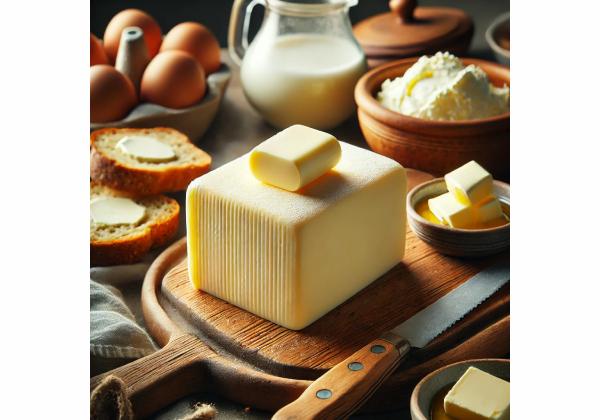
Whey butter is a traditional dairy fat made from “whey cream”—the butterfat skimmed from whey during cheesemaking—then churned much like sweet-cream butter. It meets the same legal standard for butterfat (at least 80 percent), yet many cooks notice a livelier, more “buttery” aroma thanks to natural flavor compounds that develop in whey. In the kitchen, whey butter performs like regular butter in sautés, sauces, and baking, but its slightly different moisture and milk-solid profile can influence browning and crumb. Nutritionally, it is energy-dense and rich in saturated fat, with small amounts of fat-soluble vitamins. It contains very little lactose compared with milk, and only trace protein, but it is still a milk product and not suitable for dairy allergies. This guide explains exactly what whey butter is, its nutrition per 100 grams, how it compares with regular butter, who benefits (and who should limit it), plus practical buying, storage, and cooking tips that preserve flavor while balancing health goals.
At a Glance: Whey Butter
- Offers classic butter functionality with a fuller, tangier aroma from whey-derived flavor compounds.
- Nutrient-dense: ~717 kcal and ~81 g fat per 100 g; small amounts of vitamins A and E.
- Typical serving: 1 tablespoon (14 g); enjoy a few times per week within your overall saturated fat limits.
- Safety note: choose pasteurized dairy; avoid if pregnant and the source is unpasteurized.
- Best avoided or limited by people with milk allergy; lactose-intolerant individuals usually tolerate small amounts but should assess personal response.
Table of Contents
- Whey Butter Detailed Overview
- Whey Butter Nutrition Profile
- Whey Butter: Evidence-Based Benefits
- Whey Butter Risks, Allergies and Interactions
- Selecting, Quality, Sustainability and Storage
- Preparation, Cooking and Nutrient Retention
- Portions, Comparisons and FAQs
Whey Butter Detailed Overview
What it is. Whey butter is butter made from whey cream—the fat fraction separated from the liquid whey left after milk is coagulated for cheese. Cheesemakers recover whey cream, pasteurize it (for retail-grade products), then churn and work it just as they would sweet-cream butter. Legally and compositionally, whey butter qualifies as butter because it contains at least 80 percent milkfat and typically no more than about 16 percent water, with the remainder as milk solids. In other words, if you know how to use butter, you already know how to use whey butter.
Why it tastes different. During cheesemaking and whey handling, natural flavor compounds (notably diacetyl and related aromatic molecules) can accumulate in whey cream. Those translate to a livelier, “butterscotch-like” aroma and a slightly tangier flavor once churned. That characteristic makes whey butter appealing for finishing vegetables, enriching sauces, or spreading on crusty bread when you want noticeably buttery notes.
How it behaves in cooking. Functionally, whey butter melts, foams, and browns like sweet-cream butter because the fat phase is similar. Browning and nutty aromas arise when residual milk solids toast—use lower heat for longer if you want gentle browning, or clarify (skim off the milk solids) for a higher-smoke-point fat. Because some whey butters contain slightly more moisture or nonfat solids than sweet-cream butter, laminated pastries or delicate shortbreads may spread a bit more unless you adjust technique (see Section 6 for tips).
How it compares with other milk fats.
- Sweet-cream butter: familiar, subtly sweet. Whey butter is usually more aromatic and sometimes a touch more acidic.
- Cultured butter: butter churned from fermented cream. Its flavor is tangy and complex; some whey butters can taste similarly full-flavored, but cultured butter’s acidity comes from fermentation of the cream itself.
- Clarified butter/ghee: nearly pure milkfat with minimal milk solids and higher heat tolerance. If you need high-temperature searing, clarified butter beats both sweet-cream and whey butter.
Who makes it. Small and mid-size dairies attached to cheesemaking operations often produce whey butter because they have steady whey-cream supply. You’ll see it labeled “whey butter,” “whey-cream butter,” or simply “butter” (with the ingredient statement noting whey cream). When labeled plainly as “butter,” its sensory profile—rather than the name—tips you off.
Quick usage ideas.
- Finish grilled asparagus or steamed greens with a teaspoon of whey butter, lemon zest, and flaky salt.
- Whisk into pan sauces: the enhanced buttery aroma shines in beurre monté and simple pan deglazes.
- Fold into mashed potatoes or polenta where you want maximum butter impact from minimal quantity.
Whey Butter Nutrition Profile
Below are typical values per 100 g for unsalted whey butter. Because whey butter meets the same standard of identity as regular butter (≥80% milkfat), its macro profile closely matches sweet-cream butter. Small variations occur by brand, season, and whether the product is cultured. % Daily Value (%DV) uses common reference DVs for adults.
Macros & Electrolytes (per 100 g)
| Nutrient | Amount | %DV |
|---|---|---|
| Energy | 717 kcal | — |
| Water | 15.9 g | — |
| Total Fat | 81.1 g | 104% (DV 78 g) |
| Saturated Fat | 51.0 g | 255% (DV 20 g) |
| Monounsaturated Fat | 21.0 g | — |
| Polyunsaturated Fat | 3.0 g | — |
| Cholesterol | 215 mg | 72% (DV 300 mg) |
| Sodium (unsalted) | 11 mg | 0% (DV 2300 mg) |
| Potassium | 24 mg | 1% (DV 4700 mg) |
Carbohydrates (per 100 g)
| Nutrient | Amount | %DV |
|---|---|---|
| Total Carbohydrate | 0.1 g | 0% |
| Total Sugars | 0.1 g | — |
| Lactose (typical)* | ~0.7 g | — |
| Dietary Fiber | 0 g | 0% |
Protein & Amino Acids (per 100 g)
| Nutrient | Amount | %DV |
|---|---|---|
| Protein | 0.9 g | — |
Vitamins (per 100 g)
| Nutrient | Amount | %DV |
|---|---|---|
| Vitamin A (RAE) | ~684 µg | 76% (DV 900 µg) |
| Vitamin E (α-tocopherol) | ~2.3 mg | 15% (DV 15 mg) |
| Vitamin K (phylloquinone & menaquinones, variable) | ~7 µg | 6% (DV 120 µg) |
Minerals (per 100 g)
| Nutrient | Amount | %DV |
|---|---|---|
| Calcium | 24 mg | 2% |
| Phosphorus | 24 mg | 2% |
| Magnesium | 2 mg | 0% |
| Zinc | 0.1 mg | 1% |
Bioactives/Phytonutrients
- Ruminant trans-fatty acids (e.g., vaccenic acid) and conjugated linoleic acid (CLA) occur naturally in small amounts. Their levels vary with pasture, season, and breed.
- Carotenoids (seasonal) contribute to yellow color and provide a minor vitamin A precursor source.
Allergens & Intolerance Markers
- Milk proteins: present in trace amounts; unsafe for milk-allergic individuals.
- Lactose: much lower than milk but not zero; most lactose-intolerant people tolerate small culinary amounts, but sensitivity varies.
Glycemic & Acid–Base Metrics
- Glycemic impact: negligible due to minimal carbohydrate.
- Acid–base: dairy fat is metabolically neutral with respect to glycemia; overall dietary pattern matters more than this single food.
- Lactose estimate reflects measured ranges for butter-type milk fats; exact values differ by product. Salted versions raise sodium substantially; cultured and flavored versions may add ingredients that change values. Fortification is uncommon; check labels if vitamins are added.
Whey Butter: Evidence-Based Benefits
1) Flavor intensity allows you to use less. Because whey butter often tastes more “buttery” per gram, cooks can achieve the same sensory impact with smaller amounts than they might use with milder sweet-cream butter. In practice, swapping 2 teaspoons of whey butter where you’d normally use 1 tablespoon of standard butter is a common, flavor-first reduction that also trims saturated fat and calories in the dish.
2) Efficient carrier of fat-soluble flavors and micronutrients. Butter’s fat phase dissolves fat-soluble aromas from herbs and spices and helps disperse them evenly across food surfaces. That same fat phase carries small amounts of vitamins A and E. Although these vitamins do not make whey butter a “nutrient-dense” food by volume compared with vegetables or nuts, they’re meaningful in culinary doses—especially when you use whey butter to finish vegetables, where the fat also boosts the perception of sweetness and texture.
3) Neutral to modest cardiometabolic effects when used judiciously. Current evidence on dairy as a category suggests neutral overall associations with cardiovascular outcomes at moderate intakes, and effects appear to depend more on food matrix (e.g., cheese vs. milk) than fat percentage alone. Butter specifically is energy-dense and high in saturated fat, so portion control is central. Replacing some saturated fat with unsaturated oils (olive, canola, nut oils) remains a pragmatic strategy, while enjoying small amounts of flavorful dairy fat like whey butter for culinary finishing.
4) Culinary versatility with predictable behavior. Whey butter performs reliably in both hot applications (basting, pan sauces, gentle sautés) and cold applications (spreads, compound butters). Its milk solids enable browning and nutty aromas in beurre noisette; its fat stabilizes emulsions (hollandaise, pan mounts) with a silky sheen. If you primarily need higher heat tolerance, you can clarify whey butter to raise its smoke handling—retaining much of its aroma while removing most milk solids.
5) Practical in “small-dose” flavor architecture. In healthy cooking, one of the easiest wins is to deploy intense flavors in small portions. Because whey butter’s aromatic profile is naturally expressive, a teaspoon or two as a finishing element can transform vegetables, legumes, grains, and fish—leveraging satisfaction and satiety without leaning on large quantities.
Real-world tip: Pair whey butter with acid (lemon juice, sherry vinegar), fresh herbs (tarragon, chives), or alliums (shallot, garlic) to amplify brightness. This lets you reduce total fat elsewhere in the dish without sacrificing pleasure—important for long-term dietary adherence.
Whey Butter Risks, Allergies and Interactions
Allergy vs. intolerance. Whey butter contains milk proteins (e.g., whey and trace casein) and is not safe for those with IgE-mediated milk allergy. Even trace exposures can trigger reactions. People with lactose intolerance usually tolerate the small lactose content of butter-type products, but sensitivity varies. If you are highly sensitive, start with ½ teaspoon (≈3–4 g) to test tolerance, or choose clarified butter/ghee, which typically contains far less residual lactose and protein than butter.
Saturated fat and heart risk context. Whey butter is high in saturated fat, which most guidelines recommend limiting as part of overall dietary patterns. A practical approach is to budget saturated fat across your day: for a 2,000-kcal diet, many targets place saturated fat below 20 g daily. One tablespoon of butter has roughly 7 g saturated fat—about a third of that limit. Using smaller amounts, and pairing with mostly unsaturated fats in other meals, aligns enjoyment with risk management.
Pasteurization and high-risk groups. Choose pasteurized whey butter from reputable producers. Unpasteurized dairy can carry Listeria and other pathogens. For pregnant people, adults over 65, and immunocompromised individuals, the stakes are higher; stick to pasteurized products and observe cold-chain care.
Sodium and additives. Salted whey butter contains significant sodium compared with unsalted (which is near-zero). If you monitor blood pressure or sodium intake, prefer unsalted and add salt separately for precision. Flavored or cultured products may include natural flavors, herbs, or cultures—fine for most consumers, but always read labels for allergens and added sodium.
Drug–nutrient interactions. Butter does not have direct pharmacologic interactions. However, if you’re on lipid-lowering therapy or medically directed low-saturated-fat plans, discuss personalized targets for portions and frequency.
Food safety basics. Keep butter refrigerated for quality and safety; return only with clean utensils to avoid microbial contamination. For extended room-temperature service (e.g., bread service), limit to 2–4 hours on the counter and refrigerate promptly afterward. Freeze for long storage (airtight, up to 6–9 months) to maintain flavor.
Bottom line. If you enjoy butter’s flavor, whey butter is a high-quality option—provided you: (1) choose pasteurized, (2) manage portions, and (3) align total dietary fat toward mostly unsaturated sources.
Selecting, Quality, Sustainability and Storage
How to read labels.
- Name: Look for “whey butter,” “whey-cream butter,” or simply “butter.” If labeled as butter without qualifiers, the ingredient list may reveal “whey cream.”
- Fat content: Butter (including whey butter) should declare ≥80% milkfat.
- Salted vs. unsalted: Unsalted gives you control over seasoning and typically has a fresher, sweeter cream note; salted extends shelf life and convenience for table use.
- Cultured: If the cream or butter was cultured, labels may state “cultured” or list bacterial cultures—expect a tangier flavor.
Quality cues at purchase.
- Color: Seasonal variation is normal (richer yellow in pasture months). Extreme paleness out of season can still be high-quality; aroma matters more than color.
- Aroma: A clean, buttery aroma with mild tang is ideal. Avoid sour, cheesy, or rancid notes.
- Packaging: Opaque, airtight wraps or tubs protect against light and oxygen. Prefer foil-wrapped blocks or well-sealed tubs.
Sourcing and sustainability.
- Local creameries attached to cheesemakers often produce whey butter, reducing waste by upcycling whey cream.
- Pasture practices may influence the fatty-acid profile (more omega-3s/CLA in some pasture-rich systems) and biodiversity outcomes; look for producers that publish grazing and animal-welfare standards.
- Packaging footprint: Choose larger formats if you bake often (fewer wrappers), then portion and freeze; or buy smaller blocks to minimize oxidation if you use butter slowly.
Storage for best quality.
- Short term: Keep refrigerated (1–5 °C). For spreadability, transfer a small amount to a covered butter dish and return leftovers to the fridge after service.
- Long term: Freeze in recipe-friendly portions (e.g., 56 g or 113 g) wrapped airtight. Label with date and “unsalted/salted.”
- Oxidation prevention: Limit light/air exposure. Rewrap tightly after cutting; press parchment against the cut face before rewrapping.
Signs of spoilage.
- Off-aromas (painty, soapy, cheesy), surface oxidation (deep yellow or translucent edges), or visible mold on the surface mean it’s past its best. When in doubt, discard.
Kitchen organization tip. Keep a “cooking block” (for sautéing and sauces) and a “finishing block” (for toast and pastry) to avoid cross-flavors. The finishing block stays tightly wrapped and fresher longer.
Preparation, Cooking and Nutrient Retention
Browning vs. gentle melting. Milk solids in whey butter encourage Maillard-like browning (technically lactose/protein reactions) that produce nutty aromas. For brown butter (beurre noisette), melt on medium-low, stir frequently, and remove from heat just as specks turn hazelnut-brown. For delicate sauces or poaching, keep heat low to avoid scorching solids.
Clarifying for higher heat. If you need a higher smoke tolerance for searing fish or vegetables, clarify whey butter: melt gently, skim foam, settle milk solids, and pour off the clear fat. The result behaves like ghee—clean frying performance, neutral browning, and improved stability.
Emulsions and finishes. To mount pan sauces, take the pan off heat, then whisk in cold cubes of whey butter to stabilize the emulsion without breaking. Season with salt/acid only at the end to keep the emulsion tight.
Baking adjustments.
- Cookies: If a dough spreads more than expected, chill it longer, decrease butter by 5–10%, or add 5–10 g flour per 100 g flour to balance moisture.
- Pie crust: Work butter cold; small pea-size pieces create flaky layers. If whey butter feels softer, pre-chill the cubes and reduce water by 5–10 mL per 250 g flour.
- Cakes: Creaming performance is similar to sweet-cream butter. If batter seems looser, chill briefly before baking to control spread.
Compound butters (flavor, portion control). Combine softened whey butter with lemon zest, herbs, and spices; roll into a log and chill. Slice 5–10 g coins to finish fish, grains, or steamed vegetables—precise flavor with predictable portions.
Retention of vitamins. Vitamins A and E are fat-soluble and relatively heat-stable in brief sautéing. Prolonged high heat darkens milk solids (a flavor gain) but doesn’t contribute nutritional value; where vitamins matter, add a small knob at the end (off heat) to preserve both flavor and micronutrients.
Salting strategy. Prefer unsalted whey butter for cooking so you can season to taste. If you only have salted, reduce added salt by ⅛–¼ teaspoon per 113 g butter equivalent in recipes, then adjust at the end.
Safety in service. For table service, limit room-temperature exposure to 2–4 hours, especially in warm environments. Rewrap and refrigerate promptly. For bulk service (buffets), use small crocks and refresh often.
Portions, Comparisons and FAQs
A practical portion. For most healthy adults, a serving of whey butter is 1 tablespoon (14 g), which provides ~102 kcal, ~11 g total fat, and ~7 g saturated fat. If your daily saturated fat target is ≤20 g, that single tablespoon uses about one-third of the daily budget. Many cooks find 2 teaspoons (9–10 g) enough to finish a dish for two.
How often can I have it? Enjoy a few times per week in small portions, with the rest of your dietary fat coming from unsaturated sources (olive oil, canola, nuts, seeds, fish). If you use butter daily, keep portions teaspoon-level and balance the day’s saturated fat.
How does it compare nutritionally?
- Whey butter vs. sweet-cream butter: Nearly identical macros. Flavor and aroma are where whey butter stands out.
- Butter vs. ghee (clarified): Ghee has negligible lactose/proteins and higher heat tolerance; both are energy-dense.
- Butter vs. olive oil: Olive oil is richer in unsaturated fats and typically preferred for heart-first cooking; consider blending techniques (olive oil for cooking, whey butter to finish).
Is it okay for lactose intolerance? Usually yes in small amounts because butter contains much less lactose than milk. Sensitivity is individual—try ½ to 1 teaspoon first. If symptoms occur, choose ghee or lactose-free alternatives.
What about cholesterol? Butter contains dietary cholesterol and is high in saturated fat, which can raise LDL-cholesterol in many people. Managing total saturated fat intake and emphasizing unsaturated fats remains a practical path. Discuss personalized goals with your clinician if you have elevated LDL-C or cardiovascular disease.
Can I keep a butter dish on the counter? For quality, keep most butter refrigerated and bring out small amounts. At typical room temperatures, limit a serving dish to 2–4 hours before returning it to the fridge. For spreadability at breakfast, move a small portion to the counter 30–60 minutes before use.
Is whey butter suitable for babies and toddlers? In small amounts, butter is commonly used to add calories and flavor to vegetables and grains. However, it should not displace nutrient-dense foods. For children with milk allergy, avoid butter entirely; for lactose intolerance, small amounts may be tolerated—confirm with your pediatrician.
Key takeaway. Use whey butter strategically: small, deliberate amounts for maximum flavor, while centering your overall fat intake on unsaturated sources.
References
- Use of whey cream in butter production 2025 (Guidance)
- Saturated fatty acid and trans-fatty acid intake for adults and children 2023 (Guideline)
- Saturated fat, the estimated absolute risk and certainty of risk for mortality and major cancer and cardiometabolic outcomes: an overview of systematic reviews 2023 (Systematic Review)
- The lactose and galactose content of milk fats and suitability for galactosaemia 2015 (Study)
- Unpasteurized Milk Can Pose a Serious Health Risk 2024 (Safety Advisory)
Disclaimer
This article is for general education and is not a substitute for personalized medical advice, diagnosis, or treatment. Nutrition needs and health risks vary. If you have cardiovascular disease, high LDL-cholesterol, diabetes, a milk allergy, are pregnant, or are immunocompromised, discuss butter intake and food-safety precautions with your qualified healthcare professional.
If you found this guide useful, please consider sharing it with friends or on Facebook, X (formerly Twitter), or any platform you prefer. Your support helps us continue creating high-quality, evidence-based resources.