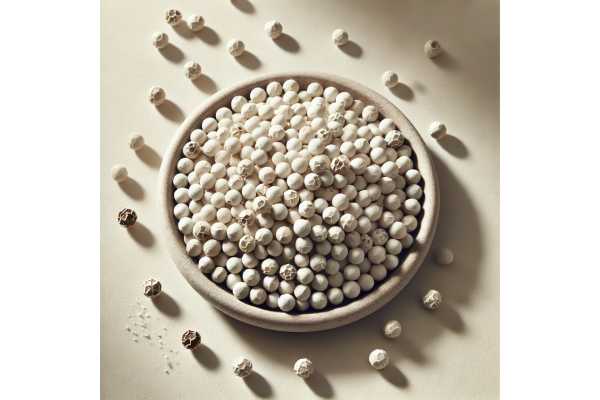
White pepper is one of those quiet kitchen staples that rarely gets the spotlight, yet shapes the flavor and feel of many dishes. Made from fully ripe pepper berries with the outer dark skin removed, it has a gentle, earthy heat and a clean look that blends seamlessly into light-colored soups, sauces, and mashed potatoes. Beyond taste, white pepper delivers small but meaningful amounts of minerals, aromatic oils, and the alkaloid piperine, which may support digestion and help the body absorb certain nutrients more efficiently.
As with most spices, the benefits depend on how you use it. A pinch or two can round out flavor without adding salt, while higher intakes or concentrated extracts can interact with medications or irritate sensitive stomachs. This guide walks you through what white pepper actually contains, what current research suggests about its potential health effects, who should be cautious, and how to choose and use it confidently in everyday cooking.
White Pepper Fast Facts
- Provides concentrated flavor with only a few calories and about 1–2 g carbohydrate per 2 g teaspoon, plus trace minerals and antioxidants.
- Contains piperine and other plant compounds that may support digestion and enhance absorption of some nutrients and drugs.
- Typical culinary use is about 1/8–1/4 teaspoon (roughly 0.3–0.6 g) per serving, up to around 1–2 teaspoons (2–4 g) total per day for most adults.
- People with reflux, gastritis, irritable bowel symptoms, or very sensitive taste may notice irritation or discomfort with larger amounts.
- Individuals with known spice allergies or complex medication regimens should be cautious with pepper-based supplements or high daily intakes and seek medical advice.
Table of Contents
- White Pepper Origins and Uses
- White Pepper Nutrition and Active Compounds
- Evidence-Based Benefits of White Pepper
- White Pepper Risks, Allergies and Interactions
- Choosing and Storing White Pepper Sustainably
- Cooking with White Pepper and Preserving Quality
- White Pepper Portions, Comparisons and FAQs
White Pepper Origins and Uses
White pepper comes from the same plant as black pepper, Piper nigrum, but the processing is different. For black pepper, the unripe green berries are harvested and dried with their outer skin intact, which darkens and wrinkles. For white pepper, the berries are allowed to ripen fully on the vine to a red color, then soaked in water so the outer skin can be removed. The pale inner seed is dried and sold as white peppercorns or ground into a fine powder.
This processing gives white pepper a distinct character. It is less sharp and citrusy than black pepper, with a deeper, earthier aroma that some describe as slightly fermented or floral. Many classic European sauces, such as béchamel or velouté, rely on white pepper for warmth without the black specks that would show up in a smooth, pale sauce. In parts of China, Southeast Asia, and Scandinavia, white pepper is often the default pepper for everyday cooking, not just a cosmetic alternative.
White pepper powder disperses quickly, so a small pinch can season an entire pot of soup or broth. The flavor tends to appear more in the aftertaste than in the first bite, which makes it useful for dishes where you want warmth to build gently. It pairs especially well with:
- Creamy soups and puréed vegetables (potato, cauliflower, parsnip).
- Fish, chicken, and pork dishes where a clean appearance matters.
- Egg-based dishes such as scrambled eggs, omelets, and quiches.
- Light gravies, cream sauces, and cheese sauces.
Because it is potent, it is easy to overdo white pepper, especially in delicate dishes. Many cooks find that it is better to add a little early in cooking and adjust toward the end, tasting as you go. Used thoughtfully, it can help you reduce reliance on salt and heavy fats while keeping food satisfying, which fits well with heart-healthy and weight-conscious cooking.
White Pepper Nutrition and Active Compounds
From a macronutrient perspective, white pepper is low in calories simply because you use very little at a time. A typical 2 g teaspoon of ground white pepper provides roughly 7 kcal, with about 0.25 g protein, 0.05 g fat, and 1.5–1.7 g carbohydrate, including around 0.5–0.7 g of fiber. In a real meal, where you might use only a pinch or two per serving, these amounts are nutritionally negligible.
Even so, white pepper contains a concentrated mix of micronutrients and phytochemicals:
- Minerals: It provides small amounts of calcium, iron, magnesium, manganese, and copper. A teaspoon covers only a minor fraction of daily needs, but regular use adds to the overall mineral pool in a plant-rich diet.
- Vitamins: You will find traces of vitamin C and some B vitamins, although not in quantities that make white pepper a major vitamin source on its own.
- Fiber: The spice contributes a little dietary fiber, but again, serving sizes are too small to rely on it for fiber intake.
The more interesting components are the bioactive compounds:
- Piperine: This is the main pungent alkaloid in pepper and is largely responsible for the warming sensation. It typically makes up a few percent of the dried weight of pepper. Piperine can influence digestive enzymes and transport proteins, which is why it draws attention in research on nutrient absorption and drug interactions.
- Essential oils and terpenes: White pepper contains aromatic oils such as pinene, limonene, and caryophyllene. These contribute to its aroma and have been studied for antioxidant and mild anti-inflammatory properties.
- Phenolic compounds: Like many spices, white pepper has a range of phenolics that can help neutralize free radicals and support overall oxidative balance.
Because culinary use involves tiny amounts, it is best to view white pepper as a supporting source of these compounds rather than a primary one. Its main nutritional advantage is indirect: by making vegetables, whole grains, pulses, and lean proteins taste more appealing, it helps reinforce eating patterns that are associated with better health.
Concentrated piperine capsules or pepper extracts deliver much higher doses of active compounds than food and should be considered separately. They may have more pronounced effects, but also bring a higher risk of interactions and side effects.
Evidence-Based Benefits of White Pepper
Most of the evidence on health effects of pepper comes from studies on piperine and mixed pepper extracts rather than on white pepper specifically. Since white and black pepper share these core compounds, many of the findings are relevant to both forms, even though flavor and aroma differ.
Digestive support
Pepper has long been used in traditional medicine to stimulate appetite and digestion. Modern work suggests that piperine can increase gastric acid secretion and enhance the activity of digestive enzymes in the pancreas and intestines. In practice, this means that small amounts of pepper with meals may help some people digest food more efficiently and feel less heavy after eating. For those with sensitive stomachs or reflux, however, extra acid and irritation may cause discomfort, so tolerance varies.
Antioxidant and anti-inflammatory actions
In cell and animal models, piperine shows both antioxidant and anti-inflammatory effects. It can help neutralize reactive oxygen species and influence signaling pathways involved in chronic inflammation. Over time, diets that emphasize herbs and spices with these properties may contribute modestly to better oxidative balance and inflammatory control, especially when combined with abundant fruits, vegetables, and other plant foods.
The doses used in experimental settings are usually higher than what you get from a light sprinkle of pepper on food. Culinary amounts should be seen as part of an overall pattern rather than a targeted anti-inflammatory treatment.
Metabolic and liver health (early data)
Clinical trials using modest doses of piperine in capsule form have reported improvements in markers such as liver enzymes, blood lipids, and fasting glucose in people with metabolic conditions. These results suggest that piperine may help support aspects of liver function and metabolic health when appropriately dosed and monitored.
White pepper used in the kitchen supplies much smaller amounts of piperine, so its effect is likely mild. Still, regular use as part of a diet focused on whole foods, healthy fats, and limited added sugars may play a supportive role in metabolic well-being.
Enhanced bioavailability of nutrients and other compounds
One of the best-characterized roles of piperine is its ability to increase the bioavailability of certain substances. By influencing enzymes that break down drugs and phytochemicals and by altering transport across the gut wall, piperine can increase the amount of a compound that reaches the bloodstream.
In research settings, this property has been used to improve absorption of specific supplements. In everyday cooking, the effect is gentler, but the principle is similar: pairing pepper-spiced dishes with ingredients such as turmeric or some fat-soluble plant compounds may slightly enhance their uptake.
Overall, white pepper is best thought of as a helpful spice that:
- Encourages tasty, lower-salt cooking.
- Contributes small amounts of antioxidant and bioactive compounds.
- May have subtle positive effects on digestion and metabolic health when used regularly alongside other healthy habits.
It should not be used as a substitute for medical treatment or relied upon alone for managing chronic conditions.
White Pepper Risks, Allergies and Interactions
While white pepper is safe for most people in normal culinary amounts, there are situations where it deserves extra caution.
Digestive irritation and reflux
Because piperine stimulates stomach acid and can irritate mucous membranes at higher concentrations, generous use of pepper may aggravate:
- Gastroesophageal reflux disease (GERD).
- Peptic ulcers.
- Gastritis or frequent heartburn.
People with these conditions often notice burning in the chest or upper abdomen, or a sour taste in the mouth, after heavily peppered meals. If that sounds familiar, scaling back pepper, especially in late-night meals, may help reduce symptoms.
Spice allergy and intolerance
Spice allergies are relatively rare but may be under-recognized. Pepper has been reported as a trigger in some allergic reactions, including occasional occupational cases where workers inhale powdered pepper over long periods.
Signs of a true allergic response can include:
- Itching or swelling in the mouth or throat.
- Hives or flushing of the skin.
- Wheezing, coughing, or shortness of breath.
- In severe cases, anaphylaxis with low blood pressure and breathing difficulty.
Milder intolerance can show up as nasal symptoms, headaches, or digestive upset after pepper-rich foods. Anyone suspecting a spice allergy should seek evaluation from an allergist rather than self-diagnosing or eliminating large groups of foods without guidance.
Interactions with medications and supplements
Piperine can influence enzymes and transporters that handle drugs and other compounds in the body. In supplement trials, even low doses have affected the metabolism of certain medications and nutrients. In everyday food portions, the risk is lower, but it is not zero for people with complex regimens.
Potentially sensitive medications include those used for:
- Blood clotting and heart rhythm.
- Seizure control.
- Immune suppression (for example, after organ transplantation).
- Some cancer therapies.
If you take medications that require regular blood testing or have a narrow safety margin, it is especially important to avoid piperine supplements unless prescribed, and to let your healthcare team know if you frequently use pepper concentrates.
Special situations and vulnerable groups
- Pregnancy and breastfeeding: Normal culinary use of white pepper in family meals is generally considered acceptable. High-dose piperine supplements and very pepper-heavy diets, however, have not been thoroughly studied in these life stages and are best avoided unless recommended by a professional.
- Children: Small amounts in shared meals are usually fine, but children may be more sensitive to both taste and irritation. Pepper supplements or “immune-boosting” blends that rely heavily on piperine are not suitable without medical advice.
- Respiratory conditions: Pepper dust can irritate the airways. People with asthma or chronic bronchitis may be more comfortable avoiding grinding pepper directly under their nose and minimizing airborne powder in small kitchens.
In summary, white pepper in typical cooking amounts is safe for most healthy adults. The main risk arises either in people with existing digestive or allergic issues or when piperine is taken in concentrated supplemental form.
Choosing and Storing White Pepper Sustainably
Good white pepper can transform a dish; stale or poorly handled pepper can add little more than a dull, dusty heat. Making informed choices helps you get better flavor, reduce waste, and support more responsible production.
Whole vs ground white pepper
- Whole peppercorns: Retain volatile oils longer and usually offer better flavor when freshly ground. They are ideal if you cook often and have a grinder that can handle white peppercorns.
- Pre-ground white pepper: Convenient and quick, especially when you need even distribution in smooth sauces, but more prone to losing aroma and to developing musty notes over time.
If you use white pepper regularly, buying whole peppercorns and grinding them in small batches can be a good compromise between convenience and freshness.
What to look for on the label
When buying white pepper:
- Check that the ingredient list is short and clear, ideally just “white pepper” without fillers.
- Prefer brands that indicate the origin (for example, specific countries or regions known for pepper), which may reflect more attention to sourcing.
- Smell the product if possible: it should be pleasantly peppery and slightly earthy, not harshly musty or moldy.
Because white peppercorns are produced by soaking and removing the outer fruit layer, they can develop unpleasant odors if the water is not clean or if drying is poorly controlled. If you open a package and notice strong off-odors, it is reasonable to discard it.
Sustainability and ethical considerations
Pepper cultivation is concentrated in tropical regions, often on smallholder farms. Potential concerns include:
- Deforestation and land pressure as demand rises.
- Use of pesticides and fertilizers that can affect soil and water quality.
- Economic pressures that may leave growers with a small share of the final retail price.
Where possible, you can support better practices by:
- Choosing brands that discuss fair pricing, long-term relationships with farmers, or environmental initiatives.
- Considering certifications related to fair trade or sustainable agriculture, while recognizing that not all small farmers can access certification programs.
- Buying only what you will use, rather than large bulk quantities that lose aroma before you can enjoy them.
Storage guidelines
To keep white pepper fresh and flavorful:
- Store it in an airtight container in a cool, dry, dark place.
- Keep it away from the stove or other heat sources that accelerate loss of volatile oils.
- Avoid shaking it directly over steaming pots; instead, shake into a spoon or small dish and add from there, to keep moisture out of the container.
Whole peppercorns can keep good quality for one to two years if stored well. Ground white pepper is best used within about six to twelve months after opening. If you notice that you have to use much more pepper than usual to achieve the same flavor, or if the aroma seems flat, it is probably time to replace your supply.
Cooking with White Pepper and Preserving Quality
White pepper behaves slightly differently from black pepper in recipes, and understanding those differences helps you get better results.
When to use white pepper instead of black pepper
White pepper shines when:
- You want flavor without visible black specks, such as in mashed potatoes, cream sauces, and light-colored soups.
- You prefer a smoother, more rounded pepper heat rather than the brighter, citrusy notes of black pepper.
- You are cooking dishes where white pepper is traditional, such as certain Chinese stir-fries, Scandinavian fish soups, or French sauces.
In many recipes, you can use either white or black pepper, but the flavor will shift. White pepper tends to be more noticeable in the aftertaste and can sometimes come across as earthier or more pungent if overused.
Practical cooking tips
- Add white pepper in small amounts, especially at first. It is easier to increase than to correct an overly peppery dish.
- For soups and sauces, add part of the pepper during cooking and adjust at the end. This balances infused warmth with fresh aroma.
- In egg dishes and creamy sauces, a small amount of white pepper combined with a pinch of nutmeg can give a classic, comforting flavor.
- Use freshly ground pepper right before serving when you want the aroma to be most vivid.
Preserving aroma and bioactive compounds
Although piperine is fairly stable, the delicate aromatic oils in pepper are more sensitive to heat and time. To preserve them:
- Grind pepper close to the time of use rather than grinding large batches far in advance.
- Avoid frying ground white pepper alone in very hot oil for long periods. Briefly blooming it in warm butter or oil is usually enough.
- Store any spice blends that include white pepper in tightly sealed containers and away from light.
Because white pepper is so concentrated, preserving aroma means you can use less to achieve the same flavor, which keeps your overall intake in a moderate range.
White Pepper Portions, Comparisons and FAQs
Reasonable portions for most adults
For most people without specific medical restrictions, a sensible intake pattern might look like:
- About 1/8–1/4 teaspoon (0.3–0.6 g) of white pepper per serving in cooked dishes.
- Up to around 1–2 teaspoons (2–4 g) total across all meals in a day, if distributed rather than taken all at once.
This level keeps piperine exposure within a range that is generally considered safe and still far below the doses used in most supplement-focused studies. People with reflux, ulcers, or very sensitive digestion may prefer less.
Comparing white, black, and green pepper
All three forms come from the same plant:
- White pepper: Ripe berries with the skin removed. Flavor is earthy, smooth, and often preferred for pale dishes.
- Black pepper: Unripe berries dried whole. Flavor is more complex, with fruity and citrus notes; visually dominant as dark specks.
- Green pepper: Unripe berries preserved to stay green, often in brine or by freeze-drying. Flavor is fresher and less pungent, used in certain sauces and specialty dishes.
Nutritionally, they are similar. The choice comes down to flavor, appearance, and cultural context, not major differences in health properties.
Frequently asked questions
Is white pepper healthier than black pepper?
They are broadly comparable. Both contain piperine and similar types of aromatic and phenolic compounds. Some people find one easier to tolerate than the other, but there is no strong evidence that one is clearly “healthier” in general.
Is white pepper okay on a low-sodium diet?
Yes. White pepper is naturally sodium-free and can help add flavor to low-salt dishes. Combining pepper with herbs, garlic, citrus, and other spices can make reduced-salt meals more satisfying.
Can white pepper trigger migraines or headaches?
Some individuals report that strong spices, including pepper, seem to coincide with headaches or migraines. The mechanisms are not fully understood and are likely individual. If you notice a consistent pattern, discuss it with a healthcare professional and consider a structured trial of reducing or avoiding pepper to see if symptoms improve.
Is white pepper suitable for people with irritable bowel syndrome?
White pepper is low in fermentable carbohydrates, so it is generally compatible with low-FODMAP approaches. However, its irritant effect can aggravate symptoms in some people. Starting with very small amounts and monitoring your response is the safest approach.
Can I use white pepper for children’s meals?
In small amounts, white pepper is often used in family meals that children share. Because children are more sensitive to heat and irritation, it is wise to use only a light sprinkle and avoid very peppery dishes for toddlers and young children.
Using white pepper thoughtfully—focusing on flavor, balance, and personal tolerance—allows you to enjoy its culinary and potential health benefits while minimizing risks.
References
- Nutrition Facts for White Pepper 2024 (Database)
- Molecular and pharmacological aspects of piperine as a potential molecule for disease prevention and management: evidence from clinical trials 2022 (Systematic Review)
- The impact of piperine on the metabolic conditions of patients with NAFLD and early cirrhosis: a randomized double-blind controlled trial 2024 (RCT)
- Spices, herbs and allergic reactions in children: myth or reality — a narrative review with scoping elements 2025 (Narrative Review)
- Occupational rhinoconjunctivitis from white pepper 2003 (Case Report)
Disclaimer
The information in this article is intended for general educational purposes and should not be taken as medical advice, diagnosis, or treatment. It does not replace a consultation with a qualified healthcare professional who can consider your individual medical history, medications, and health goals. Always speak with your doctor, pharmacist, or a registered dietitian before making significant changes to your diet, using concentrated spice extracts, or adjusting prescribed treatments.
If you found this article helpful, you are welcome to share it with others on Facebook, X (formerly Twitter), or any platform you prefer. Your thoughtful support helps more readers access reliable information and allows us to continue creating careful, evidence-informed nutrition content.