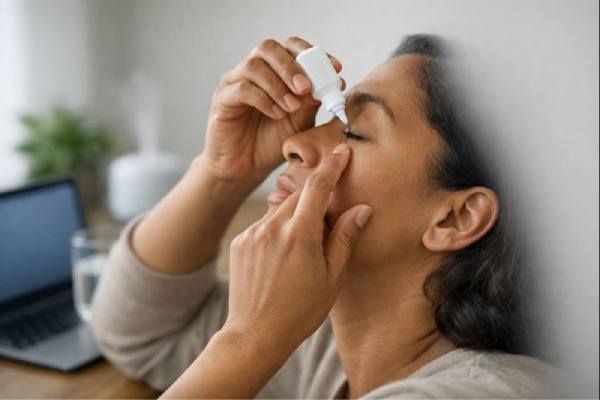
Dry eyes are more than an occasional nuisance. When the tear film becomes unstable, the eye’s surface can feel gritty, burn, water paradoxically, and blur—often at the exact moments you need crisp vision most, such as reading, driving at night, or working on a screen. The encouraging part is that dry eye disease is usually manageable once you understand the trigger pattern and treat the right layer of the tear film. Some people mainly need better lubrication and environment changes, while others improve only after addressing eyelid oil glands, allergies, medications, or an underlying health condition. This article helps you identify why your eyes feel so dry, what you can do for fast comfort today, and which longer-term steps tend to prevent flare-ups. You will also learn the warning signs that should move dry eye from “self-care” to a professional exam.
Top Highlights for Quick Relief
- Matching treatment to the dry eye type (evaporative vs aqueous-deficient) improves comfort faster and reduces trial-and-error.
- Small habit changes—humidifying air, improving blink quality, and limiting direct airflow—often reduce symptoms within 7–14 days.
- Preservative-free lubricating drops are a safer default when you need drops multiple times daily.
- Do not ignore a dry, painful red eye with light sensitivity or reduced vision, especially with contact lenses.
- Use a structured 7-day reset: frequent lubrication, lid warming if oily glands are involved, and consistent screen breaks.
Table of Contents
- What dry eye feels like and why it happens
- Everyday triggers that make eyes drier
- Two main types: evaporative and aqueous-deficient
- Quick relief steps you can use today
- Longer-term fixes and medical treatments
- When to see a doctor and what to expect
What dry eye feels like and why it happens
Dry eye disease is best understood as a tear film problem, not just a “not enough tears” problem. Healthy tears form a smooth, protective layer that keeps the cornea clear and comfortable. That layer has multiple parts working together: oils from eyelid glands slow evaporation, watery tears provide moisture and protective proteins, and mucins help tears spread evenly across the eye. When any part becomes unbalanced, the surface dries in patches and triggers irritation.
The symptoms can be surprisingly varied. Many people expect dryness to feel like “tightness,” but it often presents as:
- Burning or stinging, especially late in the day
- A gritty, sandy sensation
- Fluctuating blur that improves after blinking
- Light sensitivity or discomfort in wind and air conditioning
- Contact lens intolerance or reduced wearing time
- A heavy-lid feeling or mild ache around the eyes
- Excess tearing (reflex watering), which can be confusing
That last point matters: watery eyes can still be dry eyes. When the surface becomes irritated, nerves signal the lacrimal gland to produce a surge of watery tears. These emergency tears may spill over, yet they often lack the oil and mucin balance needed to stay on the eye. The result is a cycle: dryness triggers watering, watering fails to stabilize the surface, and irritation continues.
Dry eyes also affect vision in a specific way. Because the tear film is the first optical surface light passes through, an uneven tear layer can make vision shimmer, ghost, or smear—particularly when reading or driving at night. People sometimes assume they need a new glasses prescription, but the real issue is tear instability.
A practical way to interpret symptoms is to look for patterns:
- Worse with screens often suggests reduced blinking and evaporation.
- Worse in wind or dry indoor air suggests evaporative loss.
- Worse on waking can suggest overnight exposure, incomplete eyelid closure, or eyelid inflammation.
- Better with frequent lubrication suggests surface-driven dryness, but it does not exclude underlying gland dysfunction.
Dry eye tends to persist because irritation can promote inflammation, and inflammation can further destabilize tears. The goal of treatment is to interrupt that loop: protect the surface, restore tear stability, and reduce triggers that keep the cycle going.
Everyday triggers that make eyes drier
Dry eye symptoms often flare because daily life quietly stacks the odds against a stable tear film. Identifying your triggers can reduce symptoms faster than changing products repeatedly.
Screen time and incomplete blinking
When you focus on a screen, your blink rate usually drops and blinks become less complete. That leaves parts of the eye uncovered and allows tears to evaporate faster. Symptoms often peak after long reading sessions, gaming, spreadsheets, or phone use. You might notice that your eyes feel fine early in the day but become dry and blurry by late afternoon.
Airflow and low humidity
Heating, air conditioning, car vents, and fans can dry the tear film quickly. Airflow directed toward the face is especially drying at night. Indoor humidity can drop in winter and in many office environments. Travel is another common trigger because cabin air is dry and sleep is disrupted.
Contact lenses
Contacts can reduce oxygen transmission, change how tears spread, and absorb tear components. Even well-fitted lenses can amplify dryness when your tear film is marginal. Rewetting drops may help, but persistent lens discomfort often signals that the surface needs more support—or that a different lens material, wear schedule, or hygiene routine is needed.
Allergies and eye rubbing
Seasonal and indoor allergies inflame the surface and disrupt tear stability. Itching leads to rubbing, and rubbing increases inflammation and surface irritation. Many people have a mixed picture: allergy plus dryness, each worsening the other.
Eyelid and skin conditions
Eyelid inflammation, recurrent styes, and facial rosacea can affect the oil glands that stabilize tears. If your lids feel tender, your lashes have debris, or your eyelids look mildly swollen in the morning, your eyelids may be the main driver.
Medications and systemic factors
Certain medication classes can reduce tear production or alter tear quality. Common examples include some antihistamines, antidepressants, acne treatments, and blood pressure medications. Hormonal shifts—especially around menopause—also influence tear stability. Autoimmune conditions can contribute to more severe dryness, particularly if you also have dry mouth, fatigue, joint symptoms, or dryness in other areas.
Cosmetics and skincare
Eye makeup, lash serums, sunscreen, and heavy facial creams can migrate into the tear film or irritate the lid margin. Applying products too close to the lash line is a frequent, overlooked contributor. Poor makeup removal can also increase morning dryness and irritation.
A useful strategy is to name your “top two triggers” and address them first. Many people improve significantly by changing airflow exposure and building better blinking habits before they ever add a prescription treatment.
Two main types: evaporative and aqueous-deficient
Dry eye disease is often described in two broad types. Most people have a mix, but recognizing the dominant type helps you choose the most effective first steps.
Evaporative dry eye
Evaporative dry eye happens when tears evaporate too quickly. The most common reason is meibomian gland dysfunction, where oil glands along the eyelids produce less oil or oil of poorer quality. Without enough oil, the tear film thins and breaks up rapidly.
Common clues include:
- Symptoms worse in wind, air conditioning, or heated indoor air
- Burning and fluctuating blur that improves briefly after blinking
- A feeling of dryness that is worse late in the day
- Oily lid margins, recurrent styes, or eyelid tenderness
- Foaminess along the lash line or frequent “gritty” mornings
Evaporative dry eye often responds to eyelid-centered care: warming, gentle lid hygiene, and strategies that improve oil flow and blink completeness.
Aqueous-deficient dry eye
Aqueous-deficient dry eye happens when the lacrimal gland does not produce enough watery tears, or when tears cannot remain on the surface due to severe inflammation. This can occur with age, certain medications, after eye surgery, and in autoimmune conditions. In more significant cases, people may notice a persistent dry, scratchy feeling throughout the day, and lubricating drops provide only short-lived relief.
Clues that raise suspicion include:
- Dryness that feels constant rather than situational
- A dry mouth, difficulty swallowing dry foods, or recurrent dental issues
- Symptoms that include stringy mucus, surface irritation, or frequent redness
- A history of autoimmune disease or strong family history of autoimmunity
Why the distinction matters
If evaporation is the main issue, simply adding watery tears can help temporarily but may not stabilize the surface for long. Conversely, if tear volume is genuinely low, focusing only on eyelid warming may not be enough. A balanced plan often includes both: improve oil flow and protect the surface with the right lubricants.
It also helps to know that “more drops” is not always better. Frequent use of preserved drops can irritate the surface in some people. If you need drops many times a day, preservative-free formulations are often a safer default. Gel drops or ointments can be useful at night when symptoms are worse on waking.
Finally, dry eye can be intermittent at first. Many people cycle through flares—during allergy season, heavy screen weeks, or winter heating—before symptoms become more persistent. Treating early and consistently during flares can reduce the risk of a chronic inflammation loop.
Quick relief steps you can use today
Fast relief is usually about stabilizing the surface and removing immediate triggers. The most effective short-term plan is structured and simple—so you can actually follow it.
1) Lubricate with intention
- Start with lubricating drops that feel comfortable and do not sting.
- If you need drops more than a few times daily, consider preservative-free options.
- For symptoms that spike during reading or screen work, use drops before you start, not only after discomfort appears.
- If you wake up dry, use a gel drop or ointment at bedtime and expect temporary blur.
A helpful expectation: symptoms often improve sooner than signs. You may feel better within days, while surface health can take weeks of consistency.
2) Control airflow and moisture
- Redirect fans and vents away from your face.
- Use a humidifier in your bedroom or workspace if air is dry.
- In the car, aim vents lower or away from your eyes.
- Outdoors, wraparound glasses can reduce wind exposure.
These changes can produce noticeable improvement within 7–14 days, especially for evaporative dryness.
3) Improve blinking quality
For one week, try this routine during screen work:
- Every 20 minutes, look at a distant point for 20 seconds.
- Do 5 slow, complete blinks: close gently, pause for a moment, then open.
Complete blinks help spread the tear film and express oils from the eyelid glands. The improvement can be subtle at first, but it often reduces late-day dryness.
4) Warm or cool compresses, depending on symptoms
- If lids feel oily, tender, or you have frequent styes, use a comfortably warm compress for 5–10 minutes, then gently massage toward the lash line.
- If itching or puffiness is prominent, use cool compresses to calm inflammation.
Avoid aggressive scrubbing or very hot compresses, which can irritate delicate eyelid skin.
5) Remove common irritants
- Pause new eye cosmetics or lash products for a week.
- Keep skincare products a finger-width away from the lash line.
- Remove makeup thoroughly and gently at night.
- Avoid rubbing, even when eyes itch.
Quick relief is possible, but it should not come at the cost of safety. If your eye is significantly painful, light-sensitive, or your vision is reduced—especially if you wear contact lenses—skip self-treatment and seek prompt evaluation.
Longer-term fixes and medical treatments
If dry eye is recurring or persistent, the most effective strategy is to combine daily maintenance with targeted therapy for the underlying driver. Many people improve dramatically when they stop treating dry eye as a single symptom and start treating it as a system: eyelids, tear film, surface inflammation, and environment.
Build a sustainable baseline routine
A typical maintenance plan includes:
- Lubrication tailored to your needs (lighter during the day, thicker at night)
- Environmental control (humidity and airflow awareness)
- A consistent screen strategy (breaks and complete blinks)
- Eyelid hygiene if there is debris, tenderness, or gland dysfunction
The key is consistency. Doing an intensive routine for three days, then stopping, often leads to a rebound flare.
When eyelid oil glands are the main issue
For meibomian gland dysfunction, longer-term care may include:
- Regular warm compresses and gentle lid massage several times weekly
- In-office gland expression or thermal treatments when home care is not enough
- Treatment of associated rosacea or eyelid inflammation when present
Not everyone needs in-office procedures, but for moderate to severe gland dysfunction, they can reduce the cycle of blockage and inflammation.
Prescription therapies and anti-inflammatory approaches
When inflammation is a major contributor, clinicians may recommend prescription drops that modulate the immune response on the ocular surface. These are usually part of a plan, not a standalone “forever solution.” Some people also benefit from short, carefully monitored anti-inflammatory courses during severe flares, followed by maintenance therapy.
Options for more severe aqueous-deficient dry eye
If tear production is low, treatment may include:
- Tear-conserving strategies (for example, punctal occlusion in selected cases)
- Specialized lubricants and nighttime protection
- Moisture-chamber eyewear for significant evaporation
- Therapeutic contact lenses or scleral lenses for severe surface disease under professional guidance
If symptoms are severe and persistent, a clinician may also screen for systemic contributors, especially when dryness is accompanied by dry mouth, fatigue, or joint symptoms.
Be cautious with supplements and quick promises
Dry eye products are heavily marketed. While some supplements and dietary strategies may help certain people, results vary. If you try a supplement, choose one approach at a time and track symptoms for 8–12 weeks rather than changing multiple variables at once. If you take blood thinners or have medical conditions, discuss supplements with your clinician first.
Long-term relief is realistic, but it often requires matching the treatment to the underlying mechanism—then staying consistent enough to keep the tear film stable.
When to see a doctor and what to expect
It is reasonable to try a short, structured self-care plan for mild dryness. But certain symptom patterns should move dry eye into professional evaluation—either because the cause may be more serious, or because you are likely to benefit from targeted therapy beyond over-the-counter products.
Schedule a routine eye visit if
- Symptoms occur most days for more than 2–4 weeks despite consistent home care.
- You rely on drops many times daily or need nighttime ointment regularly.
- Your vision fluctuates enough to interfere with reading, work, or driving.
- You have recurrent styes, lid crusting, or persistent eyelid tenderness.
- You cannot tolerate contact lenses the way you used to.
- Dryness is accompanied by dry mouth or other body-wide dryness.
Seek prompt care if
- You have moderate to severe eye pain, not just irritation.
- Light sensitivity is significant or worsening.
- Vision is reduced, hazy, or does not clear with blinking.
- There is thick discharge, eyelids stuck shut repeatedly, or swelling that is increasing.
- You wear contact lenses and wake with a painful red eye.
These scenarios may involve infection, corneal inflammation, or other conditions that require immediate treatment.
What an exam typically includes
A targeted dry eye evaluation often assesses:
- Eyelid margin health and meibomian gland function
- Tear film breakup and surface staining patterns
- Tear volume assessment in selected cases
- Signs of allergy or chronic inflammation
- Whether eyelids close fully and blink mechanics are effective
Clinicians also look for masqueraders—conditions that mimic dry eye but require different treatment, such as chronic allergy, medication toxicity, or certain inflammatory eye diseases.
How to prepare so you get more from the visit
Bring practical information:
- Which drops you have tried, how often, and what helped or stung
- Whether symptoms are worse on waking, late day, or during screens
- Your contact lens routine and whether you ever nap or sleep in lenses
- Any relevant medications and recent changes
- Any autoimmune history or dryness in other parts of the body
Dry eye is common, but it is not trivial. If you have persistent symptoms, a tailored plan based on your tear film type and eyelid health can reduce discomfort, protect the corneal surface, and improve the quality of your vision day to day.
References
- Dry Eye Syndrome Preferred Practice Pattern® 2024 (Guideline)
- Artificial Tears: A Systematic Review 2023 (Systematic Review)
- Dry Eye Disease Associated with Meibomian Gland Dysfunction: Focus on Tear Film Characteristics and the Therapeutic Landscape 2023 (Review)
- Aqueous-deficient dry eye disease: Preferred practice pattern guidelines on clinical approach, diagnosis, and management 2023 (Guideline)
Disclaimer
This article is for educational purposes and does not provide medical diagnosis or individualized treatment. Dry eye symptoms can overlap with infections, corneal injury, medication effects, and inflammatory eye disease. Seek urgent evaluation if you have significant eye pain, marked light sensitivity, decreased vision, a rapidly worsening red eye, thick discharge, or any painful red eye associated with contact lens wear.
If you found this article helpful, please consider sharing it on Facebook, X (formerly Twitter), or any platform you prefer.