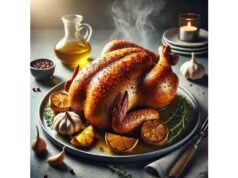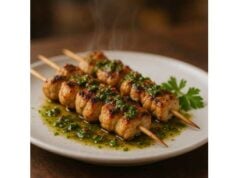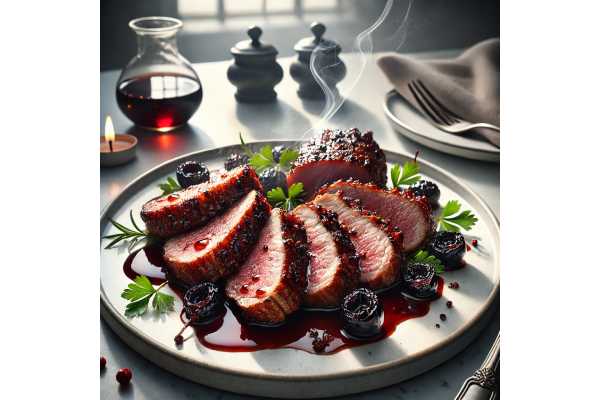
Wild boar meat has moved from hunter-only fare to a niche staple in restaurants and specialty butcher shops around the world. It offers a distinctive, mildly sweet, nutty flavor, a firmer texture than domestic pork, and a naturally lean profile that appeals to health-minded cooks. As a wild or free-ranging species, boar forage on roots, shoots, acorns, and grasses, which shapes both flavor and nutrient density. Properly handled and cooked, wild boar can deliver high-quality protein, essential B-vitamins, and minerals such as zinc and selenium with very little carbohydrate. It also suits slow roasts, quick sears, hearty stews, and cured preparations (where regulations allow).
Because it’s a game meat, wild boar deserves extra attention to sourcing, storage, and doneness. Safe handling and accurate temperature control matter more here than with conventional pork. This guide explains what sets wild boar apart, how it stacks up nutritionally, the potential benefits and risks, and practical ways to select, store, and cook it well—so you can enjoy excellent results with confidence.
At a Glance
- Lean, high-protein meat (≈28 g protein per 100 g cooked) with notable zinc, thiamin, and selenium.
- Cook whole cuts to safe temperatures and rest; avoid tasting meat before it’s fully done.
- Typical serving: 85 g cooked (≈3 oz), enjoyed 1–2 times per week as part of varied protein sources.
- Pregnant people, young children, and those in hunter households should avoid game shot with lead and always eat thoroughly cooked meat.
Table of Contents
- Wild Boar Meat: Detailed Overview
- Nutrition Profile (per 100 g)
- Evidence-Based Health Benefits
- Risks, Allergies and Interactions
- Selecting, Quality, Sustainability and Storage
- Preparation, Cooking and Nutrient Retention
- Portions, Comparisons and FAQs
Wild Boar Meat: Detailed Overview
Wild boar (Sus scrofa) is the wild ancestor of domestic pigs and now includes both true wild populations and feral swine descended from escaped domestic stock. In food markets and restaurants, “wild boar” typically means legally hunted animals or pasture-raised “wild boar” from controlled farms. Regardless of origin, the meat is generally darker than pork and carries a slightly sweet, floral, and nutty profile when animals have foraged on acorns, chestnuts, or roots. Compared with conventional pork, wild boar tends to be leaner and a touch firmer, with more myoglobin in the muscle—hence the deeper color.
Cuts mirror pork: shoulder (good for stewing, braising, pulled meat), leg/ham (roasting and slicing), loin (quick sear or roast), ribs (slow cooking), and trim for grinding. Because the meat is lean, dry-heat methods benefit from brining, marinating, or barding (wrapping with fat) to maintain juiciness. Slow, moist heat suits tougher, sinewy muscles, while prime cuts perform well with brief high-heat searing followed by a rest.
Flavor varies by age, sex, diet, and activity. Younger animals yield milder meat; older boars may have more pronounced, “gamey” notes, especially during certain seasons. Field handling is pivotal: prompt evisceration, clean transport, and fast chilling shape texture and safety. The same meat can be sublime or disappointing depending on those early steps.
In many regions, wild boar are abundant or invasive, and regulated harvest supports habitat management and reduces crop damage. Ethically, some consumers value wild or pasture-raised boar for the animal’s natural behaviors and diet, though jurisdictional rules on inspection and sale vary. Where retail is allowed, reputable butchers label origin (wild-harvested vs. farmed), dressing conditions, and sometimes age category.
Culinary range is broad. Loin medallions or chops pair beautifully with fruit (figs, apples, cherries), herbs (rosemary, bay), and acidic sauces (verjus, balsamic, wine reductions). Shoulders and shanks excel in long braises with aromatics and stock. Ground boar makes excellent burgers, meatballs, or ragù when enriched with a little added fat. The key: match cut to method, respect lean texture, and use accurate temperature checks for consistent, safe results.
Nutrition Profile (per 100 g)
Below are typical values for cooked, roasted wild boar (lean, trimmed). Amounts are per 100 g; % Daily Value (%DV) uses standard adult reference values. Actual numbers vary by cut, age, diet, and cooking method.
Macros & Electrolytes
| Nutrient | Amount (per 100 g) | %DV |
|---|---|---|
| Energy | 160 kcal | — |
| Protein | 28.3 g | 57% |
| Total Fat | 4.4 g | 6% |
| Saturated Fat | 1.3 g | 6% |
| Carbohydrate | 0.0 g | 0% |
| Total Sugars | 0.0 g | 0% |
| Dietary Fiber | 0.0 g | 0% |
| Sodium | 60 mg | 3% |
| Potassium | 396 mg | 8% |
Fats & Fatty Acids
| Nutrient | Amount (per 100 g) | %DV |
|---|---|---|
| Total Fat | 4.4 g | 6% |
| Saturated Fat | 1.3 g | 6% |
| Monounsaturated Fat | 1.71 g | — |
| Polyunsaturated Fat | 0.64 g | — |
| Omega-3 Fatty Acids | 0.031 g | — |
| Omega-6 Fatty Acids | 0.50 g | — |
| Cholesterol | 77 mg | — |
Vitamins
| Vitamin | Amount (per 100 g) | %DV |
|---|---|---|
| Thiamin (B1) | 0.31 mg | 25% |
| Riboflavin (B2) | 0.14 mg | 11% |
| Niacin (B3) | 4.24 mg | 26% |
| Vitamin B6 | 0.42 mg | 25% |
| Vitamin B12 | 0.71 µg | 29% |
| Choline | 117 mg | 21% |
| Vitamin E | 0.38 mg | 3% |
| Vitamin K | 1.4 µg | 1% |
Minerals
| Mineral | Amount (per 100 g) | %DV |
|---|---|---|
| Iron | 1.12 mg | 6% |
| Zinc | 3.06 mg | 28% |
| Selenium | 12.9 µg | 24% |
| Phosphorus | 134 mg | 11% |
| Magnesium | 27 mg | 6% |
| Copper | 0.06 mg | 7% |
Glycemic & Acid–Base Notes
- Carbohydrate is negligible; glycemic load is effectively zero.
- As a high-protein food with modest fat, wild boar contributes minimally to post-meal glucose impact when eaten without refined carbohydrates.
Allergens & Intolerance Markers
- While classic meat allergy is rare, mammalian meat allergy (alpha-gal syndrome) can trigger reactions to boar in sensitized individuals.
- Histamine buildup can occur if meat is not properly chilled; handle promptly and keep cold.
Notes: Values reflect cooked, roasted lean meat from wild boar, representative of commonly available data. %DV reflects adult reference intakes; cholesterol has no current %DV. Fatty acid proportions shift with the animal’s diet and the cut’s fat content.
Evidence-Based Health Benefits
High-quality protein for muscle and recovery. With about 28 g protein per 100 g cooked, wild boar provides all essential amino acids to support muscle protein synthesis, recovery after training, and maintenance of lean mass during weight management. Choosing lean game as one of several weekly protein sources can help meet daily protein targets without excessive saturated fat.
Rich in B-vitamins that support energy metabolism. Thiamin (B1), niacin (B3), vitamin B6, and vitamin B12 work as coenzymes in carbohydrate and amino acid metabolism, red blood cell formation, and nervous system function. Wild boar delivers meaningful portions of each—particularly helpful for people with higher metabolic demands, such as athletes and those recovering from illness or surgery.
Minerals that support immunity and thyroid function. Zinc (roughly a quarter of daily needs per 100 g) is central to immune cell signaling and antioxidant defense. Selenium supports thyroid hormone metabolism and cellular antioxidant systems. Together with iron and phosphorus, these minerals help maintain oxygen transport, bone integrity, and enzymatic reactions across tissues.
Lower overall fat and sugars compared with many processed meats. Properly trimmed boar is lean and naturally low in saturated fat. It also contains no intrinsic sugars and zero starch. Replacing processed red meats in the weekly rotation with minimally processed wild or pasture-raised boar can reduce sodium and preservative intake—provided you choose fresh or simply seasoned cuts rather than cured, high-sodium options.
Culinary variety promotes dietary adherence. A practical benefit: flavorful variety helps people sustain balanced eating patterns. Wild boar adapts to Mediterranean, Central European, and Asian flavor profiles—think juniper and bay, citrus and chili, miso and ginger—making it easier to keep meals interesting while hitting nutrition goals.
Potentially favorable fatty acid profile. Depending on forage (e.g., acorn-rich habitats) and husbandry, boar fat can show modestly higher monounsaturated content than some commercial pork, with small but present omega-3s. While totals are low compared with fatty fish, every increment away from excess saturates moves a plate in a heart-friendlier direction.
Satiety and weight management. High-protein, low-carb foods tend to improve satiety per calorie. A palm-sized cooked portion (≈85 g) contributes substantial protein for relatively few calories, helping curb snacking between meals when combined with vegetables, whole grains, and healthy fats.
Dietary flexibility for carbohydrate-controlled plans. Because wild boar is essentially carbohydrate-free, it integrates smoothly into lower-carb approaches while leaving room for nutrient-dense sides (legumes, greens, root vegetables) tailored to personal goals and glucose response.
Bottom line: As part of a diverse protein rotation—fish, legumes, eggs, dairy, poultry, and other lean meats—wild boar can deliver dense nutrition, culinary appeal, and practical satiety advantages in relatively small portions.
Risks, Allergies and Interactions
Undercooking and parasites. Wild game—including boar—can harbor Trichinella species. Cooking to safe internal temperatures verified with a thermometer is essential. Curing, air-drying, cold smoking, or microwaving does not reliably kill larvae. Freezing is unreliable for some wild species; certain Trichinella strains tolerate freezing. Always cook thoroughly, avoid tasting underdone meat, and rest meats per guidance.
Cross-contamination. Raw juices can carry pathogens. Use separate boards/knives for raw meat, wash hands well, and sanitize surfaces. If grinding at home, chill equipment and grind in small, very cold batches; clean thoroughly afterward.
Lead fragments from ammunition. Game taken with lead ammunition may contain microscopic fragments far from the wound channel. Frequent consumption by hunter households can raise lead exposure, which is particularly concerning for pregnant people and children. Request carcasses harvested with non-lead ammunition when possible, trim generously around wound paths, and avoid making stock from bones if the harvest method is unknown.
Hepatitis E and other zoonoses. In some regions, undercooked pork and wild boar have been implicated in foodborne hepatitis E infections. While proper cooking neutralizes the virus, vulnerable groups (pregnant people, immunocompromised individuals, older adults) should be especially strict about doneness and hygiene and avoid raw or undercooked liver and offal.
Alpha-gal syndrome and meat allergy. People sensitized by certain tick bites can react to mammalian meats, including boar. Symptoms can be delayed (3–6 hours after eating). Anyone with known alpha-gal syndrome should avoid wild boar unless cleared by their clinician and dietitian.
Sodium and cured products. Cured, smoked, or dried boar products can be high in sodium and, depending on the recipe, nitrites/nitrates. Those managing hypertension should favor fresh cuts and low-sodium seasonings.
Drug and nutrient interactions. High-dose iron supplements are more efficiently absorbed with animal protein (a potential benefit), but certain medications (e.g., some antibiotics, thyroid hormone) should not be taken simultaneously with mineral-rich meals. Follow prescription timing guidance. People with gout may want to moderate intake of rich gravies or organ meats due to purine load.
Environmental and animal health considerations. While not a human disease risk, African swine fever (ASF) and other swine diseases in wild boar populations can imperil domestic pigs and trigger transport restrictions. Purchase inspected meat from reputable channels and observe local rules on transporting carcasses and offal.
Practical safeguards: Buy from trusted processors, chill quickly, prevent cross-contamination, cook thoroughly, and, where possible, choose animals harvested with non-lead ammunition—especially if serving children or pregnant guests.
Selecting, Quality, Sustainability and Storage
Where to buy and what to look for. In many jurisdictions, hunted wild boar cannot enter the retail chain unless processed through approved facilities. Specialty butchers often sell farmed “wild boar” (free-ranging hybrids or heritage lines) that emulate wild flavor with consistent quality control. For retail purchases, look for:
- Clear labeling of species and origin (wild-harvested vs. farmed).
- Deep red color without gray spots, with firm, moist—but not wet—surfaces.
- Vacuum-sealed packages free of excess purge (liquid) and intact seals.
Assessing freshness. Fresh boar should smell clean, iron-rich, and faintly sweet. Sour, ammonia, or rancid notes indicate spoilage. On thawing, expect some purge in vacuum packs; pat dry before seasoning.
Sustainability notes. Invasive boar populations damage crops and native habitats. Managed harvests can reduce ecological impact, lower rooting damage, and protect ground-nesting wildlife. Choosing legally harvested boar from management programs or responsible farms can align purchasing with habitat goals. Ask suppliers about harvesting methods, non-lead ammunition policies, and animal welfare.
Storage and handling.
- Refrigeration: Keep at ≤4 °C (≤40 °F). Use fresh whole cuts within 3–5 days; ground meat within 1–2 days.
- Freezing: Wrap air-tight; best quality up to 6–12 months for whole cuts and 2–3 months for ground. Label date, cut, and harvest/source.
- Thawing: Prefer refrigerator thawing. If using cold water thawing, keep sealed packages submerged in cold water, changing water every 30 minutes; cook immediately after. Avoid countertop thawing.
- Transport from field: For hunters, eviscerate promptly, avoid puncturing the gastrointestinal tract, remove offal safely, cool quickly (ideally to ≤4 °C within hours), and protect carcasses from insects and dust.
Buying tips by cut.
- Loin/Backstrap: Choose fine-grained muscle with a thin, creamy fat cap. Best for quick sear/roast.
- Shoulder/Neck: Marbling and collagen suit braise and low-slow cooking.
- Leg/Ham: Versatile for roasts or steaks; slice across the grain.
- Ribs/Shanks: Benefit from long, moist heat.
- Ground: Ask for fat ratio (85/15 or 80/20) for juicier patties or ragù.
Traceability and testing. In some countries, game entering commercial channels is inspected for parasites; farmed boar may carry quality certifications. Where available, favor suppliers that provide batch testing or veterinary attestations.
Preparation, Cooking and Nutrient Retention
Prep basics. Pat meat dry before seasoning to encourage browning. Because wild boar is lean, consider:
- Dry brine: 0.5–1% salt by meat weight (5–10 g per kg) for 6–24 hours to enhance juiciness.
- Marinades: Acid/tannin (wine, vinegar, citrus), aromatics (garlic, juniper, rosemary), and a little oil improve tenderness and flavor.
- Barding: Wrap lean roasts or medallions with fat (pancetta, caul, or oil) to reduce drying.
Doneness and safety. Use a calibrated food thermometer and insert into the center of the thickest part, not touching bone. Game meats should be cooked to safe internal temperatures that reliably inactivate parasites and bacteria. Rest meat after cooking so carryover heat finishes the job and juices redistribute. Avoid tasting or “checking by color,” which is not a reliable indicator.
Cut-by-cut guidance (home kitchen):
- Loin medallions/chops: Sear in a hot pan with oil, 1–2 minutes per side; finish in a 180 °C (350 °F) oven to safe internal temperature. Rest 3–5 minutes.
- Roasts (leg, shoulder trimmed): Roast or braise low-and-slow. For braises, bring to a gentle simmer; cook until fork-tender.
- Ground boar: Cook thoroughly; no pink remains; verify with a thermometer.
- Stews/ragù: Brown in batches, deglaze with wine or stock, and simmer covered.
- Ribs/shanks: Braise with aromatics, or slow-cook at low oven temperatures until connective tissue melts.
Nutrient retention tips.
- Moist heat for B-vitamins: Water-soluble vitamins (B6, thiamin, niacin) can leach; use covered braises and incorporate reduced cooking liquids into sauces to reclaim nutrients.
- Avoid overcooking: Excess heat drives moisture and some vitamins out; pull at safe temperatures and rest.
- Minimal trimming: Keep modest external fat on roasts; trim heavily only around wound channels and any suspicious tissue if field-harvested.
- Leftovers: Chill within 2 hours; reheat rapidly to steaming hot. Avoid repeated reheating to preserve quality.
Flavor pairings. Wild boar loves bright acids and bitters to balance its richness: balsamic reductions, pickled cherries, citrus-herb gremolata, cranberry-juniper compotes, or mustard-wine pan sauces. For warmth, try cinnamon, star anise, and clove in slow braises.
Kitchen hygiene. Separate raw and ready-to-eat foods; sanitize boards and knives thoroughly; wash hands with soap and warm water after handling raw meat and before touching spices or salt containers to avoid cross-contamination.
Portions, Comparisons and FAQs
Recommended portion and frequency. A standard cooked serving is ≈85 g (3 oz)—about a deck of cards. Most adults do well enjoying wild boar 1–2 times per week as part of a varied protein rotation including seafood, legumes, poultry, eggs, and dairy. Athletes or those with higher protein needs can scale portions accordingly while balancing total saturated fat and sodium across the week.
How does wild boar compare to pork or beef?
- Calories: Wild boar is typically lower in calories than many comparable pork cuts when trimmed, due to lower fat.
- Protein: Comparable to lean pork or beef per cooked ounce.
- Fat: Often leaner than domestic pork; saturated fat is modest when well-trimmed.
- Micronutrients: Strong in B-vitamins (thiamin, niacin, B6, B12) and zinc.
- Flavor: More complex, slightly sweet and nutty, reflecting foraged diets.
Best cuts for quick weeknight meals? Loin medallions, leg steaks sliced across the grain, and ground boar. Keep a thermometer handy to avoid overcooking.
Is wild boar safe for kids? Yes—when fully cooked and sourced carefully. Families in hunting households should pay particular attention to lead-free ammunition and trimming around wound channels. Serve modest portions alongside vegetables, beans, and whole grains.
Can I eat wild boar rare? No. Do not serve game meats undercooked. Use a thermometer and follow safe internal temperatures; rest briefly before slicing. Color alone is not a reliable indicator of doneness.
What about cured boar products? Regulations differ by country. If permitted and properly processed, cured items can be delicious but often high in sodium. Those managing blood pressure should prioritize fresh, simply seasoned preparations.
Any special considerations for pregnancy or immune compromise? Avoid raw or undercooked meat and offal entirely. Choose inspected sources, prevent cross-contamination, and cook thoroughly. Discuss individual risks with a clinician or dietitian.
How do I keep it tender? Dry brine, marinate, or bard lean cuts; cook hot and fast for tender cuts, low and slow for tough cuts; slice across the grain; rest before serving. Moisture-preserving methods also help retain water-soluble vitamins.
References
- Nutrition Facts for Roasted Wild Boar 2024 (Data Report)
- How to Prevent Trichinellosis 2024 (Guidance)
- Safe Minimum Internal Temperature Chart 2025 (Guidance)
- Notes from the Field: Suspected Outbreak of Trichinellosis — North Carolina, 2023 2024 (Report)
- Lead fragments in game meat can be an added health risk for certain consumer groups 2011 (Advisory)
Disclaimer
This article is for general information and education. It does not replace personalized medical advice, diagnosis, or treatment. Always follow your local food safety regulations and consult a qualified healthcare professional about individual dietary needs, allergies, pregnancy-related precautions, or medical conditions. If you have symptoms after eating game meat, seek medical care promptly.
If you found this guide helpful, please consider sharing it on Facebook, X (formerly Twitter), or your preferred platform. Your support helps us continue creating clear, trustworthy nutrition content.