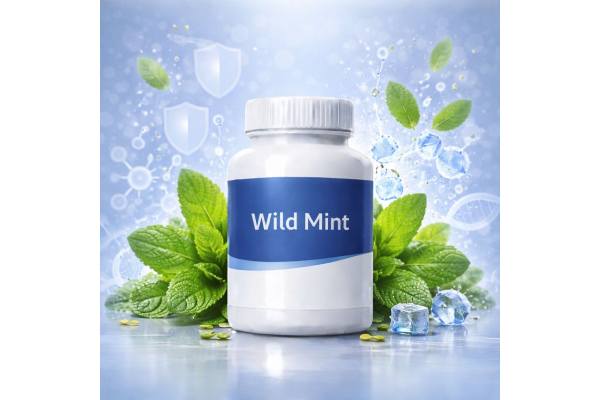
Wild mint is a familiar scent with surprisingly complex chemistry. In supplements, teas, and extracts, “wild mint” usually refers to one of several Mentha species (such as field mint, spearmint, or close relatives of peppermint). What they share is a toolkit of natural compounds—often including menthol, carvone, and rosmarinic acid—that can influence digestion, muscle tension, and the way the body perceives discomfort. For many people, the most practical use is digestive support: easing cramping, bloating, and occasional nausea. Others reach for mint to freshen breath, soothe a scratchy throat, or support focus through its cooling aroma.
Still, mint is not risk-free. Concentrated oils and strong extracts can trigger heartburn, interact with certain medicines, or be unsafe for infants and during pregnancy. This guide explains what wild mint is, how it works, what it may help with, and how to use it wisely.
Quick Overview
- Enteric-coated peppermint-style capsules may ease IBS-related abdominal pain and cramping in some adults.
- Mint aroma or tea may help mild nausea and support appetite after heavy meals.
- Typical supplemental range is about 180–225 mg per dose (enteric-coated), 2–3 times daily, depending on the product.
- Heartburn and reflux are the most common downsides, especially with non–enteric-coated products.
- Avoid concentrated mint oils if you are pregnant, giving mint products to infants, or using “pennyroyal” mint products.
Table of Contents
- What exactly is wild mint?
- What benefits do people use it for?
- How wild mint works in the body
- How to use wild mint in real life
- Common mistakes and how to fix them
- Side effects, interactions, and who should avoid it
- What the evidence actually says
What exactly is wild mint?
“Wild mint” is not a single standardized ingredient. It is a common label used for several plants in the Mentha genus, which includes peppermint, spearmint, field mint (often called wild mint in North America), and regional varieties that grow in moist soil near streams and meadows. In supplements, wild mint may appear as a dried leaf powder, a leaf extract (often water- or alcohol-extracted), or an essential oil (steam-distilled). Those forms behave very differently in the body.
A helpful way to think about it is in layers of concentration:
- Tea and dried leaf provide gentle amounts of mint polyphenols (plant compounds) and small amounts of volatile oils. This form tends to be soothing and is usually the easiest on the stomach.
- Standardized extracts concentrate certain compounds. Labels may list a ratio (like 10:1) or a marker compound such as rosmarinic acid. Extracts can be more predictable than tea, but they also raise the chance of side effects if taken on an empty stomach.
- Essential oil is the most concentrated form. It can be useful in carefully designed products (for example, enteric-coated capsules meant to release in the intestine), but it is also the form most likely to cause problems if used incorrectly.
Because “wild mint” can mean different species, the dominant compounds can vary. Peppermint-style products often emphasize menthol and related cooling compounds. Spearmint-style products may be richer in carvone, which has a different aroma profile and biological activity. Some “wild mint” products may also contain trace compounds that are harmless in tea but risky in concentrated oils.
When choosing a wild mint supplement, the goal is clarity: species name (Mentha species), plant part (leaf vs oil), and form (tea, extract, enteric-coated capsule). If the label is vague, treat it as a culinary herb rather than a targeted therapeutic tool.
What benefits do people use it for?
Wild mint’s reputation is built on digestion, but people use it for several overlapping goals. The most consistent benefit profile appears when mint is used for gut comfort, especially when cramping is part of the picture.
Digestive comfort and post-meal heaviness
Mint can relax smooth muscle, including the muscle lining the gastrointestinal tract. In practical terms, that may reduce the “gripping” feeling some people notice after a heavy meal. Many people find mint tea helpful for mild bloating, gas pressure, and occasional nausea—especially when symptoms are triggered by rich foods, stress, or irregular meals.
Irritable bowel syndrome support
For adults with IBS (irritable bowel syndrome), peppermint-style products—particularly enteric-coated peppermint oil—have been studied for abdominal pain and overall symptoms. Enteric coating matters because it helps the capsule pass through the stomach before dissolving. That can reduce the chance of heartburn while aiming the effect where cramping often happens: the small intestine and colon. Benefits are not universal, but some people report less pain, fewer spasms, and better day-to-day comfort within a few weeks.
Nausea and appetite support
Mint’s aroma can influence nausea pathways through sensory nerves in the nose and mouth. For mild nausea, mint tea or inhaled aroma may be a low-effort option. It is not a substitute for medical care when vomiting is severe, persistent, or linked to dehydration, pregnancy complications, or medication side effects—but it can be a supportive tool.
Oral freshness and throat comfort
Mint’s cooling sensation and mild antimicrobial properties make it popular for breath freshness and mouth comfort. Gargling diluted mint tea (not essential oil) is a gentler approach. For a scratchy throat, warm tea can be soothing, although it does not treat infections.
Head tension and “mental clarity”
Some people use mint topically for tension discomfort or inhale the aroma for alertness. The effect is usually subtle: a sensation shift rather than a dramatic change. If you are sensitive to smells or prone to headaches triggered by fragrances, start cautiously.
A practical takeaway: wild mint tends to work best for mild to moderate discomfort and for symptoms driven by spasm, sensory irritation, or meal-related heaviness. If symptoms are severe, worsening, or accompanied by red flags (unexplained weight loss, blood in stool, persistent fever, or trouble swallowing), treat mint as supportive only and seek medical evaluation.
How wild mint works in the body
Wild mint’s effects come from two main families of compounds: volatile oils (aromatic compounds that evaporate easily) and polyphenols (water-soluble plant compounds). Different preparations emphasize different families, which is why a tea can feel soothing while a concentrated oil capsule can feel strong—or irritating.
Smooth muscle relaxation and cramp relief
Peppermint-style mint oils can reduce spasm in smooth muscle. One reason is their influence on calcium channels that help regulate muscle contraction. When those channels are less active, muscle fibers relax more easily. In the gut, that can mean fewer painful contractions and less “twisting” discomfort.
Sensory “cooling” and discomfort modulation
Menthol activates receptors involved in temperature sensation. That cooling signal can change how the nervous system interprets irritation or discomfort. It does not “numb” the gut in a true anesthetic sense, but it can shift perception—similar to how a cool compress changes the feel of a sore area.
Effects on digestion and bile flow
Mint can influence digestive secretions and the tone of the lower esophageal sphincter (the valve between the esophagus and stomach). This is a double-edged sword. Relaxation may reduce cramping, but in people prone to reflux, it can worsen heartburn by making it easier for stomach acid to rise upward.
Antioxidant and anti-inflammatory pathways
Mint leaves contain rosmarinic acid and related polyphenols that can support the body’s antioxidant defenses and influence inflammatory signaling. These effects are more associated with leaf and extract forms than with pure essential oil. They may contribute to overall tissue comfort, but they are not a shortcut for treating inflammatory disease.
Microbial effects
Mint oils can inhibit certain microbes in lab settings. In real life, this does not mean mint “kills gut bacteria” in a targeted way. Instead, it suggests a potential role in oral hygiene and a possible influence on gas production or fermentation in some people. The gut ecosystem is complex, and stronger is not always better.
The key point is matching mechanism to goal. If your goal is gentle stomach settling, tea or a modest extract often makes sense. If your goal is IBS cramp reduction, an enteric-coated peppermint-style capsule is the form most aligned with the evidence. And if you are reflux-prone, mint’s muscle-relaxing effects may backfire.
How to use wild mint in real life
Using wild mint well is mostly about choosing the right form, timing it wisely, and keeping the dose modest until you know how you respond.
Choose the form that fits your goal
- Tea (dried leaf): Best for mild nausea, post-meal heaviness, and gentle daily use. Tea is also the easiest way to test tolerance.
- Leaf capsules or tinctures: Useful when you want consistency without the intensity of essential oil. Look for labels that list the Mentha species and extraction details.
- Enteric-coated peppermint-style oil capsules: Most relevant for IBS-related cramping and abdominal pain in adults. The coating helps reduce stomach irritation and targets intestinal release.
- Aromatherapy (inhalation): Best for quick sensory support—nausea, alertness, or a “reset” during stress. Keep expectations realistic and avoid overexposure if you are fragrance-sensitive.
- Topical use: If used, choose diluted preparations and avoid broken skin. Never apply concentrated oil near an infant’s face.
Timing tips that often matter
- For post-meal discomfort, tea taken shortly after eating is a practical starting point.
- For IBS-style capsules, products are often taken before meals (or as directed), because food timing can affect where and when the capsule releases.
- For reflux-prone people, taking mint right before lying down is a common trigger for heartburn. Earlier in the day is often better.
What to look for on a label
- Species clarity: Mentha species listed, not just “wild mint.”
- Plant part: Leaf, aerial parts, or oil.
- Standardization: A marker compound (like rosmarinic acid) or a defined oil amount per capsule.
- Delivery design: “Enteric-coated” or “intestinal release” when the goal is IBS support.
How long until you notice a difference?
- Tea can feel soothing within minutes to an hour, mainly through sensory and smooth muscle effects.
- For IBS-style use, many people judge results over 2 to 4 weeks of consistent dosing.
A simple, conservative approach is to start with tea or a low-dose leaf product, confirm tolerance, and only move to stronger preparations if you need a more targeted effect.
Common mistakes and how to fix them
Wild mint is easy to use, which also makes it easy to misuse. These are the patterns that most often lead to disappointment or side effects—and what to do instead.
Mistake 1: Treating all mint products as interchangeable
A cup of tea is not the same as an oil capsule. If you bought a product for IBS and it is a simple leaf capsule with no enteric coating, it may not deliver the effect you expect. Fix: match the form to your goal. Tea for gentle support; enteric-coated oil for targeted cramp support in adults.
Mistake 2: Taking mint when reflux is your main problem
Mint can relax the valve that helps keep acid in the stomach. If you already have GERD, frequent heartburn, or a hiatal hernia, mint may worsen symptoms. Fix: reduce dose, switch to a non-mint option, or limit mint to occasional tea rather than concentrated extracts. If you try mint anyway, avoid taking it near bedtime.
Mistake 3: Combining mint oil with antacids at the wrong time
Enteric-coated capsules are designed to resist stomach acid. If the coating dissolves too early—such as when taken alongside products that change stomach pH—the oil may release in the stomach and trigger burning or nausea. Fix: separate enteric-coated mint capsules from acid-altering products unless your clinician or pharmacist advises otherwise.
Mistake 4: Using undiluted essential oil
Undiluted essential oil can irritate skin and mucous membranes and can be dangerous if swallowed. Fix: choose pre-formulated products, and never ingest essential oil unless it is in a properly manufactured, labeled capsule intended for oral use.
Mistake 5: Expecting mint to solve chronic disease
Mint can support comfort, but it does not replace diagnosis and treatment for persistent symptoms. Fix: use mint as a supportive measure while you address root causes—diet patterns, stress, sleep, medication side effects, or an underlying condition that needs medical care.
A troubleshooting checklist
If mint is not helping, ask:
- Is the product form aligned with my goal?
- Am I taking it at a time that makes reflux worse?
- Did I increase the dose too quickly?
- Are there food triggers I am ignoring (fatty meals, large portions, alcohol)?
- Do I have symptoms that need evaluation rather than supplementation?
When you correct these variables, mint becomes a more predictable tool—and a safer one.
Side effects, interactions, and who should avoid it
Wild mint is often well tolerated as tea or culinary herb, but concentrated extracts and oils deserve more caution. Most side effects are dose-related and improve when you lower the dose or change the form.
Common side effects
- Heartburn and reflux (especially with non–enteric-coated oil products)
- Nausea or stomach irritation if taken on an empty stomach
- Dry mouth or a cooling “burn” sensation
- Skin irritation with topical use, particularly if not diluted
- Allergic reactions (rare but possible), especially in people sensitive to mint family plants
Who should avoid wild mint products or use only with guidance
- Infants and young children: Menthol-containing products near the face can affect breathing, and concentrated oils are not appropriate.
- Pregnancy and breastfeeding: Food amounts are usually considered low risk, but medicinal doses should be discussed with a clinician. Avoid concentrated mint oils unless specifically advised.
- People with significant GERD or frequent heartburn: Mint can worsen reflux in some individuals.
- Gallbladder disease or bile duct obstruction: Mint’s effects on bile flow can be problematic for some.
- People with liver disease or those using “pennyroyal” products: Pennyroyal (a mint relative sometimes marketed confusingly) is not a safe substitute for culinary mint, especially in oil form.
Interaction considerations
Wild mint is not famous for severe drug interactions, but caution is still wise:
- Acid-suppressing medications and antacids: These can affect where an enteric-coated capsule dissolves, potentially increasing side effects.
- Medications metabolized by the liver: Mint compounds can influence enzyme activity in lab studies. In real-world use, the risk is usually low with tea, but higher-dose extracts warrant caution—especially if you take narrow-therapeutic-index medicines.
- Sedatives and alcohol: Mint itself is not a sedative, but if you use mint as part of a sleep routine, be careful about stacking multiple calming agents.
A practical safety rule
Use the gentlest effective form first. If you move to concentrated capsules, choose products intended for oral use, follow label directions, and stop if you develop worsening reflux, chest burning, breathing irritation, or allergic symptoms (hives, swelling, wheeze).
If you have persistent abdominal pain, swallowing problems, black stools, unexplained weight loss, or dehydration from vomiting or diarrhea, treat those as medical priorities rather than reasons to increase mint dosing.
What the evidence actually says
The strongest research on mint-related supplementation centers on peppermint oil formulations for IBS. That matters even if your product says “wild mint,” because many wild-mint supplements are essentially peppermint-like in chemistry or are blended with peppermint oil for effect.
IBS and abdominal pain: the most established use
Across randomized trials and pooled analyses, peppermint oil has shown benefits over placebo for global IBS symptoms and abdominal pain in adults. The effect is not guaranteed, and the quality of evidence varies, but the overall direction is consistent enough that clinical guidelines have discussed peppermint oil as an option for symptom relief. The most useful products are typically enteric-coated or designed for intestinal release.
A realistic expectation: peppermint oil can reduce cramping and pain intensity for some people, but it is not a cure. People who respond often notice improvement within a few weeks. Non-responders should not assume “more is better,” because higher doses increase side effects.
Nausea, procedure comfort, and topical use
For nausea, especially when aroma is used, the evidence base is smaller and more mixed. Some studies suggest that inhalation or oral preparations may help specific nausea contexts, but results vary by setting and method. For topical use (such as tension discomfort), evidence is limited and product-dependent. These are areas where mint may be worth trying for short-term comfort, but it should not replace first-line medical approaches.
Oral health and antimicrobial claims
Laboratory research supports antimicrobial activity of mint oils, but translating that into meaningful clinical outcomes depends on concentration, exposure time, and formulation. Mouthwashes and lozenges can help with breath freshness and oral comfort, but mint alone is not a substitute for brushing, flossing, and dental care.
What evidence does not support
Mint is sometimes marketed for rapid fat loss, hormone “detox,” or broad disease treatment. Those claims are not well supported. If a label promises dramatic systemic results, treat it as marketing rather than a reliable reflection of clinical evidence.
Bottom line
If you want evidence-aligned use, start with one of these approaches:
- Tea or leaf extract for gentle digestive comfort and mild nausea
- Enteric-coated peppermint-style capsules for IBS-related cramping in adults, following label directions and watching for reflux
And keep the safety profile in view: most problems come from concentrated oils, poor product design, or ignoring reflux risk.
References
- ACG Clinical Guideline: Management of Irritable Bowel Syndrome 2021 (Guideline)
- Systematic review and meta-analysis: efficacy of peppermint oil in irritable bowel syndrome 2022 (Systematic Review)
- Mentha piperita: Essential Oil and Extracts, Their Biological Activities, and Perspectives on the Development of New Medicinal and Cosmetic Products 2023 (Review)
- Peppermint Oil: Usefulness and Safety 2024 (Government Resource)
- Pennyroyal Oil 2020 (Safety Monograph)
Disclaimer
This article is for educational purposes only and does not provide medical advice, diagnosis, or treatment. Supplements can affect people differently based on health conditions, medications, pregnancy status, and product formulation. Talk with a qualified clinician or pharmacist before using wild mint extracts or oils—especially if you have reflux, gallbladder disease, liver disease, are pregnant or breastfeeding, or are considering use for a child. Seek urgent medical care for severe allergic reactions, breathing difficulty, chest pain, persistent vomiting, dehydration, blood in stool, black stools, or unexplained weight loss.
If you found this guide useful, please share it on Facebook, X (formerly Twitter), or any platform you prefer, and follow us on social media. Your support through sharing helps our team continue producing high-quality, evidence-aware health content.