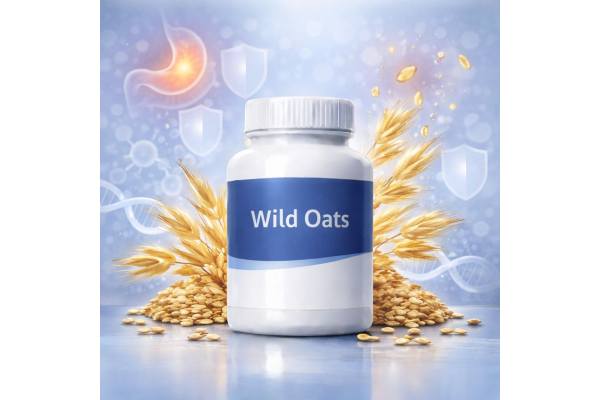
Wild oats—most often referring to supplements made from Avena sativa (especially “green oat” tops or oat straw)—sit in a useful middle ground between food-based wellness and targeted herbal support. People reach for them when they want steadier energy, calmer nerves, and sharper focus without a strong stimulant feel. Unlike a bowl of oats, wild oats supplements concentrate specific plant compounds and may be formulated for mood, stress resilience, mental performance, or general wellbeing.
At their best, wild oats products feel subtle: you may notice fewer “wired and tired” swings, better tolerance for demanding days, and a smoother transition into evening. At the same time, expectations matter. Evidence is stronger for cognitive performance and stress-related outcomes with certain standardized extracts than for big claims like hormone boosts.
Below is a practical guide to what wild oats is, what it can reasonably do, how to use it, and how to stay safe.
Quick Overview for Wild Oats
- Standardized green oat extracts may support attention and mental processing during demanding days.
- Some formulas may help perceived stress and sleep quality when used consistently.
- Typical supplemental range is 300–1,300 mg/day (often 800–900 mg/day for standardized extracts).
- Avoid use if you have a known oat allergy or you react strongly to gluten cross-contamination.
- Use extra caution if you take sedatives, sleep medicines, or alcohol, since combined calming effects may be too strong.
Table of Contents
- What are wild oats supplements?
- Benefits you can realistically expect
- How to use wild oats day to day
- How much wild oats should you take?
- Side effects and drug interactions
- What the research actually says
What are wild oats supplements?
“Wild oats” in supplement marketing usually points to Avena sativa, the same species used for common oats, but harvested and processed differently depending on the goal.
The most common supplement forms
- Green oat extract (milky oat tops): Made from the young flowering tops, sometimes described as “milky” when the seed is developing. This is the form most often studied for cognition, attention, and stress resilience. Many products are standardized extracts (meaning the manufacturer targets consistent levels of key plant compounds).
- Oat straw extract: Made from the dried stems and leaves. It is popular in traditional herbal use for nervous system support and may appear in “calm,” “focus,” or “sleep” blends.
- Oat beta-glucan (fiber) supplements: These are not typically marketed as “wild oats,” but they come from oats and are highly relevant to oat-based supplementation because they have stronger evidence for cholesterol and metabolic markers than many herbal-style claims.
What’s inside wild oats that might matter
Wild oats contain multiple bioactive categories:
- Polyphenols (including oat-specific compounds often discussed in research settings)
- Saponins (plant compounds that can interact with cell membranes and signaling pathways)
- Minerals and micronutrients (present in the plant, but not always at meaningful doses in extracts)
- In beta-glucan supplements: soluble fiber that forms a viscous gel in the gut
A key distinction: food vs. extract
Eating oats delivers calories, macronutrients, and fiber—excellent for general health. Extracts focus on concentrated plant chemistry. That’s why a capsule may aim at mood or focus, while a bowl of oats more directly supports cholesterol, blood sugar steadiness, and satiety.
Quality markers to look for
If a product claims cognitive or stress effects, it should ideally provide:
- A specific plant part (green tops vs. straw)
- A standardized extract (when applicable)
- A daily mg dose and suggested duration
- Third-party testing details if you are sensitive to gluten cross-contact (some oats are contaminated during processing)
Benefits you can realistically expect
Wild oats has a long history of traditional use for “tired nerves,” but modern buyers usually want clear outcomes. Here’s what is most reasonable based on how standardized green oat extracts and oat-based interventions tend to perform in humans.
1) Mental performance under pressure
Certain green oat extracts are used for attention, processing speed, and executive function—especially when people are fatigued or mentally taxed. The benefit is often described as “clearer,” not stimulating. If you are hoping for the jolt of caffeine, wild oats may feel underwhelming. If you want steadier performance, it may fit better.
2) Stress and wellbeing support
Some evidence suggests green oat extract can improve elements of perceived wellbeing during challenging behavior-change periods (for example, when people are reducing a habit and dealing with irritability and sleep disruption). In practical terms, users report:
- Less “on edge” feeling late in the day
- Fewer stress spikes from small triggers
- Easier transition into rest routines
3) Sleep quality as a secondary effect
Wild oats is not primarily a sedative herb, but when stress reactivity drops, sleep can improve. People who benefit most are often those whose sleep is disrupted by mental “revving” rather than pain or sleep apnea.
4) Cardiometabolic support (more about oats than “wild oats”)
If your goal is LDL cholesterol reduction, oat-derived beta-glucan has a clearer track record than most herbal claims. This is especially relevant if you are choosing between “wild oats extract” and “oat fiber” products. Beta-glucan is a different lane: it works through the gut and bile acid metabolism rather than direct nervous-system effects.
5) Libido and hormone claims: proceed carefully
“Wild oats for testosterone” is common online, but it is not the strongest evidence-based use. If libido changes happen, they are more plausibly driven by improved stress, sleep, and mood rather than a direct hormone boost. Treat strong hormone promises as marketing until proven otherwise.
Who tends to notice benefits
- People with demanding cognitive workloads and inconsistent sleep
- People who feel stress in the body (tension, racing thoughts)
- People who want a calmer focus without stimulants
Who may not
- People expecting dramatic, immediate changes
- People with severe anxiety, major insomnia, or depression who need medical treatment (wild oats may be supportive, not sufficient)
How to use wild oats day to day
Wild oats works best when you treat it like a routine rather than a rescue remedy. Your approach should match your goal and the specific product type.
Choose the right form for the right outcome
- For focus and mental speed: choose a standardized green oat extract (often labeled as green oat, milky oat tops, or Avena sativa herb extract). These products usually specify a dose designed to mirror research protocols.
- For gentle calming and nervous system support: oat straw extract is common, especially in blends with magnesium, L-theanine, lemon balm, or valerian.
- For cholesterol and blood sugar support: prioritize oat beta-glucan with a clearly stated grams-per-day amount, since dose matters.
Timing that makes sense
- Morning or early afternoon is a good default for cognitive goals, especially if the product feels subtly energizing.
- If your main goal is evening calm, take it with dinner or 1–2 hours before bed, but only if you have already checked that it does not make you feel mentally “awake” (people vary).
A simple 3-step way to start
- Start low for 3–4 days. Use the lower end of the label range to assess digestion and sensitivity.
- Move toward an evidence-like dose. Many standardized extracts land in the higher hundreds of milligrams per day.
- Track one outcome. Pick a single measurable target (mid-afternoon focus, perceived stress, or sleep continuity) so you can tell if it is doing anything.
What to stack and what to avoid
- Often helpful: magnesium glycinate (evening), L-theanine (daytime calm), omega-3s (general brain support)
- Use caution: strong sedatives, alcohol, or multiple calming herbs at once if you are prone to daytime sleepiness
Common user mistakes
- Changing three things at once (new supplement, new caffeine routine, new sleep schedule) and not knowing what helped
- Underdosing and calling it ineffective after two days
- Overexpecting: wild oats is typically subtle, not dramatic
How to know it is working
You may notice:
- Fewer attention slips during routine tasks
- Less “stress friction” in normal conversations
- A smoother wind-down without needing heavier sedating aids
How much wild oats should you take?
Dosage depends on the product type. “Wild oats” is not one single ingredient, so treat the label as a starting point and align your dose with what the form is intended to do.
Common supplemental ranges (adults)
- Standardized green oat extracts: often 800–900 mg/day in research-style use, with broader practical ranges around 300–1,300 mg/day depending on extract strength and study design. Some trials use single doses for acute cognitive testing; others use daily dosing for weeks.
- Oat straw extracts: commonly 300–1,000 mg/day of extract in capsules, or as a liquid extract per label directions (liquid strengths vary too much to give a single “one-size” number without a product).
- Oat beta-glucan: dose is usually measured in grams, not milligrams. Many health-claim frameworks and clinical trials cluster around 3 g/day for cholesterol support, sometimes split across meals.
How long to try it before judging
- For cognitive and attention outcomes: you may notice changes the same day with some standardized extracts, but it is still wise to assess over 7–14 days to smooth out normal day-to-day variability.
- For stress and wellbeing: plan on 4–8 weeks of consistent use, especially if your stress is tied to lifestyle strain (sleep debt, nicotine reduction, high workload).
- For cholesterol and metabolic markers (beta-glucan): most meaningful changes show up after 4–12 weeks, and consistency matters more than timing.
Dose-adjustment rules that keep you safe
- Increase only one step at a time, every 3–7 days
- If you notice headache, nausea, or unusual fatigue, reduce the dose or stop and reassess
- If your product is a blend, remember you are adjusting multiple actives, not just wild oats
A practical “sweet spot” plan
- Week 1: low-to-mid label dose
- Weeks 2–6: move toward an evidence-like dose if well tolerated
- Week 6–8: decide whether the benefit is worth continuing
When to talk to a clinician
- If you take prescription medications for anxiety, sleep, seizures, or mood
- If you are pregnant, breastfeeding, or managing a complex chronic condition
- If you are switching from sedating aids and want a safer taper plan
Side effects and drug interactions
Wild oats is generally considered well tolerated for many adults, but “natural” does not mean “risk-free.” Most issues come down to sensitivity, product quality, and stacking multiple calming agents.
Possible side effects
- Digestive upset: bloating, mild nausea, or loose stools, more likely with higher doses or when taken on an empty stomach
- Headache or lightheadedness: uncommon, but can happen when people are dehydrated, underfed, or sensitive to new botanicals
- Daytime sleepiness: more likely when combined with other calming supplements, alcohol, or sleep medicines
- Allergic reactions: itching, hives, swelling, or breathing difficulty require immediate medical care; avoid wild oats if you have a known oat allergy
Gluten cross-contamination considerations
Oats are naturally gluten-free, but contamination can occur in farming and processing. If you have celiac disease or strong gluten sensitivity, choose products that clearly address cross-contact testing, or avoid oat-based supplements unless supervised by your clinician.
Medication and supplement interactions to consider
- Sedatives and sleep medications: additive calming effects can increase grogginess or impair coordination
- Alcohol: can amplify sedation and disrupt sleep architecture, which undermines the goal
- Other calming botanicals: combining multiple “relaxation blends” can overshoot your target and leave you foggy
Who should avoid wild oats (or use only with medical guidance)
- People with oat allergy
- People with celiac disease who cannot confirm low-gluten handling and testing
- Pregnant or breastfeeding individuals (safety data for concentrated extracts is limited)
- Anyone scheduled for surgery who is taking multiple supplements and wants to minimize perioperative risks (discuss timing and discontinuation with a clinician)
Signs you should stop
- New rash, swelling, wheezing, or throat tightness
- Persistent stomach pain, vomiting, or severe diarrhea
- Noticeable mood changes you cannot explain (rare, but important to respect)
A sensible safety strategy
Treat wild oats like a trial: start low, avoid stacking too many calming agents at once, and keep a simple log of sleep, stress, and daytime energy. That turns vague “maybe” effects into clear data you can act on.
What the research actually says
Wild oats has two evidence tracks that often get mixed together: green oat extracts for brain and stress outcomes, and oat components like beta-glucan for cardiometabolic outcomes. Understanding that split helps you choose the right product and set realistic expectations.
Green oat extract: cognition and attention
Human research includes randomized, placebo-controlled designs using standardized green oat extracts. Findings tend to support:
- Acute performance effects on tasks tied to attention, processing speed, and executive control in certain settings
- A pattern where benefits show most clearly when people are challenged (fatigue, demanding tasks), rather than in relaxed baseline conditions
This supports a practical takeaway: green oat extracts may be most useful on “high load” days, or as a steady daily support during a demanding season.
Green oat extract: stress, wellbeing, and sleep quality
Some trials look beyond lab tasks and evaluate real-world wellbeing markers. These studies suggest potential improvements in perceived stress and sleep-related parameters over weeks of supplementation. However, outcomes are not uniform across all measures, and effects often depend on context (for example, when people are going through a stressful behavior change).
Oats and beta-glucan: stronger metabolic evidence
If your goal is cholesterol improvement, the evidence base for beta-glucan (measured in grams per day) is more established than the evidence base for wild oats extracts as “nervines.” Meta-analyses of randomized trials generally find meaningful reductions in total cholesterol and LDL cholesterol in relevant populations, with minimal effects on HDL or triglycerides.
What remains uncertain
- Hormone and libido claims: These are popular but not the strongest evidence-backed use. Improvements may be indirect via stress reduction, better sleep, and improved mental energy.
- Long-term cognitive protection: Short-term changes in performance do not automatically translate into long-term brain health protection. More long-duration trials are needed.
- Best extract standardization: Different products can vary widely in chemistry, so one brand’s “wild oats” may not replicate another’s results.
How to use evidence to choose a product
- If you want focus and mental performance: look for a standardized green oat extract with a dose comparable to studied ranges.
- If you want cholesterol support: choose a beta-glucan product that clearly states grams per day and commit to a consistent multi-week routine.
- If you want calm and sleep support: consider wild oats as one component of a broader plan (sleep timing, light exposure, caffeine boundaries), rather than the only lever.
References
- Effect of Avena sativa (Oats) on cognitive function: A systematic review of randomized controlled trials – PubMed 2023 (Systematic Review)
- Effects of a Green Oat Herb Extract on Cognitive Performance and Neurophysiological Activity: A Randomized Double-Blind Placebo-Controlled Study – PubMed 2021 (RCT)
- Dietary supplementation with a wild green oat extract (Avena sativa L.) to improve wellness and wellbeing during smoking reduction or cessation: a randomized double-blind controlled study – PubMed 2024 (RCT)
- The separate effects of whole oats and isolated beta-glucan on lipid profile: A systematic review and meta-analysis of randomized controlled trials – PubMed 2023 (Systematic Review and Meta-Analysis)
Disclaimer
This article is for educational purposes only and does not replace medical advice. Supplements can affect people differently based on medical history, allergies, and medications. If you are pregnant, breastfeeding, managing a chronic condition, or taking prescription drugs (especially sleep or anxiety medications), speak with a qualified clinician before using wild oats products. Stop use and seek urgent care if you develop signs of an allergic reaction such as swelling, hives, wheezing, or trouble breathing.
If you found this guide helpful, please consider sharing it on Facebook, X (formerly Twitter), or any platform you prefer, and follow us on social media. Your support helps our team continue producing clear, evidence-informed health content.