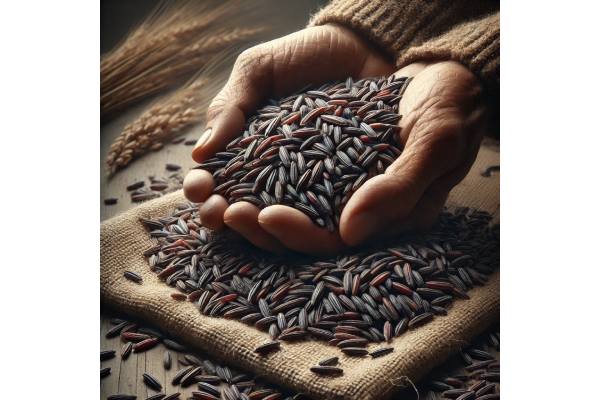
Wild rice is not a true rice—it’s the seed of aquatic grasses in the genus Zizania—but it cooks and eats like one. With a striking mahogany color and a toasted, tea-like aroma, wild rice offers more protein and fiber than most common rices and holds its shape beautifully in soups, pilafs, salads, and stuffings. A 100-gram cooked serving provides steady carbohydrates, about 4 grams of protein, modest fat, and useful minerals like magnesium and phosphorus. It’s naturally gluten-free and fits well in diverse dietary patterns, from heart-smart Mediterranean plates to fuel for active days. For everyday cooks, wild rice is forgiving: it resists mushiness, reheats well, and blends seamlessly with brown rice, quinoa, lentils, and vegetables. For shoppers, there’s a key distinction between traditionally hand-harvested “lake” wild rice and cultivated paddy wild rice; both are nutritious, but they differ in flavor, texture, and price. In this guide, you’ll learn how wild rice stacks up nutritionally, how it benefits health, what to watch for with safety, how to buy and store it well, and simple methods to cook it for consistently great results.
Fast Facts
- Cooked wild rice (100 g) has ~101 kcal, ~21 g carbohydrate, ~4 g protein, and ~1.8 g fiber; hearty texture supports satiety.
- Typical serving: ½ cup cooked (85–100 g) as a side; enjoy 3–7 times weekly within a varied whole-grain pattern.
- Safety note: as with other grains, practice good leftover hygiene—cool promptly and reheat to 74 °C/165 °F.
- Naturally gluten-free; people with celiac disease should still check labels for cross-contact or added gluten.
- Those limiting dietary potassium or on low-FODMAP elimination may need portion control or temporary avoidance.
Table of Contents
- Wild Rice: Detailed Overview
- Wild Rice Nutrition Profile (per 100 g)
- Evidence-Based Health Benefits
- Risks, Allergies and Interactions
- Selecting, Quality, Sustainability and Storage
- Preparation, Cooking and Nutrient Retention
- Portions, Comparisons and FAQs
Wild Rice: Detailed Overview
Wild rice refers to the edible seeds of aquatic grasses native to North America and parts of China, primarily Zizania palustris (northern wild rice) and Zizania aquatica (southern wild rice). In North America, it grows in shallow, slow-moving waters where long seed heads ripen at the end of summer. This grain has deep cultural roots—particularly among Ojibwe and other Indigenous peoples—where it is known as manoomin and harvested in canoes using gentle knocking sticks that let ripe grains fall while preserving future yields.
From a culinary standpoint, wild rice behaves differently from white or brown rice. The outer seed coat is robust and fibrous; as it cooks, the grain splits to reveal a tender, chewy interior. That resilience makes it an excellent candidate for soups and casseroles because it maintains its form after long simmering and reheating. Its naturally nutty, roasted flavor pairs with mushrooms, onions, squash, poultry, game, and dried fruit. In mixed-grain blends, a small proportion of wild rice (even 20–30%) can transform texture and aroma.
There are two broad supply types:
- Lake or hand-harvested wild rice: Traditionally gathered from natural stands. Grains are often longer and more variable in color, with a complex, smoky aroma from wood-parching. Usually pricier and prized for celebratory dishes.
- Paddy-grown wild rice: Cultivated in controlled fields. Grains are more uniform, cook predictably, and are widely available year-round at lower cost.
Despite the name, wild rice is gluten-free and botanically distinct from Asian rice (Oryza sativa). Nutritionally, it tends to deliver more protein and fiber per cooked serving than common white rice, along with useful minerals. Its low fat content and hearty chew make it satisfying without heaviness, while its darker pigments hint at polyphenols and other bioactives concentrated in the bran.
Environmentally, lake wild rice depends on clean water and stable wetland ecosystems. Where available, choosing producers who steward watersheds helps sustain both food traditions and habitats. Cultivated wild rice can also be a responsible choice when grown with water conservation and minimal chemical inputs.
Wild Rice Nutrition Profile (per 100 g)
Unless noted, values reflect cooked wild rice per 100 g. Percent Daily Values (%DV) use current adult DVs; composition varies with variety and processing.
Macros and Electrolytes
| Nutrient | Amount (per 100 g cooked) | %DV |
|---|---|---|
| Energy | 101 kcal | — |
| Carbohydrate | 21.3 g | 8% |
| Dietary fiber | 1.8 g | 6% |
| Total sugars | 0.7 g | — |
| Protein | 4.0 g | 8% |
| Total fat | 0.34 g | 0% |
| Saturated fat | 0.05 g | 0% |
| Sodium | 3 mg | 0% |
| Potassium | 101 mg | 2% |
Vitamins
| Vitamin | Amount | %DV |
|---|---|---|
| Thiamin (B1) | 0.05 mg | 4% |
| Niacin (B3) | 1.2 mg | 8% |
| Vitamin B6 | 0.1 mg | 6% |
| Folate (DFE) | 26 µg | 7% |
| Vitamin E (alpha-tocopherol) | 0.3 mg | 2% |
Minerals
| Mineral | Amount | %DV |
|---|---|---|
| Magnesium | 32 mg | 8% |
| Phosphorus | 82 mg | 12% |
| Zinc | 0.6 mg | 5% |
| Manganese | 0.3 mg | 13% |
| Iron | 0.6–1.0 mg | 3–6% |
| Selenium | 2–5 µg | 4–9% |
| Calcium | 5 mg | 0% |
Carbohydrates and Glycemic Metrics
- Predominantly starch with modest fiber (1.8 g/100 g).
- Typical cooked wild rice shows a medium glycemic index (often cited near the mid-50s). Intact grains and cooling/reheating can modestly lower glycemic impact via resistant starch formation.
Fats and Fatty Acids
- Very low total fat (~0.3 g/100 g). Traces of polyunsaturated fatty acids come from the germ; no cholesterol.
Protein and Amino Acids
- About 4 g protein per 100 g cooked. As with most grains, lysine is relatively limiting; combining with legumes, dairy, eggs, nuts, or seeds rounds out amino acid intake over the day.
Bioactives / Phytonutrients (qualitative)
- Dark bran contributes phenolic compounds and pigmented antioxidants, supporting the grain’s characteristic color and aroma.
- Arabinoxylans and other non-starch polysaccharides support digestive health.
Allergens & Anti-nutrients
- Gluten-free by nature (watch for added gluten in blends).
- Contains phytic acid in the bran, which can bind minerals; soaking and longer cooking help modestly.
Note on fortified blends: Some boxed “wild rice” mixes include seasonings or a blend with enriched white rice; nutrient values may differ and sodium may be high—check labels.
Evidence-Based Health Benefits
Supports heart-healthy eating patterns
Wild rice fits into whole-grain dietary patterns linked with lower cardiovascular risk when they replace refined grains. The combination of fiber, magnesium, potassium, and bran-based phenolics contributes to healthier blood lipids and vascular function over time. This benefit is a pattern effect—you’ll get the most value by making wild rice and other intact grains routine parts of meals while dialing back refined starches.
Steady energy and satiety
Cooked wild rice provides slow-release carbohydrates with chew and bulk that encourage mindful eating. The grain’s structure and fiber gently slow digestion, which can support steadier post-meal glucose compared with softer, refined rice dishes. Pairing wild rice with lean proteins (salmon, beans, chicken), healthy fats (olive oil, nuts), and vegetables further promotes satiety and balanced blood sugar.
Digestive regularity and microbiome support
Although its fiber content per 100 g cooked is modest, intact grains act like textural fiber, adding volume and water-holding capacity. Wild rice also contains fermentable components that gut microbes can use to produce short-chain fatty acids—beneficial compounds linked to gut barrier integrity and local immune function.
Nutrient density vs. refined grains
Per cooked serving, wild rice offers more protein and fiber than white rice and meaningful amounts of magnesium and phosphorus—minerals involved in energy metabolism, bone maintenance, and muscle function. Its low fat level keeps calories modest for the volume, supporting weight-conscious meal planning without sacrificing satisfaction.
Gluten-free versatility
Because wild rice is naturally gluten-free, it’s a useful starch for people who cannot eat wheat, barley, or rye. It performs well in soups and salads where gluten structure isn’t needed, and it blends seamlessly with other GF grains (buckwheat, millet, quinoa) to increase variety and texture.
Everyday practicality
Wild rice reheats well and resists overcooking, making it an excellent batch-cook candidate. A cooked tray of wild rice can anchor quick grain bowls, stuffed vegetables, hearty salads, and sides across several days—an adherence advantage that matters as much as any single nutrient.
Risks, Allergies and Interactions
Allergens and gluten
Wild rice itself is gluten-free. The main risk is from cross-contact during processing or from added ingredients in mixes (for example, seasonings containing wheat or blends with barley). For celiac disease or wheat allergy, choose certified gluten-free products and check labels carefully.
Foodborne illness considerations
Like other cooked starchy foods, wild rice can harbor bacteria if cooled slowly or held at room temperature. Cool leftovers promptly (within 1–2 hours), refrigerate in shallow containers, and reheat to at least 74 °C/165 °F before serving. Avoid leaving cooked rice dishes in the “danger zone” (5–60 °C / 41–140 °F) for prolonged periods.
Environmental contaminants
Grains can contain trace heavy metals from soil and water. Inorganic arsenic is an established concern for rice in general; authorities monitor and set limits in foods, with special attention to products for infants. To minimize exposure across the diet, vary grains (e.g., wild rice, quinoa, oats, barley, buckwheat), rinse grains before cooking, and use ample water with a drain-off method when appropriate. Wild rice is a different species from common rice; nonetheless, a strategy of grain diversity is prudent.
Digestive tolerance
Wild rice is typically well tolerated. For individuals following a low-FODMAP elimination for IBS, portion size may need adjustment during the early phase, with reintroduction guided by a clinician or dietitian. Starting with ½ cup cooked and assessing tolerance is sensible.
Medication and nutrient interactions
- Minerals: Phytate in the bran can modestly reduce mineral absorption; soaking and thorough cooking help. Pairing with vitamin C–rich foods (citrus, peppers) can enhance non-heme iron absorption.
- Warfarin: Wild rice contains very little vitamin K; maintaining consistent overall diet patterns is still advised if you take vitamin K–antagonist anticoagulants.
Who should limit or avoid?
- People on medically prescribed grain-free or very low-carbohydrate regimens.
- Those with grain allergies unrelated to gluten (rare) should evaluate individually.
- Infants and toddlers can eat appropriately textured wild rice; as with all grains, serve in small, soft pieces to prevent choking.
Selecting, Quality, Sustainability and Storage
Choosing wild rice confidently
- Know the type: Lake/hand-harvested often has longer, more slender grains with smoky notes and a premium price; paddy-grown is uniform and more affordable. Both are nutritious.
- Inspect the grain: Look for dry, glossy, intact kernels without musty odors. Color ranges from brown-black to deep mahogany; slight variation is normal.
- Check the label: “100% wild rice” means a single grain; “long-grain and wild rice” usually indicates a blend with white or brown rice plus seasonings.
- Origin and practices: Where listed, consider producers who emphasize water stewardship and responsible harvesting—especially for lake wild rice tied to sensitive wetland ecosystems.
Sustainability snapshot
- Wild rice beds are indicator species for clean water and stable shorelines. Habitat protection, invasive-species management, and responsible water-level control support long-term yields and biodiversity.
- Culinary sustainability: Buying what you’ll use and rotating stock prevents rancidity and waste. Cooking once, using many times (soups, salads, grain bowls) cuts energy and time.
Storage for freshness
- Dry grain (unopened): Cool, dark pantry up to 12 months.
- After opening: Transfer to airtight jars or bags; pantry 6–9 months, or freeze for 12+ months to preserve aroma.
- Cooked wild rice: Refrigerate within 2 hours; use within 3–4 days; freeze up to 3 months. Spread on a tray to cool quickly before portioning.
Buying tips that pay off
- If you cook often, consider buying in bulk and freezing dry grain in well-sealed containers to deter moisture and pantry pests.
- Prefer unseasoned wild rice; season it yourself to control sodium and additives.
- For budget-friendly variety, blend 1 part wild rice with 2–3 parts brown rice; you’ll still get color, aroma, and texture.
Preparation, Cooking and Nutrient Retention
Rinse and sort
Place the dry grain in a fine sieve, rinse under cool water, and pick out any debris. Rinsing removes surface starch and dust that can cloud cooking liquid.
Standard stovetop method (fluffy and separate)
- Combine 1 cup wild rice (about 170–180 g) with 3–4 cups water or stock and ½ tsp salt in a saucepan.
- Bring to a boil, then reduce to gentle simmer, partially covered, for 45–60 minutes.
- Start checking at 45 minutes: the grains should split and curl, yet stay pleasantly chewy.
- Drain any excess liquid; rest covered 5 minutes, then fluff.
Pressure cooker method (weeknight fast)
- Rinse. Combine 1 cup wild rice with 2½ cups water and salt.
- Cook 20–25 minutes on high pressure; natural release 10 minutes.
- Drain if needed; rest and fluff.
Pilaf method (toasty aroma)
- Melt a bit of butter or warm oil; toast rinsed, well-drained wild rice for 2–3 minutes until fragrant.
- Add hot stock (3–3½× liquid by volume), aromatics, and simmer 40–50 minutes until tender.
Absorption vs. pasta method
- Absorption (measured liquid) yields more flavorful grains but requires attention.
- Pasta method (boil in abundant water, then drain) offers even doneness and can modestly reduce soluble residues; season after draining.
Flavor builders and pairing ideas
- Aromatics: onion, celery, garlic, leeks, bay leaf, thyme.
- Acids: a final splash of lemon juice or sherry vinegar brightens flavor.
- Add-ins: mushrooms, dried cranberries or cherries, toasted pecans or walnuts, diced squash, roasted carrots.
- Proteins: turkey, chicken, duck, salmon, trout, or lentils.
- Herbs: parsley, dill, sage; finish with a swirl of olive oil.
Nutrient-savvy tips
- Soak 30–60 minutes to shorten simmer time and improve texture; extended soaking can modestly reduce phytate.
- Batch cook and cool quickly on a rimmed sheet; portion and refrigerate or freeze to protect quality and safety.
- Reheat with a spoon or two of water to restore steam and softness; heat thoroughly to 74 °C/165 °F.
Quick meal templates
- Wild rice mushroom pilaf: sauté mushrooms and onions, fold in cooked wild rice, thyme, and walnuts.
- Maple-roasted squash with wild rice: toss hot grains with cubes of roasted squash, pumpkin seeds, and a mustard-maple vinaigrette.
- Hearty soup booster: stir ½–1 cup cooked wild rice into chicken or vegetable soup near the end for texture without overcooking.
- Salad prep: dress warm grains with olive oil and vinegar, then add chopped herbs, celery, scallions, dried fruit, and toasted nuts.
Portions, Comparisons and FAQs
How much wild rice is a portion?
- Side dish: ½ cup cooked (about 85–100 g).
- Main-dish base or athlete portion: ¾–1 cup cooked (about 125–165 g).
Frequency depends on your overall grain pattern; many people thrive on 3–7 wild-rice servings per week alongside other whole grains.
How does wild rice compare with brown and white rice?
- Protein and fiber: Wild rice generally offers more protein and fiber per cooked serving than white rice and is similar to or slightly higher than many brown rices.
- Texture: Wild rice is firmer and chewier; it stays intact in soups and reheats well.
- Flavor: Toasty, tea-like, and slightly sweet; a little goes a long way in blends.
- Gluten: All are gluten-free by nature, but wild rice is botanically different from the rice plant used for white and brown rice.
Is wild rice good for blood sugar management?
Its intact grain structure and fiber help moderate post-meal glucose compared with some refined rice dishes. Glycemic responses vary with preparation; al dente cooking, cooling, and pairing with protein/fat can further dampen spikes.
Is arsenic a concern with wild rice?
Inorganic arsenic is monitored in foods, especially rice products. The best approach is grain diversity (rotate wild rice with oats, quinoa, barley, buckwheat), rinse before cooking, and when suitable, cook in ample water and drain. This broad strategy helps lower potential exposure and adds nutritional variety.
Can I serve wild rice to children?
Yes—after they’re ready for textured foods and common allergens are introduced per pediatric guidance. Start with softer grains and small portions; mix with mashed vegetables or broth for easier chewing.
Any reasons to avoid wild rice?
Most people can include it freely. Those on prescribed low-carb, grain-free, or early low-FODMAP plans may need limits. As always, tailor intake to your health goals and guidance from your clinician.
Budget and convenience tip
Cook extra and freeze flat in resealable bags; it thaws quickly and turns a weeknight sauté or soup into a complete, fiber-rich meal in minutes.
References
- Food Search | USDA FoodData Central — 2025.
- Consumption of whole grains and refined grains and associated risk of cardiovascular disease events and all-cause mortality: a systematic review and dose-response meta-analysis of prospective cohort studies — 2023 (Systematic Review).
- Arsenic in Food — 2024 (Guidance).
- Is Rice Gluten-Free? — 2025 (Patient Education).
- How do I reheat leftovers safely? — 2024 (Food Safety Guidance).
Disclaimer
This article provides general nutrition and food-safety information for educational purposes and is not a substitute for personalized medical advice, diagnosis, or treatment. If you have celiac disease, a grain allergy, diabetes, kidney disease, IBS, are pregnant, or manage other medical conditions, consult a qualified healthcare professional or dietitian before making dietary changes.
If you found this guide helpful, please consider sharing it with friends or on platforms like Facebook or X. Your support helps us continue creating practical, evidence-informed nutrition resources.