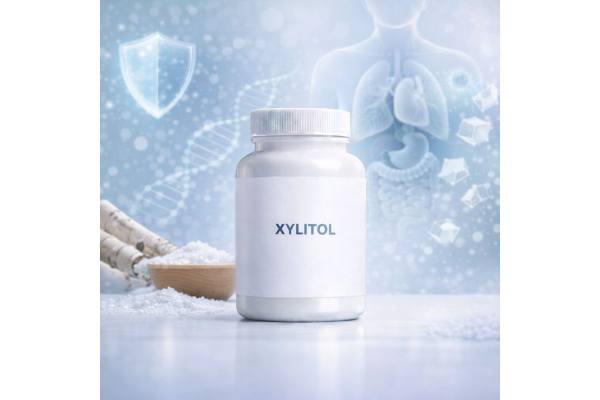
Xylitol sits in a rare sweet spot: it tastes like table sugar, yet it behaves very differently in your mouth and in your metabolism. This naturally occurring sugar alcohol (polyol) is used in sugar-free gum, mints, oral-care products, and “no added sugar” foods because oral bacteria can’t easily use it to make the acids that drive tooth decay. For many people, it also offers a practical way to reduce added sugar while keeping foods pleasant to eat.
Still, “natural” does not automatically mean “effortless.” Xylitol can trigger digestive upset when you take too much too quickly, and it is extremely dangerous for dogs. Newer research has also raised questions about cardiovascular safety at higher exposures, making smart, moderate use more important than ever. This guide explains what xylitol does, how to use it well, and how to choose a dose that fits your goals and tolerance.
Core Points for Smart Xylitol Use
- Regular xylitol gum or mints can support cavity prevention when used consistently across the day.
- Start low and increase slowly; digestive upset becomes more likely as single doses approach 20–35 g.
- A practical oral-health range is about 5–10 g per day in divided portions.
- Avoid xylitol if you have severe IBS-D or follow a strict low-FODMAP plan unless a clinician advises otherwise.
- Keep all xylitol products away from dogs; even small amounts can be an emergency.
Table of Contents
- What is xylitol, exactly?
- What benefits are most realistic?
- How do you use xylitol day to day?
- How much xylitol per day is typical?
- What side effects and interactions matter?
- What does the evidence say overall?
What is xylitol, exactly?
Xylitol is a sugar alcohol (also called a polyol), a type of carbohydrate that is sweet like sugar but absorbed differently. It occurs naturally in small amounts in some fruits and vegetables, and commercial xylitol is typically made from plant materials such as corn cobs or birch. In foods and supplements, you’ll usually see it as white crystals or powder, or incorporated into gum, mints, chewable tablets, syrups, toothpaste, mouth rinses, and sometimes nasal sprays.
Why it behaves differently from sugar
Ordinary table sugar (sucrose) dissolves quickly and is readily fermented by many oral bacteria. That fermentation creates acids that lower mouth pH and can weaken enamel. Xylitol tastes sweet but is poorly fermented by key cavity-associated bacteria. Two useful consequences follow: less acid production after exposure, and a shift toward a mouth environment that is less friendly to acid-loving microbes.
In the gut, xylitol is only partially absorbed in the small intestine. The unabsorbed portion draws water into the intestinal tract and can be fermented by gut bacteria. That’s why xylitol can cause bloating or diarrhea at higher doses, especially when taken in a large single serving.
How it compares to other sweeteners
If you’re choosing among sugar substitutes, it helps to know the tradeoffs:
- Xylitol vs. erythritol: Erythritol is often better tolerated for digestion in many people, but it does not have the same depth of evidence for cavity-related benefits as xylitol gum and mints.
- Xylitol vs. sorbitol or maltitol: Sorbitol and maltitol are also polyols and can still be fermented to some degree by oral bacteria; they may be more likely than xylitol to contribute to tooth decay when used frequently.
- Xylitol vs. non-nutritive sweeteners: Options like sucralose, aspartame, or stevia provide sweetness with very little energy, but they do not offer the same direct “bacteria-can’t-use-it” advantage that makes xylitol especially attractive for oral health routines.
If you think of xylitol as “a tool,” it’s best understood as a targeted tool: strongest for mouth-related goals, useful (but not magical) for reducing added sugar, and limited by tolerance and safety considerations.
What benefits are most realistic?
Xylitol’s reputation comes mainly from oral health, and that’s where the most dependable benefits sit. While it appears in many product types, the consistent, repeat exposures you get from chewing gum or slowly dissolving mints are a key part of why it can work.
1) Supporting cavity prevention
A practical way to understand xylitol is that it reduces “fuel” for certain acid-producing bacteria. When these bacteria can’t easily ferment a sweetener, they produce less acid, and tooth enamel spends more time in a safer pH zone. Over weeks and months, that can contribute to fewer new cavities, especially in people with moderate to high caries risk.
Consistency matters more than hero doses. Smaller amounts taken multiple times daily appear more meaningful than a large single serving once in a while. That’s why many dental routines focus on several exposures per day.
2) Reducing plaque buildup and supporting gum health
Plaque is a sticky biofilm, not just “food debris.” Xylitol gum has been associated with reduced plaque accumulation in multiple clinical studies, and that can indirectly support gum comfort and cleaner-feeling teeth. Chewing itself also increases saliva, which helps rinse the mouth and buffers acids.
For gum health, xylitol is not a replacement for brushing and flossing, but it can be a reasonable add-on—especially after meals when brushing isn’t possible.
3) Helping with dry mouth routines
Dry mouth (xerostomia) increases cavity risk because saliva is protective. Sugar-free gum or lozenges can stimulate saliva, and xylitol is often chosen because it does not add a decay-driving sugar load. People who take drying medications, breathe through their mouth at night, or have frequent thirst may find xylitol products more pleasant than plain gum base.
4) Possible ear and nasal benefits: promising but specialized
Some research has explored xylitol in nasal sprays or syrups for reducing episodes of acute otitis media in children. The idea is that xylitol may reduce bacterial adhesion in the upper airway. Results across studies are mixed, and these approaches are best viewed as clinician-guided, not a DIY substitute for standard care.
Overall, xylitol shines most as a practical, repeatable oral-health habit—especially in gum or mint form—rather than as a broad “whole-body” supplement.
How do you use xylitol day to day?
Most people don’t “take” xylitol like a capsule. They use it as an ingredient or as part of a routine—often for dental goals. The best approach depends on what you’re trying to accomplish.
For oral health: build repeat exposures
If your goal is fewer cavities or less plaque, focus on frequency:
- Choose a xylitol-forward product (gum or mints where xylitol is a main sweetener, not a tiny add-on).
- Use it after eating when acids and fermentable carbs are most likely to be present.
- Aim for 3–5 exposures per day, spaced out (after meals and snacks).
- Let it last long enough to coat the mouth—chew gum or slowly dissolve a mint rather than swallowing quickly.
- Pair with basics: fluoride toothpaste, daily flossing, and regular dental care.
For sugar reduction: swap strategically
If you’re using xylitol to cut added sugar, the most effective swaps are the ones you repeat daily:
- Replace sugar in coffee or tea with a small amount of xylitol if you tolerate it.
- Use xylitol in homemade sauces or yogurt toppings where you control the dose.
- Choose sugar-free gum or mints instead of candy.
Be cautious with baking. Xylitol looks like sugar, but it behaves differently in recipes and can cause a strong cooling sensation. Also, baked goods can concentrate large amounts into a single serving—an easy path to digestive discomfort.
Safety habits that matter
- Start low and increase slowly. Tolerance often improves when you spread doses across the day and avoid large single servings.
- Avoid “bolus dosing.” A big glass of a xylitol-sweetened drink taken quickly is more likely to cause diarrhea than the same amount divided.
- Keep it away from dogs—always. Store gum, mints, powders, and baked goods securely. Treat dog exposure as urgent.
- Use extra care with kids. Children may be more sensitive to GI effects, and they can accidentally overconsume sweet-tasting products.
Used thoughtfully, xylitol can fit into everyday life as a small, repeatable habit—especially when you choose forms that naturally limit dose size and encourage slow exposure.
How much xylitol per day is typical?
There is no single “perfect” xylitol dose for everyone because tolerance varies. A useful approach is to choose a goal (oral health vs. sugar replacement), then find the smallest amount that reliably supports that goal without causing side effects.
A practical oral-health range
For cavity-prevention routines, many protocols land around 5–10 g per day, usually divided into 3–5 exposures. Think of this less like a supplement dose and more like a “daily pattern.” For example:
- 1 piece of xylitol gum after breakfast
- 1 after lunch
- 1 after dinner
- Optional mint after a snack
The key is repeated, small exposures that fit naturally around meals.
How to find your tolerance ceiling
Digestive symptoms are the main limiting factor. People often notice bloating, cramping, or loose stools when they take too much too quickly. Risk rises when:
- You take large single servings (for example, a drink sweetened with a big dose).
- You increase intake rapidly, rather than stepping up over days.
- You have IBS, a sensitive gut, or you are following a low-FODMAP plan.
A sensible ramp-up for many adults is:
- Days 1–3: 2–3 g/day divided (one small exposure).
- Days 4–7: 4–6 g/day divided (two to three exposures).
- Week 2+: Adjust toward 5–10 g/day if you are using it primarily for teeth.
If you’re using xylitol mainly as a sweetener in foods, the “right” amount is the one you tolerate—often lower than people expect once they stop adding sugar elsewhere.
Examples of real-world dosing
- Gum or mints: Often the easiest way to stay in a moderate range because each piece typically contains a modest amount.
- Powder in drinks: Highest risk for overdoing it, because it’s easy to add a large spoonful and drink it fast.
- Baking: Can concentrate a high dose into one serving—especially risky if you eat multiple servings.
If you have diabetes, xylitol generally causes a smaller rise in blood glucose than sugar, but that does not make it “free.” Portion size still matters, and digestive tolerance may matter even more.
What side effects and interactions matter?
Xylitol is widely used, but “widely used” is not the same as “side-effect free.” Most issues come down to dose size, speed of intake, and individual sensitivity.
Common side effects: gastrointestinal discomfort
The most common downsides are:
- Gas and bloating
- Abdominal cramping
- Loose stools or diarrhea
- Increased bowel sounds
These effects happen because unabsorbed xylitol pulls water into the intestine and can be fermented by gut bacteria. Large single servings are the biggest trigger. People who rarely consume polyols may react to amounts that others tolerate.
Practical ways to reduce risk:
- Split intake into smaller doses across the day.
- Avoid sweetening beverages with a large dose and drinking quickly.
- If symptoms appear, reduce the dose for a week before trying again.
Important warning: xylitol and dogs
Xylitol can cause a dangerous insulin surge in dogs, leading to severe hypoglycemia and sometimes liver injury. This is one of the most important safety messages in any xylitol guide: treat dog exposure as an emergency, and prevent it by storing products securely.
Cardiovascular caution: an emerging concern
Newer research has reported an association between higher circulating xylitol levels and increased risk of major cardiovascular events, along with mechanistic findings suggesting increased platelet reactivity after a substantial xylitol exposure. This does not prove that typical xylitol use causes heart attacks or strokes, but it does shift the “common sense” approach toward moderation—especially for people with existing cardiovascular disease, clotting disorders, or those taking antiplatelet or anticoagulant medications.
A conservative approach is to avoid high-dose xylitol products and to keep intake in modest, oral-health-focused ranges unless your clinician advises otherwise.
Who should avoid or get medical guidance first
Consider avoiding xylitol or using it only with clinician guidance if you:
- Have IBS-D, significant bloating, or are on a strict low-FODMAP plan
- Have a history of sugar alcohol intolerance
- Have significant cardiovascular disease or a known clotting disorder
- Are using anticoagulant or antiplatelet therapy and are considering high-dose intake
- Are giving xylitol products to a young child or using specialized forms (like nasal sprays)
For most people, careful dosing and product choice solve the majority of problems—while keeping the benefits intact.
What does the evidence say overall?
Xylitol has a stronger evidence base for oral health than for most other “supplement-like” claims. That makes it unusual: it’s less about a trendy metabolic hack and more about a measurable, local effect in the mouth.
Where evidence is strongest
- Caries prevention (especially gum): Multiple clinical studies and systematic reviews support a caries-reducing effect when xylitol gum is used daily, particularly in people with moderate-to-high baseline cavity risk. The pattern that shows up repeatedly is that consistent use matters, and gum tends to outperform “sweets” because gum encourages slow exposure and saliva flow.
- Plaque reduction: Systematic reviews focusing on plaque outcomes generally find that xylitol gum can reduce plaque accumulation compared with controls, with more variable results for candies or mixed products.
- Meal-related physiology: Human studies suggest xylitol can influence gut hormones and gastric emptying, and it typically has a smaller glucose and insulin impact than sugar—though not always zero.
Where evidence is mixed or limited
- Ear infections and nasal use: Some studies suggest benefit for reducing episodes of acute otitis media in children, but results are inconsistent and protocols differ (product form, dosing schedule, duration). This is a “possibly helpful” area rather than a universal recommendation.
- Weight management: Xylitol can reduce sugar intake by substitution, which may indirectly help energy intake, but it is not a guaranteed weight-loss aid. It still contains calories, and GI side effects can backfire if they disrupt eating patterns.
How to interpret newer cardiovascular findings
The most responsible takeaway is not panic—it’s precision. The newer data raise credible questions about high exposures and cardiovascular risk signals, especially in at-risk populations. At the same time, many people use xylitol in small amounts through gum, toothpaste, or occasional sweetening without obvious issues. Until the research is clearer, it is reasonable to:
- Prefer low-to-moderate doses,
- Avoid large single servings, and
- Use xylitol primarily for oral-health routines where benefits are best supported.
In short: xylitol can be a high-value tool when you treat it like a routine ingredient with boundaries, not like an unlimited “healthy sugar.”
References
- Xylitol is prothrombotic and associated with cardiovascular risk 2024 (RCT and Cohort Analysis)
- Do chewing gums and sweets containing xylitol prevent caries in children? 2024 (Systematic Review)
- Effects of xylitol chewing gum and candies on the accumulation of dental plaque: a systematic review 2022 (Systematic Review)
- Policy on Use of Xylitol in Pediatric Dentistry 2024 (Guideline)
- Effect of the Natural Sweetener Xylitol on Gut Hormone Secretion and Gastric Emptying in Humans: A Pilot Dose-Ranging Study 2021 (RCT)
Disclaimer
This article is for educational purposes only and does not replace medical or dental advice. Xylitol may not be appropriate for everyone, especially people with gastrointestinal conditions, cardiovascular disease, clotting disorders, or those using anticoagulant or antiplatelet medications. Children should use xylitol products only under adult supervision. Keep all xylitol-containing products away from dogs, as ingestion can be life-threatening. If you are pregnant, breastfeeding, managing diabetes, or taking prescription medications, consult a qualified clinician before making significant changes to your diet or supplement routine.
If you found this guide helpful, please consider sharing it on Facebook, X (formerly Twitter), or any platform you prefer, and follow us on social media. Your support through sharing helps our team continue producing high-quality, evidence-informed content.