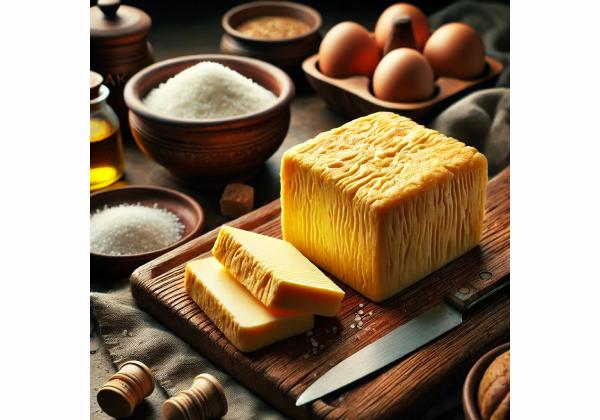
Yak butter is a traditional dairy fat churned from the rich cream of yak milk, long valued across the Himalayan and Qinghai–Tibet Plateau for energy-dense calories, shelf-stable cooking fat, and a distinctive, savory aroma. Compared with standard cow’s-milk butter, yak butter typically tastes fuller and slightly gamier, with more short-chain fatty acids that lift buttery notes in tea, breads, and pan sauces. It behaves like regular butter in the pan—melting, foaming, and browning predictably—yet it is often firmer when chilled and more aromatic when warm. Nutritionally, yak butter concentrates fat (mostly saturated and monounsaturated), traces of fat-soluble vitamins, and minimal lactose, making small amounts flavorful but calorie-dense. It’s still a milk product, so it’s unsafe for milk allergies and should be pasteurized for vulnerable groups. This guide translates heritage use into modern kitchens: how to buy and store quality yak butter, the most reliable ways to cook with it, portion strategies that balance pleasure and health, and evidence-based context for saturated fat while celebrating a food that has nourished high-altitude communities for centuries.
Quick Overview
- Intensely buttery flavor; small amounts (5–10 g) can finish vegetables, grains, or tea.
- Per 100 g: ~717 kcal, ~81 g fat; notable vitamin A and modest vitamin E.
- Typical serving: 1 tablespoon (14 g), enjoyed a few times per week within saturated fat limits.
- Choose pasteurized yak butter; avoid unpasteurized versions during pregnancy or if immunocompromised.
- Not suitable for milk allergy; lactose-intolerant individuals often tolerate small amounts but should test cautiously.
Table of Contents
- Yak Butter Detailed Overview
- Yak Butter Nutrition Profile
- Yak Butter Evidence-Based Health Benefits
- Yak Butter Risks, Allergies and Interactions
- Selecting, Quality, Sustainability and Storage
- Preparation, Cooking and Nutrient Retention
- Portions, Comparisons and FAQs
Yak Butter Detailed Overview
What it is and how it’s made. Yak butter is churned from cream skimmed off yak milk. The cream may be fresh, lightly cultured, or fermented depending on local practice; it’s then churned to break the emulsion, separating butterfat from buttermilk. The resulting butter is washed, worked, and sometimes salted. In many plateau communities, a portion of the butter is further rendered into yak ghee for longer keeping and higher-heat cooking.
Why it tastes different. Yak milk contains a distinctive fatty-acid pattern shaped by alpine foraging—more short-chain and branched-chain fatty acids alongside oleic acid. These compounds intensify buttery, nutty, and faintly animal notes that come through even at small finishing doses. When warmed, yak butter releases a heady aroma that makes “butter tea” (tea churned with yak butter and salt) rich and satisfying in cold weather.
How it performs in cooking. It melts and browns like cow butter because the core structure—milkfat plus a little water and milk solids—is similar. Those milk solids toast into brown-butter aromas (beurre noisette). For high-heat searing or deep roasting, clarify yak butter into yak ghee by removing milk solids; clarified fat tolerates higher temperatures with less smoke and scorched flavor.
Flavor and texture clues. High-quality yak butter is firm yet pliable from the fridge, with a clean, buttery aroma. Color varies with forage, often deeper yellow during pasture seasons. Fresh yak butter tastes sweet with subtle tang if cultured; aged butter (or poorly handled butter) can skew cheesy or rancid.
Culinary roles at a glance.
- Finisher: A teaspoon whisked into lentils, mushrooms, or greens elevates flavor without heavy portions.
- Sauce mount: Cold cubes stabilize pan sauces; off-heat whisking yields a glossy emulsion.
- Baking: Functions like standard butter in laminated doughs, cookies, and crusts, though you may adjust hydration slightly (see Section 6).
- Beverages: Traditional butter tea or modern riffed lattes lean on its savory depth.
Who might consider it. Cooks seeking maximum butter impact from minimum quantity, bakers curious about terroir in butter, and enthusiasts of traditional foods. Health-focused eaters can enjoy small amounts within a broader pattern rich in unsaturated fats.
Yak Butter Nutrition Profile
Values below are typical per 100 g for unsalted yak butter; real products vary by season, feed, culture/fermentation, and water content. % Daily Value (%DV) uses common adult reference DVs.
Macros & Electrolytes (per 100 g)
| Nutrient | Amount | %DV |
|---|---|---|
| Energy | 717 kcal | — |
| Water | ~16 g | — |
| Total Fat | ~81.1 g | 104% (DV 78 g) |
| Saturated Fat | ~51.0 g | 255% (DV 20 g) |
| Monounsaturated Fat | ~21.0 g | — |
| Polyunsaturated Fat | ~3.0 g | — |
| Cholesterol | ~215 mg | 72% (DV 300 mg) |
| Sodium (unsalted) | ~11 mg | 0% (DV 2300 mg) |
| Potassium | ~24 mg | 1% (DV 4700 mg) |
Carbohydrates (per 100 g)
| Nutrient | Amount | %DV |
|---|---|---|
| Total Carbohydrate | 0.1 g | 0% |
| Total Sugars | 0.1 g | — |
| Lactose (typical) | ~0.7 g | — |
| Dietary Fiber | 0 g | 0% |
Protein & Amino Acids (per 100 g)
| Nutrient | Amount | %DV |
|---|---|---|
| Protein | ~0.9 g | — |
Vitamins (per 100 g)
| Nutrient | Amount | %DV |
|---|---|---|
| Vitamin A (RAE) | ~684 µg | 76% (DV 900 µg) |
| Vitamin E (alpha-tocopherol) | ~2.3 mg | 15% (DV 15 mg) |
| Vitamin K (phylloquinone; variable) | ~7 µg | 6% (DV 120 µg) |
Minerals (per 100 g)
| Nutrient | Amount | %DV |
|---|---|---|
| Calcium | ~24 mg | 2% |
| Phosphorus | ~24 mg | 2% |
| Magnesium | ~2 mg | 0% |
| Zinc | ~0.1 mg | 1% |
Fats & Fatty Acids – Notable Points
- Short-chain fatty acids (e.g., butyric acid) and branched-chain fatty acids contribute to aroma and may differ from cow butter due to alpine forage.
- Oleic acid (a monounsaturated fat) is the dominant MUFA.
- Natural conjugated linoleic acid (CLA) and vaccenic acid appear in small amounts and vary with season and altitude.
Allergens & Intolerance Markers
- Contains milk proteins in trace amounts; unsafe for milk allergy.
- Lactose is low compared with milk; many lactose-intolerant individuals tolerate culinary amounts, but sensitivity is individual.
Contaminants/Residues
- The chief concern is pathogens from unpasteurized dairy during production or handling. Commercial, pasteurized yak butter minimizes this risk; street or artisanal sources may vary.
Glycemic & Acid–Base Metrics
- Glycemic load: negligible.
- Acid–base: neutral; overall diet pattern matters more than any single fat.
Notes: Salted products raise sodium; cultured/fermented butter can change acidity and flavor. Fortification of butter with vitamins is uncommon; check labels if declared.
Yak Butter Evidence-Based Health Benefits
1) Flavor leverage allows smaller, satisfying portions. Because yak butter is assertively aromatic, cooks often need less to achieve the same sensory impact. Shifting from 1 tablespoon to 2 teaspoons in finishing applications trims ~34 kcal and ~2.3 g saturated fat from a dish—without giving up the butter experience. That “small-dose” strategy improves overall fat quality when you pair meals with olive oil, canola, nuts, or fish the rest of the day.
2) Predictable cooking behavior in classic techniques. Yak butter browns, emulsifies, and bastes like standard butter. Those milk solids (trace proteins and sugars) toast into nutty flavors for vegetables, mushrooms, and pasta and help pan sauces emulsify for a silky finish. Clarifying into yak ghee raises heat tolerance and keeps flavors cleaner during searing and roasting.
3) Fat-soluble flavor and micronutrient delivery. Yak butter’s fat phase dissolves and disperses fat-soluble aromas from herbs and spices, coating vegetables and grains evenly. It also contains vitamin A and vitamin E in modest amounts. While butter isn’t a major vitamin source compared with produce or nuts, small contributions add up across meals—especially when you finish plant-forward dishes with a measured knob.
4) Distinct fatty-acid pattern shaped by altitude and forage. Alpine foraging can shift the balance of saturated and unsaturated fats and increase certain branched-chain and short-chain fatty acids. In culinary practice, that can mean a rounder, more persistent butter note; in nutrition terms, it’s a reminder that food matrix and dietary pattern matter more than a single ingredient.
5) Cultural and practical advantages at altitude. Yak butter and its rendered forms store well in cool, dry environments and supply concentrated calories in climates where produce is seasonal and fuel for cooking is scarce. In modern kitchens, that translates to a pantry fat with excellent keeping quality when wrapped and frozen, and a unique way to explore culinary terroir.
What this means for your plate. Enjoy yak butter intentionally: use its bold flavor to finish dishes rather than build them on large amounts of solid fat. Let unsaturated oils do the heavy lifting for everyday cooking, and deploy a teaspoon or two of yak butter where aroma and mouthfeel matter most.
Yak Butter Risks, Allergies and Interactions
Milk allergy vs. lactose intolerance. Yak butter contains trace milk proteins and is not safe for people with IgE-mediated milk allergy—even small exposures can trigger reactions. Butter is naturally low in lactose compared with milk, so many with lactose intolerance tolerate small amounts, especially ½–1 teaspoon portions used to finish food. Tolerance is individual; if sensitive, test cautiously or prefer yak ghee, which typically contains even less residual lactose and protein.
Saturated fat context. Yak butter is high in saturated fat—about 7 g per tablespoon (14 g). Many dietary guidelines advise limiting saturated fat as a percentage of daily energy. A pragmatic approach is to budget saturated fat across your day: if your target is ≤20 g/day, a single tablespoon uses roughly one-third of that. Balance the rest of your meals toward unsaturated fats from olive oil, nuts, seeds, and fish.
Pasteurization and foodborne illness. Unpasteurized dairy can harbor pathogens that cause serious illness, particularly Listeria. Choose pasteurized yak butter from reputable producers, and be extra cautious if you are pregnant, older than 65, undergoing chemotherapy, or otherwise immunocompromised.
Sodium and additives. Salted yak butter can contribute notable sodium. If you watch blood pressure or prefer precise seasoning, buy unsalted and add salt separately. Flavored or cultured versions are fine for most people; always scan labels for added ingredients if you manage allergies.
Medication and diet patterns. Butter does not directly interact with medicines. If you’re on lipid-lowering therapy or following a clinician-directed low-saturated-fat plan, work with your provider to fit small portions into personalized goals.
Storage hygiene. Keep butter refrigerated for daily use, and limit counter service to 2–4 hours for quality and safety. Use clean utensils; rewrap tightly to prevent cross-contamination and oxidation. For long storage, freeze airtight portions (see Section 5).
Bottom line. Yak butter is a high-quality culinary fat best enjoyed in small, strategic amounts, with special care for pasteurization and allergen status and with your overall saturated-to-unsaturated fat balance in mind.
Selecting, Quality, Sustainability and Storage
How to choose.
- Pasteurization: Prefer pasteurized yak butter for safety and consistent flavor. If buying from small producers or markets, ask about heat treatment and handling.
- Salted vs. unsalted: Unsalted offers fresher dairy notes and better control of seasoning in recipes. Salted is convenient for table use and can taste more robust on bread or potatoes.
- Cultured or fermented: Labels may mention “cultured” or list starter cultures. Expect tangier flavor and slightly different water/milk-solid balance, which can be lovely in sauces and spreads.
- Packaging: Choose opaque, airtight wraps or tubs that protect against light and oxygen. Foil-wrapped blocks are reliable; avoid packages with visible condensation or torn seals.
Quality cues.
- Aroma: Clean, buttery, with nutty sweetness; no harsh sourness or metallic “painty” notes.
- Color: Natural variability is normal; pasture-rich seasons often yield deeper yellow butter.
- Texture: Smooth and cohesive when cool; not greasy or crumbly.
Sustainability considerations.
- Yak dairying is tightly linked to high-altitude pastoral systems. Buying from producers investing in pasture stewardship, animal welfare, and community livelihoods supports resilient landscapes.
- Consider distance and shelf life: yak butter travels; minimize waste by buying sizes you’ll finish and freezing the rest.
- Packaging footprint matters: aim for larger formats if you bake or cook often; split into recipe portions at home to reduce oxygen exposure each time you open a package.
Smart storage.
- Refrigeration (1–5 °C): Keep the main supply wrapped airtight. For spreadability, portion a small amount into a covered dish and refresh it every few days.
- Freezer (–18 °C): Portion into 56–113 g blocks, double-wrap, and label. Expect peak flavor for 6–9 months.
- Oxidation control: After cutting, press parchment against the fresh face and rewrap to slow staling and flavor pickup.
Recognizing spoilage.
- Off smells (soapy, cheesy, or metallic), translucent/yellowed edges, or mold indicate discard time. If a butter dish has sat out in heat for hours, retire that portion.
Kitchen organization tip. Keep two labeled blocks: “cooking” (for sautés and browning) and “finishing” (kept tightly wrapped for fresh aroma on vegetables, grains, and toast).
Preparation, Cooking and Nutrient Retention
Brown-butter control. For toasted, nutty notes, cook yak butter over medium-low heat, swirling until milk solids turn hazelnut-brown and smell nutty. Pull the pan from heat just as color deepens; residual heat carries it to perfect brown. Pour off immediately to stop cooking.
Clarifying for high heat. For searing or roasting at high temperatures, clarify yak butter: melt gently, skim foam, let milk solids settle, then pour off the clear fat. Clarified yak butter (yak ghee) resists scorching and keeps flavors clean on fish, potatoes, and flatbreads.
Emulsions and sauces. To mount a pan sauce, kill the flame and whisk in cold butter cubes. The temperature drop helps the emulsion form and stay glossy. Season with acid (lemon, vinegar) and salt at the end to avoid breaking.
Baking with yak butter.
- Cookies: If dough spreads more than expected (some batches hold slightly more moisture), chill longer, or increase flour 5–10 g per 100 g flour.
- Pastry and pie crust: Work cold; aim for pea-sized butter pieces for flake. If butter softens quickly, reduce added water by 5–10 mL per 250 g flour.
- Cakes: Creaming performance is similar to cow butter. If the batter seems looser, chill briefly before baking to control structure.
Compound butters for precision. Mash softened yak butter with herbs, citrus zest, spices, or garlic, then roll into a log and chill. Slice 5–10 g coins to finish grilled meats, roasted vegetables, or steamed grains—delivering precise flavor and portion control.
Tea and beverages. For a modern homage to butter tea, blend a small pat of yak butter into hot black tea with a pinch of salt until frothy. Start modestly (3–5 g butter per 250 mL tea) and adjust to taste.
Nutrient retention. Fat-soluble vitamins A and E tolerate brief sautés and finishing steps well. If preserving micronutrients is a priority, add butter at the end, off heat, to glaze vegetables and grains.
Salting strategy. Prefer unsalted for cooking and season dishes independently. If you only have salted yak butter, reduce added salt by ⅛–¼ teaspoon per 113 g butter called for in a recipe, then fine-tune at the table.
Food service safety. For bread service, limit room-temperature exposure to 2–4 hours; rewrap and refrigerate promptly. In warm rooms, swap small crocks more frequently.
Portions, Comparisons and FAQs
A practical portion. For most adults, a serving of yak butter is 1 tablespoon (14 g): ~102 kcal, ~11 g total fat, ~7 g saturated fat. Many dishes need just 2 teaspoons (9–10 g) for a satisfying finish. Use smaller coins (5–7 g) for vegetables and grains when balancing daily saturated fat.
How often can I enjoy it? As a finisher a few times per week fits many patterns that emphasize unsaturated fats day to day. If you love butter daily, keep portions teaspoon-level and let olive oil or other unsaturated oils do most cooking work.
Yak butter vs. cow butter.
- Flavor: Yak butter is typically more robust and aromatic; some describe a faintly gamy undertone.
- Function: Performs like cow butter; minor moisture differences can affect spread and pastry but are manageable with chilling and small hydration tweaks.
- Nutrition: Similar macros and fat-soluble vitamins by weight; differences arise in specific fatty acids due to alpine forage.
Yak butter vs. yak ghee.
- Yak ghee is clarified butter—very low in lactose and milk proteins, higher smoke handling, and more shelf-stable. It lacks the browning solids, so it’s great for high-heat cooking; add a small pat of whole butter at the end if you want toasted notes.
Is yak butter suitable for lactose intolerance? Often yes at small culinary doses, because butter contains little lactose. Sensitivity varies—test with ½ teaspoon and scale slowly. Choose yak ghee if you’re highly sensitive.
What about cholesterol and heart health? Butter contains cholesterol and is high in saturated fat, which can raise LDL-cholesterol in many people. The most practical approach is to limit saturated fat, replace some with unsaturated fats, and use yak butter in small portions primarily for flavor.
Can I use it on the counter? Butter softens nicely at room temperature; for quality and safety, limit a dish on the table to 2–4 hours, then refrigerate. For breakfast, bring a small portion out 30–60 minutes beforehand.
Tips to get started.
- Whisk 5 g into hot lentils with lemon and herbs.
- Melt 7 g over roasted carrots and toasted cumin.
- Stir 5–10 g into hot tea with a pinch of salt for a comforting sip.
Key takeaway. Treat yak butter like a spice—a small, strategic addition that transforms a dish—while keeping your overall fat pattern mostly unsaturated.
References
- Saturated Fatty Acid and Trans-Fatty Acid Intake for Adults and Children: WHO Guideline 2023 (Guideline)
- How Listeria Spread: Soft Cheeses and Raw Milk | Listeria Infection | CDC 2025 (Safety Advisory)
- Characterization of lipid composition and nutritional quality of yak ghee at different altitudes: A quantitative lipidomic analysis 2024 (Study)
- Yak milk and its health benefits: a comprehensive review 2023 (Systematic Review)
- The lactose and galactose content of milk fats and suitability for galactosaemia 2015 (Study)
Disclaimer
This guide is educational and not a substitute for professional medical advice, diagnosis, or treatment. Nutrition needs and health risks vary by individual. If you have a milk allergy, lactose intolerance, high LDL-cholesterol, cardiovascular disease, are pregnant, or are immunocompromised, discuss yak butter intake and food-safety precautions with your qualified healthcare professional.
If you found this article helpful, please consider sharing it with friends or on Facebook, X (formerly Twitter), or any platform you prefer. Your support helps us continue creating practical, evidence-informed resources.