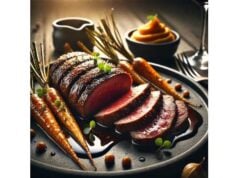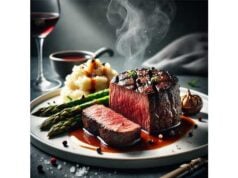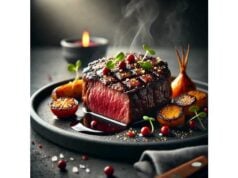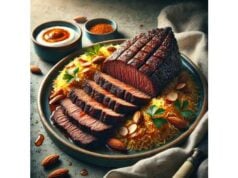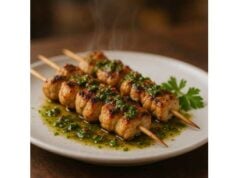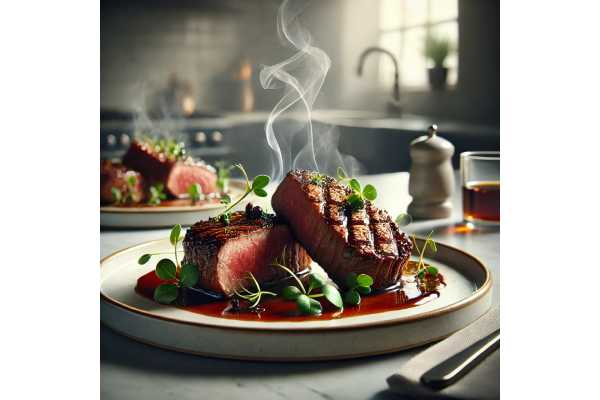
Yak meat is a distinctive red meat raised on high-altitude rangelands across Central Asia and the Himalayas. Prized for its clean, subtly sweet flavor and natural leanness, it offers an appealing alternative to beef and bison. Because yaks thrive on sparse native forage and cold climates, their muscle tends to be dense with protein and relatively low in total fat. Cooks value yak for quick weeknight meals—stir-fries, skillet steaks, ground yak burgers—and for slow, comforting dishes like braises and stews. Nutritionally, it supplies highly bioavailable iron and zinc for oxygen transport and immunity, plus a full complement of essential amino acids for muscle maintenance. Compared with many conventional red meats, yak meat typically contains less intramuscular fat and a more favorable balance of unsaturated fatty acids. This guide focuses only on yak meat—cuts, nutrition, benefits, safety, and cooking—so if you also use yak milk, butter, or cheese, you can cover those in your separate dairy section.
At a Glance: Yak Meat
- Naturally lean red meat with about 21–23 g protein per 100 g and meaningful iron and zinc.
- Lower intramuscular fat than typical beef; unsaturated fats predominate in many herds.
- Food safety: cook whole cuts to 63 °C (145 °F) with a 3-minute rest; ground yak to 71 °C (160 °F).
- Typical serving: 85–120 g (3–4 oz) cooked, enjoyed 2–3 times weekly within an overall varied diet.
- Limit or avoid: anyone with alpha-gal syndrome (tick-induced mammalian-meat allergy) or medically advised low-purine diets.
Table of Contents
- Yak Meat: Detailed Overview
- Yak Meat Nutrition Profile
- Evidence-Based Health Benefits
- Risks, Allergies and Interactions
- Selecting, Quality, Sustainability and Storage
- Preparation, Cooking and Nutrient Retention
- Portions, Comparisons and FAQs
Yak Meat: Detailed Overview
Yak meat comes from Bos grunniens, a cold-adapted bovine domesticated across Tibet, Nepal, Bhutan, Mongolia, and adjacent highlands. Centuries of herding on alpine pastures have shaped a meat that is characteristically lean, tight-grained, and richly colored. Flavor notes are often described as “clean” and “slightly sweet,” with a gentle minerality and less overt beefiness than grain-finished cattle. Because animals are typically pasture-raised and move constantly in tough terrain, muscle fibers are robust, water-holding capacity can be high, and collagen crosslinking may be greater in forequarter cuts—factors that nudge cooks toward either quick hot sears for tender primals or low-and-slow methods for working muscles.
Cut structure is familiar to beef eaters: loin (tenderloin, strip, rib eye), round (top/bottom round), chuck (blade, shoulder clod), brisket, shank, and plate/flank. Carcass size is smaller than commercial beef; therefore steaks are often a bit smaller and roasts leaner. Ground yak is increasingly popular because its low fat percentage cooks cleanly and accepts spice blends beautifully without grease overload.
From a culinary standpoint, lean yak rewards attentive heat management. High-heat searing to medium-rare (with a proper rest) preserves tenderness in steaks; braising or pressure-cooking melts connective tissue in brisket and shank; and brief stir-frying across the grain keeps thin slices succulent. The meat’s mildness plays well with aromatics—ginger, garlic, cumin, Sichuan pepper, wild thyme, juniper—and with bright acidic partners such as tomato, wine, yogurt-free marinades featuring citrus or vinegar, and fermented condiments like soy sauce or gochujang (in small amounts to avoid over-salting).
Sourcing ranges from small U.S. and European ranches to imports from Central Asia. Many herds are forage-finished, and some farms promote regenerative grazing and low-intervention husbandry. For buyers, that often translates to a shorter list of additives (none in fresh meat) and a distinct terroir: altitude, botanical diversity of pastures, and seasonal changes can subtly shift flavor and fat composition. If you are writing for an audience that cooks across cultures, emphasize the meat’s versatility—yak adapts wherever beef, bison, or venison would appear, with minor timing adjustments based on leanness.
Yak Meat Nutrition Profile
Serving basis: values per 100 g raw lean yak meat. Actual values vary with breed, age, cut, feed, and season. %DV uses adult DVs (U.S.) where applicable.
Macros & Electrolytes (per 100 g)
| Nutrient | Amount | %DV |
|---|---|---|
| Energy | 96 kcal | — |
| Protein | 21.6 g | 43% |
| Total Fat | 1.0 g | 1% |
| Saturated Fat | 0.4 g | 2% |
| Monounsaturated Fat | 0.3 g | — |
| Polyunsaturated Fat | 0.16 g | — |
| Cholesterol | 60 mg | 20% |
| Sodium | 80 mg | 3% |
| Potassium | 338 mg | 7% |
| Water | ~76 g | — |
Fats & Fatty Acids
| Component | Amount (per 100 g) | Notes |
|---|---|---|
| Omega-3 fatty acids (ALA, EPA, DHA, total) | ~0.1–0.2 g | Pasture finishing generally raises omega-3 compared with high-grain feeding. |
| Omega-6 fatty acids (LA, AA, total) | ~0.2–0.3 g | Balance varies with pasture composition and season. |
| Trans-ruminant fatty acids (vaccenic, CLA) | present (small) | Naturally occurring in ruminants; amounts depend on forage. |
Protein & Amino Acids
| Metric | Typical Value |
|---|---|
| Complete protein | Yes (all essential amino acids) |
| Leucine (per 100 g, raw) | ~1.7–2.0 g |
| Lysine (per 100 g, raw) | ~1.8–2.0 g |
| Digestibility | High (similar to lean beef/bison) |
Vitamins & Minerals (selected)
| Nutrient | Amount (per 100 g) | %DV |
|---|---|---|
| Iron | 2.3 mg | 13% |
| Zinc | 3.3 mg | 30% |
| Phosphorus | ~180–200 mg | 15% |
| Niacin (Vitamin B3) | ~4–6 mg | 25–38% |
| Vitamin B6 | ~0.3 mg | 18% |
| Vitamin B12 | ~1.0–1.5 µg | 42–63% |
Contaminants/Residues
- Fresh yak meat contains no additives or fortification.
- Residues are generally low in forage-finished systems; as with all meats, proper withdrawal times and inspection protocols limit antibiotic residues in regulated markets.
- Wild-harvested or imported products should come from inspected facilities.
Note: Ranges reflect pasture-based variability; use producer-provided nutrition panels when precision is required.
Evidence-Based Health Benefits
High-quality protein for muscle and recovery. Yak meat delivers roughly 21–23 g protein per 100 g raw weight, with all essential amino acids. That supports muscle protein synthesis, satiety, and repair after activity. Because the meat is lean, you can meet protein goals without a large intake of saturated fat—useful for weight-management and heart-conscious meal planning.
More iron and zinc than many white meats. Heme iron in red meat is efficiently absorbed, aiding oxygen transport and energy metabolism. Yak’s iron content sits in the same neighborhood as lean beef, and its zinc content—important for immune function and wound healing—is typically robust for the portion size. For individuals who eat little meat overall, one 100–120 g cooked serving can meaningfully contribute to daily iron and zinc targets.
Favorable fat profile in pasture systems. Forage-finished yak often shows a higher proportion of unsaturated fatty acids, including modest amounts of omega-3s, compared with grain-finished beef. Naturally occurring ruminant trans fats such as vaccenic acid and conjugated linoleic acid (CLA) appear in small amounts; their overall cardiometabolic impact depends on the whole diet, but in lean cuts the absolute intake is low.
Glycemic neutrality and meal construction. Yak meat is essentially carbohydrate-free. Paired with fiber-rich vegetables and whole grains, it forms balanced meals that help steady post-meal blood glucose. For athletes, combining yak with starchy sides refuels glycogen while supplying amino acids for repair.
Culinary benefits that encourage healthy patterns. Clean flavor and quick-cooking leanness fit well with vegetable-forward stir-fries, soups, and grills where most of the plate is produce. The meat’s tenderness when not overcooked makes small portions satisfying, reducing the impulse to overserve.
When yak may be a strategic swap. If you enjoy red meat but want to cut saturated fat, swapping a typical 80/20 ground beef patty for lean ground yak can trim fat grams while keeping flavor and texture—provided you add moisture (onion, grated zucchini, or a splash of broth) and avoid overcooking.
Risks, Allergies and Interactions
Foodborne illness risk if undercooked. As with any red meat, raw or undercooked yak can harbor harmful bacteria. Follow safe internal temperatures: steaks/roasts/chops to 63 °C (145 °F) with a 3-minute rest; ground yak to 71 °C (160 °F). Use a thermometer, avoid cross-contamination, and refrigerate promptly.
Alpha-gal syndrome (AGS). People sensitized by certain tick bites can develop an allergy to a carbohydrate (alpha-gal) present in mammalian meat. If you have AGS—or suspect delayed reactions (hives, GI upset, anaphylaxis) several hours after red-meat meals—seek evaluation and avoid yak meat unless cleared by an allergist.
Gout and purine management. Red meats contain purines that metabolize to uric acid. Those with gout or hyperuricemia may be advised to limit total red-meat intake. If included, choose smaller portions (85 g cooked), build the plate with vegetables and whole grains, and keep overall saturated fat low.
Medication and condition considerations.
- Iron overload (hemochromatosis): monitor cumulative heme iron from meats.
- Chronic kidney disease: moderate total protein as advised.
- Sodium-restricted diets: fresh yak is naturally low in sodium; watch added salt, rubs, and sauces.
Handling hazards. Defrost in the refrigerator, never on the counter. Keep raw juices away from ready-to-eat foods. Freeze promptly if not cooking within 1–2 days. Discard meat left in the danger zone (between 4 °C and 60 °C / 40 °F and 140 °F) for 2+ hours.
Selecting, Quality, Sustainability and Storage
How to choose. Look for firm, fine-grained muscle with a deep cherry-red color (not brown or gray). Because yak is lean, you’ll see modest marbling; small, pearl-like flecks are typical. Moist but not wet surfaces and a clean, neutral smell signal freshness. Vacuum-sealed, frozen steaks should be ice-crystal-free with no tears in packaging.
Labels and sourcing. Seek producers that specify pasture-raised or forage-finished and provide harvest dates. If buying imported meat, prefer inspected facilities that trace carcasses to herds. For ground yak, ask for fat percentage (e.g., 90–95% lean) and whether trim is single-animal or batch-blended.
Sustainability notes. Yaks are mountain specialists: thick coats and efficient metabolism allow grazing of cold, sparse pasture with minimal external inputs. In many systems, they co-evolve with native grasslands and can be rotated to protect fragile soils. Transport and freezing add to the footprint in export markets, so local purchasing where available can reduce food miles. As always, sustainability depends on husbandry, stocking density, and land stewardship rather than species alone.
Storage and shelf life.
- Refrigerate steaks/roasts at ≤4 °C (≤40 °F) and cook within 3–5 days; ground yak within 1–2 days.
- Freeze well-wrapped portions at −18 °C (0 °F) for 6–12 months (quality); safety is indefinite if continuously frozen.
- Thaw in the refrigerator (12–24 hours for steaks; longer for roasts) or in cold water (sealed bag, change water every 30 minutes).
- Leftovers keep 3–4 days refrigerated; reheat to steaming hot.
Smart buying tip. Because lean yak can cook quickly to dryness, consider cuts with natural moisture (flat iron, chuck eye, tri-tip) for grilling, and reserve very lean rounds for slicing thin, marinating, or braising.
Preparation, Cooking and Nutrient Retention
Right-size the heat. Yak’s leanness makes temperature control the difference between juicy and dry. For steaks, sear over high heat to build browning, then finish gently (lower heat or oven) to 63 °C (145 °F) and rest 3 minutes. For ground yak, cook to 71 °C (160 °F). A thin-probe thermometer is essential.
Moisture strategies without dairy.
- Marinate briefly (30–90 minutes) with salt (0.5–1.0% by meat weight), oil, and acids (citrus, vinegar, tamarind). Salt enhances water retention; acids tenderize the surface.
- Add umami to ground yak—miso, soy sauce, tomato paste, anchovy paste, mushroom powder—to boost savoriness without extra fat.
- Use aromatic fat sparingly: schmaltz, olive oil, or tallow brushed on steaks before searing improves crust without masking flavor.
Cut-specific methods.
- Tender cuts (tenderloin, strip, rib eye): hot-and-fast to medium-rare; butter-baste optional near the end.
- Flavorful, moderately tough cuts (flat iron, skirt, flank): marinate, sear, slice thin across the grain.
- Braising cuts (brisket, chuck, shank): low and slow (93–149 °C / 200–300 °F) with aromatic liquids for 2–4 hours until fork-tender. Pressure cookers can cut time by half.
Retaining nutrients.
- Avoid overcooking to preserve B vitamins.
- Collect pan juices for sauces to reclaim minerals and amino acids that leach during cooking.
- Trim only after cooking when possible; fat carries flavor and protects the surface, even in small amounts.
- Rest cooked meat to allow juices to redistribute, improving texture and reducing drip losses.
Seasoning matrix (quick guide).
- Himalayan/Tibetan: cumin, coriander, ginger, garlic, dried chili, Sichuan pepper; pair with scallions and hand-pulled noodles or rice.
- Europe/Mediterranean: rosemary, thyme, black pepper, juniper, red wine, tomato, olives.
- Americas: ancho, chipotle, oregano, lime, piloncillo or maple for a hint of sweetness.
Ground yak burger formula (succulent and safe).
- 450 g ground yak (90–95% lean)
- 6–8 g fine salt, 1 g black pepper
- 30 g very finely chopped onion (or 20 g grated zucchini) for moisture
- Optional: 10 g soy sauce or 5 g fish sauce for umami
Mix gently, form 2 cm patties, chill, then sear or grill to 71 °C (160 °F).
Portions, Comparisons and FAQs
Recommended portion and frequency. A practical portion is 85–120 g (3–4 oz) cooked—about a deck of cards to a smartphone in footprint. Within a varied diet emphasizing vegetables, whole grains, legumes, and fruits, many people enjoy red meat 2–3 times per week; tailor frequency to your health goals and clinician guidance.
How does yak compare to other red meats?
- Versus beef: typically leaner with similar iron and zinc; flavor is cleaner and a touch sweeter. Cooking is more sensitive to overdone because of lower marbling.
- Versus bison: similar leanness; yak can be slightly milder in flavor.
- Versus venison: both are lean; venison is often more mineral-forward (“gamey”). Yak is friendlier to quick sears without strong marinades.
- Versus lamb/mutton: yak lacks lanolin notes; spice differently (juniper, citrus, cumin) to highlight its subtlety.
Is yak meat “gamey”? Usually not. Pasture composition can shift taste slightly, but most consumers describe it as clean. If sensitive to minerality, marinate briefly with citrus and herbs and avoid overcooking.
Best cuts for beginners? Flat iron, rib eye (if available), sirloin, tri-tip, and ground yak are forgiving. Rounds and shanks shine in braises, soups, and pressure-cooker recipes.
Can I dry-age yak? Yes—short dry-aging (7–14 days under controlled conditions) concentrates flavor and improves tenderness. For home cooks, buy professionally aged cuts rather than attempting DIY unless you have proper refrigeration and airflow control.
Any special tools? A fast, accurate thermometer; a heavy skillet or grill; and if you braise often, a Dutch oven or pressure cooker. For slicing thin across the grain, a sharp chef’s knife or slicer improves tenderness perception.
Budget and availability tips. Because carcasses are smaller and supply is niche, per-kilo prices can exceed beef. Value cuts (sirloin cap, chuck eye, bavette) deliver steak-like satisfaction at lower cost.
References
- Insights into the merits and market potential of yak meat — 2023 (Review)
- Transcriptomics and metabolomics insights into the seasonal dynamics of meat quality in yak on the Qinghai-Tibetan Plateau — 2024
- Cook to a Safe Minimum Internal Temperature — 2024 (Guideline)
- About Alpha-gal Syndrome — 2025 (Guideline)
Disclaimer
This article is for general information about yak meat and is not a substitute for personalized medical advice, diagnosis, or treatment. Nutrition needs and health risks vary by individual. Always follow local food-safety guidance and consult a qualified healthcare professional or registered dietitian about dietary choices that fit your medical history, medications, and goals. If you have a suspected food allergy or alpha-gal syndrome, seek medical evaluation before consuming mammalian meat.
If you found this guide useful, please consider sharing it with others on Facebook, X (formerly Twitter), or any platform you prefer. Your support helps us continue creating clear, trustworthy resources.