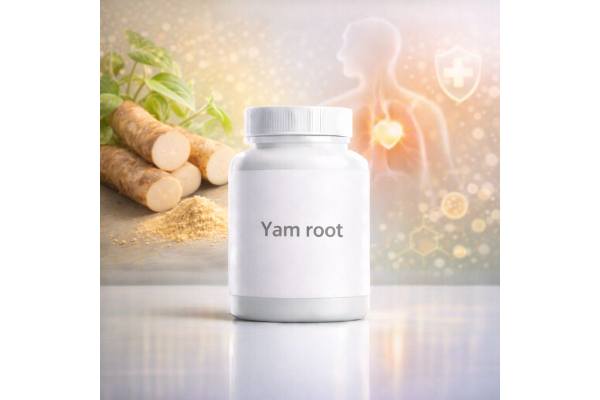
Yam root is a starchy tuber eaten across Africa, Asia, the Caribbean, and the Americas—and it is also a frequent source of confusion in supermarkets and supplement aisles. True yams come from the Dioscorea genus, while many “yams” sold in North America are actually orange-fleshed sweet potatoes. That distinction matters because true yams differ in fiber, resistant starch, and naturally occurring plant compounds that influence digestion, fullness, and blood sugar response.
Most people look to yam root for steady energy, gut-friendly carbohydrates, and practical support for weight and metabolic goals when it replaces refined starches. Others search for “wild yam” for hormone balance, even though the evidence there is more mixed and product quality varies widely. This guide separates food facts from marketing, shows how to prepare yam safely and enjoyably, outlines sensible daily amounts, and explains side effects and who should avoid yam or certain yam supplements.
Essential Insights for Yam Root
- Replacing refined starches with cooked yam can support steadier energy and healthier post-meal glucose patterns for many people.
- Resistant starch may improve fullness and bowel regularity, especially when yam is cooked and cooled.
- A practical food range is 100–300 g/day cooked yam (about 1–2 cups), adjusted to goals and calories.
- Some yams can irritate the mouth or throat when undercooked; always cook thoroughly and stop if burning or itching occurs.
- Avoid high-dose “wild yam” supplements if you are pregnant, breastfeeding, have hormone-sensitive conditions, or take anticoagulants, unless your clinician advises otherwise.
Table of Contents
- What is yam root and what counts as a yam?
- Top health benefits people seek
- How to prepare yam for nutrition and safety
- How much yam root per day?
- Side effects, interactions, and who should avoid
- What the science supports and where it is thin
What is yam root and what counts as a yam?
“Yam” is both a real botanical category and a label that gets stretched in everyday language. True yams are tubers from the Dioscorea genus. They can be white, yellow, purple, or mottled; their flesh is usually denser and drier than sweet potato, with a more neutral, earthy flavor once cooked. In many regions, yam is a staple food—closer to rice or cassava in how it’s used than to a “superfood” trend.
In some countries (especially the United States and Canada), orange-fleshed sweet potatoes are often sold as “yams.” Sweet potatoes belong to a completely different plant family (Ipomoea batatas). Nutritionally, sweet potatoes are typically higher in beta-carotene and often taste sweeter; true yams tend to have a more starch-forward profile. If your goal is to follow a recipe, manage blood sugar, or compare fiber and resistant starch effects, it helps to know which one you’re actually eating.
Yams also show up in two very different contexts:
- Food yams (common culinary varieties): eaten boiled, steamed, roasted, pounded, or grated into batters and dumplings.
- “Wild yam” supplements (often Dioscorea villosa): sold for “hormone balance,” menopause comfort, or joint support, usually as capsules, tinctures, or creams.
These should not be treated as interchangeable. A plate of cooked yam is primarily a whole-food carbohydrate with fiber, resistant starch, potassium, and small amounts of polyphenols. A supplement may concentrate different compounds, may not match the species you assume, and can carry different safety considerations.
A practical way to use this guide is to decide which “yam” you mean:
- If you mean the food, focus on preparation, portions, and how it fits your energy needs.
- If you mean wild yam supplements, focus on dosage standardization, realistic expectations, and interactions.
Once you separate the categories, yam becomes much easier to evaluate: it is a versatile staple with meaningful nutrition advantages, and it is also a supplement ingredient that deserves more scrutiny than the label often provides.
Top health benefits people seek
Yam root’s best advantages come from its role as a high-quality carbohydrate that can replace refined starches while adding fiber-like effects. Most benefits show up when yam becomes a consistent swap—several times per week—not a one-time “health meal.”
1) Steadier energy and improved meal satisfaction
Cooked yam digests more slowly than many ultra-refined starches. That can translate into steadier energy between meals and less “crash-and-crave” cycling, especially when you pair yam with protein and vegetables. The texture also matters: denser, less-processed foods usually require more chewing and lead to slower eating, which can support satiety.
2) Gut comfort and bowel regularity (in the right person)
Yam contains dietary fiber and starch that can behave like fiber after cooking. Some of that starch can become resistant starch, meaning it resists digestion in the small intestine and reaches the colon, where microbes ferment it. Fermentation can support stool consistency and a more comfortable rhythm for many people, though it can also cause gas if your gut is sensitive or your portion is suddenly large.
3) Better post-meal glucose response when used as a replacement
For people watching blood sugar, the key benefit is often substitution. When yam replaces refined grains, sugary breakfast foods, or large servings of white bread, the overall glycemic load of the meal can drop. Cooling cooked yam (then reheating if you prefer) may increase resistant starch, which can further blunt the spike for some individuals.
4) A practical “weight-friendly” starch
Yam is not a weight-loss supplement, but it can support weight management indirectly:
- It is filling for its calorie load when prepared simply.
- It pairs well with high-protein meals without needing heavy sauces.
- It can reduce reliance on snack foods if it helps you feel satisfied at meals.
5) Micronutrient support and food variety
Many yams provide potassium and small amounts of vitamin C and B vitamins, with purple varieties also contributing more colorful plant compounds. The bigger advantage is dietary diversity: rotating yam with other staples (potatoes, rice, oats, legumes) reduces the “same-food fatigue” that can derail consistent eating.
A realistic summary: yam supports health best as a whole-food staple upgrade—a better base carbohydrate that can nudge digestion, satiety, and metabolic stability in the right direction, especially when it replaces refined starches rather than adding extra calories.
How to prepare yam for nutrition and safety
Preparation matters for yam more than many people expect—not just for taste and texture, but for comfort and safety. Some yams contain naturally occurring compounds that can irritate the mouth or throat if the yam is undercooked, and raw yam is generally not recommended.
Step 1: Choose, store, and peel well
- Pick firm yams with intact skin and minimal bruising.
- Store in a cool, dry place with airflow; avoid sealing in plastic where moisture can build.
- Peel thick-skinned varieties with a sturdy peeler or knife. If your skin is sensitive, consider gloves—some people find the peel irritating.
Step 2: Cook thoroughly (this is not optional)
Reliable methods include:
- Boiling or steaming: cubed yam cooks evenly and is easy to portion.
- Roasting: produces a drier, more concentrated flavor; use minimal oil if calories are a concern.
- Pressure cooking: fast, consistent, and helpful for dense varieties.
If you notice mouth tingling, throat scratchiness, or burning after eating yam, treat it as a signal to cook longer, switch varieties, or stop eating that batch.
Step 3: Use “cook and cool” for resistant starch
If your goal is better glucose response or gut support, the simplest strategy is:
- Cook yam, cool it in the refrigerator, then reheat gently later.
This cooling step can increase resistant starch in many starchy foods. You do not need to eat it cold—just cooling before reheating can be enough to change how it behaves.
Step 4: Pair yam to improve meal balance
A yam-centered plate works best with:
- A palm-sized portion of protein (fish, eggs, poultry, tofu, beans).
- Non-starchy vegetables for volume and micronutrients.
- A modest amount of fat (olive oil, avocado, nuts) for flavor and satiety.
How yam compares to common alternatives in practice
- Versus white bread or refined pasta: yam usually improves fullness per serving.
- Versus white rice: yam often adds more texture, which helps portion control.
- Versus potatoes: yam can be similarly useful; your best choice depends on preference, preparation, and portion size.
If you use yam as a staple, keep the preparation simple most of the time. Heavy sugar glazes and deep frying can erase many advantages. Think of yam as a sturdy base that earns its place through consistency, not perfection.
How much yam root per day?
There is no universal “correct” dose for a food, but there is a sensible range that fits most goals. Your best portion depends on calorie needs, activity level, blood sugar goals, and how yam affects your appetite.
A practical daily range (cooked yam)
- 100–200 g/day (about 1 cup): a conservative portion that fits many weight and blood sugar goals.
- 200–300 g/day (about 1–2 cups): common for active people or those using yam as a main starch.
- 300–450 g/day (about 2–3 cups): can work for high-calorie needs, but may be too much for some blood sugar or weight goals.
If you are new to yam or increasing intake, start at the lower end for a few days. A sudden jump can cause digestive discomfort in some people, especially if the rest of your diet is low in fiber.
How often to eat yam
- For general health: 2–5 servings per week is a realistic, sustainable rhythm.
- For targeted substitution (reducing refined starch): aim for one consistent swap per day (for example, yam instead of white bread at lunch).
Timing and meal context
- If yam makes you sleepy or heavy, shift it toward lunch instead of dinner.
- If you train or walk a lot, yam can be a strong pre- or post-activity carbohydrate because it is easy to digest once cooked well.
- If you monitor glucose, test yam in your most predictable meal and keep other variables stable (protein and fat portions) so you can see how it affects you.
What about wild yam supplements?
If you mean capsules or extracts marketed for hormonal balance, dosing varies by product and is often not standardized. A cautious, consumer-protective approach is:
- Prefer products that list a clear extract amount in mg and identify the species.
- Avoid stacking multiple hormone-leaning botanicals at once.
- If you try a supplement, use the smallest labeled dose for 1–2 weeks before increasing, and stop if you notice new headaches, breast tenderness, mood changes, or abnormal bleeding.
The simplest way to make yam work for you is to treat it like a staple with boundaries: pick a portion that fits your daily energy needs, prepare it well, and keep it consistent long enough to notice its real effect on hunger and digestion.
Side effects, interactions, and who should avoid
Most people tolerate cooked yam well, but side effects and cautions differ depending on whether you are eating yam as food or using wild yam supplements.
Food yam: common issues
- Digestive gas or bloating: more likely with large portions, rapid increases, or if you are sensitive to fermentable carbohydrates.
- Mouth or throat irritation: can occur with undercooked yam or certain varieties; treat this as a stop sign.
- Allergic reactions: uncommon, but possible with any food; watch for hives, swelling, or breathing issues.
Who should be cautious with food yam
- People with chronic kidney disease who must restrict potassium should treat yam as part of their total potassium plan.
- People with diabetes can include yam, but should pay attention to portion size and preparation (simple cooking, not candied).
- People with sensitive digestion should start with smaller servings and avoid pairing yam with multiple gas-producing foods in the same meal.
Wild yam supplements: additional cautions
Wild yam is frequently marketed for menopause and “progesterone support.” The main problem is not that it is always unsafe—it is that claims often outrun evidence, and product quality can vary.
Use extra caution if you:
- Are pregnant or breastfeeding.
- Have a hormone-sensitive condition (such as certain breast, uterine, or ovarian conditions) or take hormone therapies.
- Take anticoagulants or antiplatelet medications, since botanical supplements can sometimes affect bleeding risk or interact unpredictably.
- Have a history of migraine, clotting disorders, or unexplained vaginal bleeding.
Medication considerations (food and supplement)
- If you use glucose-lowering medications, the main issue with food yam is carbohydrate dose and meal composition. A consistent portion helps you predict response.
- If you are on multiple medications, supplements add complexity. A clinician or pharmacist can help you evaluate interactions more safely than trial-and-error.
When to stop immediately and seek help
- Signs of allergy (hives, swelling, wheezing, throat tightness).
- Severe abdominal pain, repeated vomiting, or diarrhea with dehydration signs.
- New abnormal bleeding, severe headaches, or rapid mood changes after starting a wild yam supplement.
A practical rule: cooked yam is usually a safe, useful starch for most people. “Wild yam” supplements are a separate category—approach them as you would any hormone-adjacent botanical: with caution, clear dosing, and a low threshold to stop if something feels off.
What the science supports and where it is thin
Yam research spans nutrition science (starch and fiber behavior), metabolic outcomes (glucose and lipids), and traditional-use claims (especially around menopause and inflammation). The evidence is promising in some areas and limited in others.
Where the evidence is most convincing (as a food)
- Glycemic and metabolic plausibility: Yam’s starch profile and the potential for resistant starch support a credible mechanism for improved post-meal glucose control when yam replaces refined carbohydrates. Systematic reviews assessing yam and extracts for glycemic outcomes note improvements across multiple models, while also emphasizing that stronger human trials are still needed.
- Inflammation and metabolic signaling (preclinical strength): Reviews of Dioscorea species highlight bioactive compounds—such as steroidal saponins, polysaccharides, and polyphenols—that show anti-inflammatory and metabolic effects in experimental settings. This supports plausibility, not certainty, for human outcomes.
Where the evidence is encouraging but limited (human data gaps)
- Menopause and hormone-related outcomes: Human studies exist, but results vary by species, form, and outcome measured. Some research on dietary yam intake in postmenopausal women suggests changes in certain hormone markers and lipids, but designs are not always large or long enough to answer real-world questions about symptom relief. If your goal is hot flash reduction or mood stabilization, yam is not as well-supported as many assume, and individual response varies.
- Pain and inflammatory symptoms: A small randomized crossover trial using a specific Dioscorea preparation in young women reported improvements in menstrual pain and related symptom scores. This is interesting, but it is not a blanket endorsement for all yam products or all pain conditions.
What to do with “wild yam” marketing claims
Many supplement claims imply that wild yam “becomes progesterone in the body.” In reality, converting plant compounds into hormones is not a simple dietary process in humans, and topical creams vary widely in what they contain. If you are considering wild yam for menopause, your safest move is to:
- Treat it as an optional, low-dose experiment rather than a guaranteed fix.
- Avoid combining it with multiple hormone-active botanicals simultaneously.
- Track a small set of outcomes (sleep quality, hot flash frequency, mood stability) for 2–4 weeks, then reassess.
A grounded conclusion
If you want the best-supported benefits, lean into yam as a whole food: consistent portions, simple cooking, and smart substitution. If you want supplement-like effects, recognize that the strongest claims are the least certain, and that quality and standardization matter as much as the ingredient itself.
References
- Could consumption of yam (Dioscorea) or its extract be beneficial in controlling glycaemia: a systematic review – PMC 2021 (Systematic Review)
- Dioscorea spp.: Bioactive Compounds and Potential for the Treatment of Inflammatory and Metabolic Diseases – PMC 2023 (Review)
- A Frontier Review of Nutraceutical Chinese Yam – PMC 2024 (Review)
- The effect of Dioscorea esculenta powder on prostaglandin E2 and cytochrome c oxidase subunit 2 levels, menstrual pain, and premenstrual syndrome in young women: A randomized double-blind controlled trial – PubMed 2024 (RCT)
- Estrogenic effect of yam ingestion in healthy postmenopausal women – PubMed 2005 (Human Intervention Study)
Disclaimer
This article is for educational purposes only and does not provide medical advice. Yam root is a food and can be part of a healthy diet, but portion size and preparation can affect blood sugar response and digestive comfort. If you have diabetes, kidney disease, gastrointestinal conditions, food allergies, or you take prescription medications, consult a qualified clinician for personalized guidance. Wild yam supplements may carry different risks than cooked yam food and should be used cautiously, especially during pregnancy or breastfeeding, with hormone-sensitive conditions, or when taking anticoagulants or hormone therapies.
If you found this guide useful, please share it on Facebook, X (formerly Twitter), or any platform you prefer, and follow us on social media. Your support through sharing helps our team continue producing high-quality health content.