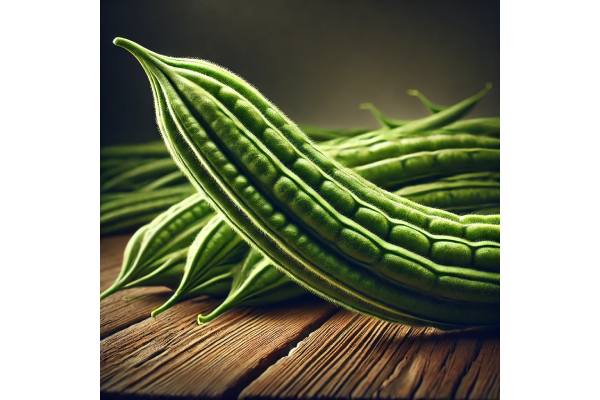
Crunchy, slender, and strikingly long, yardlong beans (also called asparagus beans or Chinese long beans) are a warm-season legume harvested for their tender pods. Despite the name, most pods measure 30–60 cm—long enough to curl into loops in a wok, quick to stir-fry, and wonderfully versatile in salads, pickles, and curries. Nutritionally, yardlong beans deliver light calories with meaningful fiber, vitamin C, and minerals such as potassium and magnesium. As a member of the cowpea group (Vigna unguiculata), they’re drought-tolerant in the field and resilient in home gardens, supporting both nutrition and sustainable agriculture. In the kitchen, they sear without going mushy, keep a pleasant snap when briefly steamed, and pair well with aromatics like garlic, ginger, and chilies. This guide walks you through what they are, how they compare with other beans and peas, the numbers behind their nutrients (per 100 g), the best ways to buy and store them, and how to cook them to preserve flavor and vitamins—plus practical safety, allergy, and interaction notes.
Quick Overview
- Light, crunchy legume with vitamin C, fiber, potassium, and magnesium per 100 g.
- Brief stir-frying or steaming limits vitamin C losses better than prolonged boiling.
- Typical serving: 1 cup sliced (90–100 g), 3–5 times per week as part of a varied diet.
- Possible legume cross-reactivity; people with known legume allergies should exercise caution.
- Individuals on very low-potassium diets or with oxalate concerns should monitor portions.
Table of Contents
- Yardlong bean detailed overview
- Yardlong bean nutrition profile
- Evidence-based health benefits
- Risks, allergies and interactions
- Selecting, quality, sustainability and storage
- Preparation, cooking and nutrient retention
- Portions, comparisons and FAQs
Yardlong bean detailed overview
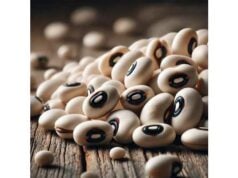
What it is: Yardlong bean is the vegetable form of cowpea (Vigna unguiculata), specifically the subspecies sesquipedalis. Unlike common green beans (Phaseolus vulgaris), yardlong beans develop on sprawling vines with dangling pods that can reach half a meter. The pods are harvested young and eaten whole, much like snap peas or French beans, but they’re botanically closer to cowpeas (black-eyed peas).
Names and forms you’ll see:
- Asparagus bean, Chinese long bean, snake bean, bodae kong (Korea), kacang panjang (Indonesia/Malaysia), thua fak yao (Thailand), sitaw (Philippines), bodi (Caribbean).
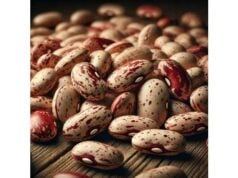
- Colors and textures: Most pods are green to light green; some varieties are purple. Seeds inside can be brown, black, or mottled, but they’re immature at harvest.
Flavor and culinary role: The taste is mildly grassy with a sweet note when fresh. The pod wall is thin yet resilient, so it stays snappy in hot pans. This makes yardlong beans ideal for:
- High-heat stir-fries with soy sauce, fish sauce, garlic, and chilies.
- Lightly steamed or blanched salads with sesame oil, lime, or mustard vinaigrette.
- Curries, stews, and coconut-based dishes where the pod keeps structure.
- Quick pickles; the long pods cut into batons pickle evenly.
Agronomy and sustainability highlights: As a legume, yardlong bean forms root nodules that fix nitrogen, reducing fertilizer needs and supporting soil health in rotations. The plant is heat-loving and relatively drought-tolerant, expanding vegetable options where summers are long and rainfall is erratic. For home gardeners, trellising is important; regular picking keeps vines productive and pods tender.
Nutrition snapshot (per 100 g raw): About 43–47 kcal, ~8.4 g carbohydrate, ~2.5–2.8 g protein, ~0.4 g fat, useful vitamin C, folate, potassium, and magnesium. The light calorie load with fiber and micronutrients makes yardlong bean a smart side for calorie-conscious meals.
Who benefits most: People aiming for more vegetables without heavy starch; cooks who prefer quick, hot preparations; gardeners in warm climates seeking a productive, trellised crop; and anyone building a more plant-forward plate.
Limitations: Like other legumes, yardlong beans contain small amounts of natural anti-nutrients (phytates, tannins, trypsin inhibitors) that are largely reduced by cooking. A small subset of people with legume allergies may react; see the safety section for details.
Yardlong bean nutrition profile
Below is a scannable profile for raw yardlong beans per 100 g. %DV values use current adult Daily Values. Numbers are rounded to typical USDA-aligned data for yardlong bean and are presented to convey order of magnitude for meal planning.
Macros & Electrolytes (per 100 g)
| Nutrient | Amount | %DV |
|---|---|---|
| Energy | 43–47 kcal | 2% |
| Water | ~80 g | — |
| Protein | 2.5–2.8 g | 5% |
| Total Carbohydrate | 8.3–8.5 g | 3% |
| Total Sugars | ~2–3 g | — |
| Dietary Fiber | ~2.5–3.0 g | 9–11% |
| Total Fat | 0.3–0.4 g | <1% |
| Saturated Fat | ~0.1 g | <1% |
| Sodium | 3–5 mg | <1% |
| Potassium | ~215–240 mg | 5% |
| Magnesium | ~40 mg | 10% |
Vitamins (per 100 g)
| Vitamin | Amount | %DV |
|---|---|---|
| Vitamin C (Ascorbic Acid) | ~18–19 mg | 20% |
| Vitamin A (RAE) | ~39–45 µg | 4–5% |
| Folate (DFE) | ~56–60 µg | 14–15% |
| Thiamin (B1) | ~0.10 mg | 8% |
| Riboflavin (B2) | ~0.10 mg | 8% |
| Niacin (B3) | ~0.37 mg | 2% |
| Vitamin B6 | ~0.02 mg | 1% |
| Vitamin K | trace–low | — |
Minerals (per 100 g)
| Mineral | Amount | %DV |
|---|---|---|
| Calcium | ~45–50 mg | 3–4% |
| Iron | ~0.4–0.5 mg | 2–3% |
| Phosphorus | ~54 mg | 4% |
| Zinc | ~0.3 mg | 3% |
| Manganese | ~0.19 mg | 8% |
| Copper | ~0.04 mg | 5% |
| Selenium | ~1–2 µg | 2–3% |
Fats & Fatty Acids (per 100 g)
| Component | Amount |
|---|---|
| Monounsaturated Fat | ~0.03 g |
| Polyunsaturated Fat (PUFA) | ~0.15 g |
| Omega-3 (ALA) | ~0.06 g |
| Omega-6 (LA) | ~0.09 g |
Protein & Amino Acids (per 100 g, approximate)
| Amino Acid (essential) | Amount |
|---|---|
| Lysine | ~0.17 g |
| Leucine | ~0.18 g |
| Isoleucine | ~0.14 g |
| Valine | ~0.15 g |
| Threonine | ~0.10 g |
| Phenylalanine | ~0.14 g |
| Tryptophan | ~0.03 g |
| Methionine | ~0.04 g |
| Histidine | ~0.08 g |
Bioactives/Phytonutrients
- Yardlong beans provide phenolic compounds (including tannins) and vitamin C, with antioxidant capacity that varies among pod and seed color lines.
- Chlorophylls and small amounts of carotenoids contribute to color and may add to antioxidant activity.
Anti-nutrients (raw, reduced by cooking)
- Phytates and tannins at low levels in immature pods; trypsin inhibitors may be present. Gentle cooking reduces these and improves protein digestibility.
Glycemic & Acid–Base Metrics
- Glycemic impact: Low to moderate per typical non-starchy vegetables.
- PRAL (potential renal acid load): Slightly negative, reflecting alkaline-forming mineral content.
Fortification & Additives
- Fresh yardlong beans are unfortified and additive-free. Canned or prepared dishes may include salt, oils, or sauces; check labels.
Contaminants/Residues
- As with other vegetables, wash to remove soil, dust, or pesticide residues; peel is not removed, so rinsing and trimming ends is recommended.
Allergens & Intolerance Markers
- Legume family proteins can trigger reactions in sensitive individuals. Cross-reactivity with other legumes is uncommon but possible; see safety notes.
How to use this table: the %DV helps you see at a glance why yardlong beans pair well with vitamin-C-sensitive meals—brief cooking retains more vitamin C—while fiber and potassium add everyday cardiometabolic value with very few calories.
Evidence-based health benefits
1) Supports nutrient density with minimal calories.
A 100 g serving offers roughly 20% of daily vitamin C alongside potassium, magnesium, and fiber for under 50 kcal. That combination suits weight-management patterns focused on volume, micronutrients, and satiety without heavy energy load.
2) Contributes to heart-smart eating patterns.
Potassium (~215–240 mg/100 g) assists in maintaining normal blood pressure when included as part of a diet rich in vegetables and fruits. Fiber (~2.5–3.0 g/100 g) supports cholesterol management by aiding bile acid binding and improving stool regularity.
3) Antioxidant potential varies by variety—and can be meaningful.
Analyses of multiple yardlong bean lines show measurable antioxidant activity and differences in vitamin C and polyphenol content by pod and seed color. Practically, that means rotating varieties (green, light green, occasionally purple types) diversifies phytochemicals.
4) Cooking methods shape nutrient delivery.
Prolonged boiling strips vitamin C and some carotenoids into the cooking water, while pressure cooking and boiling reduce anti-nutrients (phytates, tannins, trypsin inhibitors) and improve protein digestibility. Brief stir-frying or steaming strikes a balance: better vitamin C retention with palatable texture and enough heat to tame enzymes and anti-nutrients.
5) Fits plant-forward and culturally diverse cuisines.
From Southeast Asian stir-fries to West African stews and Caribbean bodi dishes, yardlong bean integrates into patterns already linked with diverse plant intake. Observational data on cowpea-based foods in West Africa suggest frequent inclusion contributes meaningfully to folate, fiber, and magnesium intakes at the population level, underscoring the crop’s public-health relevance.
6) Garden-to-table advantages.
As a nitrogen-fixing legume, yardlong bean aids soil fertility in rotations, reducing synthetic nitrogen needs. For home growers, trellised vines yield over weeks; frequent harvesting keeps pods tender and enhances household access to fresh vegetables rich in vitamin C and potassium.
Practical takeaway: Treat yardlong beans as a low-calorie, nutrient-dense “green” that tolerates high heat better than green beans, preserves crunch, and contributes vitamin C and potassium to weekday meals. Choose quick, hot methods to retain vitamins; save longer boiling for soups where you’ll consume the broth.
Risks, allergies and interactions
Allergy and cross-reactivity:
Yardlong beans belong to the legume family. Most people with a peanut allergy tolerate other legumes, but a small subset reacts to multiple legumes. If you have a known legume allergy (peanut, soy, lentil, chickpea), introduce yardlong bean cautiously under clinician guidance. Symptoms can include oral itching, hives, gastrointestinal upset, or—rarely—anaphylaxis.
Digestive tolerance:
Like other legumes, yardlong beans contain fermentable carbohydrates and fiber that can cause gas or bloating when portions jump suddenly. To improve tolerance:
- Start with ½ cup cooked portions and increase gradually.
- Cook thoroughly (brief but complete), and avoid eating large raw amounts.
- Combine with ginger, fennel, or cumin in dishes, which some people find helpful.
Oxalates and kidney stone risk:
Stone formers monitoring oxalate may wish to moderate high-volume intakes and favor preparation methods that include cooking and draining. Yardlong beans are not among the highest-oxalate vegetables, but individual plans vary.
Sodium and sauces:
Fresh beans are naturally very low in sodium, but salty condiments (soy sauce, fish sauce) can raise dish sodium substantially. Balance with acid (lime, vinegar) and herbs to keep salt moderate.
Medication and health conditions:
- ACE inhibitors or potassium-sparing diuretics: If you’ve been asked to limit potassium, account for the ~215–240 mg per 100 g.
- Anticoagulants (vitamin K): Yardlong beans are relatively low in vitamin K compared with leafy greens, but consistency in overall diet matters more than any single food.
Food safety:
Wash pods thoroughly to remove soil; trim ends before cutting. Refrigerate promptly and avoid temperature abuse after cooking to reduce microbial growth.
Pregnancy and pediatric use:
Cooked yardlong beans are generally suitable for pregnancy and for children when cut to safe sizes and cooked to a soft-crisp texture. For infants starting solids, chop finely and steam until tender.
Bottom line: For most people, yardlong beans are safe, nutritious, and easy to digest when cooked. Those with legume allergies or specific potassium or oxalate limits should individualize intake.
Selecting, quality, sustainability and storage
How to select:
- Color & sheen: Look for vivid green (or purple, depending on variety) with a natural satin sheen.
- Firmness: Pods should feel pliant but snappy when bent; avoid limp or leathery textures.
- Seeds: The beans inside should be small and barely visible; bulging seeds indicate overripeness and tougher texture.
- Length & uniformity: Typical market pods are 30–45 cm. Extremely long pods can be fibrous toward the tip.
Seasonality & sourcing:
- Peak availability in warm months. In temperate regions, find them at Asian groceries, farmers’ markets, or grow them on a trellis in full sun after frost risk has passed.
Sustainability notes:
- Nitrogen fixation: As legumes, yardlong beans can reduce fertilizer needs and support soil health in rotations with cereals.
- Water footprint: Compared to many vegetables, production can be efficient in warm climates, especially with mulching and drip irrigation.
- Biodiversity: Multiple landraces and color lines exist; buying from local growers or diverse seed suppliers supports agrobiodiversity.
Storage:
- Refrigeration: Keep unwashed pods in a breathable produce bag in the crisper. Use within 3–5 days.
- Freezing: Blanch cut pieces for 2 minutes, chill in ice water, drain well, then freeze in a single layer before bagging; best quality for 8–10 months.
- Leftovers: Cooked beans keep 3–4 days refrigerated. Reheat quickly to retain texture.
Quality troubleshooting:
- Rubbery or squeaky chew: Overmature pods or refrigerated too long. Next time, choose slimmer pods and cook within a couple of days.
- Flaccid after cooking: Overboiled. Switch to high-heat stir-fry or brief steam.
- Stringy seam: Trim ends and pull away any fibrous seam if present; many modern varieties have minimal string.
Buying tips:
- If you can only shop once weekly, buy yardlong beans early in the week and plan them for the first two to three days.
- When possible, taste a raw tip (where allowed) to check sweetness and tenderness.
Preparation, cooking and nutrient retention
Prep in three steps:
- Rinse pods under cool water; pat dry.
- Trim 0.5–1 cm from each end.
- Cut into 4–6 cm batons (for stir-frying) or 2–3 cm pieces (for curries and stews).
Best methods for flavor and vitamins:
- Stir-fry (2–4 minutes): Preheated wok or skillet with a thin film of oil. Add garlic/ginger, then beans, tossing over high heat. Finish with a splash of water or stock to steam-finish for 30 seconds. This method preserves color, crunch, and more vitamin C than prolonged boiling.
- Steam (3–5 minutes): Over simmering water until crisp-tender. Season after.
- Blanch-shock (1½–2 minutes): Drop into salted boiling water, then ice bath to fix green color. Ideal before pickling or quick sautés.
- Pressure cook (very brief): Useful in stews to soften quickly, but overcooking reduces vitamin C. Time carefully (e.g., 0–1 minute at pressure with quick release when beans are mixed into other ingredients).
Anti-nutrient reduction vs. vitamin retention:
- Boiling/pressure cooking effectively lowers phytates, tannins, and trypsin inhibitors but causes greater losses of heat-sensitive vitamins.
- Quick, hot methods (stir-fry/steam) retain more vitamin C and texture while still neutralizing enzymes that cause offflavors.
- Practical compromise: Use quick methods for side dishes and salads; reserve longer simmering for soups or curries where you consume the broth (and captured nutrients).
Flavor frameworks:
- Garlic-chili-lime: Sear in neutral oil, add crushed garlic and red chili, finish with lime and a pinch of salt.
- Sesame-soy-scallion: Stir-fry, then glaze with light soy sauce and toasted sesame oil; top with scallions and sesame seeds.
- Coconut-curry: Add to coconut milk with curry paste and fish sauce, simmer 3–4 minutes until tender-crisp.
- Black bean-ginger: Combine with fermented black beans, ginger, and a touch of sugar for a savory-umami profile.
Retention tips:
- Cut shortly before cooking to limit vitamin C oxidation.
- Avoid overcrowding pans—steam, don’t stew, when you want crunch.
- Acid (vinegar, lemon) after cooking brightens flavor and may help preserve color; add late to avoid softening.
Food safety & texture for kids:
Steam until tender and cut small for toddlers; for older kids, quick stir-fries keep interest with crunch and mild flavor.
Portions, comparisons and FAQs
Suggested serving and frequency:
- Standard serving: 1 cup sliced (about 90–100 g).
- Frequency: 3–5 servings per week fits well within vegetable goals and adds variety to legume intake without excessive fiber load in one meal.
How yardlong bean compares:
- Versus green beans: Yardlong beans are sturdier in high-heat cooking and often slightly higher in vitamin C per 100 g. Flavor is a bit earthier; texture stays more crisp after stir-frying.
- Versus snap peas: Lower in sugars and similar in calories. Snap peas are sweeter raw; yardlong beans shine cooked.
- Versus mature cowpeas (black-eyed peas): Pods (yardlong beans) are lighter in calories and starch; mature cowpeas (dried seeds) are protein- and fiber-dense with more iron and folate per cooked cup. Both have a place: pods for vegetable sides, dried peas for hearty mains.
- Versus soybeans/edamame: Far lower in protein and fat than soybeans; think of yardlong beans as a vegetable side, not a protein anchor.
Who should emphasize them:
- People seeking low-calorie, high-volume vegetables with good vitamin C and potassium.
- Cooks who prefer quick stove-top methods and crunchy textures.
- Gardeners wanting a productive trellised legume that enriches soil.
Who should limit or plan portions:
- Individuals with legume allergies (discuss with an allergist).
- Those on restricted-potassium diets—count yardlong beans toward daily totals.
- Anyone prone to gas/bloating with rapid fiber increases; scale up gradually.
FAQs
Are yardlong beans safe to eat raw?
Small tastes are fine, but a quick cook improves digestibility, flavor, and safety.
Why do mine turn limp and olive-colored?
Overcooking and prolonged contact with hot water. Switch to steaming or fast stir-frying and shock briefly if needed.
Can I pickle them?
Yes—blanch 90 seconds, chill, then pack with vinegar brine, garlic, and spices. They remain crisp for weeks refrigerated.
How do I keep their bright green color?
Cook quickly, finish with acid, and avoid iron-rich cookware that can dull color in green vegetables.
Do they count as a vegetable or protein?
As immature pods, they’re counted as a vegetable. Mature cowpeas (dried) count toward the protein subgroup in many dietary guidelines.
References
- Nutrition Facts for Yardlong bean, raw 2025.
- Nutritional Qualities, Metabolite Contents, and Antioxidant Capacities of Yardlong Beans (Vigna unguiculata subsp. sesquipedalis) of Different Pod and Seed Colors 2024 (Systematic Analysis).
- Effect of household cooking methods on nutritional and anti nutritional factors in green cowpea (Vigna unguiculata) pods 2010 (Experimental Study).
- Current Consumption of Traditional Cowpea-Based Dishes in South Benin Contributes to at Least 30% of the Recommended Intake of Dietary Fibre, Folate, and Magnesium 2023 (Population Study).
- Everything You Need to Know About Peanut Allergy 2025 (Guidance).
Disclaimer
This information is educational and is not a substitute for personalized medical advice, diagnosis, or treatment. Always consult a qualified healthcare professional about your specific health needs, allergies, and medications before making significant dietary changes. If you suspect a food allergy, seek evaluation from a board-certified allergist.
If you found this guide helpful, please consider sharing it on Facebook, X (formerly Twitter), or anywhere you connect with others. Your support helps us continue creating clear, evidence-based nutrition resources.