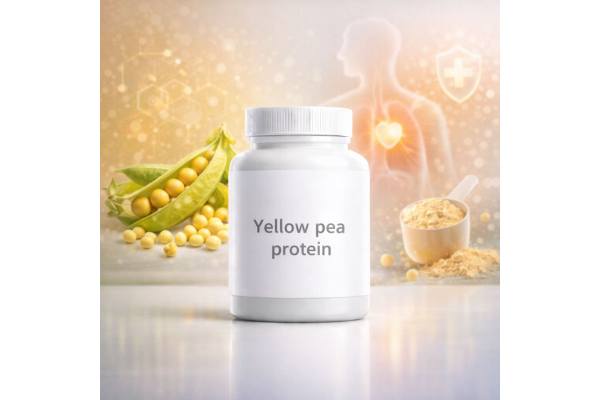
Yellow pea protein is a concentrated protein made from yellow split peas (Pisum sativum). It is popular because it blends well, suits many dairy-free diets, and can deliver a high protein dose without the lactose, cholesterol, or strong flavor that some other options carry. People most often use it to support muscle and strength training, raise daily protein intake on plant-forward diets, and make meals more filling during weight management. Its real advantage is practicality: you can add it to smoothies, oats, soups, and baking with minimal fuss, and it tends to be gentle for many—though not everyone. If you have legume allergies, sensitive digestion, or kidney disease that requires a protein limit, you should treat it like any other concentrated protein and introduce it thoughtfully. This guide explains what yellow pea protein is, how it works, how to use it day to day, and how to choose a product that fits your goals.
Quick Overview for Yellow Pea Protein
- Supports muscle and strength when paired with resistance training and adequate total calories.
- Can help meals feel more satisfying when used to raise protein per serving.
- Start low if you are prone to bloating; pea protein can trigger GI symptoms in sensitive people.
- Typical intake is 20–40 g protein per day, adjusted to body size and training load.
- Avoid if you have a confirmed pea or legume allergy or a history of severe reactions to plant proteins.
Table of Contents
- What is yellow pea protein and how is it made?
- What are the main benefits people notice?
- Is pea protein as effective as whey for muscle?
- How to use pea protein with real meals
- How much yellow pea protein per day?
- Side effects, interactions, and who should avoid
- Evidence strength and how to pick a quality product
What is yellow pea protein and how is it made?
Yellow pea protein is the extracted protein portion of yellow split peas, concentrated into a powder that is typically 70–85% protein by weight (varies by product). It is not the same thing as “pea flour.” Flour is the whole pea ground up, so it contains more starch and fiber and far less protein per scoop. With pea protein, most of the starch is removed so you can reach a meaningful protein dose without eating a large volume of peas.
You will usually see three main forms:
- Pea protein concentrate: generally less processed, often retains more non-protein components, and may have a slightly stronger “earthy” taste.
- Pea protein isolate: more refined, usually higher protein per gram, typically mixes smoother, and is common in sports powders.
- Pea protein hydrolysate (or peptides): partially “pre-digested” into smaller peptides; sometimes marketed for easier digestion or satiety, but taste can be more bitter.
The practical nutrition question is less about the label and more about what the product delivers per serving: grams of protein, the ingredient list (especially gums, sweeteners, and added fibers), and how your gut tolerates it.
Pea protein is naturally rich in several essential amino acids, but like many plant proteins it may be lower in one or more amino acids relative to some animal proteins. In real life, this is easy to solve: use a sufficient total protein dose, combine plant proteins across the day (for example, peas with grains), and prioritize overall diet quality.
Finally, “yellow pea protein” is not a stimulant, fat burner, or hormone product. Its primary value is straightforward: it helps you meet daily protein targets in a convenient, shelf-stable form.
What are the main benefits people notice?
Most benefits people report from yellow pea protein come down to two things: meeting daily protein needs more reliably and using protein strategically around training and meals. When those basics are in place, pea protein can be a high-leverage tool.
1) Easier muscle maintenance on busy schedules
Protein needs do not disappear when life gets hectic. A scoop in a smoothie or stirred into oats can add 20–30 g of protein in under a minute. That consistency matters, especially for people who skip breakfast, train after work, or struggle to eat enough protein from whole foods alone.
2) A strong option for plant-forward eating
Pea protein is naturally dairy-free and usually soy-free (check labels), making it a go-to for people who want a plant-based protein powder that is not based on soy. It is also neutral enough to fit sweet or savory recipes—helpful if you get “flavor fatigue” from heavily sweetened shakes.
3) Satiety support that feels practical, not gimmicky
Higher-protein meals tend to be more filling than low-protein meals. Pea protein makes it easier to raise protein density without adding much volume. This can support weight management by helping you feel satisfied on fewer calories—especially when you pair it with fiber and a reasonable amount of fat.
4) Flexible digestion for many, with an important caveat
Many people tolerate pea protein well, but tolerance varies. Some experience bloating or discomfort, often due to added fibers, sugar alcohols, or simply a sudden jump in protein intake. The benefit here is optionality: you can choose a simpler ingredient list or adjust serving size.
5) Useful for specific populations
- Older adults: may benefit from more consistent protein distribution across meals.
- Athletes: can use it as one part of a larger fueling plan.
- People reducing dairy: can maintain protein intake without relying on whey.
The most reliable benefits show up when pea protein is used as a bridge to better habits—regular training, consistent meals, and enough total calories to support your goal.
Is pea protein as effective as whey for muscle?
This is the question most people care about, and it deserves a clear answer: pea protein can support strength and muscle gains similarly to whey when total protein intake, training quality, and overall diet are adequate. The practical differences are more about digestion, taste, and how you structure your servings than about whether pea protein “works.”
Here is what matters most for muscle building:
Total daily protein is the foundation
If you consistently under-eat protein, the type matters less than the shortfall. If you consistently hit a solid daily intake, the gap between high-quality plant and animal proteins tends to narrow—especially in people who train hard and eat enough calories.
Per-meal protein dose and “leucine threshold”
Leucine is an essential amino acid that helps trigger muscle protein synthesis. Many athletes aim for a per-meal protein dose that delivers roughly 2–3 g leucine. In practical terms, that often means a slightly larger scoop of pea protein than whey to reach the same leucine “signal,” depending on the product’s amino acid profile. You do not need to obsess over this—just avoid tiny, under-dosed servings.
What the research suggests in humans
Recent controlled trials using pea protein alongside structured resistance training have reported improvements in strength and muscle outcomes that are comparable to whey in the studied populations. That does not mean pea protein is identical to whey in every context. It means that for most healthy adults, pea protein can do the job when it is used correctly.
When whey may feel easier
Whey often mixes thinner and can be easier to drink quickly. Some people also digest whey isolate very well. If whey suits you and aligns with your diet, it is a valid option.
When pea protein can be the better choice
If you avoid dairy, have lactose intolerance, prefer plant-based proteins, or want to diversify protein sources, pea protein is a high-functioning alternative. The best choice is the one you can use consistently without GI distress, budget strain, or taste fatigue.
If you want a simple rule: prioritize total daily protein, then hit a meaningful serving size per meal, then choose the protein you tolerate and enjoy.
How to use pea protein with real meals
Yellow pea protein works best when you treat it as an ingredient, not a ritual. The goal is to raise the protein content of meals you already eat so you do not have to “live on shakes” to meet your target.
Easy ways to use it without changing your diet
- Smoothies: blend with fruit, Greek-style plant yogurt, or oats for thickness.
- Oatmeal and overnight oats: stir in after cooking (or mix into overnight oats) so it does not clump.
- Coffee or tea “protein latte” approach: mix powder with a small amount of cool liquid first, then add warm liquid gradually to reduce clumping.
- Soups and stews: whisk into a small bowl of broth first, then add back to the pot off heat for a protein boost without chalky texture.
- Baking: add to pancakes, muffins, or protein balls. Expect a denser texture; balancing with moisture helps.
Timing that actually matters
- After training: a dose within a couple of hours is convenient, but the bigger win is total daily intake.
- At breakfast: adding protein early can help appetite control and improve daily totals.
- Before bed: some people find a small serving helps them meet daily targets; others prefer avoiding late protein if it causes reflux.
How to improve taste and texture
Pea protein can taste earthy. These practical fixes help more than fancy flavor systems:
- Use cocoa, cinnamon, vanilla, or instant coffee to mask earthy notes.
- Pair with creamy bases (banana, oats, yogurt alternatives).
- Choose unflavored powders for savory recipes and flavored powders for drinks.
Pairing tips for plant-based diets
If most of your protein is plant-based, build meals that naturally complement amino acids across the day:
- Pea protein + oats, rice, or bread can round out amino acid intake.
- Add a mixed protein approach (pea + rice protein) if you prefer the convenience of a single powder blend.
Used this way, pea protein becomes a quiet helper: it increases protein density without requiring a new lifestyle.
How much yellow pea protein per day?
There is no single perfect dose, because your needs depend on body size, training, age, and overall diet. A useful approach is to think in two layers: daily protein target and supplement dose that helps you reach it.
Common, practical daily intake ranges
- General health and light activity: many people do well when they add 20–30 g protein per day from pea protein if their diet is protein-light.
- Strength training and muscle gain: adding 30–60 g protein per day from pea protein can be helpful, depending on how much protein you already get from food.
- Older adults: consistent per-meal protein matters; smaller, repeated servings may feel better than one large shake.
Typical serving sizes
Check the nutrition panel, but many products provide:
- 20–25 g protein per scoop (often around 25–35 g powder).
If your product delivers 20 g protein per serving, two servings per day is already a meaningful contribution.
Per-meal dosing for muscle support
Instead of one huge shake, many people do better with protein distributed across meals:
- Aim for a meal protein pattern that feels sustainable (for example, 25–40 g protein at two or three meals).
- If using pea protein alone, a slightly larger serving can help you reach a robust per-meal dose.
How to increase dose without stomach trouble
- Start with half a serving for 3–4 days, then increase.
- Drink extra water if you increase protein, especially if the product includes added fiber.
- Avoid stacking several new supplements at the same time; you will not know what caused symptoms.
When less is more
If you already eat plenty of protein, adding large amounts of powder can simply add calories. In that case, a smaller “gap-filler” serving (10–20 g protein) may be the smarter choice.
The best dosage is the one that helps you hit your daily target consistently while keeping digestion comfortable and total calories aligned with your goal.
Side effects, interactions, and who should avoid
Yellow pea protein is widely used, but it is still a concentrated food ingredient. Side effects are usually manageable, yet they deserve respect—especially if you have allergies or a sensitive gut.
Common side effects (often avoidable)
- Bloating and gas: more likely with large servings, sudden increases, or products with added fibers and gums.
- Stomach cramps or nausea: can occur if you drink it very fast or take it on an empty stomach when you are not used to it.
- Constipation: sometimes happens when protein rises but fluid and fiber intake do not.
- Chalky mouthfeel and reflux: can happen with thicker blends or late-night servings.
Most of these improve by reducing the serving size, switching to a simpler formula, and increasing fluids.
Allergy and cross-reactivity risk
Pea is a legume. People with known legume allergies (including peanut, soy, lentil, chickpea, or lupine allergies) may have higher risk of reacting to pea proteins. Because pea protein is concentrated, reactions can be more noticeable than with small amounts of whole peas. If you have had hives, throat symptoms, or anaphylaxis from legumes, do not self-test pea protein at home.
Potential interactions and medical cautions
- Kidney disease or protein-restricted diets: concentrated protein may not fit your plan. Follow clinician guidance.
- Medications affected by major diet changes: if you significantly increase protein while dieting or training harder, it can indirectly change appetite, body weight, and hydration—factors that may affect how you feel on medications.
- Gout or high uric acid: protein powders are not automatically a problem, but large increases in protein intake should be discussed with a clinician if you have a history of flare-ups.
Who should avoid or use medical supervision
- People with confirmed pea allergy or history of severe legume reactions.
- Anyone with unexplained anaphylaxis or frequent allergic symptoms to plant foods.
- People with advanced kidney disease or medically prescribed protein limits.
- Those with severe IBS who react to many powders and additives.
A safe starting strategy is simple: choose a minimal-ingredient product, start with half a serving, and increase only if digestion stays calm.
Evidence strength and how to pick a quality product
The evidence for pea protein is strongest when you keep the claim realistic: it is a way to increase high-quality dietary protein. It is not a stimulant, hormone modifier, or shortcut around training and overall diet.
Where the evidence is strongest
- Resistance training outcomes: Controlled trials show that pea protein, used consistently alongside training, can improve strength and muscle measures in ways comparable to whey in studied groups. The most important driver remains the training program and total protein intake.
- Protein quality and digestibility: Human digestion studies indicate pea protein isolate can be highly digestible, with overall quality sufficient to meet amino acid needs when consumed in adequate amounts.
- Performance and recovery markers: Short-term sports studies suggest pea and whey can lead to broadly similar biochemical and metabolic responses, with some differences that are interesting but not “make-or-break” for most recreational athletes.
- Satiety applications (hydrolysates): Early controlled work on pea protein hydrolysates suggests they may influence satiety signals and short-term energy intake in some settings, though this is still an emerging area.
Where the evidence is weaker or more variable
- Long-term weight loss results from pea protein alone without calorie control.
- Big health claims tied to a single “pea peptide” without consistent human replication.
- One-size-fits-all claims about digestion; individual tolerance varies widely.
How to choose a quality product
Use this checklist to avoid buying a label instead of a supplement:
- Protein per serving: prioritize grams of protein, not “proprietary blends.”
- Ingredient simplicity: fewer add-ins usually means fewer GI surprises.
- Third-party testing: look for transparent testing for heavy metals and contaminants when possible.
- Sweetener choice: if sugar alcohols bother you, avoid them; they are common culprits.
- Form that matches your goal: isolate for higher protein density, hydrolysate if you are specifically experimenting with satiety or digestion, concentrate if you prefer less processing and tolerate it well.
The best product is the one you can use consistently, digest comfortably, and afford long enough to matter.
References
- Efficacy of Pea Protein Supplementation in Combination with a Resistance Training Program on Muscle Performance in a Sedentary Adult Population: A Randomized, Comparator-Controlled, Parallel Clinical Trial 2024 (RCT)
- Comparison of the effects of pea protein and whey protein on the metabolic profile of soccer athletes: a randomized, double-blind, crossover trial 2023 (RCT)
- Real ileal amino acid digestibility of pea protein compared to casein in healthy humans: a randomized trial 2022 (RCT)
- Randomized Controlled Trial: Effects of a Bitter-Tasting Pea Protein Hydrolysate Intervention With Low Degree of Hydrolyzation on Energy Intake in Moderately Overweight Male Subjects 2025 (RCT)
- Legume Allergens Pea, Chickpea, Lentil, Lupine and Beyond 2024 (Review)
Disclaimer
This article is for educational purposes only and does not provide medical advice, diagnosis, or treatment. Yellow pea protein is a concentrated food ingredient that can support protein intake, but individual needs and risks vary. If you are pregnant, breastfeeding, managing kidney disease, following a medically prescribed diet, or taking prescription medications, consult a qualified clinician before making significant changes to your protein intake. Do not use pea protein if you have a confirmed pea or legume allergy, and seek urgent medical care for signs of a serious allergic reaction such as trouble breathing, throat swelling, widespread hives, or fainting.
If this guide helped you, please consider sharing it on Facebook, X (formerly Twitter), or any platform you prefer, and follow us on social media. Your support through sharing helps our team continue producing clear, trustworthy health content.