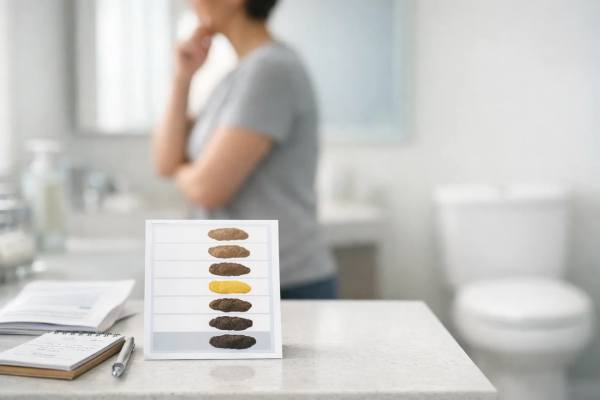
Seeing yellow stool can be unsettling, especially when it happens more than once. The good news is that stool color is naturally variable, and many yellow or yellow-brown stools have simple explanations—recent diet changes, faster gut transit, or temporary irritation after a virus. At the same time, persistently yellow, greasy stools can be an early clue that fats are not being digested or absorbed well, which deserves attention because it can lead to nutrient deficiencies over time. This article helps you interpret yellow poop in context: what shades are normal, which daily triggers are most common, what “fatty stool” actually looks like, and which patterns should prompt medical evaluation. You will also find a practical, step-by-step plan for what to do next so you can act quickly without overreacting.
Key Insights
- Yellow stool is often benign when it is brief and tied to diet, supplements, or a short-lived stomach upset.
- Greasy, floating, hard-to-flush stool with a strong odor can signal poor fat digestion and should not be ignored if it persists.
- Pale, clay-colored, or gray stool—especially with dark urine or yellowing of the eyes—can be a bile flow warning sign and needs prompt evaluation.
- Use a simple rule: if the color change lasts longer than 1–2 weeks or comes with red flags, stop guessing and get checked.
Table of Contents
- What yellow stool can mean
- Diet and harmless color shifts
- Fast transit infections and medications
- Fat malabsorption and steatorrhea signs
- Bile flow problems and pale stool red flags
- What to do next and when to get checked
What yellow stool can mean
A normal stool “brown” comes largely from bile pigments that change form as they move through the intestines. When stool turns yellow, it usually means one of three things is happening:
- The stool is moving through the gut faster than usual.
- The color is being influenced by food pigments, supplements, or medications.
- Fat digestion or absorption is impaired, changing texture and color.
Color matters, but so does texture
Yellow stool is a broad description. It can range from yellow-brown to mustard-colored to pale beige. The most useful detail is not the exact shade—it is whether the stool looks and behaves differently.
Pay attention to:
- Greasy sheen on the water or stool surface
- Floating repeatedly (occasional floating can be normal)
- Hard-to-flush stool that breaks apart or leaves residue
- Strong, unusual odor that is more pungent than your baseline
- Loose consistency that persists
These features raise suspicion for fat malabsorption more than color alone.
Short-lived yellow stool is common
A single day of yellow stool often follows a simple trigger: a heavy meal, a change in diet, a stressful day that speeds gut movement, or a mild stomach bug. In these cases, the color usually returns to normal as soon as bowel habits settle.
A practical way to reduce anxiety is to give your gut a brief “baseline window.” If you feel well otherwise, observe for 48–72 hours while you:
- Eat simple, familiar meals.
- Hydrate well.
- Avoid large amounts of high-fat foods, alcohol, and very spicy meals.
If stool color normalizes quickly, the cause was likely transient. If the color persists or other symptoms develop—especially weight loss, ongoing diarrhea, pale stools, or upper abdominal pain—then it becomes more important to evaluate.
Lighting and context can mislead you
Toilet lighting, colored cleaners, and even dehydration can make stool appear lighter or more yellow. It can help to look at patterns rather than one isolated stool: repeated pale-yellow stools plus digestive symptoms carry more meaning than a single “odd-looking” bowel movement.
The bottom line: yellow stool is a signal to observe context—diet, speed of transit, and fat-related stool features—before you jump to conclusions.
Diet and harmless color shifts
Diet is the most common reason stool color shifts, and it is often the least concerning. Stool color reflects what you eat, how much bile pigment is present, and how long the stool stays in the intestines. Even when digestion is healthy, a few days of different foods can create noticeable changes.
Foods that can make stool look yellow
Some foods naturally push stool toward a lighter brown or yellow-brown tone, especially when eaten in larger amounts:
- Carrots, sweet potatoes, and squash
- Foods rich in yellow-orange spices, such as turmeric
- High-fat meals that produce looser, lighter stool in sensitive people
- Large servings of processed foods with added fats and emulsifiers
These changes often come with a clear timeline: the color shift starts within a day of the diet change and resolves when you return to your usual eating pattern.
Supplements and “functional” products
Many supplements can change stool color by altering bile handling, speeding transit, or adding pigments:
- Multivitamins and B-complex supplements can brighten stool color in some people.
- Magnesium products can loosen stool and speed transit, indirectly lightening color.
- Fiber supplements can change stool bulk and appearance, sometimes making stool look lighter while your gut adjusts.
A helpful clue is the start date. If the color change appeared shortly after a new supplement, protein powder, or “greens” product, pause it for a week (if safe for you) and see if stool returns to baseline.
When a diet cause is likely
A diet-related color shift is more likely when:
- You feel well and appetite is normal.
- There is no persistent diarrhea, fever, or pain.
- The change is intermittent and tracks with what you eat.
- Stool texture is otherwise typical—no consistent greasiness or oiliness.
A simple at-home reset
If you suspect diet is driving the change, try a 3–5 day “calm gut” plan:
- Keep meals simple and consistent.
- Moderate fat intake rather than going extremely low-fat.
- Avoid heavy restaurant meals and alcohol.
- Keep hydration steady.
If the color normalizes, you have your answer: your gut likely reacted to a temporary dietary shift. If yellow stool persists despite a stable, familiar diet, the next step is to consider faster transit or fat digestion issues rather than continuing to remove foods at random.
Fast transit infections and medications
When stool moves through the intestines faster, it has less time to darken. That can produce yellow or yellow-green stool, often with looser consistency. Fast transit is common and frequently temporary, but it can also become chronic in certain conditions.
Short-term causes of fast transit
Common triggers include:
- A viral gastroenteritis (“stomach bug”)
- Food poisoning
- Anxiety and acute stress
- A sudden increase in caffeine or nicotine
- A rapid increase in dietary fiber
- Alcohol intake, especially combined with high-fat foods
In these cases, the hallmark is a brief course: watery or loose stool, mild cramping, and then gradual normalization. Your color should improve as the stool firms and frequency returns to baseline.
Medications that can lighten stool by speeding the gut
Several common products can trigger yellow, loose stool by altering motility or absorption:
- Antibiotics, which can change gut bacteria and stool consistency
- Metformin and some other diabetes medications
- Magnesium-containing antacids or laxatives
- Certain herbal products marketed for “detox” or constipation
- High-dose vitamin C in sensitive individuals
If a medication change preceded the stool change, do not stop prescription medications abruptly on your own. Instead, document the timing and discuss it with a clinician, especially if diarrhea is persistent.
When fast transit points to something more
If fast transit symptoms last longer than about 1–2 weeks, or keep recurring, it is worth considering deeper causes such as:
- Chronic diarrhea syndromes
- Inflammatory conditions of the gut
- Malabsorption patterns that pull water into the intestines
- Thyroid overactivity in some cases
- Long-standing stress and sleep disruption that affects gut regulation
Clues that suggest this is more than a short-lived upset include:
- Nighttime diarrhea that wakes you from sleep
- Blood in stool
- Fever or ongoing fatigue
- Unintentional weight loss
- Persistent abdominal pain
What to do during a fast transit phase
If you are not seeing red flags, focus on hydration and gentle nutrition:
- Replace fluids and electrolytes if stools are frequent.
- Eat small, bland meals until frequency slows.
- Avoid heavy fats and large dairy servings during the acute phase.
If stool frequency and color normalize, fast transit was likely the main driver. If yellow stools continue after diarrhea resolves, shift your attention to fat digestion and bile flow patterns, which can change color and texture in a different way.
Fat malabsorption and steatorrhea signs
One of the most important reasons for persistently yellow stool is fat malabsorption, often called steatorrhea when it is more pronounced. When fat is not broken down or absorbed properly, stool can become lighter, looser, and greasy. This is less about a single “bad meal” and more about a digestion process that is not working efficiently.
What fatty stool typically looks like
People often imagine steatorrhea as obvious oil. In real life, it can be subtle at first. Look for a cluster of signs rather than a single feature:
- Stool that is pale yellow, bulky, or unusually soft
- Greasy appearance or oily film in the toilet water
- Floating stool that happens repeatedly
- Stool that is hard to flush or leaves residue
- Strong, persistent odor that is different from your baseline
- More gas, bloating, and urgency after meals
You may also notice non-stool clues over time: unintended weight loss, fatigue, or easy bruising. Those can point to poor absorption of calories and fat-soluble vitamins.
Why fat digestion fails
Fat digestion depends on several steps working together:
- The pancreas releases enzymes that break fat down.
- Bile from the liver helps emulsify fat so enzymes can work.
- The small intestine lining absorbs the digested fats.
Disruption at any step can change stool color and texture. Common pathways include:
- Pancreatic enzyme deficiency, often from chronic pancreatic disease or structural pancreatic problems
- Small-intestine absorption issues, including immune-related conditions that damage the lining
- Bile-related problems, where bile is not reaching the intestine in adequate amounts
- Certain infections, which can interfere with absorption and cause greasy diarrhea
When fatty stool is more likely than diet
Fat malabsorption becomes more likely when yellow stool is:
- Persistent for more than 1–2 weeks
- Paired with ongoing diarrhea or urgency
- Clearly greasy or floating repeatedly
- Associated with weight loss, poor appetite, or weakness
It is also more likely when symptoms occur after many meals, not just after one high-fat food.
Why it matters to address it early
Persistently poor fat absorption can lead to nutritional deficits, including low levels of fat-soluble vitamins. It can also signal an underlying condition that benefits from treatment rather than dietary restriction alone. The goal is not to eliminate fat entirely. The goal is to identify why fat digestion is impaired, then target the cause with the right therapy and a nutrition plan that keeps you strong.
If your stools look consistently oily, bulky, and pale yellow, it is reasonable to move from observation to evaluation rather than continuing indefinite elimination diets.
Bile flow problems and pale stool red flags
Yellow stool sits on a spectrum. On one end is harmless yellow-brown stool from diet or fast transit. On the other end is pale, clay-colored, or gray stool, which can signal that bile pigments are not reaching the intestine as they should. This pattern deserves careful attention because it can indicate a bile flow problem.
How to tell yellow from pale
People use “yellow” loosely. A true warning color is often described as:
- Clay-colored
- Putty-like beige
- Gray or very pale tan
This is especially concerning if it happens repeatedly and is paired with other bile-related signs.
Symptoms that raise concern for bile flow issues
Seek prompt evaluation if pale or very light stools occur with:
- Dark urine that looks tea-colored
- Yellowing of the eyes or skin
- Itching that is new, widespread, and persistent
- Right upper abdominal pain, especially after meals
- Fever or chills alongside upper abdominal pain
These combinations can reflect problems involving the gallbladder, bile ducts, or liver. Some causes are urgent, particularly when pain and fever occur together.
Why bile problems change stool and urine
Bile pigments normally enter the intestine and contribute to brown stool. When bile flow is blocked or significantly reduced, less pigment reaches the stool, making it pale. At the same time, pigments can build up in the bloodstream and exit through urine, darkening it. This “pale stool plus dark urine” pairing is a strong signal to get checked rather than waiting.
Not all bile-related issues cause dramatic pain
Some people expect severe pain if something is wrong with the gallbladder or bile ducts. Pain is common, but not guaranteed. In some cases, the first sign is a visible change in skin color, itching, or a persistent stool color change. That is why patterns matter more than single moments.
What not to do if you suspect a bile problem
Avoid masking symptoms with aggressive laxatives or extreme dieting in an attempt to “flush” the system. If pale stools and bile-related signs are present, evaluation is the safer path because imaging and blood tests may be needed to identify the cause.
If your stool is merely yellow-brown and you otherwise feel well, observation and a structured reset may be enough. If stool becomes pale or clay-colored—especially with dark urine or jaundice—treat it as a red flag and seek prompt medical care.
What to do next and when to get checked
The best next step depends on whether this is a brief change or a persistent pattern. A calm, structured approach prevents both extremes: ignoring something important or over-restricting your diet without a clear reason.
A quick decision guide
Use these practical thresholds:
- One or two yellow stools with no other symptoms: observe for 48–72 hours.
- Yellow stools lasting more than 7–14 days: consider evaluation, especially if stools are loose or greasy.
- Pale or clay-colored stool at any time with dark urine or jaundice: seek prompt medical care.
- Greasy, floating stools plus weight loss or fatigue: schedule an evaluation rather than trying repeated diet experiments.
A simple 7-day self-check plan
If you have no red flags, try a one-week structured plan:
- Keep meals consistent and moderate fat rather than going very low-fat.
- Pause new nonessential supplements for a week if it is safe for you.
- Avoid alcohol and very high-fat restaurant meals.
- Hydrate well and aim for steady sleep.
- Track three items daily: stool color, stool texture (greasy or not), and frequency.
This helps you determine whether the pattern is transient or persistent.
What a clinician may evaluate
Medical evaluation is usually guided by your symptoms:
- Stool and blood tests may assess inflammation, infection patterns, nutrient status, and anemia.
- If fat malabsorption is suspected, testing may focus on how well the pancreas is contributing enzymes and whether absorption is impaired.
- If bile flow issues are suspected, evaluation often includes liver-related blood tests and imaging to assess the gallbladder and bile ducts.
Bring a medication and supplement list, including over-the-counter products. Timing details matter: when the color change began, whether it tracks with meals, and whether you have pain, fever, itching, or weight changes.
Red flags that warrant urgent care
Do not wait at home if you have:
- Jaundice, dark urine, or pale clay-colored stools
- Severe or worsening upper abdominal pain
- Fever with abdominal pain
- Vomiting that prevents hydration
- Blood in stool or black stools
- Significant weakness, dizziness, or fainting
- Unintentional weight loss or signs of dehydration
Yellow stool is often a temporary message from your gut. When it becomes persistent, greasy, or paired with pale stool or jaundice, it is also a useful diagnostic clue. Acting early can protect nutrition, speed diagnosis, and reduce the stress of uncertainty.
References
- AGA Clinical Practice Update on the Epidemiology, Evaluation, and Management of Exocrine Pancreatic Insufficiency: Expert Review – PubMed 2023 (Guideline)
- Evaluation and Management of Exocrine Pancreatic Insufficiency (EPI): Pearls and Pitfalls – PMC 2023 (Review)
- American College of Gastroenterology Guidelines Update: Diagnosis and Management of Celiac Disease – PubMed 2023 (Guideline)
- Guidelines for the Management of Cholestatic Liver Diseases (2021) – PMC 2022 (Guideline)
Disclaimer
This article is for educational purposes only and does not provide medical advice, diagnosis, or treatment. Stool color changes can be caused by diet, medications, infections, and medical conditions involving the intestines, pancreas, liver, gallbladder, or bile ducts. Seek urgent medical care if you have pale or clay-colored stools with dark urine or yellowing of the eyes or skin, severe abdominal pain, fever with abdominal symptoms, persistent vomiting, black stools, significant rectal bleeding, fainting, confusion, or signs of dehydration. If symptoms are persistent, worsening, or accompanied by weight loss or weakness, consult a qualified healthcare professional for personalized evaluation.
If you found this article helpful, please consider sharing it on Facebook, X (formerly Twitter), or any platform you prefer.