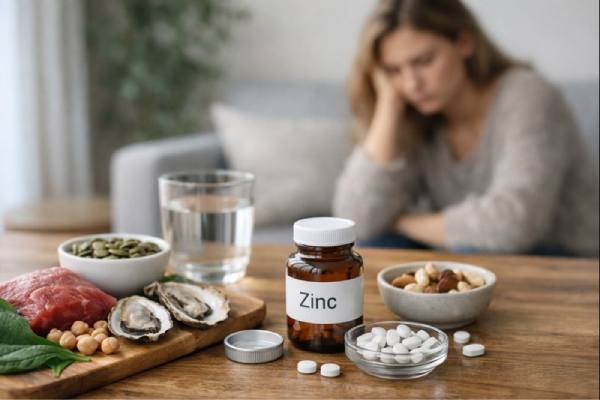
Zinc is a trace mineral with an outsized job description: it helps regulate immune signaling, supports wound healing and taste, and influences how neurons communicate and adapt. That last role matters for mood, because the brain systems involved in depression are sensitive to inflammation, stress hormones, and the balance between “quiet” and “excitable” signaling. When zinc intake is low—or when absorption is poor—people can develop vague symptoms that overlap with depression, such as fatigue, reduced appetite, and slower recovery from stress. Yet zinc is not a stand-alone fix, and more zinc is not automatically better. The best results tend to come from targeted use: identifying realistic risk factors for low zinc, using food first when possible, and supplementing with a clear plan when deficiency or high likelihood is present. This article explains what to look for, how clinicians evaluate zinc status, and how to use supplementation safely when it truly fits.
Core Points for Practical Use
- Correcting low zinc can support energy, immune resilience, and mood steadiness, especially when diet or absorption has been limiting.
- The strongest case for supplements is clear deficiency, high-risk situations (malabsorption, restrictive diets), or monitored add-on use alongside standard depression care.
- High-dose zinc can cause nausea and, over time, trigger copper deficiency and neurological problems.
- A reasonable trial is typically 6–12 weeks with symptom tracking, using an evidence-aligned dose and stopping if side effects emerge.
Table of Contents
- Why zinc matters for mood
- Signs and risk factors of low zinc
- Testing zinc status without guesswork
- When supplementation helps and dosing
- Safety, interactions, and copper balance
- Food-first zinc strategy you can follow
Why zinc matters for mood
Zinc is often described as an “immune mineral,” but its mood relevance is not a marketing invention. Zinc participates in hundreds of enzyme systems and helps regulate cellular signaling—especially systems that determine whether the body is in a growth-and-repair state or a defensive, inflammatory state. Depression is not “just inflammation,” but inflammatory signaling can worsen symptoms in some people and can make the brain’s stress-response circuitry more reactive.
Zinc in the brain: more than a nutrient
Zinc is present in the brain at meaningful concentrations and plays roles in synaptic activity, neuroplasticity (the brain’s ability to adapt), and signaling balance. In simple terms, the brain needs to remain flexible: able to learn, regulate emotion, and recover after stress. Zinc appears to support this flexibility through multiple pathways, including modulation of glutamate signaling (the brain’s primary excitatory neurotransmitter), support of antioxidant defenses, and influence on growth factors linked to adaptation and resilience.
Why low zinc can feel like “depression”
Low zinc does not cause depression in every case, but it can create conditions that mimic or amplify depressive symptoms:
- Higher inflammatory tone, which can increase fatigue and reduce motivation
- Slower recovery from stress, making days feel heavier and more effortful
- Appetite and taste changes, which can disrupt nutrition and worsen mood loops
- Sleep disruption and low energy, which can appear as low mood or brain fog
A key nuance: some zinc-related symptoms are subtle and non-specific. That is why self-diagnosis is unreliable and why a “more zinc” experiment can backfire if you overshoot safe ranges.
Zinc as an add-on, not a replacement
The most credible role for zinc in depression care is as a supportive lever—especially when zinc intake is low, absorption is impaired, or depression overlaps with chronic stress, immune strain, or metabolic issues. In research settings, zinc is often studied as an adjunct to antidepressant medication rather than a stand-alone treatment. That fits common clinical reality: when zinc helps, it often improves the “terrain” that makes other treatments work better—sleep consistency, appetite, energy stability, and stress tolerance.
The practical mindset is to ask: “Is low zinc plausible in my case, and do I have a safe, structured plan to test it?” If the answer is unclear, food-first strategies and risk-factor screening are the best starting points.
Signs and risk factors of low zinc
Low zinc can present in classic ways, but many people experience a slower, quieter slide: fewer obvious “deficiency” signs and more day-to-day symptoms that overlap with depression, anxiety, and burnout. The most useful approach is to look for clusters—symptoms plus risk factors—rather than one isolated sign.
Common signs of low zinc
These are more suggestive when several appear together or when they persist:
- Frequent infections or slow recovery from colds
- Poor wound healing or easy skin breakdown
- Hair shedding or brittle hair (many causes exist, but zinc is one)
- Reduced sense of taste or smell, or lower appetite
- Persistent diarrhea or unexplained digestive fragility
- Skin rashes, especially around body openings or on hands/feet in more severe deficiency
- Low libido or reproductive health changes (not specific, but can appear)
Mood-related symptoms can include low motivation, irritability, brain fog, and emotional flatness—but these are not zinc-specific. They are meaningful mainly when paired with risk factors that make low zinc likely.
Who is at higher risk
Low zinc is more common when intake is low, absorption is impaired, or zinc losses are increased. Higher-risk groups include:
- People eating very little animal protein, especially if the diet is high in unfermented whole grains and legumes without traditional preparation methods
- Vegetarians and vegans, because plant zinc is often less bioavailable due to phytates (compounds that bind minerals)
- People with digestive disorders that affect absorption (for example, inflammatory bowel disease, celiac disease)
- Bariatric surgery patients and others with altered gut anatomy
- Older adults, who may eat less protein overall and may have reduced absorption
- People with alcohol use disorder, chronic liver disease, or chronic inflammatory conditions
- Pregnant and breastfeeding individuals, who have increased nutrient needs
- People taking certain medications that can interfere with mineral status or appetite (medication context matters here)
When symptoms can mislead
Two common traps cause unnecessary supplementation:
- Attributing all fatigue to zinc
Fatigue and low mood are more often driven by sleep debt, iron deficiency, thyroid disease, low vitamin B12, medication effects, untreated sleep apnea, or chronic stress. - Assuming “immune support” doses are harmless
Many over-the-counter “immune” formulas contain high-dose zinc. If you also use lozenges during colds, your total intake can exceed safe limits for weeks without realizing it.
A smart next step is not guessing. It is building a simple profile: your diet pattern, your risk factors, and a decision about whether testing or a food-first plan is the right starting point.
Testing zinc status without guesswork
Zinc status is trickier to assess than many people expect. A single lab value can be influenced by inflammation, time of day, recent meals, and changes in blood proteins. That does not mean testing is useless—it means results should be interpreted in context.
What clinicians commonly test
The most common clinical test is serum or plasma zinc. It is accessible and can identify clearly low levels, but it is not a perfect “body stores” measure. Zinc in blood is tightly regulated, and levels can drop during acute illness or inflammation even when total body zinc is not severely depleted.
To make the test more informative, clinicians may consider:
- Whether the sample was fasting and collected in the morning
- Whether the person was recently ill or experiencing high inflammatory stress
- Albumin or total protein status (since zinc transport is protein-linked)
- Inflammatory markers when relevant (because inflammation can shift zinc distribution)
What a “normal” result can miss
A normal serum zinc does not always rule out functional inadequacy. Someone can have borderline intake, high phytate exposure, or chronic stress and still land in the reference range. In that situation, zinc might not be the primary driver of depression symptoms—but improving diet quality and absorption can still be worthwhile.
A practical decision framework
If you are trying to decide whether zinc deserves attention, this simple framework helps:
- High likelihood of low zinc
Multiple risk factors (restrictive diet, malabsorption, bariatric surgery) plus compatible symptoms → testing is reasonable, and food-first improvements should start immediately. - Moderate likelihood
Some risk factors or a clearly low-zinc diet pattern, but symptoms are non-specific → focus on food-first changes for 4–6 weeks, then reassess. If symptoms persist and zinc intake remains low, consider testing. - Low likelihood
Adequate protein intake, varied diet, no malabsorption risk, and symptoms that point more strongly to sleep, stress, iron/B12, thyroid, or medication effects → zinc supplements are unlikely to be the best first move.
Why “trialing zinc” should still be structured
Even without testing, a conservative trial can be reasonable when risk is plausible—especially if diet change is difficult in the short term. But “trial” should not mean high-dose or indefinite use. It should be time-limited, dose-appropriate, and paired with symptom tracking so you can make a clear decision rather than staying in supplement limbo.
When supplementation helps and dosing
Zinc supplementation is most likely to help when it addresses a real bottleneck: low intake, poor absorption, or a clinical pattern where zinc appears to strengthen response to standard depression care. The goal is not to chase an instant mood lift. It is to improve biological conditions that support steadier mood: immune balance, appetite regulation, sleep quality, and stress recovery.
Situations where supplementation is most defensible
Zinc supplements are most reasonable when one of the following is true:
- Confirmed deficiency on lab testing or strong clinical suspicion based on diet and symptoms
- Malabsorption risk (digestive disease, bariatric surgery) where diet alone may not correct status
- Restrictive diets with low bioavailable zinc and limited ability to modify food pattern quickly
- Adjunct use in monitored depression care, especially when response to antidepressants has been incomplete
Research summaries suggest zinc can reduce depressive symptom scores in some settings, with several trials using daily elemental zinc doses in a moderate range and assessing outcomes over weeks rather than days. That time course matters: if you decide to try zinc, you need enough time to evaluate it properly.
Typical dose ranges used in mood studies
In clinical trials focused on depression, daily elemental zinc doses commonly fall in the roughly 25–30 mg per day range, often for 6–12 weeks. This is higher than the daily requirement for most adults, so it should be treated as a time-limited intervention rather than a “forever” habit—unless a clinician is monitoring status and copper balance.
If your goal is nutritional correction rather than an adjunctive trial, a lower dose may be appropriate, especially if you are also improving food intake.
Elemental zinc versus “zinc compound”
Labels can be confusing. Supplements list forms such as zinc gluconate, zinc citrate, zinc picolinate, or zinc sulfate. What matters most is the elemental zinc amount. Two products can look similar but deliver very different elemental doses.
A practical tip: choose a product that clearly states “elemental zinc” and avoid stacking multiple zinc-containing supplements unless a clinician has designed the plan.
How to take zinc to improve tolerance and usefulness
- Take zinc with food if you get nausea.
- Avoid taking it at the same time as iron or calcium supplements, which can compete for absorption.
- Separate zinc from certain antibiotics (your pharmacist can advise on timing) because zinc can reduce medication absorption.
- Keep your plan stable for 2–4 weeks before changing variables, unless side effects force an earlier adjustment.
How to evaluate whether it is helping
Use a simple weekly check-in rather than relying on mood “vibes”:
- Energy stability across the day
- Appetite and taste (improvements can be a meaningful early signal)
- Sleep quality and morning refresh
- Irritability or stress reactivity
- Depression symptom severity using the same short scale each week
If you notice no meaningful change by 6–8 weeks, and you have improved diet quality at the same time, zinc may not be your limiting factor. That is a useful conclusion, not a failure.
Safety, interactions, and copper balance
Zinc is essential, but high-dose zinc is not benign. The most important safety issue is that chronic high zinc intake can impair copper absorption, leading to copper deficiency—an outcome that can cause anemia, immune dysfunction, and neurological symptoms. This risk is why “just take zinc” is not a safe long-term strategy.
Upper limits and why they matter
For most adults, the tolerable upper intake level from all sources is 40 mg per day of elemental zinc. Short-term therapeutic use above this level sometimes occurs under medical supervision, but routine high-dose self-supplementation raises risk—especially when combined with zinc lozenges, fortified foods, and multivitamins.
Side effects to expect and how to reduce them
Common side effects are dose-related:
- Nausea, stomach cramps, or reflux
- Metallic taste
- Diarrhea
Ways to reduce side effects include lowering the dose, taking zinc with food, and avoiding taking it right before lying down.
Copper deficiency: the hidden long-term risk
Copper deficiency does not always announce itself quickly. Symptoms can emerge gradually and may include:
- Unexplained fatigue or anemia
- Frequent infections
- Tingling, numbness, gait changes, or weakness (neurological effects)
- Changes in blood counts noticed on routine labs
If you take moderate-to-high dose zinc for longer than a short trial, discuss copper monitoring with a clinician. This is especially important for people with malabsorption, bariatric surgery, or restrictive diets.
Medication interactions to take seriously
Zinc can interfere with absorption of certain medications when taken at the same time. This is particularly relevant for some antibiotics and chelation therapies. Also, some diuretics can increase urinary zinc losses, changing zinc needs. The safest approach is to review zinc use with a pharmacist if you take multiple prescriptions.
Do not combine zinc supplements casually with other high-dose minerals unless a clinician has advised it, since mineral competition can create a new problem while you try to solve another.
Who should avoid supplementing without medical input
Seek clinician guidance first if you are:
- Pregnant or breastfeeding and considering doses above a standard prenatal
- Living with kidney disease, chronic liver disease, or complex medical conditions
- Taking multiple medications with narrow dosing margins
- Managing an eating disorder history, where supplement rules can become rigid and harmful
- Using multiple immune products that may already contain zinc
Safety is not a footnote—it is central to whether zinc is a smart move. A conservative, time-limited plan is usually the best balance of potential benefit and minimal risk.
Food-first zinc strategy you can follow
For many people, the most sustainable way to improve zinc status—and support mood stability—is to build a diet pattern that reliably delivers zinc in bioavailable forms. Food-based zinc comes packaged with protein, healthy fats, and other micronutrients that matter for brain function, and it does not carry the same copper-risk profile as high-dose supplements.
High-zinc foods that fit real life
Zinc-rich foods include:
- Oysters and other shellfish
- Beef, lamb, and dark-meat poultry
- Dairy foods and eggs (moderate zinc, strong for overall meal structure)
- Legumes (beans, lentils, chickpeas)
- Nuts and seeds (pumpkin seeds are a practical favorite)
- Whole grains and fortified cereals
If you eat animal foods, a few servings per week of zinc-rich protein often covers a large portion of needs. If you eat mostly plants, you can still meet needs, but bioavailability becomes more important.
Plant-based zinc: the phytate issue and how to work with it
Phytates in grains and legumes can bind zinc and reduce absorption. You do not need to fear phytates—they exist in many healthful foods—but you can use preparation methods that improve mineral availability:
- Soaking beans and lentils before cooking
- Choosing leavened breads (including sourdough styles) more often than dense unleavened options
- Sprouting or fermenting when practical
- Spreading zinc sources across the day instead of loading them into one meal
If you follow a vegetarian or vegan diet, aim for consistent zinc intake and consider that your effective zinc requirement may be higher because absorption is lower in many plant-heavy patterns.
A simple “zinc-supportive day” template
Use this structure to make zinc intake steady without micromanaging:
- Breakfast: eggs or yogurt with pumpkin seeds, or fortified cereal with milk or soy milk
- Lunch: bean-and-grain bowl with a leavened grain option, plus a zinc-rich add-on (cheese, seeds, or seafood if you eat it)
- Snack: nuts or seeds paired with fruit or yogurt
- Dinner: a zinc-rich protein anchor (meat, seafood, tofu plus seeds) with vegetables and a starch
The mood benefit often comes indirectly: steadier energy, fewer cravings, and a calmer stress response because meals are more balanced.
When food-first is not enough
Food-first can be limited by appetite, budget, sensory issues, or malabsorption. If you cannot meet needs consistently—and you have depressive symptoms or frequent infections—supplementation may be reasonable as a bridge. In that case, treat supplements as temporary scaffolding while you build a diet pattern you can maintain.
A realistic way to combine food and a trial
If you decide to try zinc:
- Improve food-based zinc for 2 weeks (so your baseline diet is stronger).
- Add a conservative supplement plan for 6–12 weeks if risk factors are strong or labs support it.
- Track symptoms weekly and stop early if side effects appear.
- Reassess whether you still need the supplement once your diet is stable.
This approach reduces the chance that zinc becomes a permanent “maybe” supplement and increases the chance that you learn something clear about your body and mood.
References
- Zinc – Health Professional Fact Sheet 2026 (Guideline)
- Zinc supplementation combined with antidepressant drugs for treatment of patients with depression: a systematic review and meta-analysis – PubMed 2021 (Systematic Review and Meta-Analysis)
- Zinc as an adjunct to antidepressant medication: a meta-analysis with subgroup analysis for different levels of treatment response to antidepressants – PubMed 2022 (Meta-Analysis)
- Zinc in depression: From development to treatment: A comparative/ dose response meta-analysis of observational studies and randomized controlled trials – PubMed 2022 (Meta-Analysis)
- The role of zinc homeostasis in major depressive disorder: heterogeneous pathological mechanisms and therapeutic implications – PMC 2026 (Review)
Disclaimer
This article is for educational purposes and does not provide medical advice, diagnosis, or treatment. Depression is a medical condition with many causes, and supplements are not a substitute for evidence-based care such as psychotherapy, medication when appropriate, sleep treatment, or management of medical contributors (for example, thyroid disease, anemia, or sleep apnea). Zinc supplements can cause side effects and may interact with medications. Long-term or high-dose zinc can lead to copper deficiency and neurological complications. If you are pregnant, breastfeeding, managing a chronic illness, taking prescription medications, or experiencing persistent or worsening depression symptoms, consult a licensed clinician before starting supplementation. If you have thoughts of self-harm or feel unsafe, seek urgent help immediately.
If you found this article helpful, please consider sharing it on Facebook, X (formerly Twitter), or any platform you prefer.