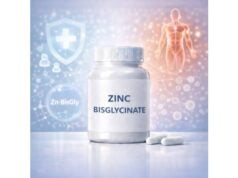
Zinc glycinate is a popular “chelated” form of zinc designed for steady absorption and good stomach tolerance. Zinc is an essential trace mineral, meaning you need small amounts every day to support immune signaling, skin integrity, wound repair, taste and smell, and normal growth and reproduction. Where zinc glycinate stands out is in how it is paired with the amino acid glycine. This pairing may help zinc move through the gut more efficiently for some people, especially when diet, digestion, or supplement form affects absorption.
Even so, zinc is not a supplement to take casually at high doses. The best results come from matching the elemental zinc dose to your goal, using it for the right duration, and avoiding common mistakes that reduce absorption or increase side effects. This guide explains what zinc glycinate is, what it is best used for, how to take it wisely, and who should be cautious so you can use it with clarity and confidence.
Key Insights for Zinc Glycinate
- Zinc glycinate can help improve zinc status when intake is low or needs are higher, and many people find it gentle on the stomach.
- Long-term high-dose zinc can contribute to copper deficiency and immune imbalance, so avoid chronic “more is better” use.
- Typical adult supplementation is 15–30 mg elemental zinc/day, with higher short-term doses only under clear guidance.
- Avoid zinc supplements without medical guidance if you have chronic kidney disease, a history of copper deficiency, or you take tetracycline or quinolone antibiotics.
Table of Contents
- What is zinc glycinate?
- Benefits you can expect
- Is zinc glycinate better than other forms?
- How to take it for best absorption
- How much zinc per day?
- Side effects, interactions, and who should avoid
What is zinc glycinate?
Zinc glycinate (often labeled as zinc bisglycinate or zinc glycine chelate) is zinc bound to the amino acid glycine. The term chelated means the mineral is attached to an organic molecule in a way that can improve stability in a supplement and sometimes support absorption in the digestive tract. You will also see “buffered chelated zinc” or “TRAACS” on some labels; these are branding terms that generally point to a specific manufacturing approach rather than a different nutrient.
A crucial detail is that supplements contain two “weights”:
- Elemental zinc: the amount of actual zinc you are consuming (the number used for daily needs and safety limits).
- Compound weight: the total weight of zinc plus its attached molecule (glycine in this case).
High-quality labels clearly list something like “Zinc (as zinc bisglycinate chelate) — 25 mg.” In that format, the 25 mg is the elemental zinc. If a label lists only “zinc glycinate 200 mg,” it is incomplete unless it also specifies the elemental zinc content elsewhere.
Why the glycinate form exists
Many people choose zinc glycinate for two practical reasons:
- Tolerability: Zinc can cause nausea, especially on an empty stomach. Chelated forms are often perceived as gentler, particularly at moderate doses.
- Absorption consistency: Zinc absorption is influenced by diet composition (notably phytates from grains and legumes), gut health, and competition with other minerals. A chelated form may help reduce variability for some users.
What zinc glycinate is not
Zinc glycinate is not a shortcut around dosage rules. Taking extra zinc does not automatically “boost immunity.” In fact, excessive zinc over time can disrupt copper balance, affect blood counts, and paradoxically weaken immune function. Think of zinc glycinate as a well-designed delivery form for zinc, not a license to exceed safe intake.
Benefits you can expect
Zinc’s benefits come from correcting a shortfall and supporting zinc-dependent processes, not from creating “supernormal” levels. If your zinc intake is already adequate, you may feel little difference. If intake is low, the improvements can be meaningful and sometimes visible.
Immune function and recovery support
Zinc supports immune cell development and communication. When zinc status is low, you may notice more frequent infections, slower recovery, or lingering symptoms. Supplementation can help restore normal immune responsiveness, particularly in people with low dietary intake, restricted diets, or absorption challenges. Zinc is also frequently used during respiratory infections. The strongest pattern seen in research is that zinc can reduce the duration of cold symptoms for some people when used in an appropriate form and regimen, though side effects are common at higher doses.
Skin integrity, wound healing, and barrier function
Your skin is a high-turnover organ that depends on zinc for normal repair. Zinc contributes to collagen formation, inflammation regulation, and tissue remodeling. People with low zinc status may notice slower wound healing, increased skin sensitivity, or flares that improve once zinc intake is normalized. Zinc is not a standalone treatment for chronic skin conditions, but it is a foundational nutrient that can support outcomes when it addresses a deficiency.
Taste, smell, and appetite
Zinc is involved in enzymes needed for taste and smell. Suboptimal zinc status is one contributor to taste changes in certain individuals. While many factors can affect these senses, improving zinc intake is one of the simpler nutritional variables to correct when risk factors exist (limited intake, malabsorption, or prolonged restrictive dieting).
Reproductive health and normal growth
Zinc supports normal testosterone production, sperm development, and healthy pregnancy and lactation requirements. It is also important for growth and development in children and adolescents. These are not reasons to megadose; they are reasons to ensure intake meets needs.
A practical way to judge “fit”
Zinc glycinate tends to be most useful if you can answer “yes” to at least one:
- You eat a diet that often falls short on zinc-rich foods (especially seafood and meats).
- You follow a vegetarian or vegan pattern with high whole-grain and legume intake and minimal zinc fortification.
- You have digestive issues that make mineral absorption less predictable.
- You are using zinc short term for a specific goal and want a form that is commonly well tolerated.
Is zinc glycinate better than other forms?
People often search this question because supplement shelves offer multiple forms: zinc oxide, sulfate, gluconate, citrate, picolinate, acetate, and glycinate. The truth is nuanced: the best form depends on your goal, your tolerance, and the product’s quality.
Absorption: what “better” really means
Zinc absorption is tightly regulated by the body. When zinc intake is low, absorption efficiency increases; when intake is high, it decreases. That means two people can take the same form and dose and experience different changes in blood markers or symptoms depending on baseline status.
However, clinical comparisons suggest zinc glycinate often performs well in studies that track changes in zinc status. One reason is that chelated zinc may remain more stable in the gut environment, potentially reducing binding to inhibitors in food. Another reason is simply practicality: people may tolerate it better and therefore take it more consistently.
Tolerance: the hidden advantage
If zinc makes you nauseated, absorption becomes irrelevant because you will stop taking it. For many users, zinc glycinate is appealing because it can be easier to take at a meaningful dose without stomach upset. This is especially helpful for people who need zinc for weeks (for example, to correct low intake) rather than a couple of days.
How it compares to common alternatives
- Zinc oxide: often inexpensive and common in multivitamins, but frequently considered less bioavailable in practice. It may still work at adequate elemental doses, but it is not usually chosen when absorption is the priority.
- Zinc gluconate: widely used, including in lozenges; many people tolerate it well. It can be a good general option, though results vary across studies and products.
- Zinc picolinate and zinc citrate: often marketed as highly absorbable; both have supportive data in specific contexts, but they do not consistently outperform glycinate across all comparisons.
- Zinc acetate: frequently used in cold lozenges because it can release zinc ions effectively in the mouth, which matters for localized effects.
A decision rule that works
If your main goal is daily nutritional support and you value tolerability, zinc glycinate is a reasonable first choice. If your goal is cold lozenges, the “best” form depends more on lozenge chemistry, elemental zinc per lozenge, and dosing frequency than on the word glycinate on a bottle.
How to take it for best absorption
Zinc glycinate is straightforward to use, but small timing choices can improve results and reduce side effects. Think in terms of three levers: stomach comfort, mineral competition, and medication spacing.
1) Reduce nausea without sacrificing consistency
Zinc can cause nausea, especially at doses above 25–30 mg elemental zinc or when taken on an empty stomach. If this happens:
- Take zinc with a small meal or snack (protein tends to be helpful).
- Avoid taking it right before intense exercise or on a very empty stomach in the morning.
- If you still feel nauseated, split the dose (for example, half with lunch and half with dinner).
Because zinc glycinate is often well tolerated, many people can take it with only a light meal and still do well.
2) Watch for mineral competition
Zinc shares absorption pathways with other minerals. For best uptake, avoid taking zinc at the same time as high-dose:
- Iron
- Calcium
- Magnesium
This does not mean you can never combine them. It means that if you are aiming to improve zinc status, spacing can help. A simple approach is zinc at dinner, and other minerals earlier in the day.
3) Be smart with coffee, tea, and high-phytate foods
Large amounts of whole grains and legumes are healthy for many people, but their phytates can reduce zinc absorption. If you are using zinc to correct low intake, you can improve reliability by taking it away from very high-phytate meals when possible. If you drink strong tea or coffee with meals, consider taking zinc at a different time since some compounds can modestly affect mineral handling.
4) Respect medication timing
Zinc can bind to certain medications and reduce their absorption. This matters most for:
- Tetracycline antibiotics
- Quinolone antibiotics
- Penicillamine
A common spacing strategy is to take zinc at least 2 hours before or 4–6 hours after these medications, but exact advice should come from a clinician or pharmacist because products and dosing schedules vary.
5) Plan your duration
For general supplementation, zinc is often used in defined blocks, such as 6–12 weeks, then reassessed. For short-term uses (like a respiratory illness strategy), use zinc for the brief window needed, not indefinitely. The longer zinc is taken at higher doses, the more important it becomes to consider copper balance.
How much zinc per day?
The right zinc glycinate dose depends on age, sex, life stage, dietary intake, and your purpose. Use elemental zinc as the reference point, not the total weight of “zinc glycinate” on the label.
Daily needs and common supplemental ranges
Most adults need single-digit to low double-digit milligram amounts of zinc daily from food and supplements combined. For supplementation, common ranges are:
- Maintenance support (adults): 10–15 mg elemental zinc/day
- Typical supplement dose (adults): 15–30 mg elemental zinc/day
- Short-term higher dosing (specific goals): sometimes 30–50 mg elemental zinc/day for a limited time under guidance
Many people do well with 15–25 mg/day when the goal is simply to cover intake gaps.
Upper limits and why “too much” is a real problem
A key safety concept is the tolerable upper intake level (UL) for chronic intake. For adults, the commonly used UL is 40 mg/day elemental zinc from all sources. Some short-term protocols exceed this, but chronic high intake increases the risk of copper deficiency and related problems (blood count changes, fatigue, immune issues, and neurologic symptoms in severe cases). Zinc glycinate may feel easier to take, which is helpful, but it also makes it easier to accidentally overdo daily intake for too long.
Label translation: avoid dosing mistakes
Use these checks before you start:
- Confirm the Supplement Facts lists Zinc — X mg (that is elemental zinc).
- If it lists only “zinc glycinate,” look for a second line that clarifies elemental zinc.
- If the product combines zinc with other immune ingredients, total up zinc across your stack (multivitamin, cold products, and standalone zinc).
When higher doses might be appropriate
A clinician may recommend higher zinc for diagnosed deficiency, certain digestive conditions, or specific medical scenarios. In those cases, dosing is usually time-limited and paired with monitoring, especially if intake is above 30–40 mg/day.
A simple dosing plan for many adults
- Start at 15 mg elemental zinc/day with food for one week.
- If the goal is stronger repletion support and you tolerate it well, increase to 25–30 mg/day.
- Reassess after 6–8 weeks rather than continuing indefinitely.
This approach is conservative, realistic, and tends to avoid the most common zinc mistakes.
Side effects, interactions, and who should avoid
Zinc glycinate is generally safe when used at appropriate doses, but side effects and interactions are important because zinc is biologically active and competes with other nutrients.
Common side effects
Most side effects are dose-related and improve with food or dose adjustment:
- Nausea or stomach upset (especially on an empty stomach)
- Abdominal cramps
- Reduced appetite
- Metallic taste (more common with lozenges than capsules)
If you consistently feel nauseated, reduce the dose, split it, or take it with a larger meal. If side effects persist, discontinue and reassess with a clinician.
Long-term high-dose risks: copper deficiency
The most important long-term risk is zinc-induced copper deficiency. Zinc can reduce copper absorption in the gut. Over time, this can contribute to:
- Unexplained fatigue or weakness
- Increased infections despite taking “immune support” supplements
- Low white blood cell counts or anemia-like patterns
- Neurologic symptoms in severe, prolonged cases
These effects can develop gradually. If you have been taking high-dose zinc for months, do not add copper on your own without guidance. The right move is to stop the high-dose zinc and consult a clinician for evaluation.
Medication interactions
Zinc can bind to certain medications and reduce their absorption, including:
- Tetracycline antibiotics
- Quinolone antibiotics
- Penicillamine
Spacing zinc away from these medicines is often necessary. If you are on antibiotics, it is worth confirming the timing with a pharmacist because “safe spacing” depends on the exact drug and dosing schedule.
Who should avoid zinc glycinate or use only with medical guidance
- People with chronic kidney disease or significant kidney impairment
- Anyone with a history of copper deficiency, unexplained anemia, or neurologic symptoms
- Those taking interacting medications, especially certain antibiotics
- People planning to use more than 30–40 mg/day for longer than a few weeks
- Pregnant or breastfeeding individuals should use zinc supplements only at appropriate doses and ideally with clinician input
Safety basics that prevent most problems
- Use the lowest effective dose for the shortest necessary duration.
- Do not combine multiple zinc products without adding up total elemental zinc.
- Treat persistent symptoms as a reason to evaluate diet, labs, and medical context rather than escalating supplements.
Zinc glycinate can be an excellent option when it fills a real need. The safest outcomes come from respecting zinc’s narrow “helpful range” and avoiding long-term excess.
References
- Zinc – Health Professional Fact Sheet 2022 (NIH Fact Sheet)
- Comparative Absorption and Bioavailability of Various Chemical Forms of Zinc in Humans: A Narrative Review 2024 (Review)
- Zinc for prevention and treatment of the common cold 2024 (Systematic Review)
- Moderately High Dose Zinc Gluconate or Zinc Glycinate: Effects on Plasma Zinc and Erythrocyte Superoxide Dismutase Activities in Young Adult Women 2015 (Clinical Trial)
- A bioavailability study comparing two oral formulations containing zinc (Zn bis-glycinate vs. Zn gluconate) after a single administration to twelve healthy female volunteers 2007 (Randomized Crossover Study)
Disclaimer
This article is for educational purposes only and does not provide medical advice, diagnosis, or treatment. Zinc glycinate may be inappropriate for certain medical conditions and for people taking specific medications, and dosing needs can differ during pregnancy, breastfeeding, and childhood. Excess zinc, especially when taken long term, can contribute to copper deficiency and other harms. If you have a chronic condition, take prescription medicines, are pregnant or breastfeeding, or are considering higher-dose zinc, consult a qualified clinician or pharmacist for personalized guidance.
If this guide was useful, please share it on Facebook, X (formerly Twitter), or any platform you prefer, and follow us on social media. Your support by sharing helps our team continue producing high-quality, trustworthy health content.