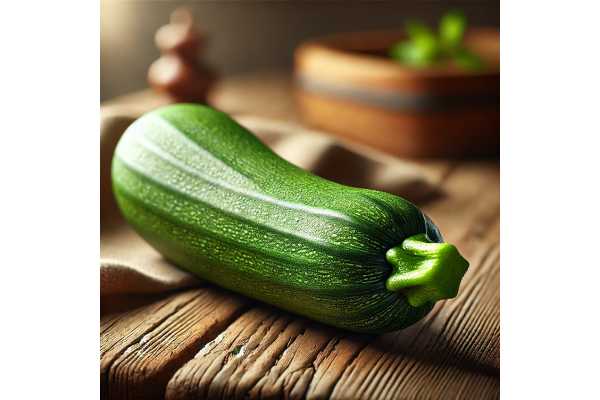
Zucchini, also known as courgette, is a summer squash that quietly does a lot of nutritional heavy lifting. Botanically a fruit but used as a vegetable, it is remarkably low in calories and carbohydrates while providing hydration, potassium, vitamin C, vitamin B6, and small amounts of fiber and antioxidants.
Because its flavor is mild and slightly sweet, zucchini fits easily into many cuisines. You can grill it alongside fish, spiralize it into “zoodles” as a lower-carbohydrate pasta alternative, stir-fry it with tofu, or bake it into breads and frittatas. Its glycaemic index and glycaemic load are very low, so it has minimal impact on blood sugar for most people.
At the same time, zucchini belongs to the cucurbit family, which can occasionally produce bitter-tasting fruits rich in compounds called cucurbitacins. These rare outliers are important to recognize and avoid. Overall, though, when you choose fresh, non-bitter zucchini and prepare it thoughtfully, it can be a versatile, nutrient-aware addition to daily meals.
Nutrition Snapshot
- Zucchini is very low in calories (≈17 kcal per 100 g raw) and carbohydrates, making it useful for weight and blood sugar management.
- It provides vitamin C, vitamin B6, potassium, and antioxidant polyphenols that support cardiovascular and immune health.
- A practical serving is about 1 cup raw or ½–1 cup cooked (≈100–120 g) on most days as part of your vegetable intake.
- People who notice pronounced bitterness should discard the zucchini, as this can signal elevated cucurbitacins with potential toxicity.
- Those with known allergies to the cucurbit family or with very restricted low-potassium diets should review frequent large portions with a healthcare professional.
Table of Contents
- Zucchini origins styles and kitchen roles
- Zucchini nutrient profile and key macros
- Research based health benefits of zucchini
- Zucchini safety allergies and sensitivities
- How to choose store and grow zucchini
- Cooking zucchini techniques and nutrient retention
- Zucchini portions comparisons and common questions
Zucchini origins styles and kitchen roles
Zucchini (Cucurbita pepo L.) is a type of summer squash originally domesticated in the Americas and later refined into the familiar long, cylindrical forms in Italy. It is harvested when immature, with thin, edible skin and tender seeds. In contrast to winter squash, which is stored for months, zucchini is meant to be eaten fresh, often within days of picking.
Today, zucchini is grown worldwide and appears under different names and styles:
- Dark-green “courgettes” in Europe
- Pale or striped varieties in the Mediterranean and Middle East
- Round zucchinis used for stuffing
- Yellow or golden forms with slightly sweeter flesh
Botanically, the part we eat is a swollen fruit, but culinary tradition treats it as a vegetable. That means you will usually find it in savory dishes, though it also works in muffins, quick breads, and even desserts where its moisture helps create a soft crumb.
In the kitchen, zucchini is prized for its versatility:
- Raw: Shaved into ribbons, spiralized into “noodles,” or diced for salads and crudités.
- Quick-cooked: Sautéed, stir-fried, or grilled, where it softens yet retains some bite.
- Moisture-building: Added to soups, stews, and sauces to increase volume and fiber with minimal calories.
- Baked: Incorporated into frittatas, casseroles, or vegetable gratins.
Because zucchini has a very mild flavor and high water content, it takes on the tastes of surrounding ingredients—herbs, spices, sauces—rather than dominating a dish. This makes it convenient for increasing vegetable intake without dramatically changing the character of familiar meals.
From a nutritional standpoint, zucchini is considered a non-starchy vegetable. Its carbohydrate content and glycaemic impact are low compared with potatoes, corn, or grains, which is important for readers managing blood sugar or focusing on lower-energy-density foods.
Zucchini nutrient profile and key macros
Zucchini is mostly water, but that does not mean it is nutritionally empty. It provides small but meaningful amounts of vitamins, minerals, and phytonutrients alongside its very low energy content. The values below are approximate for raw zucchini with skin, per 100 g.
Macros and electrolytes (per 100 g raw)
| Nutrient | Amount | Unit | Approx. %DV* |
|---|---|---|---|
| Energy | 17 | kcal | 1% |
| Carbohydrate, total | 3.1 | g | 1% |
| Dietary fiber | 1.0 | g | 4% |
| Total sugars | 2.5 | g | – |
| Protein | 1.2 | g | 2% |
| Total fat | 0.3 | g | <1% |
| Potassium | ~260 | mg | 6% |
| Sodium | 8–10 | mg | <1% |
| Water | ~94 | g | – |
*%DV based on a 2,000 kcal diet; approximate.
These values highlight why zucchini is often recommended for weight-conscious and blood-sugar-conscious eating patterns: it delivers volume, texture, and micronutrients with minimal energy and carbohydrate load.
Vitamins (per 100 g raw)
| Vitamin | Amount | Unit | Approx. %DV |
|---|---|---|---|
| Vitamin C (ascorbic acid) | 17–20 | mg | 19–22% |
| Vitamin B6 (pyridoxine) | 0.16–0.25 | mg | 10–15% |
| Folate (vitamin B9) | ~25 | µg | 6% |
| Vitamin A (as carotenoids, RAE) | ~10 | µg | 1% |
| Vitamin K | small | µg | 2–4% |
Vitamin C and B6 are the standout vitamins. Vitamin C supports immune and skin health, while B6 is involved in amino acid metabolism and neurotransmitter synthesis.
Minerals (per 100 g raw)
| Mineral | Amount | Unit | Approx. %DV |
|---|---|---|---|
| Manganese | ~0.17 | mg | 7–8% |
| Magnesium | ~18 | mg | 4% |
| Phosphorus | ~38 | mg | 3% |
| Calcium | ~16 | mg | 1–2% |
| Iron | ~0.4 | mg | 2% |
Together, these minerals contribute to enzyme function, bone health, and energy metabolism.
Bioactives and phytonutrients
Zucchini also contains:
- Phenolic acids (such as caffeic, ferulic, and gallic acids)
- Flavonoids and other antioxidants
- Ascorbic acid and α-tocopherol (vitamin E)
Analytical profiling has identified multiple phenolic and antioxidant compounds in zucchini fruits, with some evidence that organically grown zucchini may have higher phenolic and flavonoid content than conventionally grown counterparts.
These bioactives are present in modest amounts, but they contribute to the overall antioxidant potential of zucchini-containing meals.
Glycaemic and acid–base metrics
- Glycaemic index (GI) of zucchini: around 15 (very low).
- Glycaemic load (GL) for a typical 100 g serving: ≈0.5–1, effectively negligible for most people.
Zucchini is also mildly alkaline-forming, which may modestly support acid–base balance when eaten as part of a plant-forward diet, though this effect is small compared with overall dietary pattern.
Research based health benefits of zucchini
Direct clinical trials on zucchini alone are limited, but its nutrient profile and membership in the broader “vegetable” category align it with several evidence-based benefits.
1. Support for weight management and energy balance
With roughly 17 kcal per 100 g and high water content, zucchini has a very low energy density.
This means you can add generous volumes to meals without adding many calories, which helps:
- Increase plate volume and satisfaction.
- Dilute the energy density of mixed dishes (for example, pasta or rice dishes that include zucchini).
- Support satiety when combined with protein and healthy fats.
Large prospective cohort studies and meta-analyses consistently link higher overall fruit and vegetable intake with lower risk of weight gain, cardiovascular disease, certain cancers, and all-cause mortality. While these studies do not single out zucchini, regularly including low-energy-density vegetables like zucchini is one practical way to reach the recommended 400–800 g of fruits and vegetables per day.
2. Cardiovascular and blood pressure support
Zucchini provides potassium with very little sodium. Diets higher in potassium and lower in sodium are associated with better blood pressure regulation and reduced cardiovascular risk.
In addition:
- Vitamin C and polyphenols contribute to antioxidant defenses and may help protect blood vessels from oxidative stress.
- The fiber in zucchini, while modest, adds to total dietary fiber, which is linked with lower LDL cholesterol and reduced cardiometabolic risk when intake is adequate.
3. Blood sugar management and low glycaemic impact
Zucchini’s very low GI and GL mean that, in realistic serving sizes, it has minimal direct impact on blood glucose.
It is often used to:
- Replace part of a higher-carbohydrate side (for example, half pasta, half zucchini noodles).
- Increase vegetable content in mixed dishes without substantially increasing carbohydrate load.
For individuals with diabetes or prediabetes, such substitutions can help lower post-meal glucose spikes while improving overall diet quality.
4. Digestive health and hydration
Zucchini contributes both water and fiber:
- Water content (~94%) supports hydration, particularly in warm weather.
- Fiber (around 1 g per 100 g) adds bulk to stool and can support regular bowel movements as part of total fiber intake.
While its fiber content is not as high as that of legumes or whole grains, zucchini can help people gradually increase fiber without drastic changes in texture or flavor.
5. Eye health and antioxidant defense
Zucchini contains carotenoids such as lutein and zeaxanthin, along with vitamin C and vitamin E. These nutrients are involved in antioxidant protection and may support eye health, including protection against age-related macular degeneration when part of a carotenoid-rich diet.
Overall, the evidence suggests that zucchini is not a “magic” food but a smart building block within a vegetable-rich dietary pattern that is consistently associated with better long-term health outcomes.
Zucchini safety allergies and sensitivities
For most people, zucchini is very safe and well tolerated, but some specific risks are worth understanding.
1. Cucurbitacin-related bitterness and toxicity
All cucurbits (the plant family that includes zucchini, pumpkins, melons, and gourds) can produce compounds called cucurbitacins. These are intensely bitter and evolved as a defense against animals. In domesticated zucchini, breeding has reduced cucurbitacin levels, but they can reappear under stress (drought, heat) or through cross-pollination with ornamental or wild gourds.
In rare cases, people have developed “toxic squash syndrome” after eating very bitter zucchini or related squash, with symptoms such as:
- Sudden, severe nausea and vomiting
- Abdominal cramps and diarrhea
- Dizziness, low blood pressure, or signs of shock in severe cases
These cases overwhelmingly involve extremely bitter-tasting produce, often home-grown or from saved seed where hybridization might have occurred. Cooking does not reliably destroy cucurbitacins.
Practical safety advice:
- Always taste a tiny piece of raw zucchini before cooking.
- If it tastes markedly bitter or unpleasant, do not eat it and discard the entire fruit.
- Be especially cautious with unusual or ornamental squashes or home-grown fruits from saved seed.
2. Allergies and cross-reactivity
True allergy to zucchini is uncommon but documented. It may occur as part of a broader allergy to the cucurbit family (cucumber, melon, pumpkin) or in individuals with latex–fruit syndrome. Symptoms can include oral itching, swelling, hives, or gastrointestinal distress after consumption.
If you have:
- Known cucumber, melon, or pumpkin allergy
- A history of latex allergy with reactions to multiple plant foods
then new or unexplained reactions after eating zucchini should be evaluated by an allergist.
3. Digestive sensitivities
Zucchini is often considered relatively gentle on digestion and is low in fermentable carbohydrates at moderate portions, making it compatible with many low-FODMAP approaches. However, individual tolerance varies. Some people may experience bloating or loose stools if they suddenly increase intake of raw zucchini or very high volumes. Gradual introduction and varying cooking methods (lightly cooked vs raw) can help.
4. Pesticide residues and washing
Like many vegetables, conventionally grown zucchini can carry small amounts of pesticide residues, typically within regulatory limits. Washing under running water and, if desired, using a soft brush can reduce surface residues and soil. Choosing organically grown zucchini when feasible may modestly reduce exposure to certain pesticides but is not mandatory for safety.
5. Special populations
- Kidney disease: Zucchini is not particularly high in potassium compared with some other vegetables, but those on strict potassium-restricted diets should still include it as part of their total potassium budgeting.
- Infants and toddlers: Zucchini purees are often used early in complementary feeding. As with any new food, introduce gradually and watch for allergic symptoms. Ensure pieces are soft and appropriately sized to minimize choking risk.
Overall, the key practical rule is simple: if zucchini tastes normal (mild, slightly sweet, not intensely bitter) and is prepared hygienically, it is safe for the vast majority of people.
How to choose store and grow zucchini
Thoughtful selection and storage help keep zucchini crisp, flavorful, and safe while reducing food waste.
Choosing quality zucchini
When selecting zucchini:
- Pick firm fruits with smooth, glossy skin.
- Avoid visible soft spots, deep cuts, or mold at the stem end.
- Smaller zucchinis (15–20 cm long) are generally more tender with fewer seeds and milder flavor; very large fruits can be watery or spongy.
- The skin should be unbroken; minor surface scuffs are acceptable, but wrinkling indicates age and moisture loss.
Dark-green varieties typically have slightly more chlorophyll and sometimes higher antioxidant content, while yellow zucchini can be a bit sweeter. Both are nutritionally useful.
Storing zucchini for best quality
Because of its high water content, zucchini is perishable:
- Store unwashed zucchini in the refrigerator, ideally in a crisper drawer, in a breathable bag or open container.
- It typically keeps for about one week, sometimes up to two, before quality declines.
- Wash just before use to limit moisture that can encourage spoilage.
Cut zucchini should be covered and refrigerated, then used within 1–2 days. Cooked zucchini dishes generally keep 3–4 days in the refrigerator. Freezing is possible but often leads to softer texture; blanching before freezing can improve results.
Sustainability and home growing
Zucchini plants are:
- Productive: A few plants can yield many fruits across the season.
- Relatively easy to grow: They thrive in warm weather, full sun, and well-drained soil.
- Pollination-dependent: Adequate insect pollination supports good yields.
From a sustainability perspective, zucchini scores well:
- It is typically grown in open fields or small gardens, usually without the very long storage or transport required for some other vegetables.
- Heavy yields per plant can reduce land use per serving.
- Choosing local, seasonal zucchini lowers transport emissions and supports regional growers.
To minimize cucurbitacin risk in home gardens:
- Purchase quality seed from reputable suppliers rather than saving seed from unknown hybrids.
- Avoid planting ornamental gourds close to edible squash when saving seeds across seasons.
Using whole fruits (including skin) whenever texture allows also reduces waste and preserves fiber and phytonutrients that concentrate near the peel.
Cooking zucchini techniques and nutrient retention
Because zucchini cooks quickly, small changes in technique can meaningfully affect texture, flavor, and some nutrient levels.
Raw and lightly cooked preparations
Raw zucchini:
- Works well shredded or spiralized in salads and slaws.
- Preserves all heat-sensitive nutrients such as vitamin C and certain polyphenols.
Light steaming or quick stir-frying softens cell walls, potentially making some carotenoids and phenolics more accessible, while still preserving much of the vitamin C if cooking times are short.
A 2025 study comparing steaming and stir-frying of zucchini cubes (10 mm vs 20 mm) found that cooking method and piece size influenced moisture, phenolic content, antioxidant capacity, and sensory acceptance. In general, shorter cooking and steaming tended to better preserve bioactive compounds, while stir-frying altered texture and flavor, sometimes increasing consumer liking.
Boiling and stewing
Boiling zucchini in large volumes of water:
- Softens texture substantially.
- May cause more leaching of vitamin C and some minerals into the cooking water.
To limit nutrient loss:
- Use minimal water when boiling.
- Incorporate the cooking liquid into soups or sauces whenever safe and appropriate.
Stewing zucchini in tomato-based sauces or vegetable mixes spreads its water and nutrients through the entire dish, which can make vitamin C and minerals more accessible if you consume the liquid as well.
Grilling, roasting, and sautéing
Dry-heat methods such as grilling, roasting, and pan-searing:
- Add appealing browning and deeper flavor.
- Can slightly concentrate some nutrients as water evaporates.
- May reduce vitamin C and some phenolics because of direct heat exposure.
Lightly coating slices or wedges with olive oil before roasting or grilling can improve the absorption of fat-soluble components (such as carotenoids and vitamin E) while also enhancing taste.
Baking and mixed dishes
Zucchini bread, muffins, or frittatas use zucchini mainly for moisture and volume. While oven heat does reduce some vitamins, these dishes can still contribute fiber and minerals, especially when they include whole grains, nuts, or seeds.
Practical strategies for nutrient-conscious cooking
- Mix methods across the week: some raw, some lightly steamed or stir-fried, and some roasted or grilled.
- Avoid very long cooking times; zucchini is best when just tender, not mushy.
- Keep the skin on when possible, since the peel holds much of the fiber and phytonutrients.
- Pair zucchini with tomatoes, herbs, citrus, and olive oil to build antioxidant-rich, Mediterranean-style dishes.
In practice, the best cooking method is the one that makes you want to eat zucchini regularly, provided it does not rely heavily on deep frying or heavy sauces.
Zucchini portions comparisons and common questions
Understanding reasonable portions and how zucchini compares with other vegetables helps you use it confidently.
Typical serving sizes
Common household measures:
- 1 cup raw sliced or chopped zucchini ≈ 120 g
- ½–1 cup cooked zucchini ≈ 80–100 g
These servings provide roughly:
- 15–20 kcal
- 3–4 g carbohydrate (mostly natural sugars and small amounts of starch)
- Around 1 g fiber
- About 20% of daily vitamin C and 10–15% of vitamin B6 for many adults.
For many adults, ½–1 cup cooked or 1 cup raw zucchini once daily or several times per week is a practical target, folded into total vegetable intake.
How does zucchini compare with similar foods?
- Zucchini vs cucumber: Both are refreshing, low-energy vegetables, but zucchini generally offers more fiber, vitamin C, and minerals, while cucumber has slightly higher water content and more vitamin K.
- Zucchini vs eggplant: Eggplant has more fiber and a different phytochemical profile (including nasunin in the skin), whereas zucchini is lighter in calories and often gentler on digestion.
- Zucchini vs starchy sides (potatoes, rice, pasta): Replacing part of a starchy side with zucchini can significantly reduce total calories and carbohydrate without reducing plate volume.
Zucchini is sometimes listed among “low-carb fruits” because, botanically, it is a fruit. Rankings based on net carbohydrate content place zucchini very low—just a few grams of net carbs per cup—which aligns with its suitability for low-carbohydrate and diabetes-friendly diets when used in place of more concentrated starches.
Frequently asked questions
- Is zucchini suitable for people with diabetes?
Yes, zucchini is generally well suited because of its very low GI and GL. It can be used to replace part of higher-carb ingredients (for example, in pasta dishes or stir-fries) to help moderate post-meal glucose levels. It still should be considered part of the total meal pattern, not a standalone treatment. - Do I need to peel zucchini?
No. The skin is thin and edible, and it contains much of the fiber and phytonutrients. Only peel if the skin is damaged or if texture is an issue in a specific dish. - Is organic zucchini more nutritious?
Some research suggests organically grown zucchini may have higher levels of certain phenolic compounds and flavonoids than conventionally grown fruits, though absolute differences are modest.
From a practical perspective, enjoying whichever fresh zucchini is accessible and affordable is more important than focusing exclusively on organic. - Can zucchini cause gas or bloating?
Compared with many legumes and cruciferous vegetables, zucchini is often well tolerated. If you are sensitive, start with small portions, cook it lightly, and avoid eating very large quantities of raw zucchini at once. - Who should be cautious with zucchini?
- People who experience allergic reactions to cucurbits.
- Individuals who notice strong bitterness (they should discard the produce).
- Those with specialized diets for kidney disease may need to consider total potassium load.
For most other people, zucchini is a safe and helpful way to increase vegetable variety.
References
- Fruit and vegetable consumption and mortality from all causes, cardiovascular disease, and cancer: systematic review and dose-response meta-analysis of prospective cohort studies 2014 (Systematic Review)
- Fruit and vegetable intake and the risk of cardiovascular disease, total cancer and all-cause mortality – a systematic review and dose-response meta-analysis of prospective studies 2017 (Systematic Review)
- Profiling of phenolic and other polar compounds in zucchini (Cucurbita pepo L.) by UHPLC–MSn 2013 (Analytical Study)
- Influence of cutting dimensions and cooking methods on the nutritional profile, bioactive components, texture, and sensory properties of zucchini (Cucurbita pepo L.) 2025 (Experimental Study)
- Scientists highlight zucchini poisoning case 2024 (Case Report / Food Safety)
Disclaimer
The information in this article is intended for general educational purposes and does not replace personalized medical advice, diagnosis, or treatment. Individual nutritional needs, health conditions, and medication regimens vary widely. If you have diabetes, kidney disease, food allergies, digestive disorders, or any other chronic health concerns, consult your physician or a registered dietitian before making significant changes to your diet or relying on zucchini or any other single food for therapeutic purposes. In cases of suspected food poisoning or allergic reaction, seek urgent medical care.
If you found this overview of zucchini useful, you are kindly invited to share it on Facebook, X (formerly Twitter), or any platform you prefer. Sharing helps more people access evidence-informed nutrition information and supports the continued creation of thoughtful, carefully researched articles like this one.