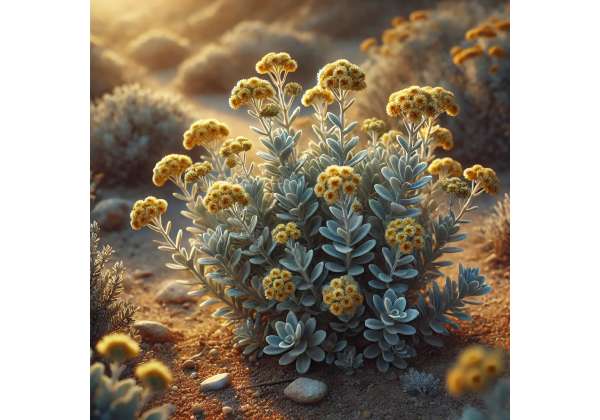
Helichrysum (Helichrysum italicum), often called immortelle or curry plant, is a fragrant Mediterranean herb prized for its yellow flowers, resinous aroma, and long traditional use in skin care, digestive support, and aromatic preparations. What makes it especially interesting is the gap between its reputation and its science: the plant clearly contains active compounds with antioxidant, anti-inflammatory, and antimicrobial potential, yet the strength of evidence still depends heavily on the form used. A tea, a hydrosol, a non-volatile extract, and an essential oil can behave very differently.
For most people, helichrysum is best understood as a practical support herb rather than a cure-all. Its most credible uses are topical, especially for irritated skin, wound-support routines, and cosmetic formulas aimed at redness or visible stress. Internal use also exists, usually as an infusion or extract, but it deserves more caution because dosing is less standardized and human research is still limited. Used thoughtfully, helichrysum can be a helpful plant with real promise, provided you match the form to the goal and keep expectations grounded.
Key Insights
- Helichrysum is most promising for antioxidant and anti-inflammatory support, especially in skin-focused products.
- The herb also shows antimicrobial potential, but this varies sharply with chemotype, extraction method, and formulation.
- A human study used 1 g dried herb daily as an infusion for 4 weeks, but there is no universal standard dose.
- Pregnant or breastfeeding adults, children, and people using multiple medicines should avoid concentrated internal products unless advised by a clinician.
Table of Contents
- What is helichrysum and whats in it
- What does helichrysum help with
- Helichrysum for skin and wound care
- Can you take helichrysum internally
- How much helichrysum should you use
- Side effects interactions and who should avoid
- What the evidence actually says
What is helichrysum and whats in it
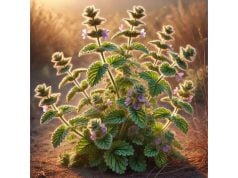
Helichrysum italicum is a woody, sun-loving herb from the daisy family that grows naturally in dry Mediterranean landscapes. Its narrow silver-green leaves and bright yellow flower heads hold aromatic compounds that give the plant its warm, curry-like scent. The common names can be confusing. “Immortelle” refers to the way the flowers keep their shape and color after drying, while “curry plant” describes the aroma, not a relationship to culinary curry leaf. That distinction matters because readers often assume similar smell means similar chemistry.
The plant’s medicinal interest comes from two broad groups of constituents: volatile compounds in the essential oil and non-volatile compounds in teas, extracts, and other preparations. The essential oil is best known for terpenes and terpene esters such as neryl acetate, nerol, alpha-pinene, limonene, gamma-curcumene, and other sesquiterpenes. These are part of what gives helichrysum its scent and much of its antimicrobial and cosmetic appeal.
The non-volatile side is just as important. Helichrysum also contains flavonoids, phenolic acids, caffeoylquinic acid derivatives, phloroglucinols, acetophenones, tremetones, and alpha-pyrone compounds. One of the most discussed markers is arzanol, a prenylated phloroglucinyl alpha-pyrone that researchers often connect with anti-inflammatory activity. That makes the herb chemically richer than many people expect from an aromatherapy plant.
A useful way to think about the herb is this:
- Essential oil emphasizes aroma, volatility, and concentrated lipophilic compounds.
- Infusions and gentler extracts emphasize polyphenols and water-soluble components.
- Hydrosols sit somewhere in between, carrying a much lighter aromatic fraction.
- Finished creams or serums depend as much on formulation quality as on the herb itself.
This helps explain why helichrysum products can seem inconsistent. A Corsican-style oil high in neryl acetate may not behave like a Balkan sample richer in alpha-pinene or curcumene-type compounds. Geography, subspecies, harvest timing, and extraction method all shape the final profile. In other words, “helichrysum” is not one chemically fixed product.
That variability is also why comparisons with other aromatic Mediterranean herbs can be useful. Like rosemary’s antioxidant and aromatic profile, helichrysum combines fragrance compounds with polyphenols, but the balance shifts depending on how the plant is processed.
Traditional uses have included support for bruises, inflamed skin, coughs, digestive discomfort, and liver or gall-related complaints. Modern science does not confirm all of these equally. Still, the chemistry gives the herb a plausible foundation for anti-inflammatory, antioxidant, and antimicrobial actions, especially where skin, surface tissues, or mild inflammatory stress are involved.
The practical takeaway is simple: helichrysum is not one thing. It is a chemically layered herb whose real effects depend on the form, dose, and context. Understanding that distinction is the key to using it wisely.
What does helichrysum help with
Helichrysum’s benefits are easiest to understand when you separate realistic support from exaggerated claims. The herb is often marketed for scars, wrinkles, bruises, detox, respiratory comfort, and even liver cleansing. Some of those ideas have a traditional basis, and some have early laboratory support, but only a few are strong enough to discuss with confidence.
The most plausible areas are:
- Mild anti-inflammatory support
- Antioxidant protection
- Topical support for irritated or stressed skin
- Antimicrobial support in certain formulations
- Gentle internal use as an infusion, with limited but emerging human data
For the average reader, skin is the clearest place where helichrysum may help. The plant is widely used in creams, oils, balms, and hydrosols aimed at redness, post-irritation discomfort, and recovery after minor surface damage. That does not mean it can replace prescription treatment for eczema, rosacea, infected wounds, or chronic skin disease. It means its chemistry fits the role of a supporting botanical where oxidative stress and inflammation are part of the problem.
Its antioxidant profile also makes it attractive in cosmetic routines. When brands describe helichrysum as “skin-revitalizing,” the honest translation is usually that its compounds may help reduce inflammatory pressure and support a healthier skin environment. That is a real but modest claim. It is not the same as proven wrinkle reversal.
Another frequently mentioned use is bruising and recovery after minor trauma. This is largely traditional and experience-based. The herb’s anti-inflammatory and circulation-related reputation may help explain why people reach for it, especially in oil blends, but high-quality human proof remains limited.
Internal use is more complicated. Helichrysum infusions have been used traditionally for digestive discomfort, bloating, and biliary complaints. A newer human study on helichrysum infusion points toward effects on inflammatory markers, gut barrier function, and microbiota-related outcomes in adults with metabolic syndrome traits. That is interesting, but it is still too early to treat the herb as an evidence-based metabolic therapy.
A good rule is to match the benefit claim to the preparation:
- Essential oil is mainly a topical and aromatic tool.
- Tea is a mild internal form, closer to food-like use than medicine-like dosing.
- Hydrosol is lighter and often easier for sensitive skin.
- Standardized extracts may be more potent, but also less predictable for self-use.
If you are comparing helichrysum with other classic skin botanicals, calendula for barrier and wound support is a useful reference point. Calendula is often gentler and more straightforward, while helichrysum may appeal more when an aromatic, antioxidant-rich profile is desired.
So what does helichrysum actually help with? The grounded answer is this: it may support irritated skin, surface-level healing routines, and mild inflammatory stress, while offering some internal promise that still needs better human research. It belongs in the category of useful supportive herb, not universal remedy.
Helichrysum for skin and wound care
Skin is where helichrysum has the clearest modern identity. In topical use, the herb is commonly chosen for irritated skin, visible redness, rough texture, and recovery-oriented formulas. The plant’s fragrance often leads people to think of it mainly as an essential oil, but good skin use depends less on scent and more on preparation.
There are four common topical forms:
- Essential oil diluted in a carrier oil or finished product
- Hydrosol used as a light spray or compress base
- Non-volatile extract in creams or serums
- Ointments or gels designed for targeted skin application
Each form has a different logic. Diluted essential oil is concentrated and aromatic, so it may suit short-contact or low-volume topical use in a well-made product. Hydrosol is much gentler and often better for people who want a lighter option. Extract-based creams can be the most practical because they combine the herb with a stable base that already supports the skin barrier.
The most credible topical uses include:
- Minor skin irritation after friction, shaving, weather stress, or overwashing
- Supportive care for superficial wounds after proper cleaning
- Cosmetic formulas aimed at visible redness or stressed-looking skin
- Adjunct use in skin routines where inflammation is part of the problem
That last point matters. Helichrysum works best as part of a good skin routine, not as a stand-alone fix. If a cleanser is too harsh, a wound is not properly cleaned, or an irritant stays in constant contact with the skin, no herb can fully compensate.
When it comes to wounds, it is important to stay realistic. Animal and preclinical studies suggest that helichrysum-based topical products may improve contraction, collagen-related markers, and tissue organization. Those findings make the herb promising, especially in repair-focused ointments and hydrogels. But self-treatment should remain conservative. Clean superficial abrasions are one thing; infected, deep, or worsening wounds are another.
A few practical rules make topical use safer:
- Patch-test new products on a small area first.
- Avoid applying concentrated essential oil directly to damaged skin.
- Use helichrysum after cleansing, not instead of cleansing.
- Stop if you notice more burning, redness, or itching.
- Choose fragrance-light formulas when your skin is reactive.
It also helps to know when a different herb may fit better. If your main priority is strong antimicrobial emphasis, tea tree for more focused topical antimicrobial use may be the closer comparison, though it is also more irritating for many people. Helichrysum is often the better choice when the goal is calm, repair, and lower sensory aggression.
Another overlooked benefit is user adherence. Some people are more consistent with a topical they enjoy using, and helichrysum’s warm, resinous scent can make that easier. That may sound cosmetic, but comfort influences routine, and routine matters in skin care.
In short, helichrysum’s skin value lies in being a supportive, inflammation-aware botanical. It is not a replacement for sterile wound care or dermatologic treatment, but it may be a thoughtful addition when the skin needs calm, protection, and time to recover.
Can you take helichrysum internally
Yes, helichrysum can be taken internally, but this is the area where caution matters most. Many people know the herb only as an essential oil and assume that internal use means swallowing drops. That is not the safest or most evidence-based way to approach it. Internal use is better thought of in terms of infusions, properly formulated extracts, and professionally made products, not casual essential-oil ingestion.
Traditional internal use has focused on:
- Mild digestive discomfort
- Fullness or bloating
- Cough and respiratory irritation
- General inflammatory complaints
- Liver and biliary support in folk practice
The problem is not that these uses are impossible. The problem is that most of the strong evidence is still preclinical or mixed. A review of internal-use data found some human trials involving helichrysum, but many did not test it as a single isolated ingredient. That makes it difficult to say exactly what the herb did on its own.
One of the more interesting recent findings comes from infusion use in adults with metabolic syndrome traits. In that study, participants consumed tea bags containing 1 g of dried plant material daily for 4 weeks. The helichrysum infusion was associated with reductions in some proinflammatory markers and zonulin, suggesting possible effects on gut barrier and inflammatory status. That is encouraging, but it should not be stretched too far. It was a small, specialized study, not a broad proof that helichrysum treats obesity, insulin resistance, or chronic inflammation.
For everyday use, internal helichrysum makes the most sense in three forms:
- A simple herbal infusion
- A professionally prepared extract with clear labeling
- A combined formula where the product’s purpose is well defined
What it does not justify is casual use of concentrated essential oil by mouth. Essential oils are chemically dense, and their safe oral use is far more complex than many product labels imply. The same plant that feels gentle as a tea can become irritating, unpredictable, or unsafe in an undiluted aromatic concentrate.
For readers familiar with other calming aromatic herbs, lavender’s traditional and modern uses provide a useful comparison. Both herbs straddle the line between aroma and medicine, but in both cases the safest internal choices are structured, clearly dosed products rather than improvised essential-oil use.
Internal helichrysum should also be seen as short-term and purpose-specific. It is not the best herb for experimental long-term self-treatment, especially if you are pregnant, breastfeeding, managing a chronic condition, or taking several medicines. If your interest is mainly digestive or inflammatory, it is better to use the lightest effective form first and reassess early.
So can you take helichrysum internally? Yes, in the right form and with restrained expectations. Tea and labeled extracts have a place. Swallowing essential oil on your own does not.
How much helichrysum should you use
Helichrysum dosing depends entirely on the form. This is not a herb where one number can cover everything, because an infusion, hydrosol, extract, and essential oil have very different strengths. That is why the smartest dose advice begins by separating forms rather than trying to force one universal rule.
For internal infusion use, the clearest human reference point is a study that used:
- 1 g dried plant material daily as a tea infusion for 4 weeks
That does not automatically make 1 g the ideal dose for everyone. It does, however, give a practical, human-tested amount that is more useful than guessing from essential-oil marketing. If you are trying helichrysum tea, that studied intake is a reasonable ceiling for cautious self-use unless a product label or clinician advises otherwise.
For topical use, dosing is better understood as concentration and frequency rather than grams per day. A few sensible rules help:
- Use only diluted essential oil in topical blends.
- Follow the product label for creams, serums, or ointments.
- Apply to a small area first, then expand only if tolerated.
- Use short, targeted courses rather than heavy indefinite use.
Hydrosols are usually the easiest form to dose because they are comparatively gentle. They are often used as light sprays, cooled compresses, or wipe-on skin applications. Even so, frequency should still match tolerance rather than enthusiasm. More is not always better, especially on compromised skin.
A practical approach looks like this:
- Choose one form only.
- Start with the lightest useful amount.
- Use it for several days without adding other new products.
- Reassess based on comfort, not marketing claims.
For example, a person exploring helichrysum for facial redness might choose a hydrosol once or twice daily first, rather than starting with a heavily fragranced oil blend. Someone using a repair cream after minor surface irritation might use it 1 to 2 times daily and stop once the area settles.
Duration matters, too. Internal use is best kept short and deliberate. A 2- to 4-week window is much more sensible than taking it indefinitely. If you feel nothing, that is useful information. If symptoms are getting worse, that is a reason to stop, not to increase the dose.
What about essential oil dose by mouth? For self-care, the safest answer is not to improvise one. There is no simple consumer-friendly oral dose that can be recommended responsibly across products and chemotypes.
The deeper principle is this: with helichrysum, thoughtful restraint is a strength. Use the mildest form that fits your goal, keep the course limited, and let the product type guide the dose.
Side effects interactions and who should avoid
Helichrysum has a relatively favorable reputation, but that does not make it risk-free. The main safety issue is not dramatic toxicity in normal use. It is mismatch: the wrong form, the wrong user, or the wrong assumption that “natural” automatically means gentle.
The most likely side effects are local and irritation-based:
- Stinging, burning, or redness after topical use
- Contact dermatitis, especially with essential-oil-heavy products
- Fragrance sensitivity
- Nausea or stomach upset with internal products in sensitive users
People with allergies to plants in the Asteraceae family may be more likely to react, although not everyone with that sensitivity will respond the same way. The essential oil deserves extra care because it concentrates volatile compounds that may irritate skin, eyes, airways, or mucous membranes when overused.
Who should be especially cautious or avoid concentrated internal use:
- Pregnant or breastfeeding adults
- Children
- People with asthma triggered by strong aromas
- People with very reactive or allergy-prone skin
- Anyone taking multiple prescription medicines
- Anyone with active liver disease unless medically supervised
Direct herb-drug interaction data for Helichrysum italicum are still limited, which means the honest position is uncertainty rather than reassurance. Some constituents have shown effects on drug-metabolizing systems in experimental settings, and aromatic extracts are chemically complex. For that reason, anyone taking anticoagulants, sedatives, seizure medicines, or medicines with a narrow safety window should avoid casual internal use of concentrated products.
Topically, the biggest mistake is using a potent product on already damaged skin and then assuming worsening means “healing.” If a product burns more each day, spreads redness, or seems to trigger bumps or itching, stop. With botanicals, irritation can masquerade as activity.
There is also a quality issue. Helichrysum products vary widely in purity, labeling, and dilution. A product that lists “immortelle complex” without naming the species, extract type, or concentration is much less trustworthy than one that clearly identifies Helichrysum italicum and the form used.
If you are comparing helichrysum with stronger astringent or toner-style botanicals, witch hazel for topical tightening and oil control can feel more drying, while helichrysum often suits skin that needs a calmer, less stripping approach. That difference matters for safety as much as for benefits.
A good safety summary is simple:
- Patch-test topical products.
- Keep internal use modest and short-term.
- Never self-dose essential oil by mouth casually.
- Avoid concentrated use in higher-risk groups.
- Stop early if your body clearly dislikes it.
Helichrysum is safest when it is treated as a precise tool, not a harmless background herb.
What the evidence actually says
The evidence for helichrysum is promising, but it is uneven. That is the most honest summary. Researchers have documented a rich phytochemical profile and a wide range of biological activities, but much of the strongest support still comes from laboratory work, animal models, or formulation studies rather than large human trials.
What the evidence supports best right now:
- The plant contains bioactive compounds with credible anti-inflammatory, antioxidant, and antimicrobial potential.
- Topical use is more strongly supported than broad internal therapeutic claims.
- Different forms of the plant behave differently, which is scientifically important and clinically inconvenient.
The strongest research pattern is preclinical. Essential oils and extracts repeatedly show activity in models of inflammation, oxidative stress, microbial growth, and tissue repair. Those findings explain why helichrysum is so popular in skin care and wound-oriented products. They also explain why its reputation has spread beyond traditional herbal use into cosmetics and specialty topical formulations.
Human evidence exists, but it is thinner than the marketing suggests. A review of internal-use studies found only a limited clinical base, and many trials involved mixtures rather than helichrysum alone. That makes attribution difficult. A newer randomized comparative tea study is especially interesting because it used Helichrysum italicum infusion directly and found improvements in inflammatory and gut-barrier markers over 4 weeks. Still, it was small and narrow in scope. That is enough for cautious interest, not enough for sweeping health claims.
Topical wound-healing research is also encouraging, but much of it remains animal-based. Formulations containing helichrysum essential oil have shown better contraction and histologic repair markers in experimental wound models. That points toward real potential, particularly in repair-focused ointments and hydrogels, but it is still a step below definitive clinical proof in humans.
The evidence also highlights a hidden weakness: standardization. Chemotype, growing region, subspecies, extraction technique, and finished formulation can all change the product. This is not a minor issue. It means one study may reflect a profile rich in neryl acetate, while another reflects a very different terpene balance. Readers often think research on “helichrysum” transfers neatly from one product to another. It often does not.
So how should a reader use the evidence?
- Trust the herb most for supportive topical roles.
- Treat internal benefits as plausible but not fully settled.
- Prefer clear, well-labeled products over vague blends.
- Be wary of claims that promise scar erasure, detoxification, or broad disease treatment.
Helichrysum’s science is mature enough to justify respect, but not mature enough to justify hype. It is a good example of a plant that likely has real value precisely because it does several modest things well: calming, protecting, and supporting stressed tissue. That may sound less dramatic than the marketing, but it is probably closer to the truth.
References
- Helichrysum italicum: From Extraction, Distillation, and Encapsulation Techniques to Beneficial Health Effects 2023 (Review)
- A Review and Evaluation of the Data Supporting Internal Use of Helichrysum italicum 2021 (Review)
- Helichrysum italicum (Roth) G. Don and Helichrysum arenarium (L.) Moench Infusion Consumption Affects the Inflammatory Status and the Composition of Human Gut Microbiota in Patients with Traits of Metabolic Syndrome: A Randomized Comparative Study 2022 (Randomized Comparative Study)
- Antioxidant and Antimicrobial Properties of Helichrysum italicum (Roth) G. Don Hydrosol 2022 (Experimental Study)
- Antibacterial and Antifungal Potential of Helichrysum italicum (Roth) G. Don Essential Oil 2024 (Review)
Disclaimer
This article is for educational purposes only and is not medical advice, diagnosis, or treatment. Helichrysum products vary widely in strength, purity, and formulation, and essential oils in particular can irritate skin, interact with medicines, or be unsafe when used internally without professional guidance. Speak with a qualified clinician before using helichrysum medicinally if you are pregnant, breastfeeding, managing a chronic condition, or taking prescription drugs.
If this article was useful, please share it on Facebook, X, or any platform where others might benefit from it.