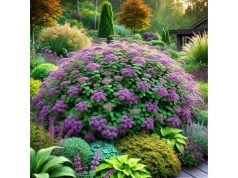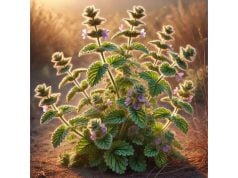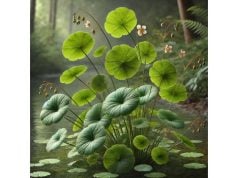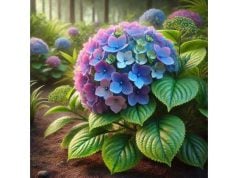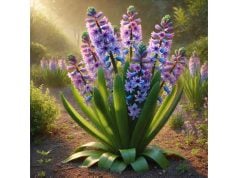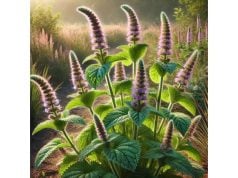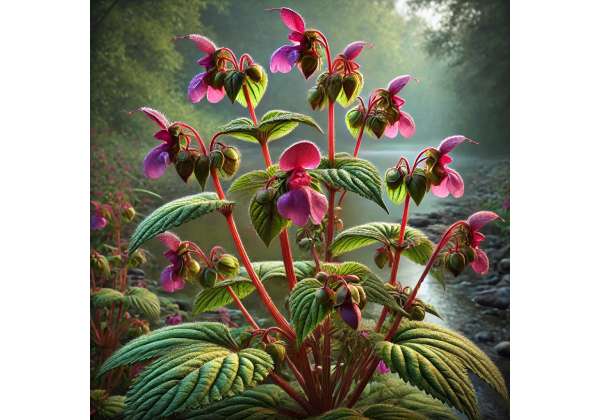
Himalayan balsam (Impatiens glandulifera) is a tall, striking plant known for its pink-purple flowers, hollow stems, and explosive seed pods that scatter seeds widely. Native to the western Himalayas, it has spread across Europe and North America, where it often grows along riverbanks, wetlands, and disturbed soils. While many people recognize it as an invasive species in some regions, the plant also carries a lesser-known history of traditional herbal use.
In parts of Asia, Himalayan balsam has been used for soothing skin irritation, supporting wound healing, and easing mild digestive discomfort. Its tissues contain a mixture of flavonoids, phenolic compounds, and plant acids that contribute to antioxidant and anti-inflammatory effects. These compounds have sparked interest among herbalists and researchers studying botanical skin care and plant-derived antioxidants.
Despite these intriguing properties, Himalayan balsam is not widely used in modern herbal medicine, and scientific evidence remains limited. When used carefully, however, certain plant parts have been applied in folk remedies or explored for topical preparations. Understanding both the potential benefits and the safety considerations is essential before considering any use of this unusual plant.
Quick Overview
- The plant contains flavonoids and phenolic compounds that may support antioxidant activity and mild anti-inflammatory effects.
- Traditional topical uses include soothing minor skin irritation and supporting superficial wound care.
- A cautious traditional preparation range is about 2–4 g of dried aerial parts infused as tea once daily.
- Avoid use during pregnancy, breastfeeding, or in individuals with sensitive skin or plant allergies.
Table of Contents
- What is Himalayan balsam
- Active compounds and plant chemistry
- Potential health benefits
- Traditional and modern uses
- Dosage and preparation
- Safety side effects and interactions
- Current research and evidence
What is Himalayan balsam
Himalayan balsam (Impatiens glandulifera) is a fast-growing annual plant belonging to the Balsaminaceae family. It originates in the Himalayan foothills of India, Pakistan, and Nepal, where it grows naturally along streams, moist woodland edges, and shaded valleys. The plant was introduced to Europe during the nineteenth century as an ornamental garden species, admired for its tall stature and orchid-like blossoms.
Over time, Himalayan balsam escaped cultivation and spread rapidly across riverbanks and wetlands throughout many temperate regions. Its ability to produce thousands of seeds that burst from pods when touched allows it to colonize new habitats quickly. For this reason, environmental agencies in several countries classify it as an invasive species.
From a botanical perspective, the plant can grow between 1 and 3 meters tall. Its stems are hollow and succulent, with lance-shaped leaves arranged in whorls or opposite pairs. The flowers appear in shades of pink, magenta, or occasionally white and attract bees and other pollinators with abundant nectar.
Despite its ecological reputation, Himalayan balsam has been noted in traditional herbal contexts. Certain communities used parts of the plant for soothing minor skin irritation and preparing mild herbal infusions. The leaves and stems contain natural compounds that exhibit antioxidant and antimicrobial characteristics in laboratory studies.
Understanding Himalayan balsam also benefits from comparison with other medicinal plants that have both ecological and therapeutic significance. For example, plants such as stinging nettle also thrive in disturbed habitats while offering potential health benefits when used responsibly.
However, Himalayan balsam remains far less established in herbal medicine than many traditional botanicals. Much of its reputation stems from local knowledge and small-scale research rather than centuries of consistent medicinal documentation.
In modern herbal practice, the plant is often discussed more as a botanical curiosity than as a standard remedy. Researchers continue to investigate its chemical profile and biological activity, but current knowledge suggests that any therapeutic use should be approached cautiously and with proper identification of the species.
Active compounds and plant chemistry
The potential medicinal interest in Himalayan balsam largely comes from its diverse chemical composition. Like many flowering plants, it produces secondary metabolites that help defend against pathogens, environmental stress, and herbivores. These compounds are also responsible for the plant’s possible antioxidant and anti-inflammatory properties.
Several classes of phytochemicals have been identified in the aerial parts of Impatiens glandulifera. These include flavonoids, phenolic acids, and organic acids that participate in plant metabolism and protection. While research remains limited compared with well-studied medicinal herbs, the compounds discovered so far suggest interesting biological activity.
Important phytochemical groups include:
- Flavonoids: These plant pigments contribute antioxidant effects and may help neutralize free radicals.
- Phenolic acids: Compounds such as caffeic acid derivatives can influence inflammatory pathways and support antimicrobial defenses.
- Naphthoquinones: These molecules may provide antimicrobial activity and play a role in plant defense.
- Organic acids: Mild acids present in the plant tissues contribute to metabolic balance and preservation mechanisms.
- Volatile components: Small amounts of aromatic compounds can contribute to subtle fragrance and biological interactions.
Flavonoids are especially noteworthy because they occur widely in plants known for their health-supporting properties. These molecules help stabilize reactive oxygen species and protect plant tissues from oxidative stress. Similar compounds appear in herbs like chamomile, which is valued for calming and anti-inflammatory characteristics.
Another interesting aspect of Himalayan balsam chemistry is its nectar production. The plant produces abundant nectar that attracts pollinating insects. While nectar itself is not typically used medicinally, the high sugar content demonstrates the plant’s metabolic activity and ecological role in supporting pollinator communities.
Laboratory studies examining extracts of Himalayan balsam have found evidence of antioxidant activity in vitro. Researchers attribute this effect mainly to phenolic compounds that can donate electrons and neutralize reactive molecules.
However, it is important to note that identifying compounds does not automatically confirm therapeutic effectiveness in humans. Many plants contain beneficial molecules, but the concentration, absorption, and biological interactions can vary widely.
From a phytochemical standpoint, Himalayan balsam shows promise as a source of plant-derived antioxidants. Yet the available research still represents early exploration rather than conclusive proof of medicinal value. Continued investigation into the plant’s chemistry may reveal additional insights into its biological activity and possible applications in herbal preparations or botanical extracts.
Potential health benefits
Although Himalayan balsam is not widely recognized in mainstream herbal medicine, several potential health benefits have been suggested through traditional use and preliminary research. These benefits mostly relate to the plant’s antioxidant compounds and mild anti-inflammatory properties.
One of the most commonly discussed potential benefits involves skin support and wound care. Traditional applications sometimes used crushed leaves or diluted plant extracts on minor cuts, abrasions, or insect bites. The soothing moisture of the plant tissues, combined with antimicrobial compounds, may help protect superficial wounds from irritation.
Another possible benefit relates to antioxidant activity. Flavonoids and phenolic compounds in Himalayan balsam can neutralize reactive oxygen species in laboratory settings. Antioxidants play an important role in protecting cells from oxidative stress, which is associated with aging and chronic disease processes.
Researchers have also examined antimicrobial effects in plant extracts. Some experiments suggest that Himalayan balsam may inhibit certain bacteria or fungi under laboratory conditions. This antimicrobial potential could help explain its historical use in topical preparations.
Additional areas of potential benefit include:
- Mild anti-inflammatory activity
- Support for skin barrier repair
- Natural antioxidant support
- Possible antimicrobial properties
These properties resemble the effects seen in several traditional skin-supporting herbs. For instance, botanical remedies such as calendula are well known for soothing irritated skin and supporting wound recovery.
However, the strength of evidence differs significantly. Calendula has been studied extensively, while Himalayan balsam remains relatively under-researched. Therefore, any discussion of benefits should remain cautious and realistic.
Another consideration is dosage and preparation. Many traditional uses involve topical application rather than internal consumption. Applying a plant extract to the skin often limits systemic exposure and reduces the likelihood of adverse reactions.
From a practical perspective, Himalayan balsam’s greatest potential may lie in topical herbal preparations rather than dietary supplements. Its antioxidant and antimicrobial compounds could make it useful for natural skincare formulations when properly prepared.
Nevertheless, because evidence is still emerging, Himalayan balsam should not be considered a primary treatment for medical conditions. Instead, it represents a botanical with promising chemical properties that may warrant further scientific study.
Traditional and modern uses
The practical uses of Himalayan balsam differ significantly between traditional herbal contexts and modern botanical research. In its native Himalayan regions, the plant has occasionally been incorporated into folk remedies that rely on easily accessible wild plants.
Traditional uses typically focused on the aerial parts of the plant, particularly the leaves and stems. Fresh plant material was sometimes crushed to release sap or juices that could be applied directly to the skin. These preparations were used for minor wounds, insect bites, or irritated skin surfaces.
Several forms of preparation have been described in traditional herbal contexts:
- Fresh plant poultice
Crushed leaves applied to minor skin irritations or abrasions. - Herbal infusion
Small amounts of dried aerial parts steeped in hot water for mild digestive support. - Skin wash
Diluted plant extracts used to cleanse irritated skin. - Herbal compress
Cloth soaked in a cooled infusion applied to inflamed areas.
Modern herbal practice rarely uses Himalayan balsam as a primary medicinal plant. However, the species occasionally appears in experimental herbal preparations or botanical research. Because the plant grows abundantly in some areas, herbalists sometimes explore its potential as a locally available resource.
Another contemporary use involves foraging and ecological management. Since the plant is invasive in many regions, harvesting it can help reduce its spread while providing plant material for experimentation or study.
In the context of skin care, Himalayan balsam extracts may appear in experimental natural cosmetics. The antioxidant compounds within the plant can complement other botanicals commonly used in skincare products. For example, herbal preparations might combine Himalayan balsam with soothing plants such as aloe vera to support hydration and skin comfort.
However, responsible use requires careful plant identification. Several plants share similar appearances, and misidentification can lead to ineffective or unsafe preparations. Foragers should always verify the species before harvesting any wild plant.
Additionally, environmental guidelines may restrict harvesting in protected habitats or conservation areas. Because Himalayan balsam spreads easily along waterways, removing it responsibly can help restore ecological balance in certain landscapes.
Overall, Himalayan balsam occupies an unusual place among herbs. It is neither a mainstream medicinal plant nor entirely without potential. Its uses remain experimental, local, and largely topical, reflecting both the plant’s chemistry and the limited evidence available so far.
Dosage and preparation
Determining an appropriate dosage for Himalayan balsam can be challenging because standardized herbal guidelines are limited. Unlike widely studied herbs with established therapeutic ranges, this plant lacks extensive clinical research to define precise intake levels.
In traditional herbal contexts, preparations are usually mild and diluted. Most uses involve topical application or gentle herbal infusions rather than concentrated extracts.
When the plant is prepared as an herbal infusion, a cautious traditional range is:
- 2 to 4 grams of dried aerial parts
- Steeped in 200–250 mL of hot water
- Consumed once daily
Fresh plant material may also be used in small amounts, though dried preparations provide more consistent concentration. Herbalists often recommend beginning with a lower amount and observing any response before increasing intake.
For topical preparations, the plant can be processed in several ways:
- Fresh plant compress
Crushed leaves applied to the skin for short periods. - Infused oil
Dried aerial parts steeped in carrier oil for several weeks. - Herbal rinse
Diluted infusion used as a gentle wash for irritated skin.
Topical application generally carries less systemic risk than ingestion because the compounds remain largely localized to the skin surface. Even so, individuals should test a small patch first to ensure no allergic reaction occurs.
Timing of use typically depends on the intended purpose. For skin applications, herbal washes or compresses may be applied once or twice daily for short periods. Internal use, if attempted at all, should remain occasional rather than long-term.
Because Himalayan balsam has not been standardized in modern herbal pharmacology, many practitioners prefer combining it with more established herbs. Digestive blends might include plants such as ginger, which has well-documented digestive-support properties.
Ultimately, dosage recommendations should remain conservative until stronger research confirms safe ranges. Individuals interested in experimenting with Himalayan balsam should consult knowledgeable herbal practitioners or healthcare professionals before using the plant internally.
Safety side effects and interactions
Safety considerations are especially important when exploring lesser-known herbal plants such as Himalayan balsam. Although the species is not widely recognized as highly toxic, its limited research base means that potential risks are not fully understood.
One possible concern involves skin sensitivity. Fresh plant sap may cause irritation in certain individuals, particularly those with sensitive skin or plant allergies. Symptoms could include redness, itching, or mild burning sensations.
Another issue is allergic reactions. People who are sensitive to flowering plants in related botanical families may experience allergic responses when handling or applying Himalayan balsam.
Potential side effects may include:
- Mild skin irritation
- Allergic rash
- Digestive discomfort if consumed in large amounts
- Headache or nausea in rare cases
Because the plant has not been extensively studied in clinical settings, certain groups should avoid using it altogether. These include:
- Pregnant individuals
- Breastfeeding individuals
- Children under twelve
- People with severe plant allergies
Herbal safety also involves understanding possible interactions with medications. Although no specific drug interactions have been confirmed for Himalayan balsam, plants with bioactive compounds may influence metabolic pathways or immune responses.
For this reason, people taking prescription medications should exercise caution and consult a healthcare professional before using unfamiliar herbs.
Comparatively, well-studied botanicals such as witch hazel have a longer record of safe topical use for skin irritation. Himalayan balsam lacks that depth of safety documentation.
Environmental contamination is another factor to consider. Plants growing along roadsides or polluted waterways may absorb heavy metals or other contaminants from soil and water. Harvesting from clean environments is essential for any wild plant used medicinally.
In general, Himalayan balsam should be approached as an experimental herbal resource rather than a proven remedy. Using small amounts, performing skin patch tests, and avoiding prolonged internal use can help reduce potential risks.
Current research and evidence
Scientific research on Himalayan balsam remains limited but gradually expanding. Most studies focus on the plant’s ecological impact, chemical composition, and antioxidant potential rather than clinical medicinal use.
Laboratory investigations have identified several bioactive compounds with antioxidant activity. These compounds may help neutralize free radicals and reduce oxidative stress in cell-based experiments. However, translating laboratory findings into clinical outcomes requires further investigation.
Another area of research involves the plant’s antimicrobial potential. Extracts from Himalayan balsam have shown inhibitory effects against certain microorganisms in vitro. These results support traditional observations that the plant may help protect minor wounds from infection.
Researchers are also studying the plant’s invasive behavior and ecological influence. Because Himalayan balsam grows aggressively in riparian ecosystems, understanding its chemistry may contribute to strategies for managing its spread while exploring beneficial uses of harvested biomass.
Future research directions may include:
- Detailed phytochemical analysis of plant extracts
- Evaluation of antimicrobial compounds
- Investigation of anti-inflammatory mechanisms
- Exploration of topical formulations for skincare
Compared with established medicinal herbs, the evidence base remains small. Plants such as echinacea have undergone decades of study and clinical trials, providing much stronger evidence for immune-support benefits.
For Himalayan balsam, most knowledge currently comes from laboratory research and traditional use observations. This means conclusions about its medicinal value must remain cautious.
Nevertheless, the plant’s chemical profile suggests it could become more relevant in future botanical research. If additional studies confirm its antioxidant and antimicrobial properties, Himalayan balsam might find applications in natural skincare, herbal extracts, or plant-based products.
Until such evidence becomes available, Himalayan balsam should be viewed as a promising but underexplored botanical rather than a mainstream herbal medicine.
References
- Impatiens glandulifera Royle: A Review of Its Invasive Biology, Phytochemistry and Potential Uses 2022 (Review)
- Phytochemical and Biological Activities of the Genus Impatiens 2023 (Systematic Review)
- Phenolic Compounds and Antioxidant Activity of Selected Medicinal Plants 2021 (Review)
- Biological Activities of Phenolic Compounds in Medicinal Plants 2023 (Review)
Disclaimer
This article is for educational purposes only and does not constitute medical advice. Himalayan balsam has limited clinical research regarding safety and effectiveness, and it should not be used as a substitute for professional medical treatment. Always consult a qualified healthcare professional before using any herbal preparation, especially if you are pregnant, breastfeeding, taking medications, or managing a medical condition.
If you found this article helpful, consider sharing it on Facebook, X, or another platform to help others learn about herbal plants and their responsible use.