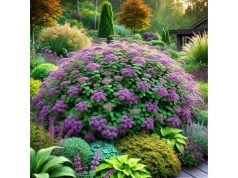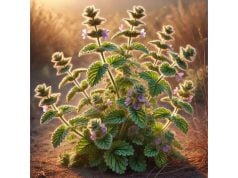
Coptis deltoidea is a bitter, yellow-rhizomed medicinal plant in the buttercup family and one of the accepted botanical sources of Coptidis Rhizoma, the classic Chinese herb more commonly known as Huanglian. That detail matters because this species is often discussed online as if it were a stand-alone “berberine plant,” when in practice it belongs to a larger medicinal category with a long traditional record and a more complex chemistry than a single-compound supplement. Its main reputation comes from intensely bitter isoquinoline alkaloids such as berberine, coptisine, palmatine, and jatrorrhizine, which help explain its traditional use for damp-heat digestive complaints, mouth and skin irritation, inflammatory states, and certain infection-related patterns. Modern research keeps circling back to the same themes: antimicrobial activity, metabolic support, anti-inflammatory potential, and strong gastrointestinal effects. But this is not a casual wellness herb. It is cold, bitter, pharmacologically active, and best approached with the same respect you would give any potent traditional root medicine.
Key Insights
- Coptis deltoidea is best known for digestive, antimicrobial, and inflammation-related support.
- Its most important compounds are berberine, coptisine, palmatine, and related protoberberine alkaloids.
- A commonly cited traditional crude-herb range is 2 to 5 g per day, with formula-based practice sometimes using more under supervision.
- Avoid unsupervised use during pregnancy, with active diarrhea, or alongside complex prescription regimens.
Table of Contents
- What is Huang Zhu
- Key alkaloids and actions
- What benefits is it used for
- How to use Huang Zhu
- How much should you take
- Side effects, interactions, and warnings
- What the evidence really says
What is Huang Zhu
Huang Zhu, as presented here for Coptis deltoidea, is best understood as a species-level entry into the broader Coptidis Rhizoma tradition. In modern pharmacopoeial use, Coptis deltoidea is one of the officially recognized source plants for Huanglian, alongside Coptis chinensis and Coptis teeta. Within that official grouping, Coptis deltoidea is commonly associated with the subtype called Yalian rather than being treated as a wholly separate herbal category. That species identity is important because it shapes quality control, alkaloid profile, and medicinal expectations.
From a traditional Chinese medicine point of view, this is a bitter and cold rhizome used to clear heat, dry dampness, drain fire, and resolve toxicity. Those phrases are old, but they still translate into recognizable modern patterns. The herb has long been used when symptoms are hot, inflamed, greasy, foul-smelling, swollen, or irritating to the gut, mouth, skin, or upper digestive tract. That is why classical uses include diarrhea, dysentery-type complaints, vomiting, abdominal fullness, jaundice, toothache, mouth ulcers, eczema-like irritation, and certain febrile disorders.
One of the easiest mistakes readers make is to assume Huang Zhu is simply “a natural berberine supplement.” Berberine is indeed one of its flagship compounds, but whole-rhizome medicine is broader than that. The plant also carries coptisine, palmatine, epiberberine, jatrorrhizine, and other alkaloids, plus smaller amounts of non-alkaloid constituents. Those additional compounds matter because they help explain why the herb behaves differently from isolated berberine capsules. A whole decoction is usually more bitter, more gastrointestinally active, and more traditionally versatile than a purified supplement.
Another useful point is that this herb is not a tonic in the nourishing sense. It does not build energy gently, moisten dryness, or support long-term use in the way some milder roots do. It is corrective and reducing. When it fits, it can be very effective. When it does not fit, it can feel harsh, cold, constipating, or irritating to the stomach.
So the best modern description is this: Coptis deltoidea is a potent source species of Coptidis Rhizoma, valued mainly for alkaloid-rich, bitter-cold actions that target inflammatory, microbial, metabolic, and damp-heat patterns. It is most useful when applied with a clear reason, a defined form, and realistic boundaries. That is where traditional logic and modern pharmacology overlap most convincingly.
Key alkaloids and actions
The chemistry of Coptis deltoidea is dominated by protoberberine alkaloids, and that is the real engine behind its medicinal profile. Berberine gets most of the attention, but it is not the whole story. Coptisine, palmatine, epiberberine, jatrorrhizine, and related compounds are all part of the plant’s activity. Comparative work across Coptis species shows that alkaloid patterns vary by species, which is one reason source identity matters for quality and taste as well as for pharmacology.
Berberine is the best-known constituent because it has the strongest modern clinical footprint. It is associated with effects on glucose metabolism, lipids, gut microbes, inflammatory signaling, and vascular function. If you want a narrower look at this compound outside the whole-herb context, a practical comparison is berberine supplement guidance. But the whole rhizome is not just a berberine delivery system. Coptisine appears relevant to antimicrobial and anti-inflammatory activity. Palmatine contributes additional bitter alkaloid action and may broaden the herb’s tissue-level effects. Jatrorrhizine and epiberberine are smaller players, yet they help define the total alkaloid fingerprint that distinguishes one Coptis source from another.
From a practical standpoint, the herb’s actions can be grouped into six main themes:
- Bitter digestive regulator.
- Antimicrobial and anti-biofilm support.
- Anti-inflammatory and oxidative-stress modulator.
- Metabolic and glucolipid support through berberine-rich pathways.
- Mouth, gum, and skin support in hot, irritated conditions.
- Heat-clearing and damp-drying action in traditional use.
Those actions make sense when you remember how the herb feels. It is intensely bitter, cooling, drying, and descending. That sensory profile is not cosmetic. Bitter herbs often stimulate digestive reflexes in small doses yet can feel suppressive or rough in larger amounts. The same compounds that make Huang Zhu interesting for glucose and lipid metabolism also explain why it can interact with drug-metabolizing enzymes and why it may cause gastrointestinal upset.
There is also a species-level nuance worth noting. Coptis deltoidea belongs to the official Huanglian group, but species comparisons suggest that alkaloid balance, bitterness pattern, and quality markers are not perfectly identical across all source plants. That is another reason broad claims based on generic “goldthread” language can become misleading. In a clinical or manufacturing setting, quality control is not a technical footnote. It changes what the user is actually taking.
This is why Huang Zhu works best when understood as an alkaloid-rich medicinal rhizome with a strong personality. It is powerful precisely because it is bitter, cold, and chemically concentrated. Those strengths create its limits as well as its benefits.
What benefits is it used for
The most believable benefits of Coptis deltoidea fall into three overlapping zones: digestive and gastrointestinal support, inflammation and microbial control, and metabolic support through berberine-related pathways. Those are also the areas where traditional use and modern research line up most clearly.
Digestive use is the oldest and still the most intuitive. Huang Zhu has been used for diarrhea, dysenteric patterns, vomiting, abdominal fullness, foul-smelling damp-heat complaints, and mouth or gum irritation. In modern terms, that does not mean it “fixes the gut” in a vague wellness sense. It means the herb is most at home when the picture includes irritation, microbial burden, inflammation, excessive heat, or an inflamed mucosal surface. Its bitterness and alkaloids make it more appropriate for hot, greasy, active patterns than for delicate digestion or chronic cold deficiency.
Its second major benefit cluster is antimicrobial and tissue-level irritation support. This includes traditional use in mouth ulcers, toothache, sore gums, eczema-like skin complaints, and inflamed topical conditions. In those settings, Huang Zhu is often used as part of a formula or as an external wash rather than as a simple single-herb daily tonic. Readers familiar with other berberine-rich bitter roots such as goldenseal will recognize the same general logic: strong alkaloids, strong bitterness, and a clear niche in short-term, irritation-heavy conditions.
The third area is metabolic support. Modern research on berberine has pushed Huang Zhu and related Coptis herbs into conversations about glucose control, lipids, insulin resistance, and metabolic syndrome. This is the area most likely to attract supplement users. It also needs the most honesty. The evidence for berberine is stronger than the evidence for whole Coptis deltoidea used alone, and the quality of systematic-review evidence is mixed. So while it is fair to say the herb has credible metabolic potential, it is not fair to present it as a replacement for medical care or as a guaranteed natural equivalent to prescription therapy.
Other traditional uses include jaundice-related damp-heat patterns, certain febrile illnesses, and formula-based use for inflammatory conditions involving the upper digestive tract or skin. These uses make sense inside traditional practice, but they should not be inflated into self-treatment advice for serious liver disease, high fever, or persistent infection.
In real life, Huang Zhu is strongest when the problem is specific. It is not a “take it for everything” herb. It is better for hot, irritated, damp, inflamed patterns than for fatigue, simple stress, or general prevention. That narrower view makes it more useful, not less.
How to use Huang Zhu
How Huang Zhu is used matters almost as much as how much is used. The rhizome can appear as a decoction, powder, granule, tablet, capsule, or extract, and each form changes what the user experiences. A traditional decoction of the crude rhizome is not equivalent to a standardized berberine capsule. The first is a whole-herb preparation shaped by multiple alkaloids and traditional processing. The second is usually a narrowed product designed for metabolic or gastrointestinal supplement use.
The classic method is decoction. The crude rhizome is simmered, usually as part of a formula rather than as a stand-alone herb. This is important because Huang Zhu is often paired with other herbs that soften, direct, or balance its bitter-cold nature. In formula practice, warming herbs, aromatic digestives, or protective demulcent partners may reduce the chance of stomach discomfort. That is one reason traditional use can tolerate potent herbs that might feel harsh in isolation.
Modern forms include:
- Decoction
Best aligned with traditional use and practitioner-guided prescribing. - Granules
Convenient and often easier to dose, but only meaningful if the crude-herb equivalent is stated. - Capsules or tablets
Common in supplement settings, especially when the goal is berberine-style metabolic support. - Topical rinses or washes
Used for hot, irritated tissues such as the mouth, gums, or skin in selected cases. - Standardized extracts
These may act more like targeted alkaloid products than like the traditional herb.
The biggest practical mistake is assuming every form does every job equally well. A berberine-standardized capsule may be a rational choice for someone focused on glucose or lipids. A decoction may be better for a traditional damp-heat digestive pattern. A mouth rinse or topical wash may be the better route for gum or skin irritation. Form should follow purpose.
This is also where product quality becomes critical. Because Coptis herbs are bitter and alkaloid-rich, low-quality products can vary widely in potency and tolerability. Species substitution, unclear extraction methods, and missing crude-equivalent information all make smart dosing harder.
A good way to think about Huang Zhu is as a structured tool, not a casual pantry herb. For people who want a parallel example of another bitter antimicrobial plant tradition, barberry offers a useful comparison: strong alkaloids, strong taste, and a need for careful use rather than enthusiasm alone.
How much should you take
Dosage with Huang Zhu depends heavily on whether you are using crude Coptidis Rhizoma, a practitioner-made formula, or a modern extract. For the crude herb, commonly cited traditional references place general use in the low gram range, often around 2 to 5 g per day. Preclinical dose-conversion discussions and toxicology papers also repeatedly use that range as a representative traditional human dose for Coptidis Rhizoma. At the same time, formula-based practice may go higher in selected conditions and under supervision, especially in metabolic or heat-heavy indications.
That means the safest public-facing guidance is not “take a lot because it is natural.” It is the opposite:
- Crude herb or decoction: often 2 to 5 g daily as a basic traditional range.
- Granules: follow the crude-herb equivalent, not just the powder weight.
- Standardized extracts: use product-specific instructions because berberine percentage changes everything.
- Topical rinses or washes: usually mild, short-term, and localized.
- Formula use: may differ from single-herb dosing and should not be copied casually.
Timing matters too. Because Huang Zhu is very bitter and can irritate the stomach, many people tolerate it better with food or inside a broader formula rather than alone on an empty stomach. If it causes nausea, cramping, coldness in the abdomen, or loose stools, that is not always a “detox reaction.” It may simply be the wrong dose, the wrong form, or the wrong herb for that person.
Duration should also stay purposeful. This is not usually a long-term daily tonic. Short courses for a clear indication make more sense than indefinite use. If a person is using a berberine-rich product for metabolic reasons, the timeline may be longer, but at that point the person is really in the territory of supplement management rather than classical single-herb self-care.
One practical rule helps more than any magic number: the more concentrated the product, the more conservative the dosing should become. A traditional decoction contains multiple constituents in a familiar matrix. A high-potency extract may deliver a much sharper alkaloid load than the label suggests. That is why product labels, crude-equivalent statements, and clinician guidance matter so much with Huang Zhu.
Side effects, interactions, and warnings
Huang Zhu is one of those herbs whose benefits and cautions are tightly linked. The same alkaloids that make it pharmacologically interesting also create most of its side effects and interaction risks. Berberine is the best-known example: it is widely studied and often well tolerated, yet it can also affect cytochrome enzymes, P-glycoprotein handling, blood sugar, and other drug-sensitive pathways. Human research also suggests that repeated berberine dosing can affect important drug-metabolism pathways, which helps explain why clinicians are cautious about combining it with prescription medicines that have narrow safety margins.
The most common side effects are gastrointestinal:
- Nausea.
- Abdominal cramping.
- Constipation or, in some settings, loose stools.
- Reduced appetite.
- A harsh bitter aftertaste or stomach heaviness.
With the whole herb, “too much cold and bitter” is not just traditional language. High doses can feel suppressive to digestion, especially in people who already tend toward poor appetite, loose stools, cold extremities, or a fragile gut. Experimental and review literature also notes that higher doses of Coptidis Rhizoma can adversely affect the gastrointestinal tract, which supports the long-standing practice of processing or balancing it in formulas rather than overusing it raw.
People who should avoid unsupervised internal use include:
- Pregnant people.
- Breastfeeding people unless specifically advised by a qualified clinician.
- Infants and young children.
- Anyone with active diarrhea or marked digestive weakness.
- People taking diabetes drugs, cyclosporine, anticoagulants, or other medicines with narrow therapeutic windows.
- Anyone with a history of major drug interactions or complex liver disease.
There is also an important difference between whole-herb Huang Zhu and purified berberine products. Some people tolerate low-dose berberine capsules but not the full herb. Others react more strongly to concentrated extracts because the alkaloid load is high and fast. Either way, assumptions are risky.
This is not the right herb for self-treating persistent infection, jaundice, chest pain, severe abdominal pain, or long-standing metabolic disease without medical oversight. It may be a useful part of a broader plan, but it should not become a shortcut around diagnosis and monitoring. Huang Zhu works best when it is used like a medicine, not like a casual “natural add-on.”
What the evidence really says
The evidence for Coptis deltoidea itself is strongest at the level of species identity, phytochemistry, and plausibility. The evidence for Coptidis Rhizoma as a herbal category is broader and much richer. The evidence for berberine, one of its flagship alkaloids, is broader still. That three-layer structure is the single most important thing to understand before judging the herb.
At the species level, recent work confirms that Coptis deltoidea belongs to the official Coptidis Rhizoma group and has a distinct alkaloid profile relative to other Coptis species. That is useful for quality control and supports species-specific discussion. At the herb level, large reviews show a long traditional record and a broad experimental literature touching inflammation, metabolism, antimicrobial effects, pharmacokinetics, and toxicology. At the compound level, berberine now has systematic reviews and overviews suggesting real benefits in metabolic and gastrointestinal outcomes, but the same overviews also warn that the evidence quality is uneven and often limited by study design.
So what should a careful reader conclude?
- The herb is real, active, and chemically well characterized.
- Traditional uses for digestive heat, microbial irritation, and inflammatory patterns are coherent.
- Berberine-related metabolic claims have substantial modern support, but much of that support belongs to the compound literature, not exclusively to whole Coptis deltoidea.
- Safety and interaction concerns are not hypothetical. They are part of the herb’s practical reality.
- Human evidence is promising but not strong enough to justify exaggerated claims.
This means Huang Zhu deserves neither dismissal nor hype. It is not a folk relic, and it is not a cure-all. It sits in the more interesting middle ground: an old medicinal rhizome whose traditional uses are surprisingly compatible with modern mechanistic science, yet whose clinical evidence still has gaps. That is often the mark of a serious herb.
The most useful way to approach it is with layered expectations. Use the species identity for accuracy. Use the Coptidis Rhizoma tradition for context. Use berberine research for modern clinical clues, but do not confuse the compound with the whole rhizome. When those levels stay separate, the herb becomes much easier to understand and much harder to misuse.
References
- NMM – Coptis deltoidea Rhizome Sliced 2023
- Study on the correlation between alkaloids and tastes of Coptis Rhizome from four species based on UHPLC-QQQ-MS/MS combined with electronic tongue technique 2024
- Effect of Coptidis Rhizoma on gastrointestinal system before and after processing with wine based on gut microbiota and short chain fatty acids 2024
- Berberine and health outcomes: an overview of systematic reviews 2025
- Coptidis Rhizoma: a comprehensive review of its traditional uses, botany, phytochemistry, pharmacology and toxicology 2019
Disclaimer
This article is for educational purposes only and is not medical advice, diagnosis, or treatment. Huang Zhu and related Coptis preparations are potent bitter herbs with clinically relevant alkaloids, possible drug interactions, and meaningful gastrointestinal effects. They should not be used to self-treat serious infection, jaundice, uncontrolled blood sugar, liver disease, or persistent digestive symptoms. Speak with a qualified healthcare professional before using this herb internally if you are pregnant, breastfeeding, taking prescription medicines, managing a chronic condition, or considering a concentrated extract.
If this article helped you, please share it on Facebook, X, or your preferred platform so more readers can find careful, evidence-aware information about Huang Zhu.