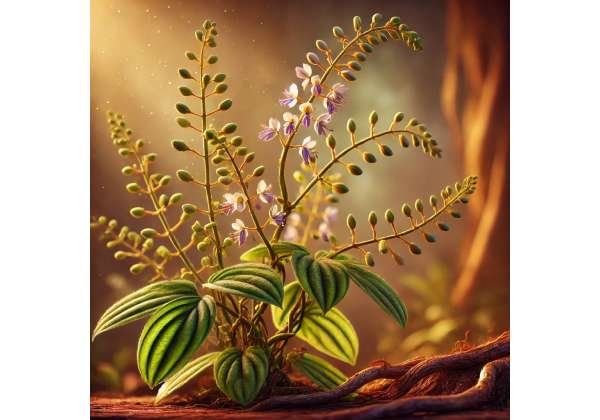
Indian sarsaparilla, better known botanically as Hemidesmus indicus, is a fragrant medicinal climber whose roots have been used for centuries in Ayurveda, Siddha, and Unani practice. It is valued not because it does one dramatic thing, but because it fits several common needs at once: it is traditionally used to cool and soothe, support digestion, calm irritated skin patterns, and help the body recover from inflammatory stress. The root has a naturally sweet, earthy, slightly vanilla-like aroma, which hints at the aromatic compounds that make it distinctive.
Modern interest in Indian sarsaparilla centers on its antioxidant, anti-inflammatory, liver-protective, and glucose-modulating potential. At the same time, the evidence is still much stronger in laboratory and animal work than in human trials. That matters. It means the herb is promising, but it should be used with realistic expectations rather than marketed as a cure-all. For most people, the practical questions are simple: what is it, what is in it, what can it realistically help with, how is it used, and when should caution come first? This guide answers those questions clearly.
Essential Insights
- Indian sarsaparilla is most often used for digestive irritation, inflammatory balance, and skin support rather than for one single headline benefit.
- Its most notable actions appear to come from aromatic aldehydes, triterpenes, flavonoids, tannins, and other antioxidant compounds concentrated in the root.
- A practical traditional range is often about 1 to 3 g of powdered root or a decoction made from roughly 10 to 20 g of dried root.
- Concentrated extracts are best avoided during pregnancy and breastfeeding unless a qualified clinician specifically recommends them.
- People using diabetes medicines should be cautious because the herb may influence glucose handling.
Table of Contents
- What is Indian sarsaparilla?
- Key compounds and actions
- What does it help with?
- How to use it well
- How much to take
- Side effects and who should avoid it
- What the research really shows
What is Indian sarsaparilla?
Indian sarsaparilla is a slender twining shrub in the Apocynaceae family. The part used most often is the root, which is brown on the outside, lighter within, and noticeably aromatic when cut or powdered. In traditional systems it is commonly known as Sariva or Anantamul, and it has long been included in cooling tonics, root decoctions, medicated oils, powders, and syrups.
One of the most useful things to understand at the start is that Indian sarsaparilla is not the same plant as the better-known Smilax species often sold elsewhere as “sarsaparilla.” The names overlap, but the plants are different. Their chemistry is different, their traditional use patterns differ, and products made from one should not automatically be assumed to behave like the other. This confusion is one reason readers sometimes see conflicting claims online.
Traditionally, Hemidesmus indicus is used as a cooling, sweet-bitter root for conditions associated with heat, irritation, dryness, burning, or inflammatory overload. In plain language, that has often meant digestive upset with burning sensations, itchy or reactive skin, urinary irritation, post-fever weakness, and certain inflammatory or toxic-feeling states. It has also been used in broader tonic formulas when someone feels run down, overheated, or “off balance.”
The root’s smell is one of its most memorable features. Good-quality material often has a soft, sweet, almost vanilla-like scent. That sensory detail matters because it reflects some of the aromatic chemistry that makes the plant distinctive. This is not just a bland woody root. It is chemically active, sensorially recognizable, and traditionally prized for that reason.
Indian sarsaparilla is also a formula herb rather than only a stand-alone herb. In many classical preparations it appears beside other botanicals, where its role is to cool, soften, and moderate harsher ingredients. That background role helps explain why people sometimes underrate it. It may not be as flashy as strongly bitter or sharply stimulating herbs, but it is often the herb that makes a blend more tolerable and balanced.
A practical way to think about the plant is this:
- It is mainly a root medicine.
- It is traditionally used for cooling and soothing support.
- It is commonly chosen for skin, digestion, urinary comfort, and inflammatory tone.
- It is more of a steady restorative herb than a fast-acting stimulant.
That steady nature is part of its appeal. People rarely use Indian sarsaparilla because they expect a sudden dramatic effect. They use it because it fits a certain pattern: heat, irritation, recurrent inflammatory stress, or a need for a gentler tonic herb that does not feel overly stimulating.
Key compounds and actions
Indian sarsaparilla’s activity begins with its phytochemistry. The root contains a layered mix of aromatic aldehydes, phenolic compounds, tannins, saponins, triterpenes, sterols, and volatile constituents. That mix matters because the herb is not defined by one “magic” molecule. Its traditional and experimental effects appear to come from multiple compounds working together.
Among the most discussed constituents are aromatic compounds such as 2-hydroxy-4-methoxybenzaldehyde and related molecules. These help explain the plant’s signature fragrance and are often mentioned when researchers discuss antioxidant and tissue-protective effects. Triterpenes such as lupeol-related and beta-amyrin-related compounds also draw interest because they are commonly linked to anti-inflammatory and membrane-stabilizing actions in medicinal plants.
The root also contains flavonoids and tannins. These are important because they often contribute to antioxidant behavior, mild astringency, and protective effects on irritated tissues. That helps explain why the herb has such a long history in digestive and skin-oriented use. A mildly astringent, aromatic, cooling root is a sensible traditional choice when tissue irritation and inflammatory reactivity are part of the picture.
Volatile components add another dimension. Even when present in smaller amounts than the non-volatile compounds, they influence aroma, antimicrobial potential, and how the herb feels in decoctions and powders. This is one reason Indian sarsaparilla can taste and smell more refined than many heavy medicinal roots. It has resinous, sweet, and faintly spicy notes rather than only bitterness.
A simple functional breakdown looks like this:
- Aromatic aldehydes help define the scent profile and may contribute to antioxidant and protective effects.
- Flavonoids and phenolics support free-radical scavenging and inflammatory balance.
- Tannins add mild astringency and tissue-tightening support.
- Saponins and triterpenes may contribute to anti-inflammatory, membrane, and metabolic effects.
- Volatile compounds shape aroma and may add mild antimicrobial value.
Another useful point is that extraction method changes what you get. A water decoction, powdered root, alcohol extract, and standardized capsule will not deliver the same balance of constituents. A traditional simmered root drink emphasizes water-soluble compounds and long-used practice. A more concentrated extract may push certain fractions harder. This is why two Indian sarsaparilla products can feel different even if both are technically made from the same plant.
Readers familiar with ginger’s active compounds may recognize the same principle here: herbs work best when you understand both the plant and the preparation, not just the name on the label.
The most balanced conclusion is that Indian sarsaparilla earns interest because its chemistry supports its traditional identity. It is aromatic yet cooling, mildly astringent yet not harsh, and chemically broad enough to make its digestive, skin, and inflammatory uses plausible. What it does not justify is the exaggerated idea that one root can detox every organ or replace standard medical care.
What does it help with?
Indian sarsaparilla is associated with a wide list of traditional uses, but the most realistic way to approach it is to focus on a few practical lanes rather than dozens of claims. The herb makes the most sense when used for digestive irritation, skin support, inflammatory balance, and gentle restorative care. Outside those lanes, the evidence becomes thinner or more indirect.
One common use is digestive comfort, especially when meals leave a person feeling hot, irritated, sour, or heavy. Traditional descriptions often emphasize burning sensations, poor appetite, loose stools with irritation, or a sense that digestion is inflamed rather than merely sluggish. In modern terms, this makes Indian sarsaparilla more of a soothing digestive herb than a sharply stimulating bitter. It is not a strong laxative and not a classic carminative for gas alone. It fits better when there is irritation, heat, or tissue sensitivity.
Another major area is skin support. This does not mean the root is a proven treatment for every rash or acne pattern. It means it has long been used when skin symptoms seem tied to internal inflammatory load, heat, or recurrent irritation. Many traditional “blood-purifying” claims are best translated this way: the herb may support systems involved in inflammatory balance rather than literally cleanse the blood. That shift in language makes the claim more honest and more clinically useful.
Inflammatory discomfort is another realistic target. Experimental work suggests anti-inflammatory and antioxidant effects, which may help explain why the root appears in formulas used for joints, post-illness recovery, and general irritability of tissues. Still, readers should think in terms of support, not replacement. An herb that may soften inflammatory tone is not the same as a substitute for proper arthritis care or for urgent medical evaluation when symptoms are severe.
There is also growing interest in liver support and metabolic balance. Preclinical studies suggest antioxidant and hepatoprotective potential, and some work points toward effects on glucose handling. That makes Indian sarsaparilla interesting, but it is still too early to present it as a first-line herb for liver disease or diabetes. If liver support is your primary goal, it is worth comparing its softer, broader profile with more targeted discussions of milk thistle and liver support rather than assuming all “detox” herbs are interchangeable.
A realistic benefits summary looks like this:
- Best traditional fit: digestive irritation with heat or burning.
- Strong traditional lane: skin patterns linked to internal inflammatory stress.
- Plausible modern use: antioxidant and anti-inflammatory support.
- Emerging but not confirmed: metabolic and liver-support roles.
- Weakest claims: any promise that it cures major disease by itself.
This is also a good place to set expectations about timing. Indian sarsaparilla is not usually the herb people notice in one hour. It is more often used for several days or weeks. The effect, when it helps, is often described as calmer digestion, less irritated skin, or a general sense that the body feels less inflamed and less “overheated.” Those are subtle but meaningful outcomes, and they fit the plant better than miracle-style promises.
How to use it well
The root is the main medicinal part, and how you use it depends on whether your goal is gentle daily support or a more concentrated therapeutic trial. The most traditional form is a decoction, but powders, capsules, syrups, and topical applications also exist.
A decoction is often the best starting point because Indian sarsaparilla is a root, not a delicate leaf. Simmering the cut or dried root in water extracts more from the plant than a quick steep would. This form suits people who want a traditional, slower, gentler way to use the herb. It is especially practical for digestive discomfort, post-meal heat, or daily tonic use.
Powder is another common option. It is convenient, easy to combine with warm water, and useful when someone wants a repeatable routine without cooking roots every day. Powdered root may feel stronger or earthier than a decoction, and some people tolerate small divided doses better than one larger serving. Because root powders can be heavy on the stomach in larger amounts, starting low matters.
Capsules and extracts are best for people who need convenience or want a more measured product. The trade-off is that concentrated supplements can feel less gentle than traditional preparations. They also make it easier to overestimate what the herb can do. A capsule is not automatically better just because it is stronger.
Practical forms include:
- Decoction of dried root for traditional daily use.
- Powder mixed with warm water for simple home use.
- Capsules when convenience matters.
- Syrups or sharbat-style preparations for palatability.
- Topical oils, creams, or washes when the goal is skin comfort.
Matching the form to the goal helps a lot. For example:
- Choose decoction for regular digestive or cooling support.
- Choose powder when you want a traditional form without simmering.
- Choose capsules only when you need portability and reliable product labeling.
- Choose topical preparations for localized skin or scalp use, but patch-test first.
Quality matters more than many people realize. Because “sarsaparilla” is a confusing market term, buy products that clearly state Hemidesmus indicus and the plant part used. The root is the part most tied to the traditional record and the main phytochemical research. A vague label that just says “sarsaparilla” does not tell you enough.
Indian sarsaparilla also works well as part of broader routines. Some traditional skin-focused formulas pair it with other roots or cooling herbs rather than using it completely alone. People interested in that style sometimes also look at burdock root for skin support, although the two herbs are not identical and should not be treated as direct substitutes.
The best use principle is simple: do not choose the strongest form first. Choose the form that matches your goal, your digestion, and the amount of structure you can actually maintain. Consistency usually matters more than intensity with this herb.
How much to take
Dose depends on the form, the person, and the reason for use. Because human trial data are limited, Indian sarsaparilla dosing is still guided mainly by traditional practice, product form, and cautious titration rather than by one universally accepted clinical standard.
For powdered root, a practical adult range is often about 1 to 3 g per dose. Many people do best starting at the low end once daily, then moving to twice daily only if the herb feels comfortable and useful. This is a sensible range for people testing basic tolerance or using the herb as part of a broader digestive or skin-support routine.
For decoctions, a common traditional approach is to prepare the root as a simmered drink rather than a quick tea. In real-life use, that often means roughly 10 to 20 g of dried root over a day’s preparation, sometimes somewhat more in classical practice. The exact strength varies a lot with the size of the cut root, simmering time, and whether the dose is taken once or split into two servings. This is why decoction instructions vary widely across products and traditions.
Timing can change the experience:
- After meals often works best for digestive burning, heaviness, or irritation.
- Between meals may suit those using it more as a tonic.
- Earlier in the day is often better when using larger decoctions, simply because it is easier to assess how your body responds.
Duration also matters. Indian sarsaparilla is usually not a one-dose herb. A fair self-trial is often two to six weeks, depending on the goal. After that, reassess honestly. If nothing meaningful has changed, increasing the dose indefinitely is rarely the answer.
Three common mistakes are worth avoiding:
- Starting with a concentrated extract instead of a gentler form.
- Taking large amounts because the herb is “natural.”
- Continuing for months without asking whether it is actually helping.
People often ask whether more is better for skin complaints. Usually it is not. Skin-related use is often about steady, tolerable use plus time, hydration, diet, and realistic expectations. Overshooting the dose can create stomach upset without improving outcomes.
If your main goal is urinary soothing rather than broader cooling or skin support, some readers may find corn silk for urinary comfort easier to match to that narrower purpose.
The safest dosing mindset is to begin with the lowest practical amount, observe for a week or two, then adjust only if the herb is clearly helping and clearly tolerated. With Indian sarsaparilla, thoughtful dosing usually works better than aggressive dosing.
Side effects and who should avoid it
Indian sarsaparilla is often described as gentle, and in traditional amounts that is a fair starting impression. But “gentle” is not the same as risk-free. Side effects, interactions, poor-quality products, and inappropriate self-treatment all deserve attention.
The most likely mild side effects are digestive. These may include stomach unease, loose stools, nausea, bloating, or an overly cooling feeling in people who already tend toward weak appetite or cold digestion. In many cases the problem is not the herb itself but the form or dose. A heavy powder or concentrated extract may be harder to tolerate than a lighter decoction.
Allergy is possible with any botanical, even when it is uncommon. Anyone trying a topical oil, cream, or wash should patch-test first, especially if the skin barrier is already broken or reactive. Traditional use does not guarantee that every commercial topical product will be well tolerated.
Interaction-wise, the most sensible caution involves glucose control. Because Indian sarsaparilla has shown glucose-related activity in preclinical work, people using diabetes medicines should not assume it is neutral. Even a mild additive effect can matter when prescriptions are already in place. Monitor closely and involve a clinician rather than layering herbs onto glucose-lowering treatment casually.
Pregnancy and breastfeeding are another clear caution zone. The main issue is not strong evidence of harm; it is the lack of strong human safety data for medicinal dosing. Food-like use in mixed traditional preparations is different from self-prescribing concentrated powders, capsules, or extracts. That is why the conservative approach is best: avoid medicinal doses unless supervised by a qualified professional.
The herb is also not a smart self-treatment choice for:
- Children without professional guidance.
- People with complex liver, kidney, or multi-drug medical regimens.
- Anyone delaying diagnosis for persistent rash, weight loss, jaundice, blood sugar changes, or urinary pain.
- People using low-quality products with unclear sourcing.
Product quality deserves special emphasis. A label that says only “sarsaparilla” is not good enough. The plant should be identified as Hemidesmus indicus, and the form should be clear. Misidentified or mixed products are a more practical risk than dramatic toxicity for many users.
For people whose main interest is topical skin support, a simpler herb profile such as neem’s traditional skin-focused use may sometimes be easier to use than experimenting with mixed sarsaparilla products of uncertain quality.
The bottom line is sensible: Indian sarsaparilla can be a reasonable herb for careful adults, but it should be used with the same respect you would give any biologically active plant. Start low, buy clearly labeled products, and do not use it to replace diagnosis or necessary treatment.
What the research really shows
The research picture on Hemidesmus indicus is promising but uneven. The strongest body of evidence is preclinical, not clinical. That means there are many laboratory and animal studies pointing toward antioxidant, anti-inflammatory, antimicrobial, hepatoprotective, anti-ulcer, antidiabetic, and tissue-protective effects, but there are still very few well-designed human trials proving clear therapeutic outcomes in everyday clinical use.
That gap matters more than it may seem. Preclinical research is useful because it helps explain why traditional uses may have developed. It can show that certain extracts reduce inflammatory markers, scavenge free radicals, affect enzymes linked to glucose metabolism, or protect tissues in animal models. But none of that automatically tells us how well the whole root works in humans, at what dose, for which condition, for how long, and with what trade-offs.
One of the most encouraging parts of the literature is the consistency of the general pattern. Across reviews and pharmacological studies, Indian sarsaparilla keeps showing up as a root with broad antioxidant and anti-inflammatory potential and a chemically interesting profile. That consistency supports the idea that the plant is not merely folkloric. It has real pharmacology. What it does not yet support is disease-specific certainty.
The evidence is weakest where marketing is often loudest. Claims about “detox,” “blood purification,” cancer support, and diabetes reversal run far ahead of what the current human evidence can justify. Some laboratory and cell-line findings are intriguing, but they are not enough to build consumer-level promises around serious illness.
Researchers still need better answers to several key questions:
- Which preparation works best: decoction, powder, or standardized extract?
- Which compounds are most responsible for the observed effects?
- What are the best human dosing ranges for specific goals?
- How consistent are commercial products from one batch to the next?
- Which benefits actually hold up in controlled human trials?
Standardization is especially important. Indian sarsaparilla is a plant with meaningful chemical variability. Root age, origin, processing, and extraction method all affect the final product. Until that is handled better, the jump from promising plant to dependable clinical herb stays incomplete.
Compared with herbs that now have broader human-trial coverage, such as ashwagandha for stress support, Indian sarsaparilla still sits in an earlier research stage. That does not make it unimportant. It simply means the most honest conclusion is also the most useful one: traditional use is substantial, preclinical evidence is encouraging, and clinical certainty is still limited.
For readers, that means Indian sarsaparilla is best viewed as a thoughtful traditional herb with real scientific interest, not as a guaranteed shortcut. It may deserve a place in careful self-care or professionally guided herbal practice, but it also deserves realistic expectations.
References
- Indian Sarsaparilla (Hemidesmus indicus): Recent progress in research on ethnobotany, phytochemistry and pharmacology 2020 (Review)
- A systematic analysis of the ethnopharmacological relevance of an Indian traditional plant, Hemidesmus indicus (L.) R.Br. for the past 10 years 2024 (Systematic Analysis)
- Analysis of the chemical composition of root essential oil from Indian sarsaparilla (Hemidesmus indicus) and its application as an ecofriendly insecticide and pharmacological agent 2021 (Phytochemical Study)
- Optimization of ultrasound-assisted extraction of bioactive chemicals from Hemidesmus indicus (L.) R.Br. using response surface methodology and adaptive neuro-fuzzy inference system 2023 (Phytochemical Study)
- Preliminarily phytochemical screening and in vivo safety evaluation of ethanolic extract of Hemidesmus indicus (Linn.) 2018 (Safety Study)
Disclaimer
This article is for educational purposes only and does not diagnose, treat, or replace medical care. Indian sarsaparilla may affect the body in meaningful ways, especially in concentrated forms, so medicinal use should be discussed with a qualified healthcare professional if you are pregnant, breastfeeding, managing diabetes, taking regular medication, or treating a persistent symptom. Seek medical care promptly for severe rash, jaundice, blood sugar changes, fever, urinary pain, or any symptom that is worsening or unexplained.
If you found this guide helpful, please share it on Facebook, X, or any platform your readers and clients use most.