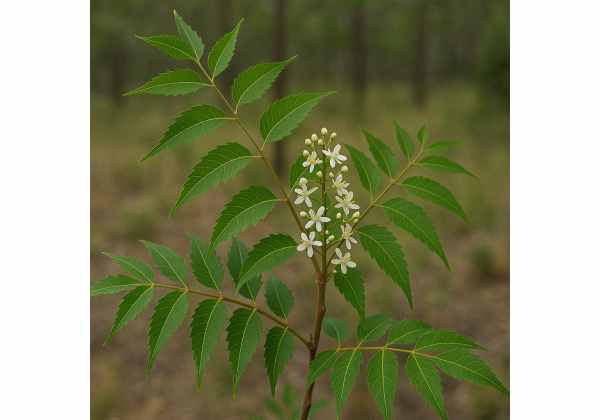
Neem, or Azadirachta indica, is one of the most recognized medicinal trees in South Asian herbal practice, where its leaves, bark, flowers, twigs, and seed oil have been used in very different ways for centuries. It is best known for its bitter taste, strong antimicrobial reputation, and wide range of traditional uses for skin care, oral hygiene, minor inflammatory complaints, and seasonal wellness. Modern research adds to that long history by showing that neem contains a large group of active compounds with antioxidant, anti-inflammatory, antimicrobial, and metabolic effects.
Still, neem is a herb that needs context. The leaf is not the same as the bark, and neither is the same as concentrated seed oil. That difference matters for both effectiveness and safety. Used thoughtfully, neem can be a useful topical and supportive herb. Used carelessly, especially in strong oral forms, it can cause problems. A good neem guide should therefore do more than list benefits. It should explain which part is used, what it may help with, how much is reasonable, and who should avoid it.
Essential Insights
- Neem is most useful for topical skin support, oral hygiene, and general antimicrobial wellness routines.
- Its best-supported properties are anti-inflammatory, antioxidant, and broad-spectrum antimicrobial.
- A common traditional neem leaf range is 1 to 3 g of powder daily, or 10 to 20 mL of decoction.
- Pregnant people, children, and anyone considering oral neem seed oil should avoid unsupervised use.
Table of Contents
- What neem is and which parts are used
- Key ingredients in Azadirachta indica
- Health benefits and medicinal properties of neem
- Traditional and modern uses of neem
- How to choose, prepare, and use neem
- Dosage, timing, and duration
- Safety, side effects, and interactions
What neem is and which parts are used
Neem is a fast-growing evergreen tree in the mahogany family, native to the Indian subcontinent and now cultivated widely in tropical and subtropical regions. In traditional medicine, it is sometimes called the “village pharmacy” because so many parts of the tree are used. That reputation is understandable, but it can also create confusion. One of the most important things to know about neem is that its parts are not interchangeable.
The leaf is the part most often associated with everyday herbal use. It is intensely bitter and traditionally used in powders, decoctions, topical pastes, and oral-care preparations. Leaf preparations are the most realistic starting point for people interested in neem as a medicinal herb because they have a long history of internal and external use and are easier to dose sensibly.
The bark is also used traditionally, especially in bitter decoctions and formulas aimed at skin conditions, digestion, and general inflammatory balance. It is less common in casual wellness products, but it appears often in classical herbal material. Twigs have an even more practical role. In many communities, neem twigs are chewed or used as tooth-cleaning sticks, which helps explain neem’s long association with oral hygiene.
The flowers are milder and are sometimes used in food and digestive preparations. The seeds and seed oil are different. Neem seed oil is powerful, pungent, and much more safety-sensitive than leaf tea or powder. It is used externally in soaps, scalp products, and pest-repelling formulations, but it should not be treated like a casual oral supplement.
That distinction matters because articles often talk about “neem benefits” as though every preparation works the same way. They do not. A diluted leaf mouth rinse, a bark decoction, a topical neem cream, and concentrated seed oil may all come from the same tree, but they have different chemical profiles, strengths, and risks.
A useful way to think about neem is by intended use:
- Leaf is the best-known general medicinal part.
- Bark is more traditional and formula-based.
- Twigs are strongly linked to oral care.
- Seed oil is mostly topical and demands more caution.
This part-specific view makes the rest of the article easier to understand. Neem is not one single product. It is a medicinal tree with several distinct preparations, and safety begins with choosing the right part for the right purpose.
Key ingredients in Azadirachta indica
Neem’s medicinal profile comes from a large and chemically complex group of compounds rather than one dominant nutrient. That complexity helps explain why the tree has been studied for so many different actions, from antimicrobial activity to inflammatory control and metabolic support. It also explains why different parts of the tree behave differently.
Among the best-known neem constituents are limonoids, a class of highly active bitter compounds. Azadirachtin is the most famous of these, although it is discussed more often in agricultural and insect-related contexts than in daily human herbal use. Other limonoids, including nimbin, nimbolide, salannin, and gedunin, are more directly relevant when people talk about neem’s medicinal properties. These compounds are linked to antimicrobial, antiparasitic, antioxidant, and immune-related research.
Neem leaves and bark also contain flavonoids and polyphenols, including quercetin and related antioxidant compounds. These are important because they help support the plant’s free-radical-scavenging and tissue-protective effects. In simple terms, they are part of the reason neem is often described as both antimicrobial and anti-inflammatory instead of only antimicrobial.
A few of the most talked-about compounds deserve brief attention:
- Azadirachtin is a major bitter limonoid and a marker of neem’s broader bioactivity.
- Nimbin and nimbidin are commonly associated with antimicrobial and anti-inflammatory actions.
- Nimbolide has drawn attention for cell-signaling and tissue-protective effects in laboratory work.
- Gedunin is often discussed in mechanistic research on stress-response and inflammatory pathways.
- Quercetin and related flavonoids add antioxidant depth.
The key practical point is that neem’s chemistry changes by plant part and preparation. A water decoction of leaf pulls a different chemical profile than a seed oil, alcohol extract, or concentrated capsule. That means product labels matter. “Neem extract” tells you much less than “neem leaf powder” or “neem seed oil.” The best products identify the plant part clearly and avoid vague claims.
There is also an important whole-herb lesson here. Neem is not used simply because one isolated molecule is strong. It is used because several compound families may work together. This is a common pattern in medicinal plants, and it is one reason many herbal traditions still prefer whole-leaf powders, decoctions, or simple topical preparations over overly aggressive concentrates.
Readers familiar with curcumin’s broader anti-inflammatory pathways may recognize the same principle: the more we learn about plant chemistry, the clearer it becomes that good herbal use depends on both the active compounds and the form in which they are delivered.
In short, neem’s key ingredients are limonoids, flavonoids, tannin-like compounds, and other bitter phytochemicals that together support its reputation as a topical, antimicrobial, and inflammation-modulating herb. The chemistry is impressive, but it only becomes useful when matched to the right preparation.
Health benefits and medicinal properties of neem
Neem is often described in sweeping terms, but a careful article should separate realistic benefits from exaggerated claims. The herb’s strongest reputation rests on topical support, oral hygiene, antimicrobial action, and broad anti-inflammatory potential. These are the areas where traditional use and modern research line up most clearly.
One of neem’s most consistent themes is antimicrobial activity. Leaf, bark, and some oil-derived preparations have shown antibacterial, antifungal, and antiplaque effects in laboratory and applied studies. That helps explain why neem remains common in soaps, scalp preparations, toothpastes, mouthwashes, and skin products. For minor skin concerns and oral-care support, neem is one of the more credible traditional herbs.
Anti-inflammatory and antioxidant effects are another major part of the picture. Neem compounds appear to influence inflammatory signaling, oxidative stress, and tissue irritation. In everyday language, that means neem may help calm irritated tissues rather than merely disinfect them. This is especially relevant in skin and gum care, where redness, swelling, and microbial overgrowth often happen together.
Neem also has metabolic interest. Some reviews suggest that neem leaf and bark extracts may affect carbohydrate-digesting enzymes, oxidative stress, and glucose handling. This is promising, but it should not be overstated. The evidence is still much thinner than it is for better-studied metabolic compounds such as berberine’s better-studied metabolic effects. Neem belongs in the “potential supportive role” category, not the “proven glucose treatment” category.
A balanced list of neem’s most plausible benefits would include:
- support for minor skin irritation and blemish-prone skin
- support for plaque control and gum comfort in oral-care routines
- broad antimicrobial action in topical and oral-hygiene settings
- antioxidant and anti-inflammatory support
- possible adjunctive metabolic benefits that still need stronger human evidence
A few areas need restraint. Neem is often promoted online for cancer, fertility control, severe infections, stomach ulcers, and liver disease. Most of those claims rely heavily on laboratory findings, animal studies, or traditional reputation rather than robust human trials. That does not make the research unimportant. It means the practical recommendation should stay modest.
The best way to interpret neem’s medicinal properties is to think of it as a versatile support herb rather than a stand-alone cure. It may be especially useful when the goal is hygiene, tissue calm, or gentle supportive care. It is less convincing when marketed as a replacement for treatment in significant disease.
That realistic framing makes neem more useful, not less. Herbs often perform best when they are used in the role they truly fit. Neem’s role is strongest where bitterness, antimicrobial action, and topical anti-inflammatory support naturally meet.
Traditional and modern uses of neem
Neem’s traditional uses are broad, but they follow a pattern. The tree has long been used where bitterness, cleansing, and surface protection are wanted. In classical and household practice, neem is associated with skin care, scalp care, wound washing, oral hygiene, digestive bitterness, and seasonal purification routines.
Topical use is one of the clearest examples. Fresh leaves may be ground into a paste, dried leaf powder may be added to masks or washes, and neem extracts may appear in creams, soaps, and scalp oils. In many households, neem water has been used as a simple skin rinse, especially in hot weather or after sweating. These uses fit neem well because the skin tolerates bitter herbs differently than the stomach does, and the plant’s antimicrobial reputation becomes highly relevant.
Oral care is another major traditional lane. Neem twigs are famous as natural chewing sticks, and modern herbal toothpastes and mouth rinses often include neem for the same reason. Here, the goal is not only microbial control but also gum support and freshness. This is one of the few areas where modern product development closely mirrors traditional practice.
Internal use has traditionally included leaf powder, bark preparations, and mixed formulas, especially for heat, skin disturbances, and bitter cleansing routines. But modern users need to be more careful here than many old descriptions suggest. Traditional use was often part of a whole system, with practitioner oversight, dietary rules, and clearly defined preparations. Today, people may combine capsules, oils, teas, and extracts without understanding the differences.
Modern uses usually fall into five practical categories:
- Skin and scalp products
- Toothpaste, mouthwash, and gum-care routines
- Bitter leaf powders or capsules
- Herbal washes for external cleansing
- Cosmetic products marketed for acne-prone or oily skin
Among these, topical use is still the most intuitive. Neem fits naturally beside herbs such as tea tree’s topical antimicrobial profile, though the two are not interchangeable and have different chemistry and tolerability.
The most important shift from traditional to modern use is concentration. Traditional neem often meant fresh leaves, decoctions, or simple powders. Modern neem may mean standardized extracts or concentrated seed oil. That shift raises the stakes. A gentle wash made from leaves is not the same as swallowing a strong extract.
So the best modern use of neem is selective, not maximalist. Use it where it makes sense:
- on skin, scalp, or gums when mild antimicrobial support is desired
- in modest internal doses when a bitter leaf herb is appropriate
- in clearly labeled preparations that identify the plant part
- as a support measure, not a substitute for evaluation when symptoms are persistent
This is how neem remains useful without becoming overhyped. Traditional wisdom gives it range, but good judgment defines its modern role.
How to choose, prepare, and use neem
The right neem preparation depends on the reason for using it. This sounds simple, but it solves many of the mistakes people make with the herb. Neem for skin is not the same as neem for oral care, and neem leaf is not the same as neem seed oil.
For topical skin use, leaf-based products are often the gentlest starting point. These may include leaf powder masks, diluted washes, soaps, or creams. A simple approach is usually better than a strong one. Neem is already a bitter, active plant, so it does not need to be pushed into a highly concentrated formula to be noticeable. For oily or blemish-prone skin, a neem cleanser or mask can be reasonable, but patch testing matters because even “natural” topicals can irritate sensitive skin.
For oral care, neem appears most often in toothpaste, mouthwash, and gum-support products. This is a practical area for users who do not want to prepare the herb from scratch. Choose products that clearly state neem leaf or neem twig extract rather than vague “herbal complex” language.
For internal use, the safest entry point is usually neem leaf powder or a modest leaf decoction. This keeps the preparation closer to traditional practice. Capsules can be convenient, but they vary widely in strength. If the label does not clearly identify the plant part and approximate dose, it is harder to use the product responsibly.
A few smart-use rules help a lot:
- Choose leaf over seed oil for internal herbal use.
- Reserve seed oil mainly for external use unless professionally directed.
- Prefer clearly labeled single-herb products over mystery blends.
- Start with the least concentrated preparation that suits the goal.
- Stop if the herb causes nausea, cramping, rash, or unusual fatigue.
Preparation choices can be matched to purpose:
- Powder works well for measured internal use.
- Decoction suits traditional bitter use.
- Mouthwash and toothpaste fit oral hygiene.
- Creams, soaps, and masks fit skin and scalp support.
People comparing neem with more astringent topical herbs may also find it useful to look at witch hazel for astringent skin support, especially when the goal is oil control rather than bitter antimicrobial action.
The main principle is not complexity but fit. Neem works best when the preparation matches the body system involved. Leaf powder for simple internal support, topical products for skin and scalp, and oral-care formulations for gums are all easier to use well than random high-potency extracts. In herbal practice, the right form is often as important as the herb itself.
Dosage, timing, and duration
Neem dosage should be conservative, especially for internal use. The most practical reason is simple: neem is potent, bitter, and chemically active, yet modern human dosing data are limited compared with its long traditional history. A sensible user therefore relies on modest traditional ranges, not aggressive supplement marketing.
For neem leaf, a commonly cited traditional range is 1 to 3 g of powder per day. Decoction ranges are often listed around 10 to 20 mL, depending on how the preparation is made. Some modern leaf monographs also describe somewhat broader tea-material ranges. This variation is normal in herbal practice and reflects differences in preparation, moisture content, and product style. It is one reason neem should be started low rather than taken at the high end immediately.
A reasonable internal-use approach looks like this:
- Start at the low end of the range.
- Use leaf-based products rather than concentrated seed oil.
- Take neem after food if bitterness causes stomach discomfort.
- Reassess after several days rather than increasing quickly.
Timing depends on the goal. For bitter digestive use, neem is often taken before meals or between meals, but many people tolerate it better with food. For oral care, timing is simpler and follows the product form, such as brushing or rinsing once or twice daily. For topical use, one application per day is often enough to judge skin tolerance before moving to more frequent use.
Duration matters just as much as dose. Neem is better suited to short targeted periods or carefully monitored routine use than to indefinite heavy supplementation. For example, someone might use a neem mouthwash for a few weeks during a gum-care routine, a topical product during a flare-prone skin period, or leaf powder for a short bitter-herb protocol. Long-term concentrated internal use is harder to justify without professional guidance.
A few dosing mistakes are common:
- treating a concentrated extract like a mild leaf tea
- assuming topical safety automatically means oral safety
- increasing the dose because bitterness “must mean it is working”
- stacking neem with several other glucose-active or antimicrobial herbs
People with digestive sensitivity may do better with gentler supportive strategies such as psyllium for fiber-based digestive support when the real goal is bowel regularity rather than bitter cleansing.
The best summary is moderation. Neem is not a herb that rewards impatience. Most of its practical value comes from using the right preparation, at a modest dose, for a clear reason, for a limited time. That approach respects both traditional practice and modern safety concerns.
Safety, side effects, and interactions
Neem’s safety profile depends heavily on the part used and the route of use. This is the single most important safety lesson. Neem leaf in traditional amounts is not the same as concentrated neem seed oil or a strong non-aqueous extract. Many problems attributed to “neem” come from ignoring that distinction.
For most healthy adults, modest external use and moderate leaf-based use are the lowest-risk forms. Even then, side effects can happen. Topically, neem may cause irritation, redness, or allergic-type reactions in sensitive skin. Internally, its bitterness can lead to nausea, stomach upset, or reduced appetite. Stronger extracts may be more problematic.
Neem seed oil deserves special caution. It is often used in hair products, soaps, and external applications, but unsupervised oral use is a different matter and is not a casual wellness practice. Concentrated neem oil and certain non-aqueous preparations have been linked to greater toxicity concerns than simple aqueous preparations or whole leaf material.
The groups that should be most cautious include:
- pregnant or breastfeeding people
- children
- people trying to conceive
- people using diabetes medicines
- people with liver disease or complex medication regimens
- anyone considering oral neem seed oil
Potential interactions are plausible rather than fully mapped. Neem may matter most when combined with antidiabetic medicines, fertility-related treatment, or multi-herb formulas aimed at strong detox or antimicrobial effects. Because neem may influence glucose handling, blood sugar should not be left unmonitored in people already taking medications for diabetes.
A sensible safety checklist looks like this:
- Do not ingest neem seed oil unless specifically directed by a qualified clinician.
- Patch test topical products before wide use.
- Keep internal doses modest and time-limited.
- Stop use if you develop nausea, vomiting, unusual fatigue, rash, or worsening symptoms.
- Use extra caution if combining neem with prescription drugs or several other herbs.
Neem also reminds us that “natural” is not the same as harmless. Many strong medicinal plants are useful precisely because they do something biologically meaningful. That same activity can create side effects when the dose, product, or person is a poor match.
People who want a more liver-centered herb should not assume neem is the best fit. In that context, something like milk thistle in liver-focused herbal routines may be a more conventional choice, depending on the goal.
The bottom line is clear. Neem can be a valuable herb, especially topically and in carefully chosen leaf preparations, but it should be used with more respect than many casual wellness articles suggest. Part selection, dose, and duration are what separate reasonable use from avoidable risk.
References
- Exploring the role of Azadirachta indica (neem) and its active compounds in the regulation of biological pathways: an update on molecular approach 2021 (Review)
- Azadirachta indica A. Juss. In Vivo Toxicity—An Updated Review 2021 (Review)
- An Insight into the Dermatological Applications of Neem: A Review on Traditional and Modern Aspect 2021 (Review)
- Azadirachta indica A. Juss (neem) against diabetes mellitus: a critical review on its phytochemistry, pharmacology, and toxicology 2022 (Review)
- Azadirachta indica Monograph 2025 (Monograph)
Disclaimer
This article is for educational purposes only and is not medical advice, diagnosis, or treatment. Neem products vary widely by plant part, concentration, and intended use, and concentrated preparations may carry more risk than traditional leaf-based forms. Seek professional guidance before using neem medicinally if you are pregnant, breastfeeding, trying to conceive, treating diabetes, managing liver disease, or giving herbal products to a child. Persistent skin problems, gum bleeding, digestive symptoms, fever, or unexplained changes in blood sugar deserve proper medical evaluation.
If you found this article useful, please share it on Facebook, X, or your preferred platform to help more readers find accurate herbal information.