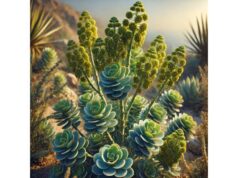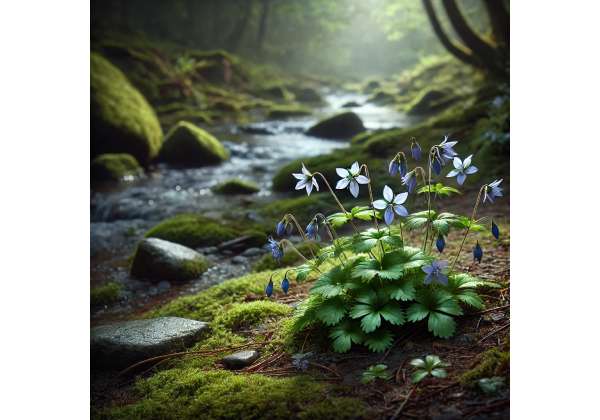
Isotoma fluviatilis, often called swamp isotome or blue star creeper, is a small mat-forming perennial native to eastern and southeastern Australia. Most people know it as an ornamental groundcover rather than a classic medicinal herb, and that distinction matters. Unlike widely used botanicals with long clinical traditions and well-described dosing, isotoma occupies a much less certain space. It belongs to the Campanulaceae, a family with chemically active members, milky sap, and a history of alkaloid-rich species, but modern evidence for Isotoma fluviatilis itself remains thin.
That makes this plant important for a different reason: it is a good example of how not every attractive or biologically interesting species should be treated as a practical self-care remedy. There are hints of pharmacological relevance through family chemistry and toxicity concerns, yet there is no strong human evidence, no validated medicinal dose, and no modern consensus supporting routine oral use. A careful guide, then, should do two things at once: explain why the plant draws scientific curiosity and explain why that curiosity should not be confused with safe, proven health use.
Quick Facts
- Isotoma is better supported as an ornamental and ecological groundcover than as a validated medicinal herb.
- Any possible medicinal interest is inferred mainly from related alkaloid-rich lobelioid plants, not from strong human studies on this species.
- No evidence-based self-care dose in mg or g has been established for oral use.
- The plant’s main practical value today is horticultural, including dense cover, weed suppression, and light erosion control.
- Children, pets, pregnant people, and anyone considering internal use should avoid unsupervised medicinal use.
Table of Contents
- What is isotoma
- Key compounds and medicinal potential
- What has isotoma been used for
- Does isotoma have real health benefits
- How isotoma is used today
- Dosage and why self-dosing is not advised
- Side effects, interactions, and who should avoid it
- What the research actually says
What is isotoma
Isotoma fluviatilis is a creeping perennial herb that roots at the nodes and often forms a close, carpet-like mat. Botanically, it is an accepted species in the Campanulaceae family and is native to eastern and southeastern Australia, where it grows in moist sand or mud along stream edges, seepage areas, and other damp sites. In gardens, it is valued for its tiny star-shaped white to pale blue flowers and its ability to fill gaps between stones, along borders, or in low-traffic lawn substitutes.
This plant’s modern identity is overwhelmingly horticultural. That is the first major point readers should understand. If you search for isotoma online, most reliable results describe how it spreads, where it grows best, what kind of moisture it likes, and whether it can tolerate foot traffic. Very few high-quality sources describe it as a meaningful medicinal herb, and that alone should temper expectations.
The naming history can also confuse people. Depending on the source, similar groundcovers in this part of the Campanulaceae may be labeled as Laurentia fluviatilis, Lobelia fluviatilis, or confused with Pratia pedunculata. That matters because plants in this group are not identical, and some garden tags and informal articles collapse them too loosely. For health questions, sloppy naming is more than a botanical nuisance. It changes the safety profile.
A few practical points define the species well:
- It is a low, spreading, mat-forming perennial.
- It naturally prefers damp ground rather than dry herbal-field conditions.
- It produces milky sap, which is worth noting in any safety discussion.
- It belongs to a family with several chemically active and sometimes irritating species.
Its appearance can mislead people into thinking it must be gentle. Small, soft, ground-hugging plants often look harmless, but botanical appearance is a poor guide to medicinal suitability. In fact, one of the recurring themes in the Campanulaceae is that attractive ornamentals may still contain physiologically active compounds or irritant sap.
From a reader’s point of view, the cleanest summary is this: isotoma is primarily a native Australian groundcover with possible pharmacological interest by relationship and chemistry, not a well-established medicinal herb with a clear self-care role. That conclusion may sound restrained, but it is much more useful than forcing the plant into a category it has not actually earned.
Key compounds and medicinal potential
This is the section where the evidence becomes both interesting and limited. There is no strong modern body of species-specific phytochemical work showing a fully mapped compound profile for Isotoma fluviatilis the way there is for famous medicinal herbs. That means any discussion of “key ingredients” must be careful and honest. The safest statement is that the plant likely owes any medicinal interest to the same broad chemical tendencies seen in related lobelioid plants, especially alkaloid-rich members of the Campanulaceae, but its own detailed constituent map is still sparse in accessible modern literature.
That family context matters. Reviews of Lobelioideae repeatedly describe alkaloids as a defining chemical class across many lobelioid species. In related Lobelia species, piperidine alkaloids such as lobeline and structurally related compounds are often the dominant pharmacologically relevant metabolites. Since Isotoma sits inside that broader lobelioid framework, it is reasonable to consider alkaloids part of its medicinal discussion. What is not reasonable is to pretend that Isotoma fluviatilis has the same studied alkaloid profile as medicinal Lobelia species. It may not.
The medicinal potential of isotoma is therefore based more on plausibility than on proof. If a plant belongs to an alkaloid-bearing group with a history of respiratory, stimulant, and toxicological relevance, then caution is warranted even before direct clinical evidence appears. That is especially true for plants with milky sap and documented concerns about animal exposure in related or neighboring taxa.
A realistic summary of the likely medicinally relevant chemistry would include:
- Probable alkaloid relevance by family and subfamily relationship.
- Bitter or acrid characteristics that fit with defensive plant chemistry.
- A lack of validated species-specific marker compounds for consumer use.
- No reliable evidence that any one extract, tea, or powder has been standardized for health purposes.
That last point is critical. With a more established alkaloid plant such as lobelia and its safety-focused medicinal profile, there is at least a clearer history of how the chemistry connects to actual herbal practice. With Isotoma fluviatilis, the chemistry is still more cautionary than practical.
It is also worth noting that “key ingredients” and “useful ingredients” are not always the same thing. A plant may contain active constituents that are pharmacologically fascinating and still be a poor candidate for self-treatment. Many medicinally interesting molecules became drug leads precisely because the raw plant was too difficult, too irritating, or too unpredictable to use casually.
So the best way to talk about Isotoma fluviatilis compounds is not with certainty, but with boundaries. The plant likely has biologically meaningful chemistry by lineage and by reported toxicity concerns. Yet the literature does not support a tidy supplement-style story built around verified concentrations, standardized extracts, or consumer-ready active principles. That puts the plant in a research-interest category, not a practical wellness category.
What has isotoma been used for
The most evidence-based answer is that Isotoma fluviatilis is used far more in horticulture than in medicine. In modern reliable sources, its main uses are as a moisture-loving native groundcover, a filler between stepping stones, a mat-forming border plant, and an ornamental that can suppress weeds and soften edges in garden design. That may sound less exciting than a list of health claims, but it is the truthful starting point.
This distinction matters because many niche plant articles make a common mistake: they assume that every species with a Latin name, traditional-looking flower, or possible alkaloid background must have a meaningful medicinal history. Isotoma fluviatilis does not appear to have that kind of well-documented, broad, human-use tradition. If there were a strong modern herbal record for it, the literature would show clearer dosing, more specific preparations, and stronger ethnomedicinal continuity. Instead, what we see is mostly taxonomy, flora records, and horticultural discussion.
That does not mean the plant has no relevance at all outside the garden. Plants in the wider lobelioid group have been used medicinally elsewhere, and that has likely fueled occasional claims about isotoma by association. But association is not the same as evidence. A family or subfamily can contain both medicinally important species and species that are mostly ornamental or ecologically useful.
In practical terms, isotoma’s real-world uses today are best summarized like this:
- Groundcover in damp or evenly moist sites.
- Low ornamental planting in paths, rockeries, and borders.
- Pollinator-friendly flowering cover in some garden settings.
- Possible ecological use for soil cover and weed suppression.
- No validated mainstream medicinal use in self-care.
This may feel like a mismatch with the user intent of “health benefits,” but it actually satisfies that intent more honestly. Sometimes the most helpful herb article is the one that explains why the herb in question is not actually a dependable herb.
There is also a useful broader lesson here. If a reader is really looking for a gentle, evidence-informed plant for soothing or digestive support, plants with a clearer preparation tradition, such as peppermint for digestive and respiratory support, are far more practical choices than a groundcover whose medicinal identity remains speculative.
So what has isotoma been used for? Mostly for landscape performance, visual softness, and dense low cover. The medicinal story is, at best, secondary and incomplete. That does not make the plant uninteresting. It makes it a plant whose real strengths are being misread when people try to turn it into a supplement or folk remedy without enough evidence to justify that move.
Does isotoma have real health benefits
At present, no strong, well-supported human health benefits can be confidently assigned to Isotoma fluviatilis. That is the clearest answer. The plant may have biologically active chemistry, and it belongs to a line of plants that includes medicinally relevant alkaloid-bearing species, but that is not the same as demonstrated benefit in human use.
This is where many readers need a careful shift in mindset. “Possible medicinal properties” and “proven health benefits” are not interchangeable phrases. A plant can be scientifically interesting without being clinically useful. Isotoma appears to fall into exactly that category.
If one wanted to build the most generous case for benefit, it would look something like this:
- The plant belongs to a chemically active lobelioid lineage.
- Related lobelioid species often contain piperidine alkaloids with measurable physiological effects.
- Bitter or acrid plants may deter grazing and suggest defensive chemistry rather than nutritional neutrality.
- A small amount of medicinal speculation around the plant persists in garden and folk-style writing.
But even that generous case stops well short of proof. There are no large human studies showing that isotoma helps with pain, cough, digestion, inflammation, blood sugar, mood, immunity, or any other common target readers would recognize from herb articles. There is also no clear modern preparation method tied to a defined health outcome.
That means any “benefits” section has to be realistic. The best-supported benefits are mostly non-medical:
- Dense mat formation that suppresses some weeds.
- Moisture-loving cover that can help stabilize bare surface soil.
- Visual and ecological benefit in pollinator-friendly gardens.
- A low, flowering alternative to more demanding groundcovers.
These are genuine uses, but they are horticultural benefits, not medicinal ones. In that sense, isotoma is closer to a functional landscape plant than to a therapeutic herb. Readers who truly want anti-inflammatory or symptom-focused plant support are better served by more established options, such as boswellia with a much stronger research base, rather than by trying to extract hidden health value from an ornamental species.
One original but important insight is this: a plant with little validated medicinal use can still teach something useful about safety. Isotoma reminds us that ornamental plants with plausible alkaloid chemistry should not be casually reclassified as wellness plants just because they are natural, native, or attractive.
So does isotoma have real health benefits? Not in the way most readers mean the question. It may have pharmacological interest, but it does not yet have practical, evidence-based, human health benefit status. That is not a dismissal. It is a boundary, and in plant medicine, boundaries are often what keep guidance trustworthy.
How isotoma is used today
Today, Isotoma fluviatilis is used primarily as a groundcover, not as a medicine. This section matters because “uses” in plant writing should reflect real-life behavior, not just hypothetical pharmacology. In real gardens and plant catalogs, isotoma is chosen for its spreading habit, tiny flowers, and ability to soften paving gaps or low borders. It is also used around damp sites where other groundcovers struggle.
In horticultural practice, common uses include:
- Filling spaces between stepping stones.
- Covering moist edges near water features or seepage areas.
- Softening path borders and rock gardens.
- Providing a low flowering layer under shrubs or in mixed beds.
- Forming a living mat where light foot traffic is acceptable.
That practical value is well established. What is not established is oral, topical, or extract-based medicinal use. There is no widely accepted tea tradition, no recognized tincture strength, and no responsible evidence-based reason to recommend the plant as a capsule or powder. In fact, if a plant is mainly sold as a landscape groundcover and not as a standardized herbal product, that is often a clue that medicinal use is either weak, outdated, or unsafe.
This is also where confusion with related plants becomes a problem. Garden labels sometimes blur Isotoma, Laurentia, Lobelia, and Pratia names. That may be merely annoying for gardeners, but it becomes risky when someone tries to infer medicinal behavior from a family resemblance. One campanulaceous groundcover is not automatically equivalent to another, and related plants can differ a great deal in toxicity and active constituents.
From a health perspective, the best modern “use” advice is mostly negative:
- Do not treat the plant as an edible green.
- Do not turn ornamental clippings into tea.
- Do not assume a garden plant is a safe topical herb.
- Do not use it internally because a related genus contains medicinal species.
People who want a reliable demulcent, culinary, or soothing plant are much better served by botanicals with known traditions, such as marshmallow root for classic soothing use, rather than by experimental use of isotoma.
So how is isotoma used today? It is used in gardens, not dispensaries. That answer may seem simple, but it is one of the most important in the article. The gap between ornamental use and medicinal self-use is where many avoidable plant mistakes happen. If isotoma eventually gains stronger phytochemical or clinical research, that picture may evolve. For now, its real-world use remains horticultural first, speculative medicinal second.
Dosage and why self-dosing is not advised
There is no validated self-care dose for Isotoma fluviatilis. That is the only dosage statement that can be made responsibly. No evidence-based oral range in grams, milligrams, capsules, tincture drops, or standardized extracts has been established for routine human use. Because of that, the most honest dosage guidance is not how much to take, but why taking it at all without supervision is not advisable.
This matters more than it might seem. A plant can be moderately active and still lack enough information for safe home use. In fact, that combination is often more concerning than a plant that appears entirely inert. Isotoma sits in a family where alkaloid-bearing species are a real theme, which means uncertainty should increase caution, not reduce it.
There are several reasons no practical dose can be recommended:
- Species-specific medicinal literature is thin.
- There is no accepted therapeutic preparation.
- Plant-part chemistry has not been well standardized for consumers.
- Garden-grown plants vary widely in growing conditions and vigor.
- Related-family chemistry raises enough concern to avoid guesswork.
A common herbal mistake is to assume that a very low dose must be harmless. That is not always true, especially with poorly studied plants. Another mistake is to assume that if a plant has ornamental value and no famous poison reputation, then small experimental use is reasonable. That is also not true. The absence of a dosing tradition is not neutral. It is evidence of uncertainty.
For practical readers, the dosage guidance can be summarized as follows:
- No validated oral dose exists.
- No standardized medicinal form exists.
- No home extraction method can be recommended responsibly.
- The safest unsupervised medicinal dose is effectively none.
This may seem stricter than other herb articles, but that is exactly the point. The article should reflect the evidence profile of the plant, not force the plant into a template built for better-known herbs. If a reader wants a model of what clear dosing tradition looks like, a plant such as gentian with an established herbal framework offers a much better example.
Timing and duration are equally undefined here. There is no meaningful evidence base to say whether isotoma should be taken before meals, after meals, once daily, or short term. That absence of guidance is itself a strong signal that self-medication is not appropriate.
So the dosage section ends in the only place it can responsibly end: do not improvise. With Isotoma fluviatilis, uncertain dosing is not a small technical gap. It is one of the main reasons medicinal use should remain off the casual self-care list.
Side effects, interactions, and who should avoid it
The side-effect profile of Isotoma fluviatilis is not well mapped in humans, but uncertainty itself is an important safety finding. Plants in the Isotoma group are described as having milky sap, and official flora sources note that some species in the genus are suspected of poisoning livestock and are bitter or unpalatable. Horticultural references also commonly warn that blue star creeper is harmful if ingested and may irritate sensitive skin. Even when those warnings come from non-clinical sources, the pattern is consistent enough to justify a conservative stance.
The most plausible concerns are these:
- Gastrointestinal upset if ingested.
- Skin irritation in sensitive people handling the sap or cut foliage.
- Unpredictable responses due to possible alkaloid content.
- Species confusion leading to mistaken use of the wrong plant material.
Because no medicinal dosing standard exists, side-effect estimates are especially difficult. That does not mean the risk is low. It means the margin of safety is unknown. In practical herb safety, unknown potency plus poor dosing guidance is usually a reason to avoid internal use altogether.
The groups that should clearly avoid unsupervised medicinal use include:
- Children.
- Pregnant and breastfeeding people.
- Pets and grazing animals.
- Anyone with respiratory, cardiovascular, or neurological illness.
- Anyone taking prescription medication.
- People with known sensitivity to plant latex or sap.
Interaction risk is also largely undefined, but caution is justified. If a plant may share alkaloid tendencies with other lobelioid plants, then additive effects with stimulants, sedatives, respiratory-active agents, or nausea-provoking substances cannot be ruled out. That is not a claim that these interactions are proven. It is an acknowledgment that pharmacologically active plant groups often create interaction problems before they are fully documented.
A subtle but important point is that ornamental proximity can lower caution. People sometimes assume that because they touch a plant often in the garden, it must be mild enough for experimental tea or tincture use. That assumption is especially poor with families that include alkaloid-bearing species. Beauty and medicinal suitability are unrelated.
If a reader’s goal is simply a safe plant-centered routine, it is better to use well-known, low-risk options than to experiment with a damp-ground ornamental whose safety profile is still largely inferential. In that sense, isotoma belongs more in a “do not self-prescribe” category than in a “use carefully at low dose” category.
So who should avoid it? Almost everyone looking for a home remedy. That answer is not alarmist. It is proportional to the evidence. The people least likely to be harmed by isotoma are the people who use it as a garden groundcover and leave medicinal experimentation out of the picture.
What the research actually says
The research on Isotoma fluviatilis is thin, uneven, and indirect. That is the most useful way to summarize it. Reliable botanical sources establish what the plant is, where it grows, and how it is classified. Broader reviews of Lobelioideae explain that the group contains many alkaloid-rich species and that related lobelioids have important medicinal histories. Horticultural sources add consistent practical warnings about ingestion and sap irritation. What is missing is the part many readers assume must exist: a body of species-specific pharmacological and clinical evidence showing clear medicinal action in humans.
This gap matters because it tells us what kind of article isotoma deserves. It does not deserve a hype-driven wellness profile. It deserves a careful, limitation-aware profile that distinguishes between lineage-based plausibility and actual proof.
What the evidence does support:
- Isotoma fluviatilis is an accepted Australian perennial species in Campanulaceae.
- It is primarily known as a mat-forming ornamental groundcover.
- It belongs to a lobelioid context in which alkaloid chemistry is common and medicinally relevant in related taxa.
- Some Isotoma species are suspected of livestock toxicity, which supports a cautious safety posture.
- Practical medicinal use of Isotoma fluviatilis itself is not well established.
What the evidence does not support:
- A validated self-care dose.
- Confirmed human health benefits.
- Standardized preparations for oral use.
- Any strong disease-specific claim.
This is actually a valuable kind of evidence profile, even if it is not exciting. It shows readers how to think clearly when a plant sits in the gray zone between ornamental botany and medicinal speculation. Not every plant needs to become a supplement. Some plants are best understood as taxonomically interesting, chemically suggestive, and practically unsuitable for self-medication until better evidence appears.
One final insight is worth carrying into other herbal reading. The weaker the direct evidence for a plant, the more carefully readers should separate three things: what is proven about the species, what is inferred from related plants, and what is simply repeated online. Isotoma fluviatilis is a strong example of why that distinction matters.
So what does the research actually say? It says the plant is real, recognized, native, horticulturally useful, and possibly chemically active by relationship. It does not say the plant is a validated medicinal herb. Until that changes, the most evidence-based position is straightforward: appreciate isotoma as a groundcover, study it as a botanical, and avoid treating it like a home remedy.
References
- Isotoma fluviatilis (R.Br.) F.Muell. ex Benth. | Plants of the World Online | Kew Science 2026
- PlantNET – FloraOnline 2018
- Systematics of Lobelioideae (Campanulaceae): review, phylogenetic and biogeographic analyses 2021 (Review)
- LC-ESI-MS/MS-Based Comparative Metabolomic Study, Antioxidant and Antidiabetic Activities of Three Lobelia Species: Molecular Modeling and ADMET Study 2024
- All About Growing Blue Star Creeper (Isotoma fluviatilis) 2023
Disclaimer
This article is for educational purposes only and does not diagnose, treat, or replace medical care. Isotoma fluviatilis is not a well-established self-care herb, and there is no validated medicinal dose for routine human use. Because the plant may contain biologically active compounds and safety data are limited, internal use should be avoided unless directed by a qualified clinician or researcher with species-specific expertise. Seek medical care for ingestion, skin reactions, breathing difficulty, severe gastrointestinal symptoms, or any worsening condition instead of attempting to self-treat with this plant.
If this guide helped you, please share it on Facebook, X, or another platform where careful, evidence-aware plant information can reach the right readers.