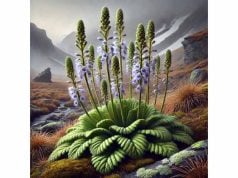
Kava is a South Pacific plant best known for the calming drink made from its peeled root and rhizome. For centuries, it has been used in ceremonial, social, and medicinal settings to promote relaxation, ease tension, and support restful sleep. Today, kava appears in traditional beverages, powders, capsules, tablets, and extracts, usually marketed for anxiety, stress, and mood support.
What makes kava distinctive is that its effects are not simply “herbal sedation.” Its main compounds, called kavalactones, seem to influence several brain signaling pathways involved in calmness, muscle relaxation, and sensory tension. Many people describe its effect as a settled mind with less mental overactivity rather than heavy drowsiness. At the same time, kava is not a casual everyday herb. Product quality varies widely, studies show mixed results depending on the population and extract used, and safety questions, especially around liver health and drug interactions, still matter. Used carefully, kava may be helpful. Used loosely, it can become one of the riskier herbs in the calming category.
Quick Facts
- Kava may help reduce short-term anxiety and stress-related tension in some adults.
- Some people notice better sleep quality when anxiety is the main reason they are not sleeping well.
- Standardized oral products are commonly studied in the range of 120 to 240 mg of kavalactones per day.
- People with liver disease, heavy alcohol use, or sedative medication use should avoid unsupervised kava.
Table of Contents
- What Kava Is
- Key Kava Ingredients
- Does Kava Help Anxiety
- How to Use Kava
- How Much Kava per Day
- Kava Safety and Interactions
- What the Evidence Says
What Kava Is
Kava comes from Piper methysticum, a shrub in the pepper family that grows across the South Pacific. The name often refers to both the plant and the drink prepared from it. Traditionally, the beverage is made from peeled root and rhizome material mixed with water, then strained into an earthy, cloudy liquid with a distinctly bitter taste and a mouth-numbing finish. That temporary numbness is one of kava’s most recognizable features.
In its traditional setting, kava is more than a sleep herb or anxiety remedy. It has ceremonial and community value. That background matters because many modern supplement users encounter kava only as a capsule or tincture, which can make it seem like a standard Western supplement. It is not. Kava has a strong ethnobotanical identity, and the form, cultivar, and plant part all influence how it should be understood.
A practical way to think about kava is to separate it into three broad categories:
- Traditional aqueous kava beverage
- Standardized oral supplements
- Poorly described or highly processed products
That third group is where many problems begin. Safer use depends heavily on choosing products made from the correct plant parts, usually root and rhizome, rather than stems, leaves, or mixed material. Many experienced clinicians and researchers also pay attention to whether a product comes from so-called noble cultivars, which are traditionally preferred for beverage use and are generally viewed as more suitable than harsher chemotypes.
Kava is also unusual because people often expect it to act like alcohol, a sleeping pill, or a benzodiazepine. In many users, it does not feel quite like any of those. A well-chosen product may produce a calmer body, less mental tension, and easier social ease without completely dulling awareness. In other cases, especially at higher doses, it can feel sedating, impairing, or mentally flattening.
This difference between traditional use and supplement marketing is one of the most important insights for readers. Kava is not best understood as a generic “natural relaxer.” It is a culturally important psychoactive botanical with measurable effects, a narrow purpose, and a higher need for product quality than many other calming herbs. That is why it is often compared with gentler options such as passionflower for stress and sleep support, even though kava is usually the stronger and more fast-acting of the two.
In short, kava is a root-based calming herb with real potential, but it is also one of the clearest examples of why plant identity, preparation method, and context matter. With kava, those details are not optional. They are the difference between informed use and avoidable risk.
Key Kava Ingredients
Kava’s best-known active compounds are kavalactones, a group of lipophilic molecules believed to drive most of its calming and psychoactive effects. The six major kavalactones usually discussed are:
- Kavain
- Dihydrokavain
- Methysticin
- Dihydromethysticin
- Yangonin
- Desmethoxyyangonin
These compounds are not identical. They differ in how strongly they may affect mood, motor tone, sensory relaxation, and brain signaling. That variation helps explain why one kava product may feel smooth and calming while another feels heavier, more sedating, or less predictable.
Among them, kavain is often treated as the signature compound because it is closely associated with the classic calming effect and the familiar oral numbing sensation. Yangonin attracts attention because it appears to interact differently from the other kavalactones and may contribute to some of kava’s more distinctive mood effects. Methysticin and dihydromethysticin are often discussed in relation to both therapeutic activity and safety questions, especially when researchers examine metabolism and liver-related mechanisms.
Kava also contains flavokavains, especially flavokavain A and flavokavain B. These are not the main calming compounds. Instead, they are often discussed in quality-control conversations because their levels vary across plant material and processing methods. In simple terms, a kava product is not judged only by how much total kavalactone it contains. The balance between kavalactones and other constituents matters too.
Here is why that chemistry matters in real life:
- Kavalactone profile affects feel. Two products with the same total kavalactone number can behave differently.
- Plant part affects safety. Root and rhizome are preferred because they better match traditional use and tend to produce more appropriate chemical profiles.
- Extraction method matters. Water-based traditional preparations and modern solvent extracts are not chemically identical.
- Food changes absorption. Kavalactone exposure can shift depending on whether the product is taken with food.
Mechanistically, kava seems broader than a one-pathway herb. Researchers have explored effects on GABA-related signaling, ion channels, monoamine pathways, and other neural systems linked to calmness, muscle tension, and sensory processing. That does not mean every mechanism is proven in humans, but it helps explain why kava can feel different from a simple sedative.
This is also why readers should not shop by label claims alone. A bottle that says “kava extract” tells you almost nothing unless it also makes clear the plant part, extract type, and amount of kavalactones. Compared with gentler herbs such as lavender for relaxation and tension relief, kava is far more dependent on chemistry and standardization.
The most practical takeaway is that kava is a composition-sensitive herb. The question is not only “Does it contain kava?” but “What kind of kava is it, how was it prepared, and what compounds are most likely dominant?” That is the level of detail that turns kava from a vague calming supplement into a botanical that can be used more intelligently.
Does Kava Help Anxiety
Kava is used mainly for anxiety, stress-related tension, and sleep trouble that grows out of nervous overactivation. That wording is important because kava is not equally convincing for all mental health complaints. Its most plausible role is as a short-term calming aid for adults who feel wired, keyed up, physically tense, or unable to unwind.
The strongest practical benefits people look for are these:
- less mental overthinking
- lower body tension
- easier relaxation in the evening
- improved sleep quality when stress is the main barrier
- a calmer social or performance state in some settings
Kava’s reputation as an anxiety herb is not based on folklore alone. Controlled human research suggests it may help some people, especially in milder or situational anxiety states. Still, the outcome is not universal. Some trials show improvement, while others show little difference from placebo, particularly in patients with formally diagnosed generalized anxiety disorder using a specific standardized product over a longer period.
That mixed pattern actually tells us something useful. Kava may be better at smoothing acute tension than at solving deep, chronic anxiety on its own. In everyday terms, it seems more plausible for “I cannot settle down” than for “I need a complete long-term treatment plan.”
Sleep is another area where kava attracts attention. The effect appears to be mostly indirect. Kava is not first and foremost a sleep architecture herb. Instead, some people sleep better because the pre-sleep tension drops. That can shorten the time needed to unwind, especially when bedtime rumination is the problem. If the main issue is a broken sleep schedule, sleep apnea, restless legs, or depression-related insomnia, kava is much less likely to be the answer.
A realistic expectation looks like this:
- You may feel calmer, looser, or less mentally agitated.
- You may find it easier to disengage from repetitive stress thoughts.
- Sleep may improve secondarily.
- You should not expect a full psychiatric treatment effect from kava alone.
This is where comparison helps. Herbs such as ashwagandha for longer-term stress support are often used more as daily adaptogenic routines, while kava is more often chosen for an observable calming effect over a shorter window. That does not make one better than the other. It means their use cases are different.
Kava may also help with muscle tension and the uneasy body sensation that often travels with anxiety. Some users notice that their shoulders, jaw, or general restlessness soften before their thoughts do. That body-first effect is one reason kava feels distinct from herbs that work more gradually.
The bottom line is balanced but positive: yes, kava may help anxiety in some adults, especially when the goal is short-term calming, not comprehensive psychiatric treatment. The real benefit is most likely to appear when the product is well chosen, the dose is reasonable, and the person is not ignoring bigger safety or mental health issues.
How to Use Kava
Kava can be used as a traditional beverage, powder, micronized product, capsule, tablet, or liquid extract. The best form depends on whether you want a traditional experience, convenience, or more predictable dosing.
Traditional beverage is the most culturally authentic form. It is usually made from peeled root or rhizome powder kneaded or mixed into water and strained. This route often produces a faster onset and a stronger sensory profile, including the famous tongue and mouth numbness. Some people prefer it because it more closely resembles historical use. Others find the taste and texture difficult.
Capsules and tablets are usually more convenient. These products are often standardized to kavalactone content, which makes dosing easier. That does not automatically make them better, but it does make them easier to track. Many people starting kava for wellness reasons prefer this format because it allows a lower and more measured introduction.
Liquid extracts are more variable. Some may be useful, but they also raise more questions about concentration, solvent choice, and plant part unless the label is unusually clear.
Here are the most practical use guidelines:
- Choose products that clearly state kavalactone content.
- Prefer products made from root and rhizome only.
- Avoid products with vague labeling or “proprietary blend” language.
- Start when you do not need to drive, work, or make important decisions.
- Use it at a calm time first so you can understand your own response.
Timing depends on the goal. For evening tension, many people use kava 30 to 90 minutes before bed or before the part of the day when stress typically builds. For social unease or situational tension, some use it earlier in the evening or before a stressful event, but that should be done cautiously because coordination and reaction time can worsen in sensitive users.
Preparation choices also matter. Traditional users often emphasize water-based preparation and careful raw material selection. In modern products, the best rule is simple: less mystery is better. A clear label with plant part, standardized content, and serving instructions is worth more than a dramatic marketing claim.
Kava is sometimes grouped with calming herbs such as valerian for nighttime relaxation, but the user experience is different. Valerian is often chosen when the goal is sedation or sleep onset. Kava is more often chosen when a person wants calmness with less emotional friction and a somewhat more social or mentally aware state.
One final point matters more than it seems: use kava for a reason, not out of habit. It is best approached as a targeted tool. When people treat it like a casual daily beverage with no clear boundaries, the chance of side effects, poor decisions, and disappointing outcomes rises. Clear purpose and careful product choice are what make kava worth considering in the first place.
How Much Kava per Day
Kava dosing is usually discussed in milligrams of kavalactones, not simply grams of plant powder, because products vary so much in concentration. That is the most useful way to compare one supplement with another.
In clinical research, commonly studied oral doses often fall in the range of 120 to 240 mg of kavalactones per day. Some studies use divided dosing, such as 120 mg twice daily, while others evaluate lower repeated doses across the day. Pharmacokinetic work also suggests the body handles kavalactones differently depending on dose pattern and whether food is present.
A practical starting framework for adults is usually:
- Begin low, especially if you are new to kava.
- Consider starting around 60 to 120 mg kavalactones daily from a standardized product.
- Reassess after several days before increasing.
- Many people who use kava for short-term calming stay within 120 to 240 mg daily.
- Higher intake is not automatically more effective and may increase adverse effects.
For timing, there are two common approaches:
- Evening use: best for stress-driven sleep trouble or end-of-day overactivation.
- Split dosing: more suitable when a clinician is guiding use for persistent daytime tension.
Duration matters just as much as dose. Kava is not well suited to indefinite casual use. A sensible pattern is a short trial of 2 to 8 weeks, followed by reassessment. If a person feels no clear benefit after that, pushing the dose higher or using it longer is usually not the smartest move.
Several variables change how kava feels:
- body size
- product type
- whether it is taken with food
- prior sensitivity to calming agents
- use of alcohol or other sedatives
- the ratio of kavalactones in the product
This is why the phrase “one capsule of kava” means very little. What matters is how many kavalactones are delivered, from what source, and in what form.
A few common dosing mistakes are worth avoiding:
- taking a first dose before driving or social obligations
- combining kava with alcohol to “boost” it
- assuming all products with the same mg amount are equivalent
- chasing stronger effects instead of stopping at the lowest useful dose
Compared with lighter calming herbs such as scullcap for gentle nervous system support, kava needs tighter boundaries. The right dose is the smallest amount that noticeably helps without causing heaviness, impaired coordination, stomach upset, or next-day dullness.
In practice, kava dosing works best when it is specific, short-term, and logged. If you cannot tell how much kavalactone you are taking, you do not really know your dose, and with kava that uncertainty matters more than it does with many other herbs.
Kava Safety and Interactions
Kava’s safety profile is the reason it should never be treated like a harmless tea. The main concerns are liver injury, excessive sedation, impaired coordination, and interactions with other substances. Many people tolerate short-term kava without major problems, but the risk is real enough that caution has to come first.
The most talked-about issue is liver safety. Reported cases of liver injury have involved different forms of kava, different extraction methods, and different user profiles. Researchers still debate how much risk comes from plant part, cultivar, extraction method, contamination, dose, alcohol use, or individual susceptibility. For readers, the practical conclusion is simple: the liver issue is not fully solved, so it should be taken seriously.
Common side effects may include:
- drowsiness
- dizziness
- upset stomach
- headache
- reduced coordination
- temporary mouth numbness
- reduced alertness
With heavier or longer use, some users can develop kava dermopathy, a dry, scaly skin condition associated with high intake over time. That effect is usually reversible, but it is a good sign that the herb is being overused.
People who should avoid unsupervised kava include:
- anyone with liver disease
- anyone who drinks alcohol heavily
- people taking benzodiazepines, sleep medicines, opioids, or other sedatives
- people with Parkinson disease or movement concerns
- pregnant or breastfeeding people
- children and teenagers
- anyone preparing for surgery
- anyone with a history of substance misuse who is using kava to self-manage symptoms
Drug and supplement interactions are especially important. Kava can amplify sedation when paired with alcohol, benzodiazepines, antihistamines, sleep medications, anticonvulsants, or other calming botanicals. It may also worsen reaction time even if you do not feel obviously sleepy. That is why driving, cycling, or operating machinery after kava is a poor idea, especially early in a trial.
There is also a mental health caution that often gets overlooked. Kava may reduce subjective tension, but it is not a substitute for evaluating persistent anxiety, panic, depression, trauma symptoms, or insomnia that has been going on for months. When people use kava to silence symptoms without addressing the cause, they may delay care that matters more.
The safest use pattern is narrow and deliberate:
- choose a reputable product
- start low
- avoid alcohol
- avoid sedative combinations
- stop at any sign of jaundice, dark urine, severe fatigue, itching, or abdominal pain
- reassess rather than escalating
Kava can be useful, but it earns its benefits only when safety stays in the foreground. If a person wants a calm-support herb for daily casual use with less concern about interaction burden, kava is often not the first option. It is better reserved for thoughtful, limited use by adults who can screen for risks before taking it.
What the Evidence Says
The evidence for kava is neither hype nor dismissal. It sits in the middle: better studied than many herbs, but still too inconsistent to justify broad claims.
The strongest research signal is for short-term anxiety reduction. Smaller clinical studies and several reviews suggest kava can outperform placebo in some anxious populations, especially when standardized products and clear symptom measures are used. That said, a larger 16-week randomized trial in diagnosed generalized anxiety disorder did not find a significant primary advantage over placebo, even though the product was generally tolerated and followed a serious clinical design. That single result does not erase earlier positive findings, but it does keep the story honest.
Mechanistic research also adds depth. A more recent randomized trial linked kava use with measurable changes in a brain GABA-related marker, suggesting that kava does act on central pathways relevant to anxiety. The catch is that biomarker change is not the same as symptom resolution. It helps explain plausibility, but it does not replace good clinical outcomes.
For sleep, the evidence is more limited. Kava may help some people sleep better when anxiety is the main driver of insomnia, but it is not strongly established as a primary insomnia treatment. That distinction matters because many consumers buy kava as a sleep herb when its more defensible role is calming pre-sleep tension.
The research on dosage is useful but still incomplete. Clinical pharmacokinetic work has improved understanding of how the main kavalactones are absorbed, how quickly peak levels appear, and how food changes exposure. This is valuable because it supports smarter dosing and trial design. But it still does not remove the real-world variability caused by product quality and chemistry differences.
The biggest evidence limitations are:
- different cultivars and extraction methods
- inconsistent product standardization
- small trial sizes
- short study duration
- mixed populations
- unresolved safety questions in broader community use
So where does that leave the reader? In a reasonable place. Kava has enough evidence to be taken seriously for short-term calming support. It does not have enough evidence to be treated as a universally reliable treatment for diagnosed anxiety disorders, and it still requires more careful safety screening than many people realize.
That balanced position is actually useful. Kava is neither a miracle herb nor a myth. It is a real botanical with measurable effects, a likely short-term role for some adults, and clear limits that good articles should not hide. That is the standard the evidence supports right now.
References
- Global Perspectives on Kava: A Narrative Systematic Review of the Health Effects, Economic and Social Impacts and Policy Considerations 2025 (Narrative Systematic Review)
- Neuroimaging Insights: Kava’s (Piper methysticum) Effect on Dorsal Anterior Cingulate Cortex GABA in Generalized Anxiety Disorder 2023 (RCT)
- An Updated Review on the Psychoactive, Toxic and Anticancer Properties of Kava 2022 (Review)
- Clinical pharmacokinetics of kavalactones after oral dosing of standardized kava extract in healthy volunteers 2022
- Kava for generalised anxiety disorder: A 16-week double-blind, randomised, placebo-controlled study 2020 (RCT)
Disclaimer
This article is for educational purposes only and is not a diagnosis, treatment plan, or substitute for medical advice. Kava can interact with medications and has been associated with rare but serious liver problems. Anyone with liver disease, mental health conditions, regular alcohol use, or prescription sedative use should speak with a qualified healthcare professional before using it. Seek medical care promptly if symptoms such as jaundice, dark urine, severe fatigue, or worsening mood changes occur.
If this article helped you, please share it on Facebook, X, or any platform you prefer.