Lemon grass, more often written as lemongrass, is one of the most recognizable aromatic herbs in the world. Best known as Cymbopogon citratus, it brings a fresh citrus scent, a clean herbal taste, and a long history of use in teas, soups, curries, baths, and household remedies. It is both a kitchen herb and a traditional medicinal plant, which helps explain why it remains so widely used across Asia, Africa, the Caribbean, and Latin America.
Its reputation rests on a practical mix of qualities. Lemon grass can brighten food, ease the heaviness of a meal, lend warmth to a simple tea, and provide volatile compounds with notable antimicrobial and aromatic activity. The plant is especially rich in citral, along with other terpenes and polyphenols that help explain its digestive, soothing, and preservative potential. At the same time, the strongest research often centers on extracts and essential oil rather than on ordinary tea.
That makes lemon grass a good example of an herb that is genuinely useful without needing exaggerated claims. For most people, it works best as a gentle culinary and tea herb, supported by promising but still evolving evidence.
Quick Overview
- Lemon grass is most useful for mild digestive comfort and aromatic support during everyday tea or food use.
- Its best-known active compounds are citral, geraniol, myrcene, and related terpenes.
- A common tea range is 1 to 2 g dried leaf or stalk, or 2 to 4 g fresh herb per cup.
- Avoid concentrated essential oil during pregnancy, breastfeeding, and in people with sensitive skin or fragrance-triggered irritation.
Table of Contents
- What is lemon grass
- Key ingredients and actions
- Lemon grass benefits and likely uses
- How to use lemon grass
- How much lemon grass per day
- Safety and who should avoid it
- What the research says
What is lemon grass
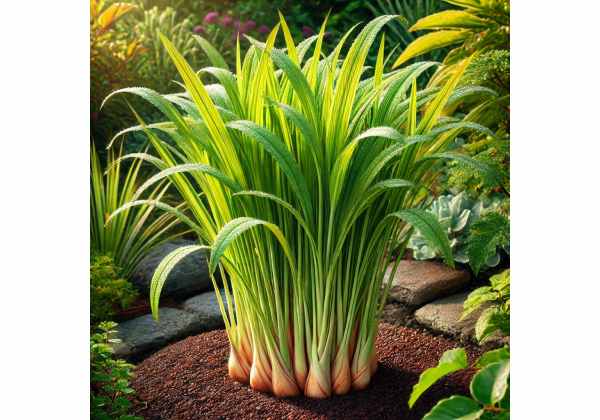
Lemon grass is a tropical aromatic grass in the Cymbopogon genus, cultivated for its fragrant leaves and lower stalks. The species most often used in cooking and herbal tea is Cymbopogon citratus. It grows in clumps, sends up long strap-like leaves, and carries a clean lemon scent that becomes stronger when the stalks are bruised or cut. That scent is one of the plant’s defining features, but it also helps explain many of its practical uses.
In the kitchen, lemon grass is valued for the pale lower stalk, which adds citrus-like freshness to soups, broths, marinades, curries, rice dishes, and herb pastes. The tougher leaf material is often used in teas, decoctions, bath preparations, and aromatic sachets. In traditional medicine, both the leaves and the lower stems have been used for mild digestive discomfort, colds, feverish states, restlessness, and general household care.
It is important to separate lemon grass from other plants with similar names. It is not lemon balm, not lemon verbena, and not the perfume citrus known as bergamot. It is also closely related to citronella, but they are not interchangeable. Citronella is best known for insect-repellent oil, while lemon grass is more widely used as a tea and culinary herb.
One reason lemon grass remains popular is that it sits comfortably between food and medicine. Many herbs are either strongly medicinal and hard to enjoy, or delicious but not especially associated with health uses. Lemon grass bridges that gap. A person may drink it because it tastes fresh and clean, not because they are following a rigid therapeutic plan. That makes it easy to include regularly and gently.
Traditional use also gives it a broad reputation, but that reputation works best when interpreted sensibly. Lemon grass is not a miracle treatment for every digestive, infectious, or inflammatory condition. It is better understood as a warming, aromatic, everyday herb that can support mild complaints and add functional plant compounds to the diet.
Another reason it matters is versatility. A single plant can be used as a tea, broth ingredient, steam herb, bath addition, or aromatic household material. Few herbs move as easily across those roles. When an herb tastes pleasant, smells clean, and feels useful in daily life, it tends to stay relevant across cultures and generations. Lemon grass has done exactly that.
For modern readers, the clearest definition is this: lemon grass is a culinary-medicinal aromatic grass. It is not just a flavoring and not just a folk remedy. It belongs in that useful middle zone where food, aroma, and mild herbal support overlap.
Key ingredients and actions
Lemon grass is chemically active in two main ways: through its volatile aromatic compounds and through its smaller pool of nonvolatile phenolic compounds. The first group drives the scent and much of the antimicrobial interest. The second group helps explain antioxidant and anti-inflammatory potential.
The most famous compound in lemon grass is citral, which is actually a mixture of two closely related molecules, geranial and neral. Citral is responsible for the bright lemon note people recognize immediately. It is also one of the main reasons lemon grass is studied for antimicrobial, preservative, and fragrance applications.
Other important volatile compounds include:
- myrcene,
- geraniol,
- limonene,
- linalool,
- beta-caryophyllene,
- smaller amounts of citronellal and related terpenes, depending on the sample.
These compounds do not all appear in the same proportions every time. The exact balance changes with climate, harvest time, drying, storage, and whether the plant material comes from leaf, stalk, or essential oil extraction. This matters because a tea made from fresh leaves may feel softer and greener, while the essential oil may feel sharper, more concentrated, and more pharmacologically forceful.
Lemon grass also contains phenolic compounds, though these are discussed less often than the essential oil. These include flavonoids and phenolic acids that may contribute antioxidant and anti-inflammatory effects. This is one reason the herb should not be viewed only as an essential-oil source. Even when the tea is not very strong in volatile oil, it may still provide useful plant compounds.
From a practical standpoint, this chemistry supports several plausible actions:
- Aromatic digestive support.
The volatile oils stimulate the senses, encourage salivation, and may help reduce the feeling of heaviness after meals. - Antimicrobial activity.
Essential oil and stronger extracts can inhibit selected bacteria and fungi in laboratory settings. - Antioxidant potential.
The plant’s phenolics and terpenes may help limit oxidative stress in test systems. - Mild anti-inflammatory effects.
Extracts and essential oil show activity in models related to inflammation, though this is not the same as proven clinical anti-inflammatory treatment. - Household and preservative value.
The chemistry that makes lemon grass smell clean also makes it interesting for food preservation, mouth care formulas, and aromatic household use.
This is where preparation becomes crucial. A fresh stalk in soup, a cup of leaf tea, a hydroalcoholic extract, and an essential oil do not act in the same way. People often assume that all herbal forms are simply stronger or weaker versions of the same thing. With lemon grass, that assumption is misleading. The tea is mild and food-like. The oil is concentrated and much more biologically active.
That distinction explains why lemon grass can feel very gentle in daily life while still appearing powerful in the literature. The literature often focuses on isolated oil or concentrated extracts. Everyday use usually involves food or tea. Both are real, but they are not the same experience.
In short, the plant’s key ingredients help explain why lemon grass is so useful, but they also explain why claims should stay preparation-specific. The herb is versatile because its chemistry is layered, not because one single compound does everything.
Lemon grass benefits and likely uses
Lemon grass has several believable benefits, but they are strongest when kept in proportion. It is a helpful herb for everyday support, not a clinically established answer to complex disease. That distinction makes the herb more trustworthy, not less.
The first and most practical benefit is digestive comfort. This is the use most people can feel directly. Lemon grass tea is often taken after meals for bloating, sluggishness, or a sense of heaviness. Aromatic herbs frequently work through the senses as much as through direct chemistry. They wake up the mouth, stimulate the stomach gently, and make a rich meal easier to tolerate. In this role, lemon grass sits naturally beside ginger, though ginger is usually warmer and more direct.
The second likely benefit is support during mild colds and upper-respiratory discomfort. Warm lemon grass tea is a common comfort remedy when someone feels chilled, stuffy, or tired. This does not mean the herb cures infections. Rather, it may support hydration, provide aromatic relief, and offer a small amount of plant activity that complements rest and fluids.
A third area is antimicrobial and oral-care interest. This is where research is especially promising. Essential oil and formulated products made from lemon grass have shown activity in settings related to plaque, oral malodour, and selected microbes. For ordinary readers, this matters most as an explanation for why lemon grass appears in mouthrinses, natural cleaning blends, and preservative discussions. It is more reliable to say the herb has antimicrobial potential than to say it treats infections.
A fourth benefit is aromatic calming without heavy sedation. Some people find lemon grass settling in the evening, especially as a warm tea. The effect is usually subtle. It is not best described as a strong sleep herb. Instead, it may help the body feel less tense or overstimulated, partly through sensory pathways and partly through routine.
A fifth area is food preservation and cosmetic interest. The same essential oil that gives lemon grass its smell also makes it useful in applications where freshness matters. That includes some skin-care products, active packaging, and natural-preservative systems. Here the benefit is not so much “health support” as functional usefulness outside the body.
What should expectations look like?
Reasonable expectations include:
- lighter digestion after meals,
- a refreshing tea during mild colds,
- pleasant aromatic support,
- mild freshness in mouth or household formulas,
- useful food-herb value with added phytochemical interest.
Unreasonable expectations include:
- major weight-loss effects,
- reliable anxiety treatment,
- blood-pressure control without supervision,
- treatment of fungal or bacterial illness at home using tea alone,
- cancer prevention or therapy from ordinary use.
This is a good example of how an herb can be both modest and valuable. Lemon grass does not need dramatic claims because it already serves real roles well. It flavors food, supports digestion, freshens the senses, and contributes compounds with credible biological activity. When those benefits are kept in their proper lane, the herb’s reputation becomes much more convincing.
How to use lemon grass
Lemon grass can be used in several different ways, but the best form depends on the goal. For most people, the herb works best as a fresh culinary ingredient or a simple tea. Those uses align with its traditional role and keep the experience gentle and safe.
Fresh stalks are the most common kitchen form. The tough outer leaves are removed, and the tender lower section is bruised, sliced, or pounded before being added to soup, curry, stock, marinade, or rice. In dishes, lemon grass acts less like a vegetable and more like an aromatic stem. It is often infused into the food and then removed, though finely minced tender sections can be eaten.
Dried leaves or leaf pieces are most often used for tea. The resulting drink is light, citrusy, and slightly grassy. It can be taken plain or combined with herbs that match its bright, warming character, such as peppermint in digestive blends or with a little ginger in cold-weather teas.
Infusions and decoctions are traditional medicinal-style preparations. A lighter infusion suits gentle tea use. A longer simmered decoction brings out more flavor from tougher plant material, especially if whole stalks are used.
Baths and steam-style aromatic use are another traditional direction. The leaves may be added to a bath or hot water for a strongly scented household preparation. In these forms, lemon grass is appreciated as much for how it feels and smells as for any specific medicinal target.
Essential oil is the most concentrated form and needs the most caution. It is useful in professional or carefully diluted external products, but it is not interchangeable with the herb. Many of the strongest antimicrobial or preservative findings in research come from essential oil, not from an ordinary cup of tea.
A practical use guide looks like this:
- Use fresh stalks for cooking.
- Use dried leaf or chopped fresh leaf for tea.
- Use the herb short term and situationally rather than as a high-dose daily tonic.
- Keep essential oil separate from food-herb thinking.
Common home uses include:
- after-meal tea,
- broth and soup flavoring,
- refreshing warm-weather herbal drinks,
- kitchen herb pastes and curry bases,
- aromatic bath or room blends,
- carefully diluted external products when professionally prepared.
What not to do matters too. Do not assume that because lemon grass tea is gentle, the essential oil is safe to swallow. Do not use large amounts of concentrated oil in homemade remedies. And do not rely on the herb alone when symptoms are severe, persistent, or outside the range of mild self-care.
The reason lemon grass stays popular is that it does not ask much of the user. It fits naturally into food and tea. When an herb can be used that easily, it often becomes more helpful in real life than a stronger herb people rarely use correctly.
How much lemon grass per day
Lemon grass does not have a single standardized clinical dose, so dosage depends on form and purpose. The safest guidance is based on ordinary tea, culinary use, and the difference between the herb and its essential oil.
For tea, a practical range is:
- 1 to 2 g dried leaf or stalk pieces per cup, or
- 2 to 4 g fresh chopped herb per cup,
- steeped in about 200 to 250 mL of hot water for 5 to 10 minutes.
One to three cups daily is a reasonable range for casual use. This fits how most people actually use lemon grass and avoids turning a gentle herb into a high-dose experiment.
For cooking, the dose is naturally looser. One bruised lower stalk may be enough for a pot of soup or curry serving several people. For smaller dishes, a tablespoon or so of finely chopped tender stalk is usually plenty. Because the flavor is strong, more is not always better.
For decoctions made from tougher stalks, people often simmer the herb longer rather than increasing the quantity dramatically. This is usually a better choice than crowding too much plant material into one cup.
For essential oil, there is no responsible general oral dose to recommend here. The oil is concentrated, chemically active, and not equivalent to the plant used in food or tea. If a professionally made external product contains lemon grass oil, use it according to label instructions and avoid improvising stronger versions.
Timing also matters:
- after meals for digestive heaviness,
- during mild colds as a warm drink,
- occasionally in the evening when a fresh but gentle tea feels appealing,
- in food as part of regular culinary use rather than in therapeutic “cycles.”
A few common variables change the ideal amount:
- whether the herb is fresh or dried,
- whether you are using leaf or lower stalk,
- whether the goal is flavor or comfort support,
- your sensitivity to strong aromatic herbs,
- whether the product is a plain herb, extract, or essential oil.
This last point is worth repeating. A tea can be taken in cups. An essential oil is measured in drops and still may be inappropriate. Confusing those two forms is one of the easiest ways to misuse aromatic herbs.
So, how much lemon grass per day? For most adults, a sensible answer is food amounts in meals and one to three cups of light tea, with caution around anything more concentrated. That keeps the herb in the zone where it is most useful and least likely to cause problems.
Safety and who should avoid it
In ordinary culinary and tea amounts, lemon grass is generally considered a low-risk herb for most healthy adults. The safety profile becomes less simple when the form changes from herb to essential oil or strong extract. That difference shapes nearly all of the important precautions.
The first concern is irritation. Lemon grass essential oil is rich in citral and related terpenes, which can irritate skin, mouth, or stomach when too concentrated. This is one reason the tea and the oil should never be treated as the same thing. A leaf infusion may feel soft and refreshing. The undiluted oil can be harsh.
The second concern is allergy or sensitivity. People with strong reactions to aromatic grasses, perfumes, or certain essential oils may notice headaches, burning, skin redness, or stomach discomfort. This is uncommon in ordinary food use but more likely with topical or concentrated exposure.
The third concern is pregnancy and breastfeeding. Small culinary amounts are not the same as concentrated medicinal use, but because robust safety data are limited, concentrated preparations should be avoided unless guided by a qualified clinician.
The same principle applies to young children. A mild tea in traditional use is one thing; essential oil is another. Concentrated aromatic products are not appropriate for casual use in children.
Groups that should be especially cautious include:
- pregnant or breastfeeding people,
- very young children,
- people with very sensitive skin,
- individuals prone to fragrance-triggered migraines,
- people taking multiple medications,
- those using strong herbal extracts regularly.
There is no single well-established interaction list for the plain herb, but some caution is still sensible with concentrated forms. Because lemon grass is sometimes discussed in relation to blood pressure, metabolism, oral health, and inflammation, people using medications for these issues should avoid assuming that all concentrated plant products are neutral.
A few good safety rules make most problems easy to avoid:
- prefer food and tea use over concentrated oil,
- do not swallow essential oil unless a qualified professional directs it,
- patch test diluted external products first,
- stop use if burning, rash, nausea, or unusual symptoms occur,
- avoid using the herb as a substitute for medical care.
It may help to compare the pattern to oregano. The herb in food is generally easy to live with. The concentrated oil is much stronger and belongs to a different category. Lemon grass follows the same basic rule.
The clearest safety summary is simple: the herb is usually gentle, the oil is much stronger, and the safest form for most people is still the cup or the cooking pot.
What the research says
The research on lemon grass is broad, but not all of it carries the same weight. Much of the strongest evidence relates to essential oil chemistry, antimicrobial activity, food preservation, and preclinical models. Human clinical research exists, but it is much more limited than the lab literature.
Where the evidence is strongest, the picture is quite consistent. Lemon grass clearly contains citral-rich essential oil with notable antimicrobial activity. It also shows antioxidant, anti-inflammatory, and preservative potential in a range of models. That helps explain why the plant remains interesting not only in herbal medicine but also in dentistry, food science, cosmetic formulation, and agricultural technology.
Clinical research suggests the essential oil may have promise in oral-care settings, especially in products related to plaque, gingivitis, periodontitis, and oral malodour. This is one of the few areas where human application has moved beyond folklore into more targeted modern use. Even here, however, the evidence is still developing, and many studies involve formulated products rather than simple home preparations.
On the safety side, both animal and older human data are somewhat reassuring for ordinary herbal use, especially in modest tea-like forms. At the same time, concentrated preparations need more careful evaluation. That is a common pattern with aromatic plants: the household herb is one thing, the oil is another.
The evidence is weaker when claims become more ambitious. Lemon grass is often discussed online as if it were a strong treatment for anxiety, hypertension, infection, diabetes, or cancer. The research does not support that level of certainty. Preclinical findings can be promising without proving that home use will produce the same result. This is especially true for essential-oil studies, which often use concentrations and conditions very different from a normal cup of tea.
So what can be said with confidence?
- Lemon grass is a chemically active herb with real aromatic and antimicrobial value.
- It has good evidence for food, household, and formulation relevance.
- It has plausible digestive and comfort-support uses as a tea.
- It may have promising oral-care applications in specialized products.
- It does not yet have strong clinical proof for many of the broad medical claims often attached to it.
That is a useful conclusion because it keeps the herb grounded. Lemon grass does not need to be treated like a pharmaceutical to justify its place in health-supportive living. It already contributes flavor, aroma, comfort, and useful plant chemistry in forms people can actually enjoy and repeat. In many cases, that is exactly what makes an herb worth keeping around.
References
- Antiviral, Antibacterial, Antifungal, and Anticancer Activity of Plant Materials Derived from Cymbopogon citratus (DC.) Stapf Species 2024 (Review)
- Exploring the Clinical Applications of Lemongrass Essential Oil: A Scoping Review 2024 (Review)
- Acute and Subchronic Toxicity Assessment of Conventional Soxhlet Cymbopogon citratus Leaves Extracts in Sprague–Dawley Rats 2023
- Uncovering the Industrial Potentials of Lemongrass Essential Oil as a Food Preservative: A Review 2022 (Review)
- Pharmacology of lemongrass (Cymbopogon citratus Stapf). III. Assessment of eventual toxic, hypnotic and anxiolytic effects on humans 1986 (Clinical Trial)
Disclaimer
This article is for educational purposes only and is not medical advice. Lemon grass is best used as a culinary herb or gentle infusion, not as a substitute for diagnosis or treatment of digestive disease, infection, anxiety, or inflammatory conditions. Concentrated extracts and essential oil are more potent than the herb itself and may carry different risks. Speak with a qualified healthcare professional before using lemon grass medicinally if you are pregnant, breastfeeding, taking regular medication, or planning to use essential oil or other concentrated products.
If you found this article helpful, please share it on Facebook, X, or your preferred platform.