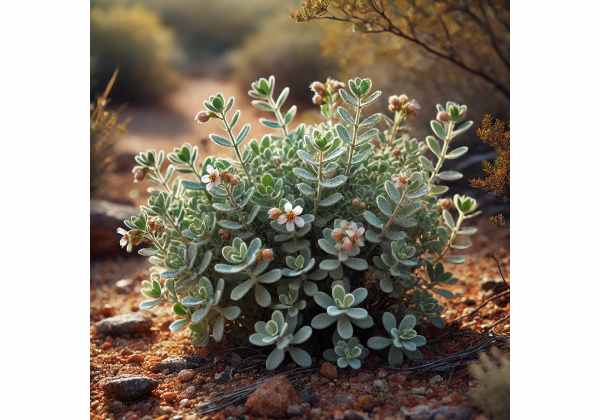
Lemon Scented Zieria is a rare Australian shrub valued more for its striking fragrance than for any well-established medical role. When its leaves are crushed, they release a fresh lemon aroma from tiny oil glands, which explains why the plant draws interest from gardeners, herbal enthusiasts, and readers curious about citrus-scented botanicals. It belongs to the Rutaceae family, the same broad plant family that includes many aromatic species, yet Lemon Scented Zieria is not a mainstream medicinal herb and has not been studied in human clinical trials the way better-known herbs have.
That makes a balanced approach especially important. The plant’s likely appeal lies in its aromatic compounds, possible deodorizing and topical uses, and its role in gentle sensory rituals such as light inhalation or room fragrance. At the same time, the lack of standardization means dosage must be cautious, and safety matters more than enthusiasm. The most helpful way to understand this herb is to separate what is clearly known about the plant itself from what is only suggested by related lemon-scented species and essential-oil research.
Essential Insights
- Its strongest practical value is aromatic use, with a fresh lemon scent that may support a cleaner-feeling, more uplifting environment.
- Its leaf oils may have mild antimicrobial potential, but direct human evidence for Lemon Scented Zieria is limited.
- No standard oral dose exists; keep topical aromatic blends around 0.5% to 1% dilution unless a clinician advises otherwise.
- Avoid concentrated use during pregnancy, breastfeeding, in young children, and in anyone with fragrance allergy, asthma triggered by scents, or very sensitive skin.
Table of Contents
- What Lemon Scented Zieria is and why it attracts interest
- Key ingredients and aromatic profile
- Lemon Scented Zieria and potential health benefits
- Common uses in home, herbal, and topical practice
- Dosage, preparation, and timing
- Lemon Scented Zieria safety, side effects, and interactions
- How to choose, store, and use it responsibly
What Lemon Scented Zieria is and why it attracts interest
Lemon Scented Zieria is a low, compact shrub native to south-eastern Australia. It is notable for two reasons: its leaves are strongly lemon-scented when bruised, and the plant itself is rare enough that it deserves careful, responsible treatment. In the wild, it is not a casual foraging herb. It is a conservation-sensitive species, and that fact should shape how people think about its use. The safest and most ethical starting point is to view it as a cultivated aromatic plant, not as a wild medicinal resource.
Botanically, the plant belongs to the genus Zieria, a group known for trifoliate leaves and aromatic oil glands. Those glands are important because they explain the herb’s fragrance and the interest in its possible medicinal properties. Whenever a plant produces a noticeable citrus-like scent, people naturally begin to ask whether it may also have calming, antimicrobial, digestive, or topical benefits. That curiosity is reasonable, but it can lead to overstatement when the evidence base is thin.
This is also where confusion can begin. Lemon Scented Zieria is not the same plant as lemon myrtle, lemongrass, lemon balm, or lemon verbena. Those herbs have a much larger research footprint and a longer history of culinary or therapeutic use. By contrast, Lemon Scented Zieria remains a niche botanical with limited direct data on internal use, standardized extracts, or clinical outcomes. In practical terms, that means it should be discussed with caution and precision.
Its main value today is best understood through three lenses:
- botanical identity and aroma
- possible benefits suggested by its scent-bearing compounds
- safe, limited, responsible use
That framing protects readers from a common mistake: assuming that every pleasantly scented herb is automatically safe to ingest in tea, tincture, or essential-oil form. With Lemon Scented Zieria, the most honest answer is that its fragrance is clear, its chemistry is promising in theory, but its direct medical evidence is still limited. A useful article therefore needs to focus less on hype and more on practical judgment, especially around sourcing, preparation, and safety.
Key ingredients and aromatic profile
The phrase “key ingredients” sounds straightforward, but with Lemon Scented Zieria it requires some nuance. The plant is visibly dotted with oil glands, and its crushed leaves release a bright lemon note, so it clearly contains volatile aromatic compounds. What is less clear is the exact, fully standardized chemical profile for the species as a medicinal product. In other words, the plant’s aroma is obvious, but the published, consumer-ready phytochemistry is still limited compared with better-studied herbs.
The most defensible way to understand its profile is to divide it into what is known and what is inferred.
What is directly known:
- the leaves are strongly lemon-scented
- the plant has oil glands typical of many aromatic members of the Rutaceae family
- its likely bioactive interest lies in volatile compounds rather than in a heavily researched, standardized nonvolatile extract
What is reasonably inferred from its scent and from related lemon-scented botanicals:
- aldehydes such as citral-type compounds may contribute to the lemon note
- monoterpenes such as limonene, citronellal, or related fragrance molecules may also be involved
- these classes of compounds are often studied for antimicrobial, deodorizing, antioxidant, and sensory effects
That does not mean Lemon Scented Zieria should be treated as chemically identical to citral-rich lemon myrtle. It only means that similar aromas often arise from overlapping families of volatile molecules. The distinction matters because a pleasant scent can suggest a direction for research, but it does not prove the same potency, dose, or safety profile.
From a medicinal-property perspective, the most relevant probable actions of such aromatic compounds are:
- surface-level antimicrobial activity in laboratory settings
- scent-driven effects on mood, freshness, and perceived clarity
- topical irritation risk at higher concentrations
- oxidation over time, which can make old aromatic preparations more irritating
This last point is often overlooked. Highly fragrant plant products can degrade with light, air, and heat. That means a fresh leaf, a properly stored aromatic preparation, and an old oxidized oil may behave very differently on the skin or nose.
So when people ask about Lemon Scented Zieria’s “active ingredients,” the best answer is not a dramatic list of promised cures. It is a careful explanation: the plant almost certainly owes its character to lemon-scented volatile compounds in its leaf oil glands, and those compounds may explain why it is interesting for aromatic and topical use. But until species-specific chemistry and human research become stronger, its ingredient story should be treated as promising, not definitive.
Lemon Scented Zieria and potential health benefits
When readers search for health benefits, they usually want a clear list. With Lemon Scented Zieria, a tiered approach is more honest and more useful. Some possible benefits are plausible, some are merely traditional in spirit, and some are not established at all.
The most plausible benefit is sensory. Fresh lemon-scented herbs can make a room feel cleaner, lighter, and more alert. For many people, inhaling a crisp citrus aroma is subjectively refreshing. That does not amount to a proven treatment for anxiety, fatigue, or low mood, but it does support a modest claim: the plant may be useful as an aromatic wellness herb for brief, gentle inhalation rather than as a primary therapy.
A second plausible area is mild surface antimicrobial or deodorizing action. Many lemon-scented plant compounds have shown antimicrobial activity in laboratory research. That makes Lemon Scented Zieria an interesting candidate for low-intensity topical or environmental use, such as sachets, aromatic rinses, or household botanical blends. Still, laboratory activity is not the same as clinical effectiveness, and it should not be confused with a proven treatment for infection.
A third possible benefit is topical freshness. In carefully diluted form, aromatic botanicals are sometimes used in skin-care blends, foot soaks, or cleansing products because they smell clean and may help reduce odor. This is where comparison with better-known herbs can be useful. Plants such as lemon verbena have a longer reputation in calming or aromatic preparations, whereas Lemon Scented Zieria remains more exploratory.
The least defensible claims are the strongest ones. At present, Lemon Scented Zieria should not be presented as proven for:
- treating bacterial or fungal infections
- reducing inflammation in a clinically meaningful way
- improving digestion through a standardized oral dose
- managing pain, sleep disorders, or chronic stress
- preventing disease
A balanced summary of benefits would look like this:
- Best-supported practical benefit: pleasant aromatic use
- Reasonably possible but unproven: deodorizing and mild antimicrobial support in nonmedical settings
- Interesting but not established: topical soothing or household botanical applications
- Not established: internal therapeutic use for specific health conditions
This may sound restrained, but restraint is useful in herbal writing. It helps readers make better choices and keeps rare plants from being oversold. In the long run, that is more valuable than attaching a long list of dramatic health claims to an herb that has not yet earned them through strong human evidence.
Common uses in home, herbal, and topical practice
Because direct medicinal evidence is limited, Lemon Scented Zieria is best used in simple, low-risk ways that respect both the plant and the uncertainty around it. The most practical uses are aromatic, household, and lightly topical rather than heavily medicinal.
One of the easiest uses is as a fresh aromatic leaf. A cultivated sprig can be bruised gently and placed near a desk, entryway, or sink for a clean lemon note. This is the lowest-risk use because it avoids ingestion and avoids concentrated exposure. It also aligns with what the plant clearly offers: fragrance.
Another common approach is dried-leaf use in sachets or potpourri. This works especially well when the plant is grown ornamentally and trimmed lightly rather than harvested aggressively. A small fabric sachet can help freshen cupboards, drawers, or small enclosed spaces. Some people also use lemon-scented herbs in botanical cleaning blends, though those uses are more about scent and atmosphere than about dependable sanitizing power.
In topical practice, the herb belongs in the “cautious experiment” category rather than the “everyday remedy” category. That means any skin use should be mild, diluted, and patch-tested. A simple aromatic wash, hand soak, or diluted botanical blend makes more sense than a strong salve or undiluted leaf oil. Readers looking for well-established insect-deterring plant traditions will usually find more direct support with herbs such as citronella, which has a clearer history in that space.
For home and wellness use, the most reasonable applications are:
- room fragrance from fresh cultivated leaves
- drawer or linen sachets made from dried plant material
- diluted botanical blends for scent, not for treating disease
- small household rituals that focus on freshness and sensory enjoyment
Less suitable uses include:
- self-made essential-oil ingestion
- high-strength topical concentrates
- wild harvesting
- using the plant as a substitute for medical care
A practical rule helps here: the less processed and less concentrated the use, the more appropriate it tends to be for this herb. Fresh aroma is safer than homemade extract. A sachet is safer than an undiluted oil. A cultivated potted plant is better than collecting wild material. That hierarchy matters because it turns an attractive but under-researched herb into something that can be appreciated without unnecessary risk.
For most people, Lemon Scented Zieria is therefore best treated as an aromatic botanical with light home uses, not as a proven medicinal workhorse.
Dosage, preparation, and timing
Dosage is the section where readers most need clarity. With Lemon Scented Zieria, there is no well-established, evidence-based oral medicinal dose. That point should come first and should not be softened. The plant is not a standardized clinical herb, and concentrated internal use is not the place to improvise.
The safest dosage advice depends on the form being used.
For oral use:
- there is no standardized medicinal oral dose
- concentrated oils should not be self-dosed internally
- if a cultivated, food-grade preparation is ever used as a weak herbal infusion, it should be treated as a culinary experiment rather than a therapy and kept minimal
- commercial labeling should always override guesswork
For topical aromatic use:
- a cautious adult range is about 0.5% to 1% dilution in a carrier
- for very short-term, localized use in healthy adults, some people go slightly higher, but caution is wiser with a poorly standardized herb
- avoid damaged skin, eyes, lips, and other sensitive areas
For inhalation or room fragrance:
- brief exposure is usually more sensible than prolonged diffusion
- start with short sessions, such as 10 to 15 minutes in a ventilated room
- stop immediately if headache, throat irritation, coughing, or dizziness occurs
Timing also matters. Citrus-scented botanicals are often better earlier in the day or in shared spaces where a fresh, bright aroma is welcome. They are less ideal right before bed if the scent feels stimulating. For topical use, daytime application on a small area makes it easier to notice irritation than applying something new overnight or before exercise.
A practical preparation ladder looks like this:
- Fresh leaf aroma
Lowest intensity and lowest risk. - Dried sachet or mild room use
Useful when fragrance is the main goal. - Very dilute topical blend
Appropriate only after patch testing. - Strong homemade extract or internal use
Least appropriate without expert guidance.
Readers often ask whether more is better with aromatic herbs. In most cases, it is not. With Lemon Scented Zieria, the best approach is “small, slow, and external first.” That means starting with scent, not swallowing; using a brief trial, not daily heavy exposure; and respecting the fact that a rare plant with an appealing aroma still needs more evidence before it deserves routine medicinal dosing.
Lemon Scented Zieria safety, side effects, and interactions
Safety is the most important part of this topic because the gap between “pleasantly scented” and “universally safe” is often underestimated. Lemon Scented Zieria may smell clean and gentle, but aromatic plant compounds can still irritate the skin, eyes, airways, and stomach, especially when concentrated.
The most likely side effects are the common ones seen with many essential-oil-rich plants:
- skin redness, itching, or burning
- fragrance-triggered headache or nausea
- throat or nasal irritation from heavy inhalation
- stomach upset if taken internally
- worsened symptoms in people with scent sensitivity
Anyone with a history of contact dermatitis, eczema, rosacea, or fragrance allergy should be especially careful. In topical practice, the same caution used with herbs such as Australian tea tree is useful here: dilute first, patch test, and never assume that “natural” means nonirritating.
Several groups should avoid concentrated preparations unless a qualified clinician specifically advises otherwise:
- pregnant or breastfeeding people
- infants and young children
- people with asthma or scent-triggered breathing symptoms
- people with very reactive skin
- anyone taking multiple medications and considering internal use
Documented herb-drug interaction studies for Lemon Scented Zieria itself are lacking, which creates a different kind of concern. The problem is not that many interactions are proven; it is that direct safety data are sparse. When interaction data are missing, caution becomes the responsible default. For that reason, internal use alongside prescription medicines, especially in concentrated forms, is not a good self-care experiment.
Two additional safety points matter:
First, oxidation can increase irritation risk. Old, poorly stored aromatic products are more likely to cause skin reactions than fresh, well-kept ones.
Second, endangered or conservation-sensitive species should not be treated like bulk commodity herbs. Wild harvesting adds ecological risk to personal safety uncertainty.
Seek medical attention promptly if use causes wheezing, swelling, severe rash, vomiting, or trouble breathing. Those are not “detox” reactions. They are warning signs to stop immediately.
In practical terms, the safest stance is simple: enjoy the plant mainly as a fragrance herb, use concentrated forms sparingly if at all, and treat internal medicinal use as unestablished unless supervised by someone with real botanical and clinical expertise.
How to choose, store, and use it responsibly
Responsible use starts before the herb ever reaches the cup, diffuser, or skin. Because Lemon Scented Zieria is a restricted Australian species, the first question should be where it came from. Ethical sourcing matters here more than with common commercial herbs. Readers should favor nursery-grown plants, legally propagated stock, or clearly labeled cultivated material rather than anything collected from the wild.
This choice affects both safety and conservation. Wild plants may be misidentified, environmentally stressed, or harvested in a way that harms already limited populations. Cultivated plants are easier to track, easier to store correctly, and far more appropriate for any experimental aromatic use.
When selecting material, look for:
- clear botanical identification
- fresh, strongly aromatic leaves without mold or off-odors
- transparent sourcing information
- no signs of pesticide residue, decay, or oxidation
- realistic labeling rather than exaggerated cure claims
Storage should be simple and disciplined. Keep dried material in an airtight container away from heat, sunlight, and humidity. If using any aromatic preparation, use dark containers where possible and avoid repeated air exposure. Label the date of purchase or preparation. If the aroma becomes harsh, stale, or oddly sharp, discard it rather than trying to “use it up.”
Good use habits include:
- starting with the mildest form
- using small amounts
- testing one preparation at a time
- keeping notes on any skin or breathing reaction
- stopping quickly if irritation appears
Bad habits include:
- mixing it into many products at once
- applying concentrated aromatic blends to large skin areas
- assuming culinary herbs and rare aromatic shrubs follow the same safety rules
- using it to delay diagnosis or treatment
Responsible use also means knowing when not to use the plant at all. If the goal is a well-studied lemon-scented herb for tea, a more established culinary botanical may be a better fit. If the goal is skincare, choosing a better characterized herb with clearer formulation guidance may be wiser. Lemon Scented Zieria is most compelling when appreciated for what it clearly offers: a distinctive fragrance, botanical interest, and a narrow but intriguing range of possible wellness uses. It becomes less useful the moment it is pushed beyond the limits of the evidence.
References
- Lemon zieria (Zieria citriodora) in New South Wales 2025. (Government report)
- Backhousia citriodora F. Muell. (Lemon Myrtle), an Unrivalled Source of Citral 2021. (Review)
- Mechanisms and Applications of Citral’s Antimicrobial Properties in Food Preservation and Pharmaceuticals Formulations 2023. (Review)
- Essential oils for clinical aromatherapy: A comprehensive review 2024. (Review)
- Maternal Reproductive Toxicity of Some Essential Oils and Their Constituents 2021. (Review)
Disclaimer
This article is for educational purposes only and is not medical advice, a diagnosis, or a treatment plan. Lemon Scented Zieria is not a well-standardized medicinal herb, and evidence for direct human health benefits remains limited. Do not use it to self-treat infections, breathing problems, skin disease, pregnancy-related concerns, or any serious symptom. Avoid concentrated internal use unless a qualified healthcare professional and a trained botanical expert both advise it. Stop use immediately and seek medical care if you develop rash, swelling, wheezing, vomiting, or trouble breathing.
If this article was helpful, please consider sharing it on Facebook, X, or your preferred platform.